Award-Winning Spanish Tutors
serving Buffalo, NY
Award-Winning
Spanish
Tutors in Buffalo
Private 1-on-1 tutoring, weekly live classes for academic support, test prep & enrichment, practice tests and diagnostics, and more to elevate grades and test scores.
Based on 3.4M Learner Ratings
UniversitiesSchools & Universities
DeliveredHours Delivered
ProficiencyGrowth in Proficiency
Who needs tutoring?
No obligation. Takes ~1 minute.
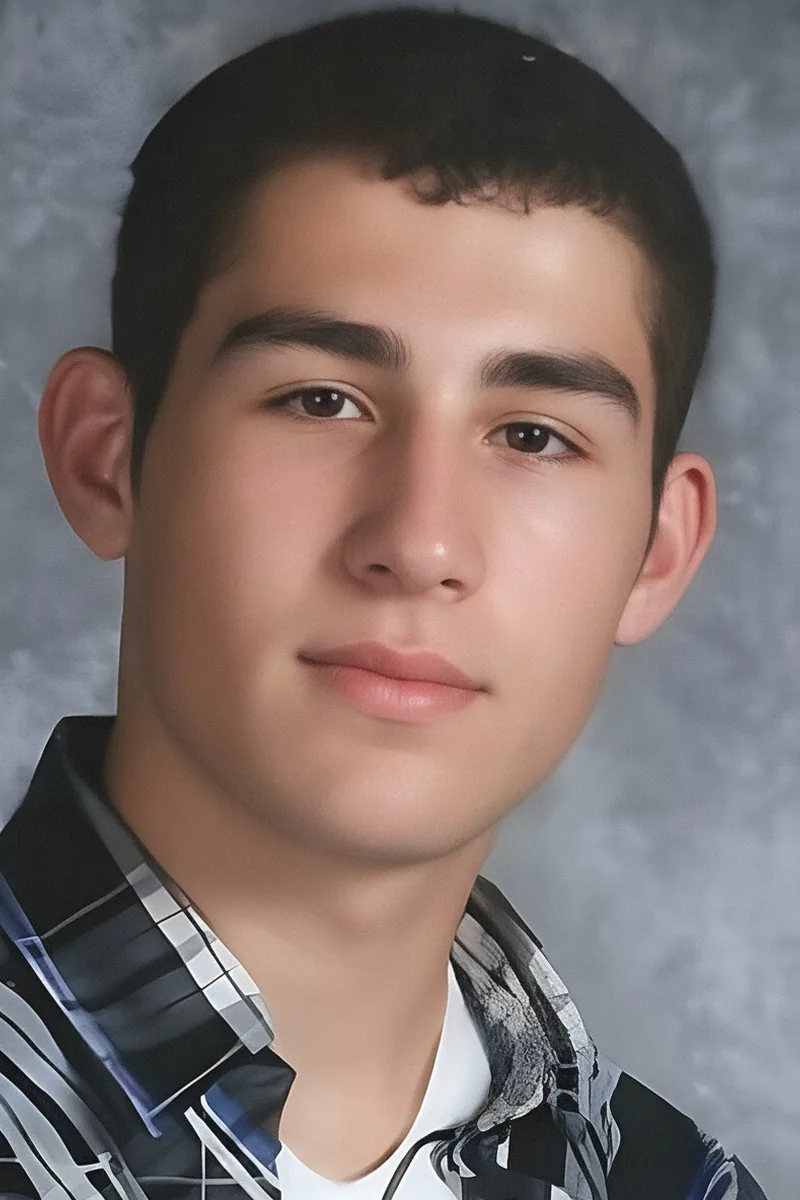
Having tutored Spanish formally throughout high school and studied it through advanced levels, Christopher tackles everything from subjunctive mood conjugations to nuanced reading comprehension passages. He treats grammar as a logical system — similar to how he approaches engineering problems at Harvard — which makes verb tenses and pronoun placement click for students who struggle with rote memorization.
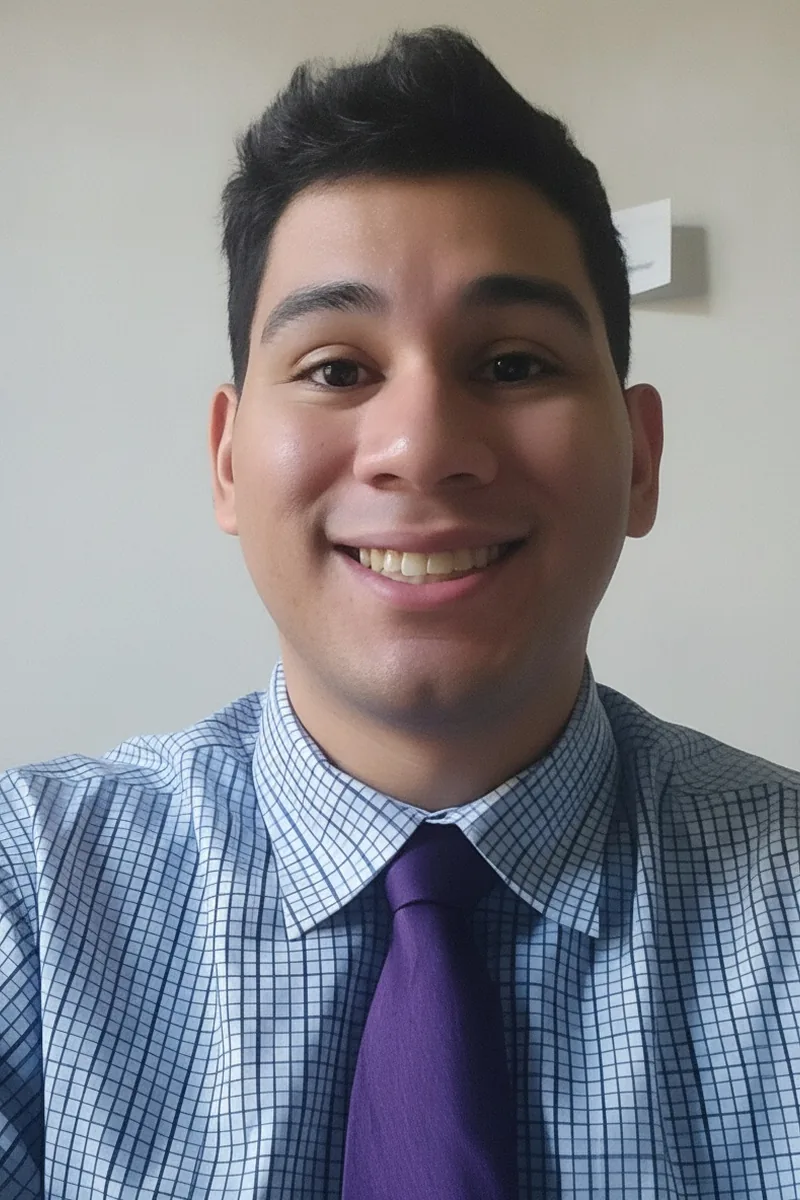
Though French is Daniel's primary language specialty, his experience with Romance language grammar gives him a practical framework for teaching Spanish fundamentals like ser vs. estar, preterite vs. imperfect, and pronoun placement. He approaches Spanish 1-level concepts by drawing parallels between the two languages, which accelerates pattern recognition for students.
Learning Spanish grammar isn't just about conjugation tables — it's understanding why the subjunctive appears after certain triggers, or how ser and estar change a sentence's entire meaning. Renee earned both a BA and a PhD centered on Spanish, giving her the kind of deep structural knowledge that lets her explain the 'why' behind tricky rules. She's taught Spanish at multiple levels, from private tutoring to formal academic settings.
Rather than drilling conjugation tables in isolation, Meghan teaches Spanish grammar in context — building sentences that students actually want to say. She minored in Spanish at Northwestern and then spent a semester at Madrid's top-ranked university taking upper-level courses entirely in Spanish alongside native speakers. That immersion experience means she understands the gap between textbook Spanish and how the language actually works.
Having studied Spanish as part of her undergraduate degree, Elena brings both academic grammar knowledge and real conversational fluency to lessons. She digs into tricky areas like subjunctive mood triggers, ser versus estar distinctions, and preterite-imperfect contrasts — the concepts that separate intermediate learners from truly proficient speakers.
Medical school at Baylor means Sugi regularly encounters Spanish-speaking patients and medical terminology rooted in Latin — a context that sharpens her ear for vocabulary patterns and grammatical structures in ways a standard classroom can't replicate. Her cognitive science background from Rice also gives her a research-backed understanding of how the brain acquires new languages, so she tailors practice around the memorization and retrieval techniques that actually stick. Rated 5.0 by students.
Kate teaches Spanish at multiple levels, from verb conjugation fundamentals in Spanish 2 through the subjunctive mood and complex sentence structures in Spanish 4. Her engineering background gives her a systematic way of breaking down grammar rules that clicks for students who think analytically.
Simon teaches Spanish across four levels, from foundational conjugation patterns in the present tense to navigating subjunctive mood and complex reading passages at the advanced level. His approach treats grammar as a logical system — once a student sees why irregular preterite verbs follow certain patterns, retention improves dramatically.
Learning Spanish grammar rules is one thing; actually using subjunctive mood correctly in conversation or nailing ser versus estar in context is another. Rhea approaches Spanish by tying grammar concepts to practical usage — building sentences around real scenarios so that conjugation patterns and vocabulary stick. Her comfort with the language extends through literature and culture, giving students exposure beyond the textbook.
Samuel holds a TEFL certificate and studies linguistics at Harvard, which means he understands how languages are structured at a foundational level — verb conjugation patterns, pronoun systems, sentence-building rules. He applies that systematic approach to Spanish grammar and vocabulary, making concepts like ser vs. estar or preterite vs. imperfect click rather than feel like arbitrary memorization.
Jane tutors Spanish 1 and 2 students on the grammar fundamentals that trip most English speakers up — ser versus estar, preterite versus imperfect, and pronoun placement in different sentence structures. Her analytical approach to language, sharpened by studying English at Princeton, gives her a knack for explaining why Spanish grammar rules work the way they do rather than just listing them.
Richard has studied Spanish through the SAT Subject Tests — including the Listening exam — and tutored high school students in the language before college. He tackles grammar structures like the subjunctive and preterite-vs-imperfect distinctions by connecting them to patterns rather than rote conjugation charts, making the rules easier to internalize.
Testimonials
Because the right Spanish tutor makes all the difference.
Average Session Rating – Based on 3.4M Learner Ratings
Other Buffalo Tutors
Related Languages Tutors in Buffalo
Frequently Asked Questions
During your first session, a tutor will assess your current Spanish level across reading, writing, speaking, and listening to understand your strengths and areas for growth. They'll learn about your goals—whether you're preparing for an exam, building conversational fluency, or strengthening classroom performance—and create a personalized plan tailored to your needs. This foundation helps ensure every session after that is focused and productive.
In a classroom of Buffalo students with a 10.2:1 student-teacher ratio, speaking practice time is limited. With personalized tutoring, you get dedicated conversation time with an expert tutor who can correct your pronunciation in real-time, model natural speech patterns, and adjust the difficulty to match your level. This consistent speaking practice is one of the most effective ways to build confidence and develop authentic accent and fluency.
Verb conjugation is one of the trickiest parts of Spanish grammar, but it becomes manageable with a strategic approach. Rather than memorizing endless tables, tutors help you understand the patterns and rules behind conjugations, then practice them in real conversational contexts where they naturally appear. Spaced repetition and retrieval practice—testing yourself on conjugations over time—also strengthens retention far better than cramming.
Passive vocabulary lists fade quickly, but active use sticks. Expert tutors help you learn new words in meaningful contexts—through conversations, reading passages, or scenarios relevant to your interests—rather than isolated flashcards. Combining multiple exposures (reading, hearing, speaking, writing) and reviewing words at strategic intervals helps move vocabulary from short-term memory into long-term retention.
Yes. Language and culture are deeply connected, and understanding cultural context helps you use Spanish authentically. Tutors often weave in cultural references, regional variations, and real-world contexts from Spanish-speaking countries to help you grasp why certain expressions exist and how native speakers actually communicate. This immersion-style approach makes learning more engaging and prepares you to understand Spanish beyond the textbook.
Absolutely. Whether you're in middle school, high school, or AP Spanish, personalized tutoring bridges gaps between classroom instruction and your individual learning pace. A tutor can clarify concepts from your class, help with homework, prepare you for tests, and strengthen whichever skills need the most work—whether that's grammar, reading comprehension, or speaking fluency.
Fluency depends on your starting level and how much you practice. Research suggests reaching professional-level proficiency typically requires around 600 hours of study and practice. With consistent 1-on-1 tutoring combined with your own practice, you can accelerate progress significantly. Your tutor can set realistic milestones and track your growth across all four skills—reading, writing, speaking, and listening.
Look for tutors with native or near-native Spanish fluency, teaching experience, and expertise in the specific areas you need help with—whether that's conversational Spanish, grammar, test prep, or advanced literature. Varsity Tutors connects you with expert tutors who have proven teaching ability and can adapt their instruction to your learning style and goals. A good tutor should be able to explain concepts clearly and create an environment where you feel comfortable practicing and making mistakes.
Let’s find your perfect tutor
Answer a few quick questions. We’ll recommend the right plan and match you with a top 5% tutor.