Award-Winning Biology Tutors
serving Minneapolis, MN
Biology
Tutors in Minneapolis
Private 1-on-1 tutoring, weekly live classes for academic support, test prep & enrichment, practice tests and diagnostics, and more to elevate grades and test scores.
Based on 3.4M Learner Ratings
UniversitiesSchools & Universities
DeliveredHours Delivered
ProficiencyGrowth in Proficiency
Who needs tutoring?
No obligation. Takes ~1 minute.
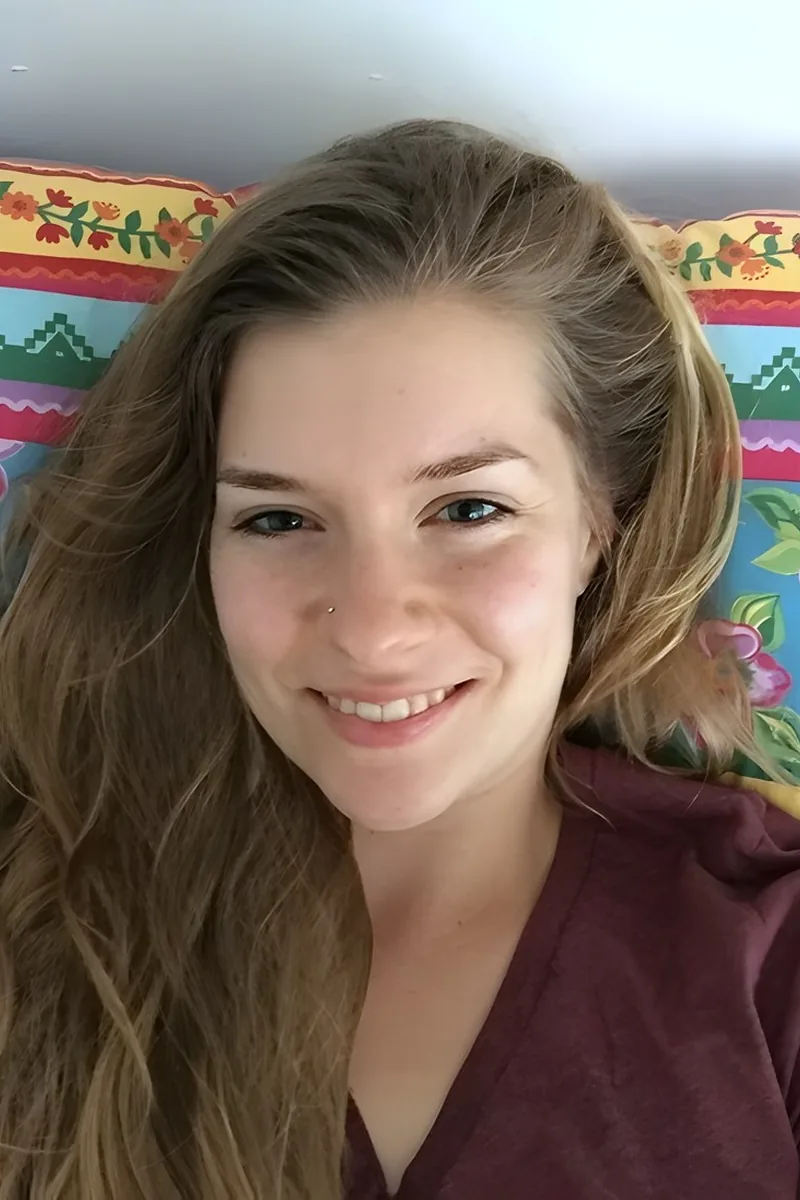
A biology degree, a veterinary doctorate in progress, and an active role on a cancer research team — Marika has lived this subject from introductory ecology all the way to molecular genetics. She's especially skilled at connecting big-picture themes like evolution and energy flow to the cellular and molecular details that explain them. Rated 5.0 across her sessions.
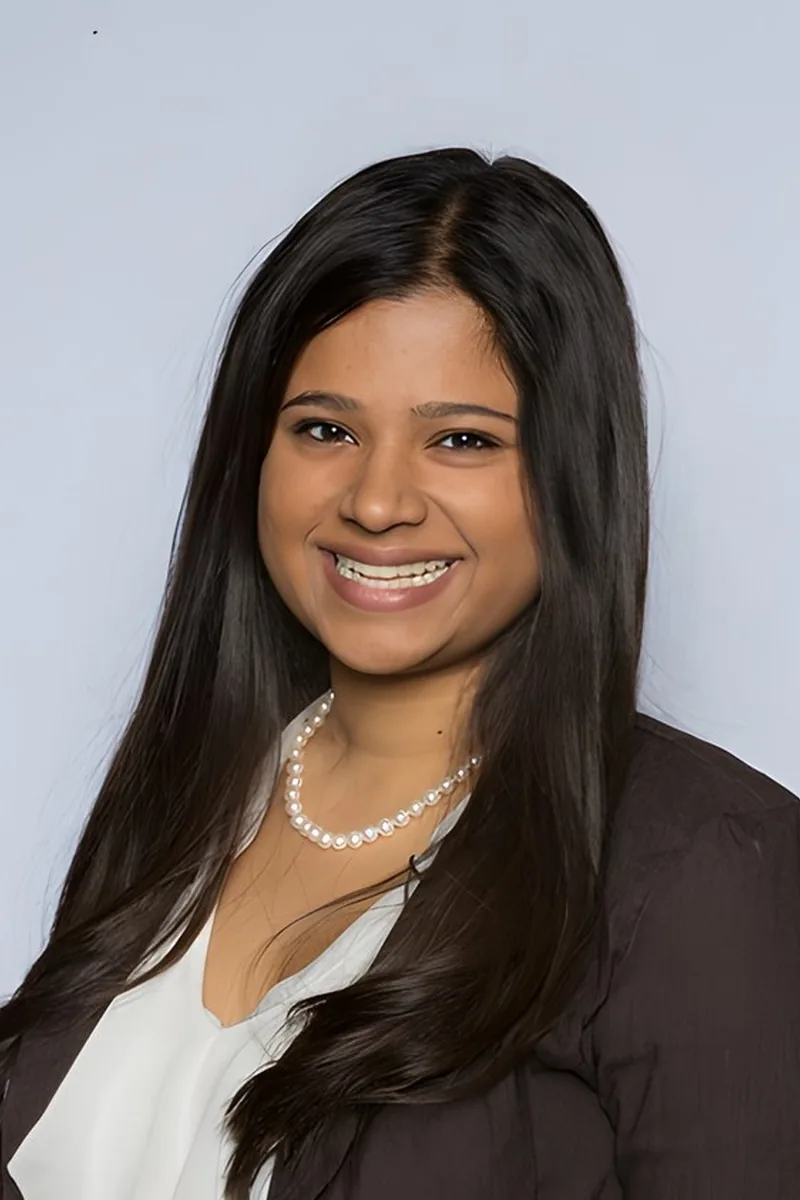
Genetics, Cell Biology, and Development as a major means Jaya has spent semesters dissecting how organisms work from the molecular level up — gene expression, inheritance patterns, cellular differentiation — and her pre-med track layers on the physiology and ecology that round out a full biology curriculum. She's especially strong at connecting genetics concepts to their downstream biological effects, like tracing how a single mutation can ripple through protein function, cell behavior, and organismal phenotype.
Cancer research in two university labs means Brian doesn't just know biology from a textbook — he's pipetted DNA, analyzed cell cultures, and traced signaling pathways in living systems. His genetics, cell biology, and development major at the University of Minnesota makes him especially sharp on molecular biology, gene expression, and cellular processes, and he teaches these topics through active problem-solving rather than passive review.
Jane's physics degree gives her an unusual entry point into biology — she naturally thinks about living systems in terms of energy transfer, fluid dynamics, and electrical signaling, which makes topics like action potentials, osmosis, and metabolic thermodynamics click in a way that pure memorization never achieves. Her molecular biology and neuroscience coursework rounds out that quantitative instinct with the cellular and systems-level detail students need for exams. Rated 4.9 by students.
Mikkel earned his biology degree from Carleton College with a biochemistry concentration, so he's equally comfortable explaining CRISPR mechanisms in molecular genetics as he is walking through ecological food webs or Mendelian inheritance patterns. His ongoing medical field preparation keeps these concepts fresh, and he connects them to real-world applications that make dense material easier to retain.
Ami earned her degree in Genetics, Cell Biology, and Development, which means she didn't just take biology — she lived in it across molecular, cellular, and organismal scales. She unpacks dense topics like gene expression, membrane transport, and evolutionary mechanisms by connecting them to each other, building a web of understanding rather than a stack of disconnected flashcards.
A biology degree means Laura has spent serious time with everything from molecular genetics to ecosystem dynamics, and she draws on that breadth to explain how individual topics — say, enzyme kinetics or Mendelian inheritance — fit into the bigger picture. She's particularly effective at translating dense diagrams and experimental data into plain language that actually sticks.
JF's math and computer science training at Stanford might seem unrelated to biology, but it actually sharpens how he teaches the subject — genetics problems become probability exercises, population ecology clicks through mathematical modeling, and enzyme kinetics suddenly makes sense when you treat it like a rate equation. That quantitative lens gives students a second way into topics that feel overwhelming when approached through pure memorization alone. Rated 5.0 by students.
Studying biology and computer science at McGill, Hannah lives in the world of biological systems daily — from cellular respiration pathways to genetics and molecular biology. She approaches tough concepts like DNA replication or enzyme kinetics by walking through the logic step by step, drawing on cognitive science principles to make dense material easier to retain.
From cell respiration pathways to genetics crosses, biology rewards students who can organize large amounts of interconnected information rather than memorize isolated facts. Asta's University of Chicago training in research and analytical writing translates directly to how she teaches students to map relationships between biological systems — linking, say, DNA replication to protein synthesis to gene expression in a coherent chain.
Biomedical engineering sits right at the intersection of biology and quantitative analysis, which means Christine doesn't just know cell structure and metabolic pathways — she understands them well enough to model them mathematically. She's particularly strong on molecular biology and physiology concepts, connecting textbook diagrams to the real mechanisms they represent.
Students who find biology's vocabulary overwhelming often do better when someone shows them the logic underneath the terms. Dennis approaches topics like cell respiration, DNA replication, and membrane transport by connecting each process to the energy and chemistry driving it — a perspective that comes naturally from his physics background and makes the material easier to retain.
From cell respiration to population genetics, biology covers an enormous range — and Courtney has touched nearly all of it. Her MS in Biology and active research in aquatic ecology mean she can unpack everything from enzyme kinetics to evolutionary adaptation with the depth of someone who uses these concepts daily, not just someone who memorized them for an exam.
Studying public policy gave Dana a knack for synthesizing dense, interconnected information — exactly what biology demands when you're tracing how cellular respiration connects to ecology or how DNA replication ties into evolution. She teaches students to see the bigger system instead of drowning in isolated vocabulary terms.
Dennis's Masters in Chemical and Physical Biology from Vanderbilt means he's spent years studying life at the molecular level — protein interactions, metabolic regulation, signal transduction — and can zoom out to show how those mechanisms drive the organ-system and ecological concepts that fill most introductory biology courses. His graduate research experience also makes him especially effective at teaching experimental design and data analysis, the parts of biology that trip students up precisely because they can't be memorized. Rated 5.0 by students.
Tony earned his biology degree at Yale and is headed to Columbia's medical school, so he's spent years immersed in everything from molecular genetics to ecological systems. He breaks down dense material — signal transduction pathways, Mendelian inheritance, cellular respiration — by linking each concept to a bigger biological story rather than treating them as isolated facts.
Few biology tutors have studied living systems from the molecular scale all the way up to tissue engineering. Kelly's research at Memorial Sloan-Kettering on cancer cell biology, combined with her biomedical engineering work at Tufts, means she can walk through everything from mitosis and gene expression to ecology and evolution with genuine depth. She's rated 5.0 by students.
Rather than treating biology as a subject to memorize, Ivan approaches it as a set of nested systems — from gene expression inside a single cell up to organ-level physiology. His science training across multiple disciplines gives him a knack for explaining how concepts like cellular respiration, DNA replication, and signal transduction actually link together rather than sitting in isolated textbook chapters.
A Rice biology graduate heading to medical school, Perry knows the subject from the molecular scale up — DNA replication, enzyme kinetics, ecological modeling. He unpacks complex processes by mapping out each step visually, which is especially useful for topics like cellular respiration and signal transduction where details pile up fast.
Testimonials
Because the right Biology tutor makes all the difference.
Average Session Rating – Based on 3.4M Learner Ratings
Practice Biology
Free practice tests, flashcards, and AI tutoring for Biology
Nearby Biology Tutors
Other Minneapolis Tutors
Related Science Tutors in Minneapolis
Frequently Asked Questions
Students in Minneapolis schools often struggle with foundational concepts like cell structure, photosynthesis and cellular respiration, genetics and inheritance patterns, and evolution. Many find it challenging to visualize microscopic processes and connect theoretical concepts to real biological systems. Tutoring helps break down these complex topics into manageable pieces, using diagrams, analogies, and real-world examples to make abstract concepts concrete.
Absolutely. Tutoring for students in Minneapolis can help you understand the scientific method, design experiments, collect and analyze data, and interpret results. Many students need support not just with hands-on lab techniques, but also with writing lab reports, explaining findings, and understanding why experiments are designed the way they are. Tutors can help you develop stronger scientific reasoning skills that apply across all your biology coursework.
While biology does involve learning terminology and structures—like parts of a cell or bones in the skeleton—true mastery comes from understanding how and why things work. Memorizing without understanding makes it harder to apply knowledge to new situations or answer application-based questions on tests. Tutoring focuses on building conceptual understanding first, so memorization becomes meaningful and you can tackle complex questions that require critical thinking rather than just recall.
Many students face challenges with biology because it requires balancing memorization, visual-spatial reasoning, and conceptual understanding all at once. With personalized 1-on-1 instruction, you can get targeted help in the specific areas holding you back—whether that's understanding cellular processes, mastering genetics problems, or improving your lab report writing. A tutor can also help you develop study strategies that work for your learning style and adjust the pace to match your needs.
Look for tutors with strong subject knowledge—ideally someone with a background in biology, life sciences, or a related field. It's also important that they understand the Minneapolis school curriculum and can explain concepts in multiple ways to match how you learn best. Varsity Tutors connects you with expert tutors who have both deep biology knowledge and proven experience helping students succeed, so you get personalized instruction tailored to your specific needs and goals.
Yes, AP Biology moves faster and requires deeper conceptual understanding, experimental design skills, and the ability to apply knowledge to novel situations. Regular biology focuses on building foundational knowledge. An experienced tutor can help you with whichever level you're taking by adjusting the complexity, pacing, and types of problems you work through. Whether you're in a standard high school biology course or AP, tutoring can help you build the confidence and skills needed to excel.
Many biology students struggle because you can't see molecules, cells in action, or genetic inheritance patterns with your naked eye. Visual models, diagrams, animations, and hands-on activities make these abstract concepts much more concrete. Tutors can use multiple teaching methods—drawing processes step-by-step, using physical models, creating analogies, and working through problems together—to help you build a clear mental picture of how biological systems actually work.
Let’s find your perfect tutor
Answer a few quick questions. We’ll recommend the right plan and match you with a top 5% tutor.