Award-Winning Biochemistry Tutors
serving St. Louis, MO
Biochemistry
Tutors in St. Louis
Private 1-on-1 tutoring, weekly live classes for academic support, test prep & enrichment, practice tests and diagnostics, and more to elevate grades and test scores.
Based on 3.4M Learner Ratings
UniversitiesSchools & Universities
DeliveredHours Delivered
ProficiencyGrowth in Proficiency
Who needs tutoring?
No obligation. Takes ~1 minute.

Enzyme kinetics, metabolic pathways, protein structure — biochemistry asks students to think about molecules as dynamic systems, not static diagrams. Tina's engineering background at Cornell and her pre-med preparation mean she can unpack topics like Michaelis-Menten kinetics or amino acid chemistry with both quantitative rigor and biological context.
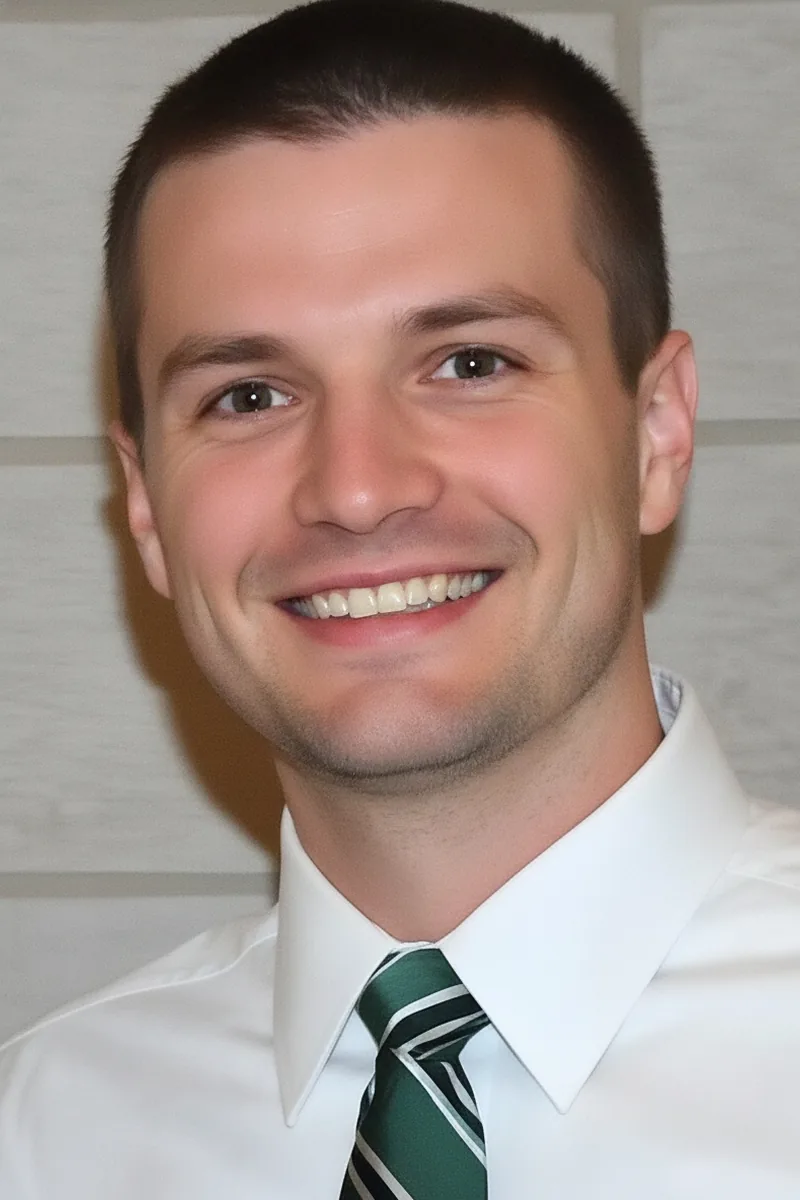
Matt's graduate work in human nutrition required him to trace every major metabolic pathway from the molecular level up — how macronutrients get broken down, shuttled through the citric acid cycle, and ultimately converted to usable energy. That nutritional biochemistry lens means he teaches topics like lipid metabolism and amino acid catabolism with a constant eye on physiological context, making reaction sequences feel purposeful rather than arbitrary. Holds a 5.0 rating.
Enzyme kinetics, metabolic pathways, protein structure — biochemistry demands that students think simultaneously about chemistry and biology, which is exactly how Nathaniel trained. His degree in biochemistry and his MCAT preparation mean he can walk through everything from Michaelis-Menten plots to amino acid properties with the depth a college-level course requires.
Having served as an undergraduate teaching assistant for introductory biochemistry at Cornell, Josef knows exactly which concepts — cofactor roles, enzyme regulation, the interplay between metabolic pathways — trip students up for the first time. He teaches by showing how biochemistry synthesizes organic chemistry, cell biology, and thermodynamics into a single coherent story, so each pathway feels like a logical extension rather than a separate thing to memorize. Rated 5.0 by students.
Enzyme kinetics, metabolic pathways, amino acid structures — biochemistry asks students to hold an enormous amount of detail in their heads while still thinking mechanistically. Emily's pre-med coursework and global health studies at Cornell gave her a deep familiarity with how biological molecules behave at the chemical level, and she teaches students to see the logic connecting protein structure to function rather than treating each pathway as an isolated list.
Enzyme kinetics, metabolic pathways, protein structure — biochemistry demands that students hold molecular-level detail and big-picture biological function in their heads simultaneously. Yasheen earned dual degrees in biology and cellular/molecular biology from Yale and now works in a cancer biology lab, so she lives in this material daily. She's particularly sharp on topics like amino acid chemistry, Michaelis-Menten kinetics, and the regulation of glycolysis and the citric acid cycle.
Claire's chemistry degree and incoming medical school training at the University of Illinois College of Medicine mean she's worked through biochemistry from both the bench and the clinical side — enzyme mechanisms, metabolic regulation, and the molecular logic connecting organic chemistry to living systems. She breaks down dense pathways like the citric acid cycle or amino acid catabolism by mapping each step back to the underlying reaction chemistry, so students can reconstruct a pathway from principles instead of flashcards. Rated 5.0 by students.
Enzyme kinetics, metabolic pathways, and amino acid chemistry all converge in biochemistry, and keeping them straight requires more than flashcards. Kaitlyn tackles these topics daily in medical school, so she teaches Michaelis-Menten plots, glycolysis intermediates, and protein structure with the kind of fluency that comes from constant use rather than distant memory.
I am very motivated to help others reach their academic goals. I am currently a master's student studying Immunology, but I have a background in general biology and chemistry, too, with a heavy emphasis on molecular biology and genetics.
Enzyme kinetics, amino acid structures, metabolic pathways — Biochemistry demands that students hold molecular details and big-picture biological function in their heads simultaneously. Ibi is actively studying these topics in her premedical post-bac program, so she explains concepts like Michaelis-Menten curves and lipid metabolism with the fluency of someone who just worked through them herself. That recency makes a real difference when a student is stuck at 11 p.m. before an exam.
Enzyme kinetics, metabolic pathways, protein folding — biochemistry sits at the intersection of biology and chemistry, and Natasha lives at exactly that intersection as a chemical and biomolecular engineering graduate student at MIT. She unpacks reaction mechanisms and molecular interactions by encouraging students to talk through each step out loud, turning dense pathway diagrams into narratives that actually stick.
Enzyme kinetics, metabolic pathways, and protein structure all demand a student who can think across chemistry and biology simultaneously — which is exactly what Aleeza's biology degree and MCAT preparation trained her to do. She unpacks topics like Michaelis-Menten kinetics and amino acid chemistry by tying molecular details to the bigger biological picture. Students studying for upper-level biochemistry exams or the MCAT get someone who recently mastered this material herself.
Testimonials
Because the right Biochemistry tutor makes all the difference.
Average Session Rating – Based on 3.4M Learner Ratings
Practice Biochemistry
Free practice tests, flashcards, and AI tutoring for Biochemistry
Nearby Biochemistry Tutors
Other St. Louis Tutors
Related Science Tutors in St. Louis
Frequently Asked Questions
Biochemistry is the study of chemical processes within living organisms—how molecules like proteins, lipids, and carbohydrates interact to sustain life. Mastering biochemistry is crucial because it bridges chemistry and biology, forming the foundation for careers in medicine, pharmacy, research, and biotechnology. Strong biochemistry skills also develop your ability to think critically about how molecular-level changes affect entire biological systems.
Many students struggle with visualizing abstract molecular structures and metabolic pathways, balancing complex chemical equations, and understanding why reactions occur rather than just memorizing them. The sheer volume of content—from enzyme kinetics to cellular respiration—can feel overwhelming without a clear conceptual framework. Biochemistry also requires strong chemistry foundations; gaps in stoichiometry or equilibrium concepts often surface as difficulties in biochemistry coursework.
Personalized 1-on-1 instruction allows tutors to identify exactly where your understanding breaks down—whether it's molecular visualization, reaction mechanisms, or connecting concepts across units. Tutors can use diagrams, models, and real-world examples to transform abstract ideas into concrete understanding, and they can tailor the pace and depth to match your learning style. This targeted approach helps you build genuine comprehension rather than relying on memorization, which is essential for both exams and future science coursework.
Yes—tutors can help you understand the theory behind lab procedures, interpret experimental results, and strengthen your scientific reasoning skills. Whether you're analyzing enzyme activity, running chromatography, or troubleshooting an experiment, personalized instruction helps you connect what you're observing in the lab to the biochemical principles you're learning in lecture. This deeper understanding makes lab reports clearer and helps you design better experiments.
Your first session is a chance to discuss your biochemistry course, identify specific topics that are challenging, and understand your learning goals—whether that's improving exam scores, mastering a particular unit, or building overall confidence. The tutor will likely assess your chemistry background and current understanding to create a personalized plan. Most importantly, you'll get a sense of how the tutor explains concepts and whether the teaching style works for you.
Varsity Tutors connects you with expert tutors for students in St. Louis who specialize in biochemistry and understand the specific challenges of the subject. When you get matched with a tutor, you can discuss your course level, learning preferences, and schedule to ensure a great fit. Whether you need help preparing for an exam, understanding a difficult unit, or strengthening your overall biochemistry foundation, you'll work with someone experienced in making complex concepts clear.
Biochemistry absolutely can be understood deeply—and that's the goal of effective tutoring. While there are structures and pathways to learn, real mastery comes from understanding *why* reactions happen, how enzymes work, and how metabolic pathways are connected. When you focus on understanding the underlying principles and mechanisms, memorization becomes much easier because facts fit into a logical framework. Tutors help you build this conceptual foundation so biochemistry makes sense rather than feeling like a list of facts to cram.
Absolutely. Expert tutors can break down advanced topics like protein structure, enzyme kinetics, signal transduction, and metabolic regulation into understandable pieces. These topics often require visualizing 3D structures and understanding complex feedback loops—areas where personalized instruction is especially valuable. Tutors can use models, animations, and step-by-step explanations to help you grasp concepts that might feel overwhelming in a large lecture setting.
Let’s find your perfect tutor
Answer a few quick questions. We’ll recommend the right plan and match you with a top 5% tutor.