Award-Winning Biology Tutors
serving El Paso, TX
Biology
Tutors in El Paso
Private 1-on-1 tutoring, weekly live classes for academic support, test prep & enrichment, practice tests and diagnostics, and more to elevate grades and test scores.
Based on 3.4M Learner Ratings
UniversitiesSchools & Universities
DeliveredHours Delivered
ProficiencyGrowth in Proficiency
Who needs tutoring?
No obligation. Takes ~1 minute.
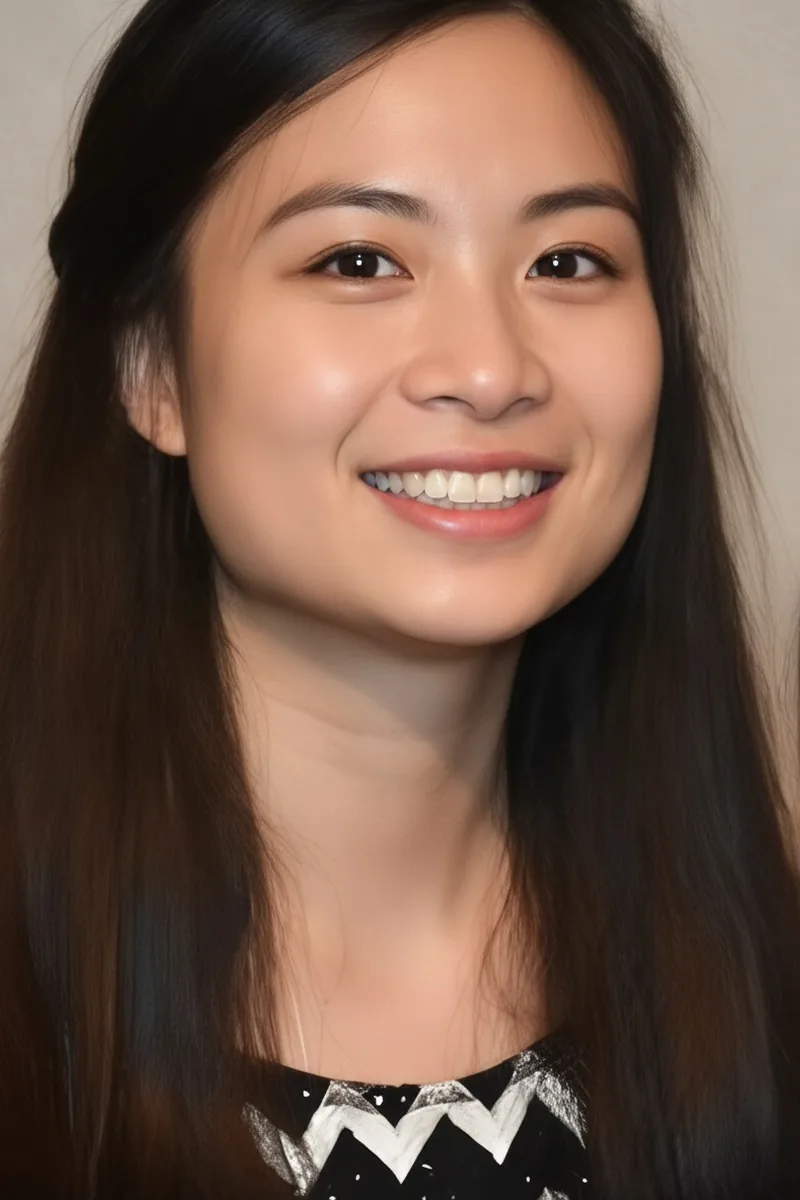
Rice University's Biochemistry and Cell Biology program forced Michelle to master biology at the molecular level — protein interactions, metabolic regulation, signal transduction — before she ever set foot in medical school at Baylor. Now in her second year of clinical training, she teaches topics like gene expression and cellular energetics by connecting them to the disease mechanisms she's actively studying, which gives students a concrete reason to care about each pathway.
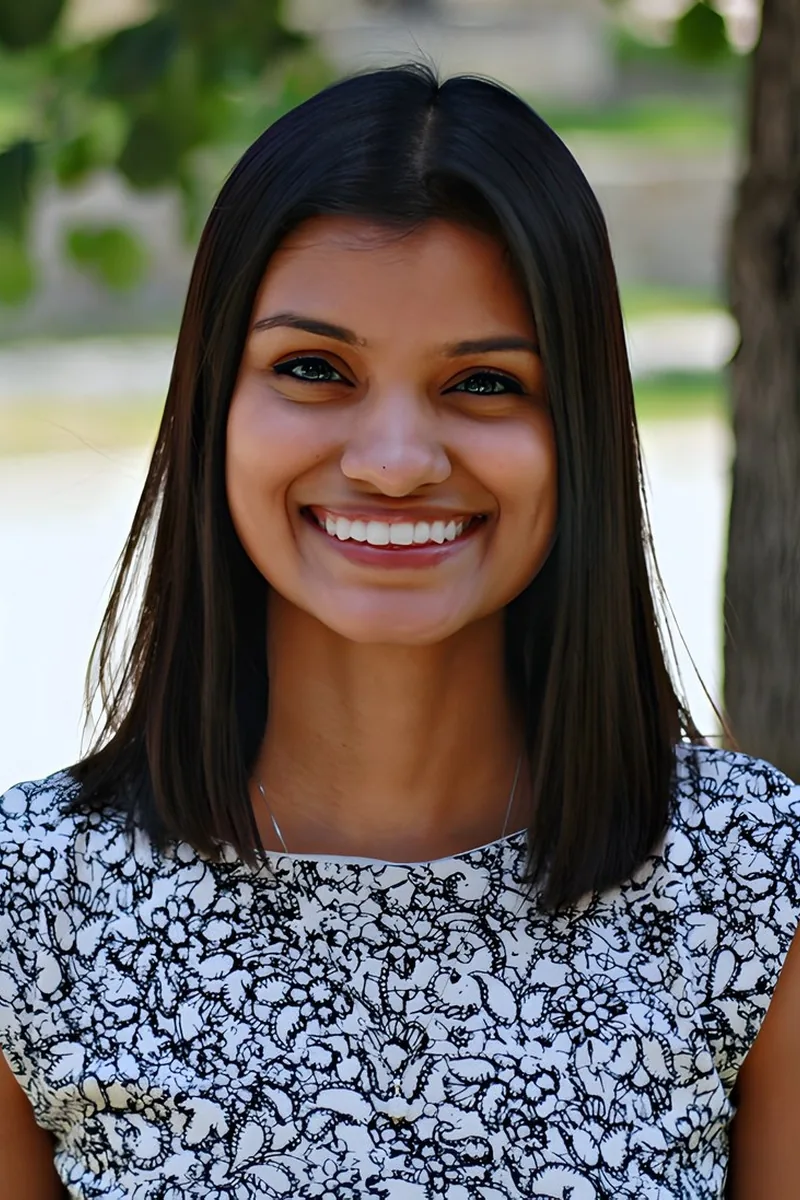
Sugi's dual undergraduate degrees in Cognitive Science and Biochemistry & Cell Biology at Rice mean she studied living systems from two directions at once — the molecular machinery inside cells and the neural architecture that emerges from it. Now a fourth-year medical student at Baylor, she teaches biology by linking foundational topics like signal transduction or gene expression to the cognitive and clinical contexts that make them stick. Rated 5.0 by students.
Studying molecular, cellular, and developmental biology in college — and now pursuing an MD at Stanford — Maggie knows biology at a level of detail that lets her explain not just what happens in a cell but why. She digs into topics like gene expression, membrane transport, and ecological relationships with the kind of mechanistic thinking that turns memorization into understanding. Her MCAT preparation experience also means she knows which biological concepts get tested hardest and how.
A human biology degree from Cornell means Jonathan didn't just study biology — he lived in it, from cellular respiration and DNA replication to organ system physiology and evolutionary theory. He teaches by connecting molecular-level details to big-picture biological questions, which is exactly the skill that separates students who understand biology from those who merely memorize it. Currently pursuing graduate work in human development, he keeps that knowledge sharp and current.
Jake's Human Biology concentration at Stanford — with its focus on health policy — means he studies biological systems through the lens of real-world outcomes, which gives his teaching a practical edge when covering topics like genetics, immunology, or human physiology. He breaks down dense material by connecting it to the health scenarios that make it relevant, and his 5.0 client rating speaks to how well that approach lands.
Jessy is currently studying biosciences at Rice on a premed track, which means biology isn't a subject she once learned — it's one she's actively deepening every semester. She unpacks topics like cell structure, DNA replication, and evolution by connecting them to real research and clinical examples that make the material stick. Her tutoring experience spans middle and high school students, so she adjusts the depth to match each course level.
Studying neuroscience and psychology on the pre-med track at Rice means Aditi encounters biology from the brain outward — tracing how neural circuits depend on cell signaling, how gene expression shapes behavior, and how organ systems maintain the homeostasis that keeps it all running. That perspective makes her especially effective at teaching the connections between biological systems rather than treating each chapter as its own silo. Rated 4.8 by students.
Understanding biology means seeing how systems interact — how DNA transcription leads to protein function, how organ systems maintain homeostasis, how energy flows through ecosystems. Tegan's biosciences coursework at Rice gives her a deep, current grasp of these connections that she translates into clear explanations for high school and introductory-level students.
Studying biochemistry and molecular biology at Rice gave Sanjay a deep, mechanism-level understanding of biology — from signal transduction and gene expression to cellular respiration and membrane transport. He unpacks these processes step by step, linking molecular details to the bigger-picture physiology that ties a biology course together.
Zhengdong's physics PhD gives him an unusual entry point into biology — he thinks in terms of energy transfer, diffusion gradients, and systems dynamics, which means topics like membrane transport, action potentials, and thermoregulation get explained with a quantitative precision that most biology tutors skip. That physics-first perspective is especially useful for students who find purely descriptive explanations unsatisfying and want to understand the mechanics driving biological processes.
From a computational neuroscience lab at Hopkins to a genome editing lab at Rice, Emmanuel has worked with biological systems at scales ranging from neural circuits down to individual DNA sequences — experience that gives him an unusually concrete grasp of how textbook topics like gene expression or signal transduction actually play out in practice. His behavioral biology degree ties those molecular details back to organism-level outcomes, so students see how a concept like synaptic plasticity connects the cellular machinery to the behavior it produces. Rated 5.0 by students.
I am most passionate about biology and chemistry. I am a firm proponent of education, believing it to be absolutely necessary for an improved quality of life, and I try to impart this appreciation to all of my students.
Biomedical engineering at Brown means Layla works at the intersection of biology and engineering every day — dissecting how biological systems like immune responses or tissue mechanics actually function at the molecular and cellular level. That engineering lens gives her a knack for breaking down dense topics like signal transduction or gene regulation into clear, logical steps rather than walls of terminology. Rated 5.0 by students.
Raj is a Biochemistry and Molecular Biology major at Rice University, which means topics like cellular respiration, DNA replication, and enzyme kinetics aren't abstract textbook concepts — they're the core of his daily coursework. He breaks down complex biological systems into manageable pieces and emphasizes the "why" behind each process so the details actually stick. Rated 5.0 by students.
As a Biochemistry & Cell Biology major at Rice, Jennifer doesn't just remember biology — she's actively immersed in it, from molecular genetics to cellular metabolism. She teaches students to build concept maps that link processes together, so photosynthesis and cellular respiration stop feeling like separate chapters and start looking like two halves of the same energy cycle. Rated 4.9 by students.
Emily's biochemistry and cell biology degree — plus her current research position at UTHealth — means she teaches biology with the kind of depth that comes from working with living systems daily. She's especially strong on cellular processes like mitosis, signal transduction, and gene expression, connecting textbook diagrams to what actually happens at the bench.
Kendall's coursework spans both the sciences and the humanities — she's taken AP Biology and AP Chemistry alongside a liberal arts degree focused on gender and sexuality studies, which means she's practiced translating dense scientific material into clear, well-organized arguments and explanations. That cross-training is especially useful for biology topics like genetics, evolution, and human reproduction, where understanding the concepts well enough to write and reason about them matters as much as memorizing the diagrams. Rated 4.9 by students.
Kinjal's IB Programme background means she first learned biology through the kind of rigorous, inquiry-driven curriculum that most students find intimidating — internal assessments, extended essays, and all. Her biology degree from Texas A&M deepened that foundation into areas like microbiology and biochemistry, and she's especially effective at breaking down dense topics like metabolic pathways or heredity patterns into clear, logical steps. Rated 5.0 by students.
Cognitive science at Rice University means Natalie studies the brain from multiple angles — psychology, neuroscience, and the biological systems that underpin cognition — which gives her a distinctive entry point into topics like nervous system function, cellular signaling, and genetics. Her pre-med coursework layers on the biochemistry and molecular biology that tie those concepts together, so she can teach a unit on, say, gene expression by connecting it to the physiological outcomes students will see again in later courses.
As a biochemistry and cell biology major at Rice, Malcolm lives inside the material most biology students are encountering for the first time — from cellular respiration pathways to DNA replication mechanics. He teaches by linking processes together so students see how, for example, transcription feeds into translation, rather than treating each topic as an isolated chapter to memorize.
Three biology degrees give James an unusual depth of exposure to the subject — he's covered the material from multiple angles, which sharpens his ability to explain everything from ecological relationships to molecular genetics without defaulting to a single textbook's framing. He pairs that biological fluency with strong quantitative skills (1500 SAT, GRE Quant experience), making him especially effective at tackling the data-analysis and experimental-design questions that trip up students who treat biology as pure memorization. Rated 4.8 by students.
Studying biomedical engineering at Rice means Theresa lives at the intersection of biology and quantitative analysis — she can explain cell signaling, membrane transport, or DNA replication and then show how those systems get modeled mathematically. That dual perspective makes complex biological processes feel more logical and less like a wall of vocabulary to memorize.
Teaching biology at both the high school and college level gave Kelsey a clear picture of where the subject shifts from memorization to genuine understanding — usually around cell signaling, genetics, and evolution. Her cellular and molecular biology degree means she can zoom in on mechanisms like DNA replication or enzyme kinetics with real precision, then zoom back out to show how they fit the bigger picture.
David's research sits at the intersection of natural science and social science, which gives him an unusual angle on biology — he understands both the molecular mechanisms and the broader frameworks that organize them. He's especially effective at unpacking concepts like cell signaling, genetics, and evolutionary theory by tying them back to the quantitative reasoning students often overlook in bio courses.
As a pre-med cognitive science major, Nikit lives at the intersection of biology and brain science — cell signaling, genetics, and molecular biology are part of his daily coursework. He unpacks dense biological processes by mapping out cause-and-effect chains that make topics like cellular respiration or DNA replication easier to reason through than to memorize.
Casey's bioengineering degree means she studied biology as something to be built with and designed around — understanding cellular mechanics, tissue behavior, and physiological systems not just conceptually but quantitatively, the way an engineer would. That perspective is especially useful for students wrestling with topics like cell metabolism or organ-system integration, where seeing the functional logic behind each process makes the details far easier to retain.
A statistics major at Rice University, Michael approaches biology with the quantitative rigor that most life-science tutors skip — he's especially sharp on topics like population genetics, Hardy-Weinberg equilibrium, and interpreting experimental data in lab reports. He teaches the subject as a system of testable patterns rather than a catalog of terms to memorize, which tends to click for students who think in numbers. Rated 5.0 by students.
Brian's PhD in Microbiology and years as a research associate at the Botanical Research Institute of Texas mean he teaches biology from the perspective of someone who's spent real time at the bench — culturing organisms, designing experiments, and observing biological processes firsthand. That lab fluency is especially useful when unpacking microbial ecology, host-pathogen interactions, or the way plant and microbial systems overlap in ways most textbooks barely touch. Rated 5.0 by students.
Enstin's biology knowledge goes well beyond survey-level coursework — he studied it intensively at Rice as part of his pre-medical preparation and will be attending medical school. That depth means he can explain cellular respiration, genetics, and ecology not as isolated chapters but as interconnected systems. He pushes students to think about *why* a biological process works, which makes exam answers come naturally.
Few biology tutors can walk a student from DNA replication through protein folding and then explain what happens when those processes go wrong in a living patient. Jordan does exactly that — her neuroscience degree and medical residency give her a clinician's perspective on cell biology, genetics, and physiology that turns textbook diagrams into stories with real stakes.
From cell signaling cascades to Mendelian genetics to ecological energy pyramids, biology demands both big-picture thinking and attention to molecular detail. Enoch lives in that intersection daily as a biomedical science major accepted into Texas A&M's medical school, and he brings that depth when walking through topics like DNA replication, protein synthesis, or organ system physiology.
Roni's mechanical engineering coursework at Brown covers thermodynamics, fluid mechanics, and material behavior — subjects that overlap with biology more than most students expect, especially when it comes to energy transfer in cellular respiration or the physics of circulatory and respiratory systems. That engineering mindset means she teaches biological processes as systems with inputs, outputs, and feedback loops, which tends to click for students who struggle with pure memorization.
Researching 3D hydrogels for tissue engineering at Rice University means Mariane lives at the intersection of cell biology, molecular biology, and biochemistry every day. She unpacks everything from membrane transport to gene expression by connecting textbook diagrams to what actually happens at the bench — the kind of context that turns memorization into understanding. Rated 4.9 by students.
A biology degree taught Anna that the subject isn't just memorization — it's learning to trace cause and effect across scales, from DNA transcription inside a single cell to nutrient cycling in an ecosystem. She digs into topics like genetics, cell division, and evolution by asking students to explain mechanisms in their own words, which exposes gaps that flashcards never catch.
Studying kinesiology and physical therapy at the doctoral level means Alyssa has spent years deep in cell biology, genetics, organ systems, and ecological principles — not just memorizing them for an exam but applying them clinically. She teaches biology by linking molecular-level processes to how whole organisms actually function, which makes dense material like cellular respiration or DNA replication far easier to retain.
Paris's psychology and neuroscience coursework at Texas A&M means she's constantly working with biology from a systems perspective — tracing how neural signaling, hormonal regulation, and cellular processes converge to produce behavior. That angle is especially useful for students who struggle to see the point of memorizing, say, action potential steps or endocrine feedback loops, because she can immediately show where each mechanism leads. Rated 5.0 by students.
Completing all her pre-med coursework at NYU while earning a finance degree means Hanna has fought through biology from both sides — the conceptual depth that medical school demands and the structured problem-solving a quantitative major trains. She's particularly strong at breaking down physiology and anatomy topics, connecting how organ systems function at the cellular level to what students actually need to reproduce on an exam. Her 1550 SAT and classroom teaching experience in Houston round out a tutor who knows how to make dense material stick.
As an incoming medical student with a strong science background, Jasmine teaches biology with an eye toward how living systems actually connect — cell structure to organ function, DNA replication to inheritance patterns. She's particularly skilled at turning dense topics like cellular respiration or the immune response into clear, logical sequences that stick.
Shreya earned her biology degree at Brown and served as a teaching assistant for advanced courses like genetics, so she knows exactly where students stumble — whether it's tracing allele inheritance, diagramming cellular respiration, or distinguishing mitosis from meiosis. She breaks complex processes into visual, step-by-step pathways instead of expecting students to memorize entire chapters at once.
Courage holds degrees in both Computer Science and Biological/Physical Sciences, plus a master's in Environmental Science — a combination that means he's studied living systems from the molecular scale of cell biology and microbiology all the way up to ecosystem-level ecology. That breadth shows up in how he teaches: a topic like nutrient cycling isn't just a diagram to label, it's a thread he can pull from soil microbes through plant biology to large-scale environmental dynamics, giving students a reason to connect chapters they'd otherwise study in isolation.
Testimonials
Because the right Biology tutor makes all the difference.
Average Session Rating – Based on 3.4M Learner Ratings
Practice Biology
Free practice tests, flashcards, and AI tutoring for Biology
Nearby Biology Tutors
Other El Paso Tutors
Related Science Tutors in El Paso
Frequently Asked Questions
Biology students often struggle with three key areas: memorizing complex terminology and anatomical structures without truly understanding them, visualizing abstract concepts like cellular processes and molecular interactions, and applying theoretical knowledge to real-world scenarios and lab work. Personalized tutoring helps bridge these gaps by connecting concepts to practical examples, breaking down difficult topics into manageable pieces, and building genuine understanding rather than relying on rote memorization.
Yes. Expert tutors can help you understand the scientific method, design experiments, interpret data, and write lab reports effectively. They can also help you grasp the concepts being tested in your lab work, so you understand not just what you're doing, but why you're doing it and what your results mean. This deeper understanding translates directly to better lab performance and stronger grades.
Personalized tutoring focuses on building conceptual understanding by connecting abstract ideas to visual models, real-world examples, and hands-on applications. Instead of memorizing that mitochondria is the "powerhouse of the cell," a tutor helps you understand energy production at a molecular level, why this matters, and how it relates to other cellular processes. This approach not only improves test performance but also makes Biology more engaging and prepares you for advanced courses.
Varsity Tutors connects El Paso students with expert tutors across all Biology topics, including cell structure and function, genetics, evolution, ecology, photosynthesis and cellular respiration, human anatomy and physiology, and the scientific method. Whether you're in a general Biology class, AP Biology, or a specialized course, tutors can tailor instruction to your specific curriculum and learning goals.
Your first session is a chance for you and your tutor to get to know each other and identify your specific challenges. The tutor will assess your current understanding of Biology concepts, learn about your learning style, and discuss your goals—whether that's improving a specific grade, preparing for the AP exam, or building confidence in lab work. From there, they'll create a personalized plan to help you succeed.
Expert tutors use multiple strategies to make abstract concepts concrete: drawing diagrams of cellular structures, using analogies to connect unfamiliar ideas to things you already know, working through step-by-step processes, and sometimes using digital tools or models. For example, understanding photosynthesis becomes much clearer when you can visualize electron transport chains and see how light energy converts to chemical energy. This visual and kinesthetic approach helps concepts stick in your long-term memory.
Absolutely. Beyond content knowledge, expert tutors help you develop critical scientific reasoning skills like forming hypotheses, designing experiments, analyzing data, and drawing evidence-based conclusions. These skills are essential for success in Biology and in any science field. Tutors guide you through the scientific method in practice, helping you think like a scientist rather than just memorize facts.
Getting started is simple: tell us about your Biology goals and what you're struggling with, and we'll match you with an expert tutor who fits your needs and schedule. You can begin with personalized 1-on-1 instruction tailored to your specific challenges, whether that's understanding photosynthesis, preparing for an exam, or mastering lab skills. Your first session is your opportunity to see if the match works and start making progress.
Let’s find your perfect tutor
Answer a few quick questions. We’ll recommend the right plan and match you with a top 5% tutor.