Award-Winning Writing Tutors
serving Nashville, TN
Award-Winning
Writing
Tutors in Nashville
Private 1-on-1 tutoring, weekly live classes for academic support, test prep & enrichment, practice tests and diagnostics, and more to elevate grades and test scores.
Based on 3.4M Learner Ratings
UniversitiesSchools & Universities
DeliveredHours Delivered
ProficiencyGrowth in Proficiency
Who needs tutoring?
No obligation. Takes ~1 minute.
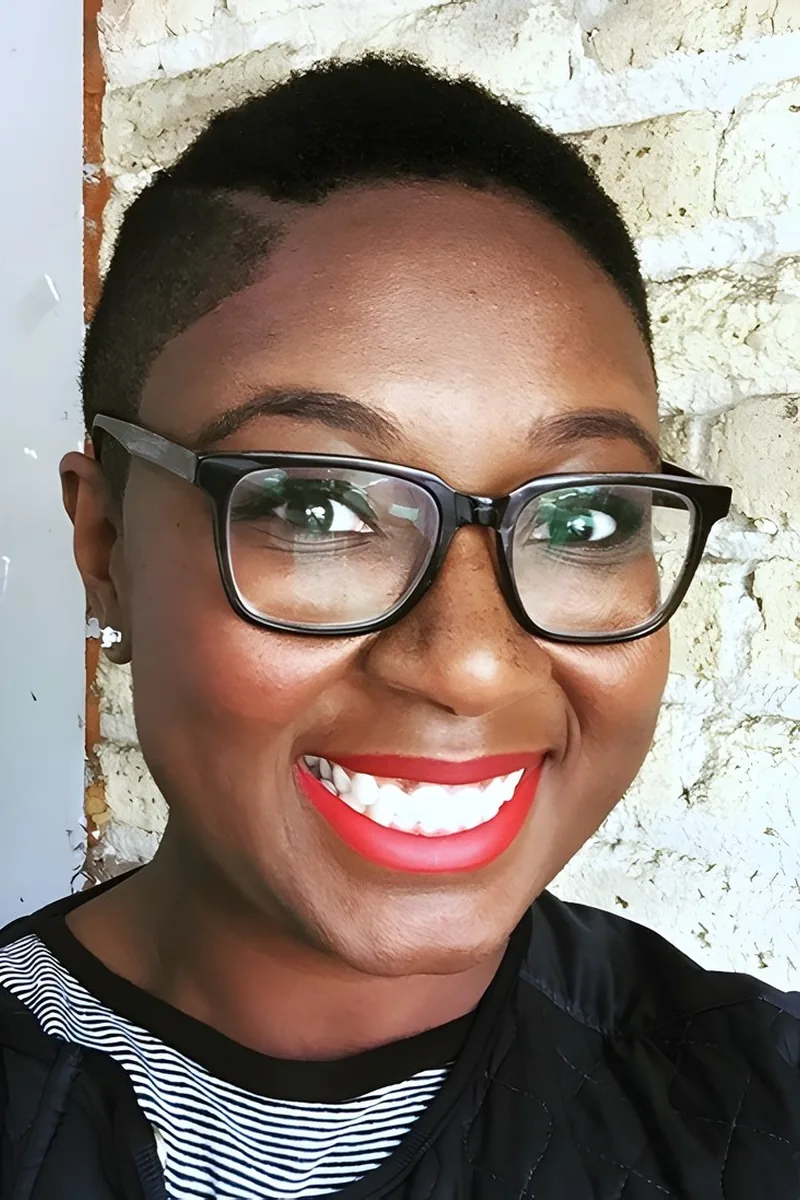
The hardest part of writing isn't grammar — it's figuring out what you're actually trying to say and then organizing evidence around that claim. Brittney tackles this by teaching students to outline arguments before drafting, develop thesis statements that do real analytical work, and revise with purpose. Her Princeton training in Comparative Literature means she's comfortable coaching writing across disciplines, from personal narratives to research papers.
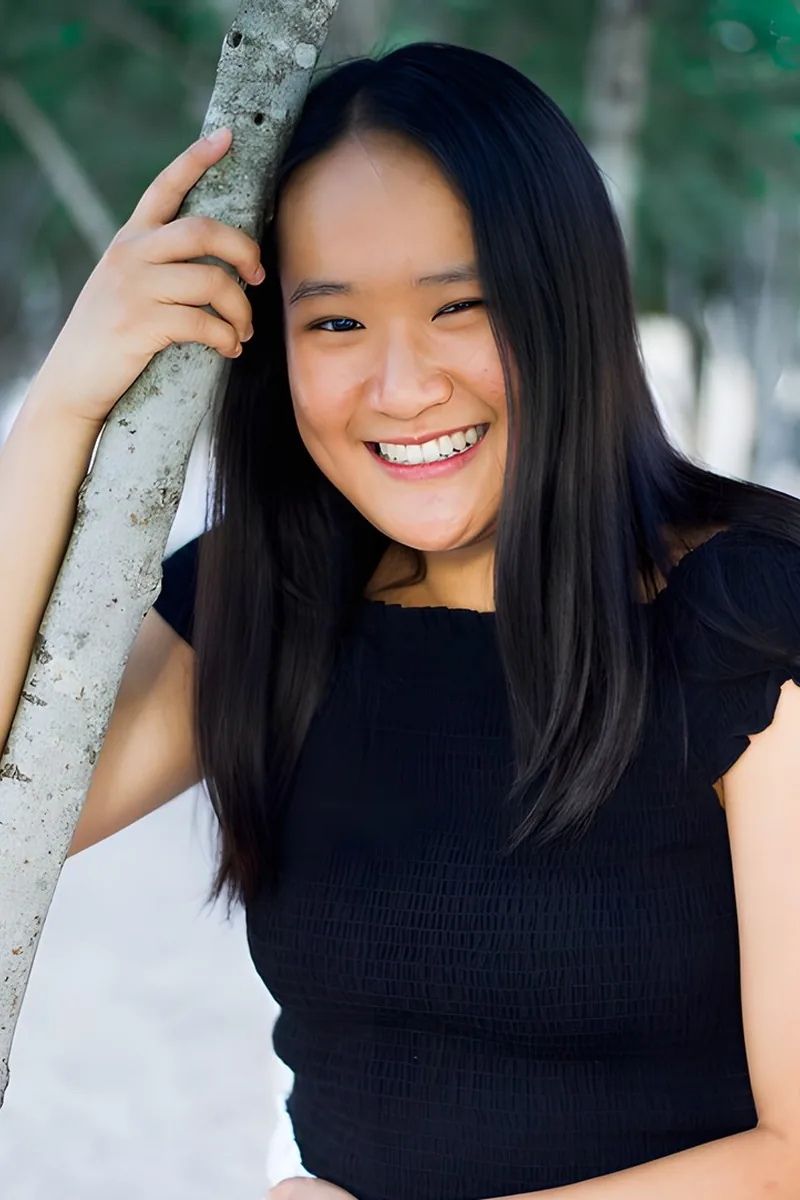
Staring at a blank page is usually a planning problem, not a writing problem. Eileen teaches students to outline their argument before drafting, which makes thesis statements sharper and body paragraphs easier to organize. From persuasive essays to research papers, she emphasizes building each paragraph around a single claim supported by specific evidence.
The hardest part of writing isn't grammar — it's figuring out what you're actually trying to say and organizing it so a reader follows effortlessly. Heather breaks the writing process into concrete steps: developing a clear claim, selecting evidence, building paragraph-level coherence, and revising for voice. Her own love of writing, from academic essays to creative work, means she teaches the craft rather than just correcting mistakes.
Every strong piece of writing starts with a clear argument, and Kit's pre-law training at Vanderbilt has made constructing and defending arguments second nature. He walks students through the full process — from building a thesis that actually takes a position, to organizing evidence logically, to revising sentences until they say exactly what they mean.
Between college application essays, technical reports for his Vanderbilt engineering courses, and business writing for the tutoring company he founded, Rhamy has tackled nearly every genre a student might encounter. He teaches the full arc of the writing process — brainstorming a thesis, organizing supporting evidence, drafting clean paragraphs, and revising with purpose rather than just fixing commas.
Alexander treats writing as argument-building: before a student types a single sentence, he walks through how to stake a clear claim, select evidence, and structure paragraphs so each one advances the thesis. His dual training in history and business at Vanderbilt means he's equally comfortable coaching a research paper and a persuasive op-ed. Students leave sessions with concrete revision strategies, not just vague feedback.
Mary's background sits at the intersection of language science and written expression — her SLP training at Vanderbilt covers how people organize and produce language, while her undergraduate research in linguistic relativity explored how language shapes thought itself. That combination makes her especially effective at teaching students to move from scattered ideas to coherent, well-structured prose. She holds a 5.0 rating.
I'm a 24 year old student of life that graduated from Vanderbilt University in 2014. My first experience with tutoring came 5 years ago when I opened a branch of ACT prep tutoring for Revolution Prep. At that time, I taught small classes of 5-9 students and also worked as a private tutor. I absolutely love to learn and am fulfilled by guiding students to reach their maximum potential.
Getting ideas out of your head and onto the page in a coherent, compelling way is a learnable skill, not a talent you're born with. Ruiy breaks the writing process into concrete steps — brainstorming, outlining, drafting, revising — and teaches students how to self-evaluate their own work so they improve between sessions, not just during them.
Getting ideas onto the page is one challenge; organizing them into a persuasive, well-structured piece is another entirely. Miah walks students through the full arc of the writing process — from brainstorming and outlining to crafting thesis statements that actually drive an argument forward. Her background in political science means she's especially sharp on argumentative and analytical writing.
Good writing is really rewriting, and Caroline treats every session as a workshop where students learn to evaluate their own drafts critically. Her double-minor background in English and Business at Vanderbilt means she can coach everything from analytical essays to persuasive writing, with particular attention to thesis development, paragraph structure, and finding an authentic voice.
Strong writing starts with having something specific to say and knowing how to organize it so a reader follows effortlessly. Leanna teaches the craft behind that — thesis construction, paragraph architecture, evidence integration — across academic essays, creative pieces, and personal narratives. Her cognitive science training at Vanderbilt also gives her practical strategies for beating writer's block and structuring the drafting process itself.
Getting ideas onto the page is one challenge; organizing them into clear, persuasive prose is another. Kaitlyn breaks the writing process into concrete stages — brainstorming, outlining, drafting, and revising — so students build real confidence with each step rather than staring at a blank screen. Her Creative Writing degree at Vanderbilt keeps her immersed in craft daily.
Clear writing starts with clear thinking, and Marjorie tackles both simultaneously. She digs into outlining and thesis construction before a student types a single sentence, then teaches revision techniques like reading paragraphs out of order to check whether each one earns its place. Her experience spans persuasive essays, technical writing, and personal narratives, so she adapts her feedback to whatever genre a student is working in.
I am able to create quality, yet comprehensive curriculum for my students that will thrust them to succeed. I am very detailed oriented, creative, and have a passion for ensuring student success. It is my endeavor to combine my range of experience with my wealth of education. This includes being a loving, motivating, supporting, fun, and integral educator who will make a positive contribution to each student. I want to help all students build confidence, which will enhance their self esteem as well as personal values. Reaching this objective will directly reflect in the progression of their academic success.
Strong writing starts with knowing what you're trying to say and then figuring out the clearest way to say it — which sounds simple but requires real practice with structure, evidence, and revision. Mary's BA in English paired with her Vanderbilt Masters in Learning and Design means she teaches the craft of drafting and rewriting as a deliberate, repeatable process rather than an abstract talent.
Good writing starts with knowing how to organize a thought before putting it on paper — outlining an argument, choosing evidence, and revising for clarity. Jessica teaches each of these steps as a distinct skill, breaking the writing process into manageable pieces so students stop staring at blank pages. Her education training at Vanderbilt gives her a toolkit of strategies for writers at every level.
Strong writing starts with knowing what you're actually trying to argue before worrying about word choice or grammar. Ryan teaches students to outline a clear claim, support it with specific evidence, and revise for concision — skills he sharpens daily through graduate-level writing at Vanderbilt's MBA program. Whether the assignment is a five-paragraph essay or a research paper, he emphasizes structure first and polish second.
Publishing research papers and writing federal grant proposals requires a specific kind of discipline: building an argument from evidence, structuring sections so each one earns the next, and cutting anything that doesn't serve the thesis. Tristan brings that process to student writing, whether it's a five-paragraph essay or a college research paper, breaking drafts into claim, evidence, and analysis.
Most writing struggles aren't about grammar — they're about getting an idea organized enough to put on the page. Meredith teaches brainstorming, outlining, and drafting as distinct steps, then shows students how to revise with purpose. Her Creative Writing certificate at Sewanee means she knows how to coach both analytical essays and personal narratives.
A creative writing minor at Vanderbilt sharpened Julia's ability to teach the mechanics behind strong prose — thesis construction, paragraph cohesion, and revision strategies that turn rough drafts into polished essays. She approaches writing as a process of thinking clearly, which means her students learn to organize ideas before they ever worry about word choice.
Getting ideas out of your head and organized on paper is a skill, not a talent — and it's one Kate explicitly teaches. From brainstorming and outlining to paragraph development and revision, her behavior analysis background means she breaks the writing process into clear, repeatable stages that reduce the overwhelm many students feel staring at a blank page.
Every writing problem is really a thinking problem, and Carrie approaches drafts by asking what a student is actually trying to say before touching a single sentence. From there, she teaches concrete techniques — building topic sentences that do real work, cutting filler, varying syntax — that make ideas land on the page the way they sound in a student's head. Her Boston College English training anchors every session in both craft and clarity.
Darby earned an MA in Creative Writing from the University of Birmingham after completing an English degree on a creative writing track at Butler, so she's spent years inside the revision process. She teaches writing as a craft — tackling everything from thesis construction and paragraph architecture to voice and word choice — and tailors her feedback to whatever genre or assignment a student is working on.
The hardest part of writing is usually the fifteen minutes before any words hit the page. Ria tackles that blank-page paralysis by teaching outlining and thesis-building strategies that give students a clear direction before they start drafting. She writes extensively for her political science and economics coursework at Vanderbilt, so she brings practical, current experience to every session.
Good writing starts with knowing how to organize a messy idea into a clear argument — thesis structure, transitions, evidence integration. Charlotte breaks the drafting process into concrete steps so students can move from brainstorm to polished essay without getting stuck staring at a blank page. Her Child Development studies at Vanderbilt's Peabody College give her sharp insight into how different learners process and express ideas.
Strong writing starts with having something specific to say and knowing how to organize it on the page. Caitrin teaches students to build clear thesis statements, develop paragraphs with real evidence, and revise with purpose rather than just fixing commas. Her experience across age groups — from seven-year-olds to college students — means she adjusts her approach to match each writer's stage.
Most writing problems are really thinking problems — a muddled paragraph usually means the idea behind it isn't clear yet. Natasha's philosophy training makes her especially sharp at helping writers nail down their thesis before they worry about style, then layering in structure, evidence, and voice once the argument holds together. She's rated 5.0 by students.
Strong writing starts before the first draft — with a clear thesis and an outline that actually maps the argument. Jorge's economics training at UCF means he treats writing as structured persuasion, teaching students to build paragraphs around evidence and analysis rather than summary. Whether the assignment is a five-paragraph essay or a research paper, he zeroes in on clarity, logical flow, and precise word choice.
Getting an idea out of your head and onto the page is its own skill, separate from knowing what you want to say. Jeana tackles the full writing process — brainstorming, outlining, drafting, and revising — and teaches students to develop a voice that's specific and deliberate rather than vague. Her 5.0 rating speaks to how well that approach resonates.
Strong writing starts with having something specific to say and a clear reason for saying it — everything else is craft that can be taught. Elizabeth's political science training required constant persuasive writing under deadline pressure, from policy memos to research papers, and she brings that discipline to teaching thesis construction, evidence integration, and revision strategy. Whether the assignment is a personal narrative or an argumentative essay, she tackles the thinking behind the writing first.
Between songwriting, two screenplays, and a growing stack of short fiction, Katie has logged serious hours wrestling with blank pages across wildly different formats. That range means she can teach the fundamentals — thesis development, structure, tone, evidence use — while also showing students how to make their writing sound like them instead of like a template.
Good writing is really rewriting, and Emily learned that lesson across a decade of academic publishing at the doctoral and postdoctoral level. She teaches students how to build a clear argument, organize evidence logically, and revise their own drafts with a critical eye — whether the assignment is a five-paragraph essay or a college application personal statement.
I'm an Iowa native who moved to Nashville for graduate school. My background is in the life sciences; I have a Masters from Vanderbilt in Chemical and Physical Biology, and my undergraduate degree is in Biochemistry. However, my education has been well rounded and I have interests in philosophy, literature, writing, and history. I have extensive research experience, and I hope to share my passion for science with students. I have experience mentoring undergraduate students during my graduate school education to help them gain research experience. I am a very patient teacher and have the ability to see problems from the students perspective; my tutoring style adapts to each student's individual needs, but centers on getting each student to come to their solutions rather than following any one formula for success. I have a lot of experience with standardized testing, and have taken multiple AP subject tests in addition to the ACT, SAT, and GRE examinations.
I am currently a sophomore pursuing a bachelor of arts degree in Medicine, Health, and Society. Being a student, Ive understood the frustration of not knowing what to do or who to turn to in the moment I dont understand something. This feeling can be very disheartening, but having the right person to guide you can make all the difference. For struggling students, I want to be that person to help them reach their full potential. In high school, I tutored people (mostly high school students like myself at the time) within the community, and it was personally rewarding every time I saw a student gain confidence in their studies.
I'm a sophomore at Vanderbilt University studying computer science, currently focusing on iOS and game development. I like growing as a person, but I find it much more interesting and rewarding to grow other people. Seeing a student change, not in intellect but in perspective, is fascinating. I like to focus more on concepts rather than memorization so that students will have the tools to excel in any facet of academia, beyond some random test that holds too much significance.
I am a second year student in the Vanderbilt University School of Engineering. I am double majoring in Math and Computer Science and minoring in Engineering Management. I frequently tutored my friends and peers throughout high school and continue to do so in my college courses. While in high school, I also volunteered for Higher Achievement, an Academic Enrichment program for middle school youth in D.C. During the summer session,I taught the SSAT and reading classes, acted as a teachers' assistant and tutored individual scholars. I am very passionate about STEM and advancements in the tech field. I strongly value education, something my parents instilled in me from a young age, and I hope to spread my love of learning and the doors that a strong education can open to those around me. I love all things sports and fitness and my favorite activities are biking, running and yoga.
I am a freshman at Vanderbilt University studying biochemistry and involved in analytical chemistry research. Despite my studies being very science oriented, I also enjoy studying English and the humanities. I'd be happy to tutor you in any of these areas!
I'm Karen, a sophomore in Vanderbilt's Peabody College of Education. I am double majoring in Secondary Education (middle and high school education) and European History with additional endorsements in US History and Political Science.
I am a junior at Vanderbilt University studying Child Development and Art History, and I have always had a passion for tutoring and mentorship. Although most of my tutoring experience has been for elementary students in reading and math, I am most excited about tutoring middle and high schoolers because the subjects that are learned during these times are so much more detailed, dynamic, and interesting! These were also the years where my love of learning really took shape, and getting the opportunity to foster this same love and appreciation for learning in other students excites me.
Testimonials
Because the right Writing tutor makes all the difference.
Average Session Rating – Based on 3.4M Learner Ratings
Nearby Writing Tutors
Other Nashville Tutors
Related English Tutors in Nashville
Frequently Asked Questions
Your first session is about understanding your specific writing goals and challenges. A tutor will review samples of your work, discuss what you're working on (essays, creative writing, standardized test prep), and identify areas like organization, thesis development, or grammar that need attention. This helps create a personalized plan tailored to your needs.
Tutors work with you on the fundamentals of essay architecture—developing a strong thesis, organizing supporting arguments logically, and crafting effective introductions and conclusions. Rather than just marking mistakes, personalized instruction helps you understand *why* structure matters and how to apply it to different types of essays, from literary analysis to persuasive writing.
Yes—revision is a core part of becoming a stronger writer. Tutors guide you through multiple drafts, helping you see your work with fresh eyes and make meaningful improvements beyond surface-level corrections. You'll learn strategies for self-editing, how to give and receive feedback, and how to revise for clarity, flow, and impact.
Absolutely. Whether you're learning MLA for high school or APA for college, tutors can teach you citation rules and help you apply them correctly in your papers. Beyond just formatting, they'll help you understand *why* citations matter and how to integrate sources smoothly into your writing.
Grammar is the technical foundation—correct punctuation, sentence structure, and usage. Writing voice and style go deeper: they're about how you express ideas, your word choices, and your unique perspective on the page. Expert tutors address both, helping you master grammar while also developing a stronger, more authentic voice in your writing.
Yes. Personalized writing instruction includes test-specific essay strategies for the SAT and ACT. Tutors teach you how to organize timed essays, develop arguments quickly, and meet grading rubrics—skills that transfer to classroom writing as well.
Strong writing about literature starts with careful reading. Tutors help you analyze texts deeply, identify themes and literary devices, and support interpretations with evidence from the text. This builds both your comprehension skills and your ability to write compelling analytical essays.
Writer's block is common, and tutors have strategies to help you overcome it. Whether through brainstorming techniques, freewriting exercises, or breaking assignments into manageable steps, personalized instruction helps you understand what's blocking you and develop a process that works for your thinking style.
Let’s find your perfect tutor
Answer a few quick questions. We’ll recommend the right plan and match you with a top 5% tutor.