Award-Winning Physics Tutors
serving Ann Arbor, MI
Award-Winning
Physics
Tutors in Ann Arbor
Private 1-on-1 tutoring, weekly live classes for academic support, test prep & enrichment, practice tests and diagnostics, and more to elevate grades and test scores.
Based on 3.4M Learner Ratings
UniversitiesSchools & Universities
DeliveredHours Delivered
ProficiencyGrowth in Proficiency
Who needs tutoring?
No obligation. Takes ~1 minute.
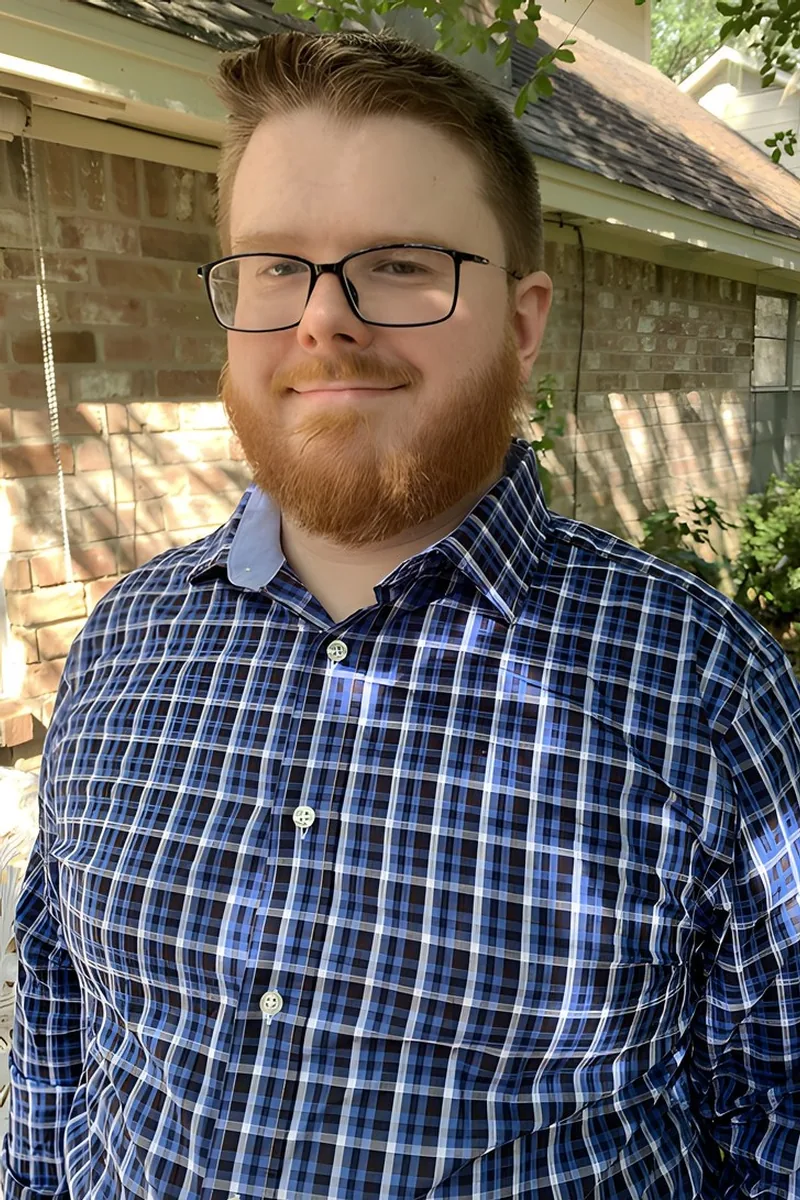
Michael holds a PhD in Physics from the University of Michigan and a BS from Rice, and he's spent years teaching everything from basic mechanics to advanced electrodynamics and special relativity. He's particularly effective at connecting abstract principles — like conservation laws or field theory — to real-world phenomena students can actually visualize. Rated 4.7 by students, he brings both deep subject knowledge and genuine teaching experience to every session.
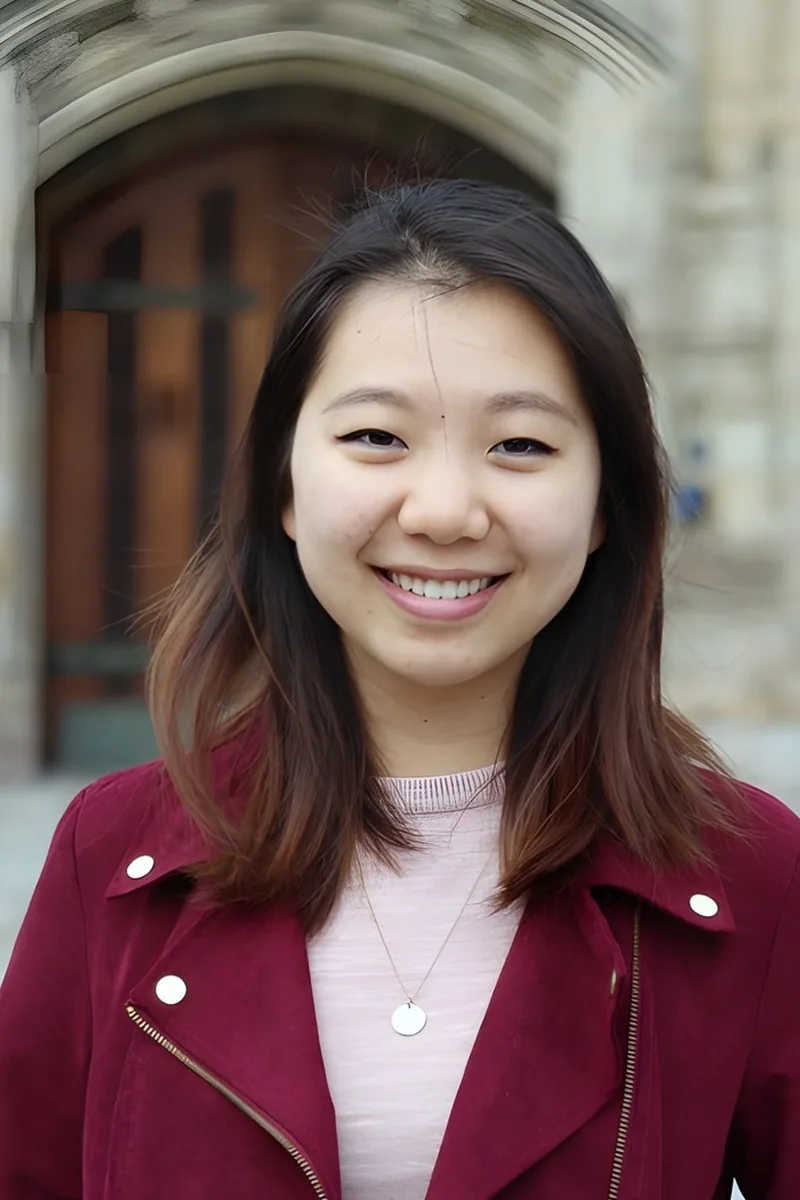
Studying environmental engineering at Yale, Megan applies physics principles — from Newtonian mechanics to thermodynamics — in her own coursework every week. She unpacks force diagrams, energy conservation, and wave behavior by tying each concept back to the underlying math, so students build real problem-solving ability instead of hunting for the right formula to plug into.
I am a learner for life and I love sharing my knowledge with others. I have tutored middle-school students for one year and university students for two years. My focus is mainly on mathematics, chemistry, and related fields. I have degrees in both mathematics and biomedical engineering so I cover a lot of ground in the physiological sciences, computer programming, and statistics as well. Taking tests is one of my strong points and I have some killer strategies to share!
Doing biomedical research at the NIH between third and fourth year of medical school means Uchenna still applies mechanics, thermodynamics, and wave principles regularly — from fluid dynamics in physiological systems to the physics behind imaging technologies. His biochemistry training at UMBC (magna cum laude) built the quantitative backbone that lets him trace a physics problem from the physical scenario through the math without skipping steps. Rated 4.9 by students.
Free-body diagrams, kinematics equations, conservation of energy — physics asks students to turn messy real-world situations into clean mathematical models. William does this daily as an automotive engineer, so he can walk through each problem type with the kind of intuition that comes from applying Newton's laws to actual systems, not just textbook blocks on ramps.
Samantha's biology coursework at Michigan covers the biophysics side — fluid mechanics in circulatory systems, pressure gradients across membranes, optics in vision — so she approaches introductory physics with concrete examples already in her back pocket. Her 35 ACT reflects the quantitative chops to handle the math-heavy side of kinematics and energy problems, and she teaches AP Physics 1 and 2 alongside calculus, so the overlap between concepts and computation stays tight.
A biochemistry major at the University of Michigan, Nicholas tackles physics from the perspective of someone who applies Newton's laws, energy conservation, and wave behavior across disciplines every week. He breaks multi-step problems into clear free-body diagrams and unit-analysis checks that keep students from getting lost in the math.
A dual background in chemistry and engineering gives Vazrik an unusual depth with physics — he doesn't just teach the equations for kinematics, energy conservation, or electromagnetism, he explains the physical reasoning that makes each law inevitable. Students working through mechanics or E&M problems with him learn to diagram a situation, identify the relevant principles, and set up solutions before ever reaching for a formula. Rated 4.7 by past students.
An applied physics degree doesn't just mean Juliane studied the subject — it means she spent years solving the exact kinds of force diagrams, energy conservation problems, and wave equations that students encounter in introductory and AP-level courses. She walks through each problem by identifying what physical principle applies before touching any math, which clears up the biggest source of confusion. Students preparing for AP Physics 1 or college-level mechanics get someone who genuinely thinks in physics.
A mechanical engineering degree is essentially a physics degree with blueprints — Justin spent four years applying Newton's laws, energy conservation, and rotational dynamics to real systems under real constraints. He teaches physics by connecting free-body diagrams and kinematics equations back to tangible scenarios like projectile motion or tension in a cable. That applied perspective makes problem-solving intuitive rather than formulaic.
A biomedical engineering degree means Adam spent years applying physics — from free-body diagrams and torque calculations to fluid dynamics in biological systems. He breaks down Newton's laws, energy conservation, and wave behavior by tying each concept to real engineering problems he's actually solved.
Testimonials
Because the right Physics tutor makes all the difference.
Average Session Rating – Based on 3.4M Learner Ratings
Practice Physics
Free practice tests, flashcards, and AI tutoring for Physics
Other Ann Arbor Tutors
Related Science Tutors in Ann Arbor
Frequently Asked Questions
Varsity Tutors matches Ann Arbor students with expert Physics tutors for 1-on-1 instruction. We pair each student with a tutor based on their specific needs, learning style, and goals.
Whether you need homework help, exam prep, or want to get ahead, our Physics tutors are ready to help.
Common challenges include gaps from earlier material, difficulty with specific concepts, and trouble applying learning to new problems. These issues can snowball quickly in Physics.
A tutor identifies where you're stuck, fills in gaps, and provides targeted practice. The 1-on-1 format means you get help exactly where you need it.
Tutors work with your student's actual coursework—homework assignments, class notes, and upcoming tests. This keeps tutoring directly relevant to what's happening in the classroom.
When you share information about your student's school and curriculum, we can match you with a tutor who has relevant experience.
All tutors complete background checks, credential verification, and teaching evaluation. Many of our Physics tutors hold advanced degrees or have years of teaching experience.
You can review tutor profiles to find someone with the right background for your student's level and needs.
Many students see improved grades within a few weeks, along with better understanding of Physics concepts and more confidence tackling challenging material.
Tutors track progress and adjust their approach to ensure continued improvement.
Most students benefit from 1-2 sessions per week. More frequent sessions help if your student is significantly behind or has an important exam coming up.
Your tutor can recommend a schedule based on your student's specific situation and goals.
Tutoring is purchased in packages of hours, with rates varying by tutor experience. Varsity Tutors offers several options to fit different budgets and needs.
You can discuss pricing during your consultation to find what works best.
Your tutor will assess where your student is, discuss goals, and start working on priority areas. Most students bring current homework or upcoming test material to focus on.
By the end, you'll have a clear sense of how the tutor can help and a plan for moving forward.
Let’s find your perfect tutor
Answer a few quick questions. We’ll recommend the right plan and match you with a top 5% tutor.