Award-Winning Literature Tutors
serving Springfield, MA
Literature
Tutors in Springfield
Private 1-on-1 tutoring, weekly live classes for academic support, test prep & enrichment, practice tests and diagnostics, and more to elevate grades and test scores.
Based on 3.4M Learner Ratings
UniversitiesSchools & Universities
DeliveredHours Delivered
ProficiencyGrowth in Proficiency
Who needs tutoring?
No obligation. Takes ~1 minute.
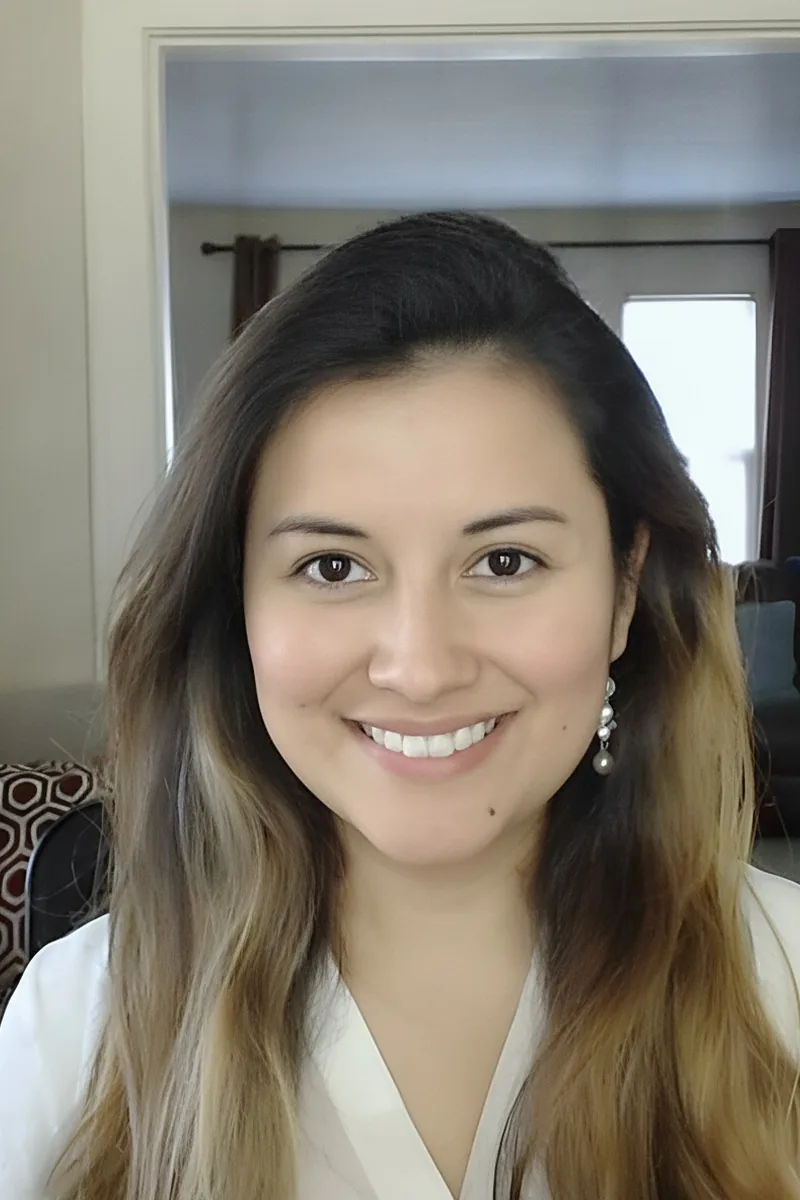
Vanessa's Harvard coursework in political philosophy trained her to read texts the way literature demands — pulling apart arguments, tracing themes across chapters, and interrogating what an author chooses not to say. She applies that same close-reading discipline to novels, poetry, and drama, teaching students to build interpretive claims grounded in textual evidence rather than surface-level summary.
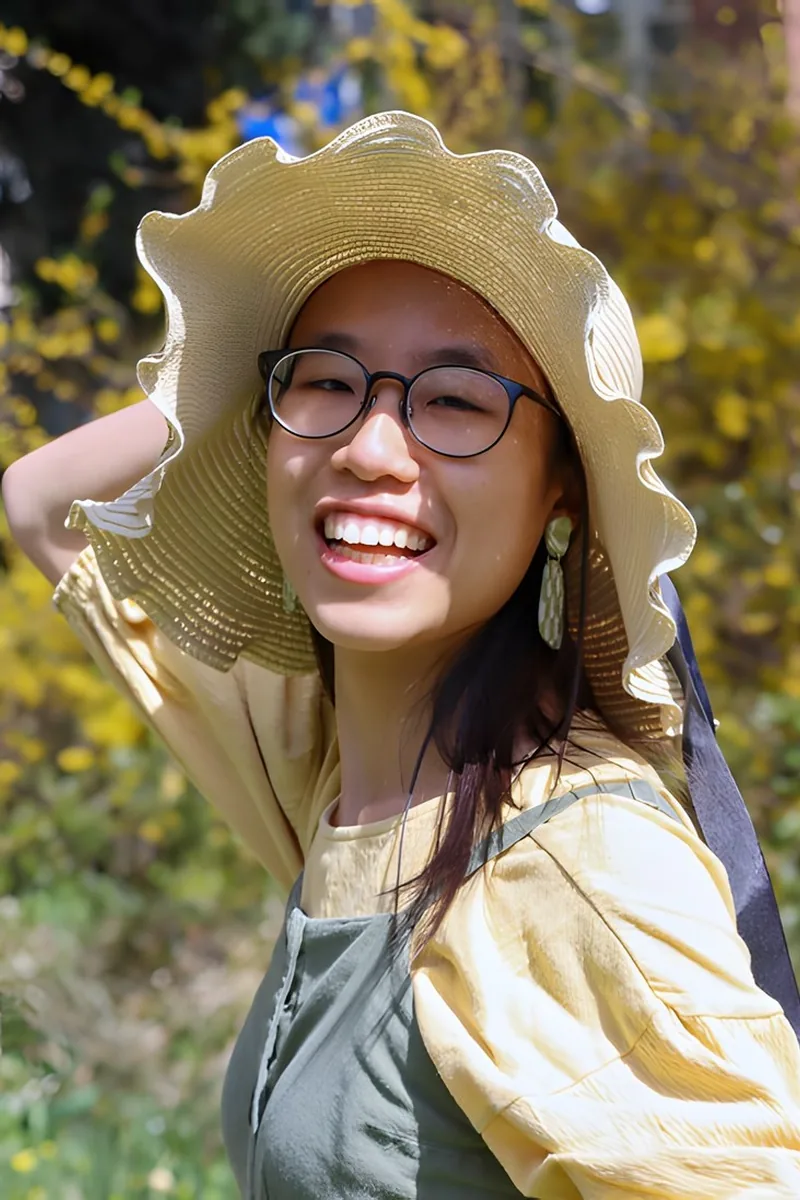
Reading a novel closely means learning to ask better questions — about unreliable narrators, recurring motifs, or why an author chose one structure over another. Yu's Harvard education training sharpened her ability to teach literary analysis as a skill students can practice and build, not a talent they either have or don't. She brings patience and genuine curiosity to every text, from Shakespeare to contemporary fiction.
Reading a novel and analyzing a novel are different skills, and most literature classes demand both at once. Samuel's linguistics background at Harvard sharpens his ability to dig into how authors use language — tone, diction, narrative structure — which translates directly into stronger close-reading essays and class discussions. He's particularly good at teaching students to build an argument around textual evidence rather than plot summary.
Reading a novel is one thing; unpacking how an unreliable narrator shapes meaning, or why an author chose free indirect discourse over first person, is another. Talia's dual focus on political science and history sharpened her ability to analyze texts for argument and context, and she brings that same close-reading rigor to poetry, fiction, and drama.
Reading a novel closely means asking uncomfortable questions about whose perspective is centered and what the text leaves unsaid. Alyssa's Harvard coursework in gender, sexuality, and public policy gives her a rich critical lens for analyzing everything from Gatsby's narrator reliability to Toni Morrison's use of fragmented timelines. She teaches students to build interpretive arguments grounded in textual evidence, not just plot summary.
Reading a novel for plot is one thing; analyzing how an author uses symbolism, narrative structure, or unreliable narration to build meaning is another skill entirely. Margaret studied literature at Princeton and teaches students to develop arguments about texts — pulling specific evidence from passages and connecting it to larger thematic claims in their essays.
Reading literature well means getting underneath a text — tracking how an unreliable narrator shifts tone, or why a poet chose one image over another. Kerry earned her B.A. at Cornell, where close reading across disciplines was the baseline expectation, and she brings that same analytical rigor to novels, poetry, and drama. She's especially skilled at teaching students to build interpretive arguments they can defend in essays and class discussions.
Reading a novel closely means noticing what an author does with point of view, imagery, and structure — not just summarizing what happens. Currently pursuing a PhD in American Literature at UConn after earning her degree at Cornell, Meghan brings genuine scholarly depth to discussions of everything from Romantic poetry to contemporary fiction. Her 5.0 rating speaks to her ability to make that depth accessible.
Unpacking a poem by Dickinson or a chapter of Beloved requires more than knowing literary terms — it means understanding how language itself creates meaning. Diana's linguistics degree gives her a unique lens for analyzing diction, syntax, and narrative structure in ways that go beyond standard classroom discussion. She teaches students to build interpretive arguments that hold up under scrutiny.
Studying writing at MIT meant analyzing literature from every angle — narrative structure, historical context, rhetorical strategy — often alongside classmates who approached texts like engineers dissecting a system. Marisa brings that same analytical rigor to poetry explication, novel analysis, and comparative essays, teaching students to build arguments from textual evidence rather than gut reactions.
Reading literature across cultures and time periods is exactly what Cassandra trained to do as a comparative literature major. She teaches students to dig into a text's formal elements — narrative voice, imagery, structural choices — and build interpretations grounded in evidence rather than summary.
Reading literature closely means learning to ask better questions — why does a narrator withhold information, how does sentence structure mirror a character's psychology, what work is a metaphor doing beyond decoration. Erica's Harvard degree in the history and philosophy of science trained her to analyze texts across genres and centuries, from Enlightenment treatises to modern narratives. She brings that analytical rigor to poetry, fiction, and drama alike.
Reading psychological thrillers for fun and analyzing texts for class aren't as different as they seem — both require tracking motifs, understanding unreliable narrators, and reading beneath the surface. Parita brings that same close-reading instinct to poetry explication, novel analysis, and literary argumentation. She teaches students to build interpretations from textual evidence rather than guessing at what the author "really meant."
Reading literature well means doing more than summarizing plot — it means noticing how an author's choices in structure, imagery, and point of view create meaning. Scott's interdisciplinary studies in sociology and theater give him a sharp eye for how texts reflect cultural contexts, and he brings that lens to everything from Shakespeare to contemporary fiction.
A University of Chicago education is built on close reading and argument, and that training shapes how Noel approaches literature — pulling apart a text's structure, tracking recurring imagery, and asking what an author gains from a particular narrative choice. Whether the assignment involves Toni Morrison or Shakespeare, he teaches students to build interpretive claims they can defend with textual evidence.
Benjamin reads literature the way his Harvard sociology coursework trained him to — by asking what a text reveals about power, identity, and social structures. Whether it's dissecting the unreliable narrator in The Great Gatsby or tracing themes of class in a Toni Morrison novel, he teaches students to build interpretive arguments that go beyond plot summary.
Reading literature well is really about asking better questions: why does the narrator withhold this detail, what does that recurring image accumulate over the course of the novel, how does the form of a poem shape its argument? Emma's history training at Northwestern taught her to read texts as arguments embedded in specific contexts, a skill she applies whether the assignment is Shakespeare, Toni Morrison, or a tricky passage on a standardized exam.
Reading a novel closely means noticing what an author does with structure, voice, and imagery — not just summarizing the plot. Maedeh's background as an avid reader and writer gives her a natural feel for literary analysis, whether a student is unpacking symbolism in *The Great Gatsby* or dissecting unreliable narration in a contemporary short story. She teaches students to build arguments about texts rather than just react to them.
Reading a poem or novel closely means asking what the author's choices accomplish — why Fitzgerald uses color the way he does, or how a sonnet's volta shifts the entire argument. Laura connects literary analysis to the kind of structured reasoning she honed studying economics, making it easier for students to move from gut reactions to well-supported interpretations.
Reading a novel is one thing; articulating what makes its structure, imagery, or point of view effective is another skill entirely. Rebecca's Notre Dame coursework in English and philosophy trained her to unpack texts from multiple critical lenses — historical, formalist, ethical — and she brings that range to discussions of everything from Shakespeare to contemporary fiction.
Reading a novel for class is one thing; building an argument about its themes, symbols, or narrative structure is where most students get stuck. Sydney's Carnegie Mellon training — a dual degree in Creative Writing and Vocal Performance, plus induction into Sigma Tau Delta — means she approaches literature from inside the craft, unpacking how authors make deliberate choices about point of view, imagery, and pacing. Rated 4.9 by students, she connects close reading to stronger analytical writing.
Lesleigh's PhD research at SMU sits at the intersection of ancient texts and Renaissance literature, so she's comfortable unpacking everything from Homer to Milton to contemporary fiction. She teaches students to read for structure — how imagery, narrative voice, and allusion work together — rather than just summarizing plot. Rated 5.0 by students.
Studying music at MIT alongside mechanical engineering gave Vania an unusual lens for literary analysis — she's trained to notice structure, rhythm, and how form shapes meaning. She applies that ear to close reading of poetry, novels, and drama, teaching students to build interpretive arguments grounded in textual evidence rather than vague impressions.
An English major at Harvard, Cindy digs into literary analysis the way it's meant to be done — examining how an author's choices in structure, imagery, and voice create meaning, not just summarizing plot. She teaches close-reading techniques that make even dense poetry or nineteenth-century novels feel approachable.
An avid reader and writer outside the classroom, Brice approaches literature by teaching students to trace how an author's choices — diction, structure, point of view — build meaning across a text. Whether the assignment involves close-reading a Shakespeare soliloquy or writing a comparative essay on two novels, he emphasizes constructing arguments grounded in specific textual evidence.
Teaching literature to 9th and 10th graders every day at a Cambridge prep school, Halley has built a repertoire for making dense texts accessible — whether that's unpacking symbolism in a novel or tracing how an author's rhetorical choices shape meaning. Her Dartmouth English degree and Stanford MA give her the academic depth to connect a classroom reading to broader literary movements and critical frameworks.
An avid reader and writer who lists books and writing among her core hobbies, Cori approaches literature through close reading — unpacking how an author's word choices, narrative structure, and imagery build meaning. Her analytical training as an MIT engineer gives her an unusually systematic way of constructing and defending interpretive arguments. She's especially effective at teaching students how to move from a vague reaction to a text toward a precise, evidence-grounded thesis.
A PhD in biomedical engineering means Michelle has spent years writing and defending arguments built on evidence — the same core skill that separates a sharp literary essay from a plot summary. She teaches students to zero in on how a specific passage's language or structure creates meaning, then build that observation into a claim they can back up on the page. Rated 5.0 by students.
Zachary reads literature the way his Harvard training taught him to: slowly, with attention to how a text's formal choices — narrative voice, imagery, sentence rhythm — carry its meaning. His background spans American, British, and classical literature, and he teaches students to build interpretive arguments from specific textual evidence rather than vague thematic summaries.
I'm excited to work with you or your child either on standardized test preparation or on generally improving performance in history, English, and social studies!
Reading a novel for class and actually analyzing it are two very different skills, and the gap between them is where most students lose points. Adriana breaks literary analysis into concrete moves: identifying how an author uses imagery, tracking shifts in tone across a passage, and building an argument about theme that goes beyond plot summary.
Reading literature closely means learning to ask why an author made a particular choice — why Fitzgerald uses the green light, why Morrison fractures her timeline. Kelly treats each text as something to argue with, teaching students to build interpretations grounded in specific passages rather than vague summaries. Her background in economics also gives her a sharp eye for the social and historical forces running beneath a narrative.
Reading is one of Natasha's lifelong hobbies, and she brings that genuine enthusiasm into close-reading sessions where students learn to trace themes, analyze narrative structure, and build interpretive arguments with textual evidence. Her engineering mindset adds an unexpected edge — she treats a literary passage like a system to decode, which clicks for students who think analytically.
Reading literature well means doing more than summarizing plot — it means noticing how an author's choices in diction, structure, and point of view shape meaning. Jean's sociology training at the undergraduate level sharpened her ability to analyze texts through cultural and historical lenses, a skill she brings directly to discussions of novels, poetry, and drama. She teaches students to build interpretive arguments grounded in textual evidence rather than gut reactions.
Reading literature analytically is surprisingly close to reading a scientific paper — both demand that you identify an argument, weigh the evidence, and question the author's choices. Connie's biology training at Northwestern built those close-reading instincts, and she applies them to poetry, novels, and drama by teaching students to unpack literary devices like imagery, tone shifts, and unreliable narration. Her approach turns vague "I liked it" reactions into precise, text-supported interpretations.
Reading a novel for class and actually analyzing it are two different things, and Andy bridges that gap by teaching students to dissect how authors use specific techniques — symbolism, narrative voice, structural choices — to build meaning. His background at an international school exposed him to literature across cultures, giving him a broader lens for discussion than a single-curriculum perspective.
Reading literature well means learning to ask better questions of a text — why does this narrator withhold information, what does this recurring image carry, how does structure shape meaning. Lena's English degree and MFA give her deep experience with close reading across genres, from Victorian novels to contemporary poetry. She teaches students to build interpretive arguments grounded in textual evidence rather than summary.
Reading mystery novels for fun taught Tina to notice foreshadowing, unreliable narrators, and structural choices that most readers breeze past. She brings that same close-reading instinct to poetry, drama, and prose analysis, teaching students how to build a literary argument from textual evidence rather than vague impressions. Her 5.0 rating speaks to how well that analytical approach clicks with students.
Reading a novel and analyzing a novel are two very different skills, and Elise's Comparative Literature degree from Dartmouth was built around the second. She teaches students to trace motifs, dissect narrative structure, and connect a text's formal choices — point of view, imagery, diction — to its larger themes. Whether the assignment is a Shakespeare play or a contemporary short story, she makes close reading feel like detective work.
Reading a novel and analyzing a novel are entirely different skills, and Alison teaches the second one explicitly. She digs into how authors use symbolism, narrative structure, and point of view to build meaning — whether a student is working through Shakespeare, Toni Morrison, or a challenging short story. Her curriculum background means she can adapt her approach to match what a particular class or exam demands.
Testimonials
Because the right Literature tutor makes all the difference.
Average Session Rating – Based on 3.4M Learner Ratings
Nearby Literature Tutors
Other Springfield Tutors
Related English Tutors in Springfield
Frequently Asked Questions
A literature tutor can help you develop strong reading comprehension, analyze complex texts, write compelling essays, and build critical thinking skills. Whether you're studying Shakespeare, contemporary novels, or poetry, tutors work with you on understanding themes, character development, and literary devices—plus they provide personalized feedback on your written analysis to help you strengthen your arguments and essay structure.
Tutors guide you through the entire writing process: developing a strong thesis, organizing your arguments, supporting claims with textual evidence, and revising for clarity and impact. Rather than just marking errors, they help you understand why certain structures work, how to build compelling arguments about literature, and how to develop your unique voice as a writer.
Absolutely. Many students find challenging texts overwhelming, but tutors break down complex passages, explain historical context, and teach you strategies for active reading and annotation. They help you identify key themes, track character development, and connect ideas across a text—building confidence and comprehension over time.
Your first session focuses on understanding your goals, current challenges, and reading level. Whether you're preparing for an exam, working on a specific essay, or building stronger literary analysis skills, the tutor will assess where you are and create a personalized plan. You might start with a text you're currently studying or discuss writing samples to identify areas for growth.
Yes. Tutors address both the mechanics of writing—grammar, punctuation, MLA or APA citation formatting—and the bigger-picture skills like thesis development and argumentation. They help you understand the difference between fixing errors and developing a stronger voice, so you're not just correcting mistakes but becoming a more confident writer overall.
Definitely. Varsity Tutors connects you with tutors who understand the texts and standards taught across Springfield's schools and districts. Whether you're reading assigned novels, studying poetry units, or preparing for AP Literature, tutors can align their support with what you're learning in class and help you master the material more deeply.
Writer's block is common, and tutors have strategies to help you move past it. They can help you brainstorm ideas, organize your thoughts before writing, create outlines, and break the writing process into manageable steps. Sometimes talking through your ideas with someone helps unlock what you want to say—and tutors are trained to ask the right questions to get you unstuck.
Varsity Tutors makes it easy to connect with qualified tutors for students in Springfield. You share your goals and availability, and we match you with a tutor who fits your needs. From there, you can schedule your first session and start building stronger reading, writing, and literary analysis skills right away.
Let’s find your perfect tutor
Answer a few quick questions. We’ll recommend the right plan and match you with a top 5% tutor.