Award-Winning College Essays Tutors
serving Springfield, MA
College Essays
Tutors in Springfield
Private 1-on-1 tutoring, weekly live classes for academic support, test prep & enrichment, practice tests and diagnostics, and more to elevate grades and test scores.
Based on 3.4M Learner Ratings
UniversitiesSchools & Universities
DeliveredHours Delivered
ProficiencyGrowth in Proficiency
Who needs tutoring?
No obligation. Takes ~1 minute.
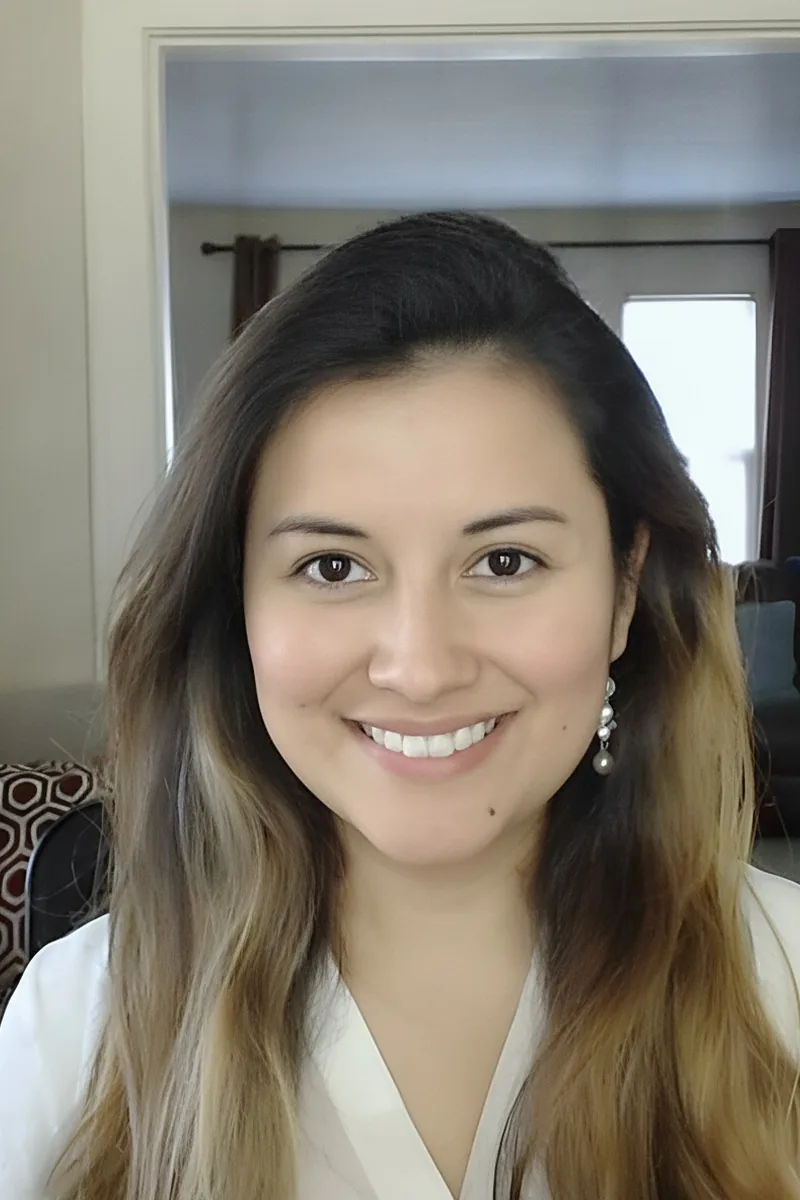
Having mentored students through applications to top universities in both the US and UK, Vanessa knows what admissions readers are actually looking for — a distinct voice, a specific story, and an argument for why this student belongs at this school. She walks applicants through every stage from brainstorming to final draft, sharpening the narrative arc that turns a good essay into a memorable one. Rated 5.0 by students.
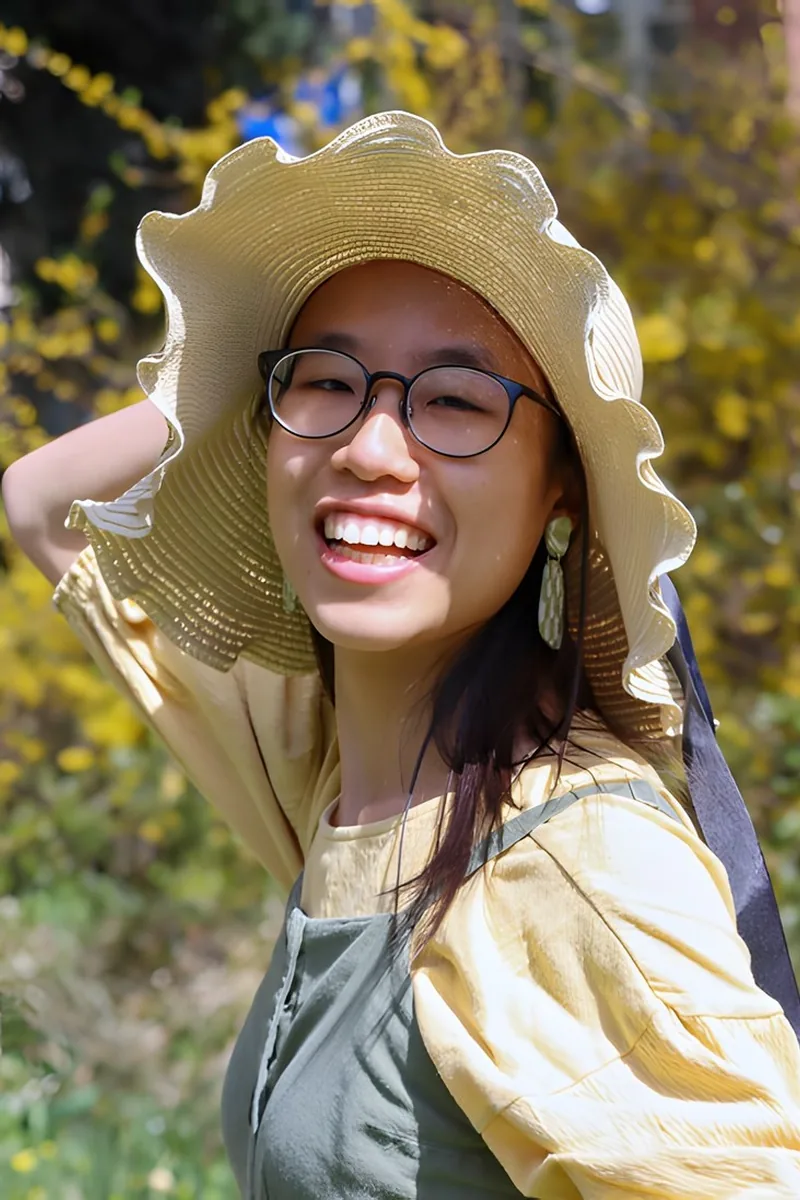
The hardest part of a college essay isn't the writing — it's figuring out what's actually worth saying. As an international student from Malaysia who went through the U.S. admissions process herself and later studied education policy at Harvard, Yu brings a rare double perspective on what makes a personal statement land. She walks students from brainstorming through final polish, pushing for specificity and voice over generic "lesson learned" narratives.
A strong college essay doesn't summarize a résumé — it reveals how a student thinks. Talia, currently a first-year honors student at Northeastern, went through the admissions process recently enough to know what readers respond to, and she walks students through brainstorming, drafting, and revising personal statements that sound genuinely like them.
A college essay that sounds like every other applicant's essay is a wasted opportunity — admissions readers can spot generic prompts-response writing immediately. Samuel, a Harvard undergraduate himself, knows what makes a personal statement land: a specific voice, a real story, and an argument for why this student belongs at this school. He walks through brainstorming, drafting, and revision as distinct phases so the final product feels genuinely personal.
A college essay lives or dies by its authenticity — admissions readers can spot a generic "overcoming adversity" narrative instantly. Kerry's psychology background from Cornell gives her a sharp eye for what makes a personal story genuinely compelling, and she coaches students through finding the specific moment or detail that reveals character. She also understands the anxiety that comes with high-stakes writing and builds strategies to move past the blank page.
The hardest part of a college essay isn't the writing — it's figuring out which story actually reveals something about you. Meghan's background in literary analysis (Cornell BA, UConn PhD work in American Literature) gives her a sharp eye for narrative structure, and she applies that to helping students shape a personal statement that feels authentic rather than formulaic. She knows how to push a draft from "competent" to compelling.
Getting into a competitive school means writing an essay that sounds like a real person, not a résumé in paragraph form — something Margaret learned firsthand at Princeton. She walks students through brainstorming, drafting, and revision with a focus on finding the one specific story that reveals character, then shaping it into prose that admissions officers actually want to read.
At MIT, Marisa became the go-to editor for classmates writing scholarship essays, personal statements, and application supplements across every department. She knows what admissions readers look for — a specific, honest narrative voice rather than a résumé in paragraph form — and she's skilled at pulling that voice out of a student's rough draft through targeted questions and structural edits.
Having navigated the Harvard admissions process herself, Alyssa knows what makes a college essay land: a specific, honest story told in a voice that sounds like the student, not a thesaurus. She walks writers through brainstorming, drafting, and revision with an eye toward the narrative arc and authentic detail that admissions officers remember. Rated 5.0 by students.
A strong college essay doesn't summarize a résumé — it reveals how a student thinks. Diana's linguistics training makes her especially sharp at identifying a student's natural voice on the page and shaping a draft that sounds authentic rather than overwrought. She walks through brainstorming, structural choices, and revision with an editor's precision and a teacher's patience.
Spoken word poet, comparative literature major, and relentless reviser — Cassandra brings a writer's ear to college essays, pushing students past generic "overcoming adversity" drafts toward narratives that sound like them. She tackles structure and voice in early drafts, then sharpens syntax and word choice line by line until the essay reads as distinctly as a conversation.
At the University of Chicago, Noel coordinated outreach to underrepresented minority students applying to top universities, which meant reading and workshopping hundreds of personal statements. That experience taught him what admissions officers actually respond to — not polished clichés, but specific moments that reveal how a student thinks. He digs into brainstorming and revision until the essay sounds unmistakably like the person writing it.
A great college essay doesn't summarize a résumé — it reveals how a student thinks. Rebecca spent years at Notre Dame's Writing Center reading and refining personal writing across disciplines, and she uses that experience to draw out a student's most compelling story, then shape it into a narrative with a clear arc and authentic voice.
A strong college essay isn't about listing accomplishments — it's about finding one genuine thread and making an admissions reader care about it in 650 words. Emma studied history and French at Northwestern, where she wrote constantly across disciplines, and she now channels that experience into coaching students through brainstorming, drafting, and sharpening their personal narratives until the voice on the page actually sounds like them.
A strong college essay doesn't summarize a résumé — it reveals how a student thinks, what they care about, and why it matters. As a current Harvard sophomore, Parita recently navigated this process herself and understands what admissions readers respond to. She digs into brainstorming and revision, pushing drafts from generic to genuinely personal.
Getting into Harvard taught Benjamin exactly what admissions officers look for in a personal statement — a specific narrative voice, not a résumé in paragraph form. He breaks down the Common App and supplemental prompts to help students identify the one story that only they can tell, then sharpens every draft until the essay sounds unmistakably like them.
A strong college essay doesn't summarize a résumé — it reveals how a student thinks. Laura's economics background taught her to build tight, evidence-driven arguments, and she applies that same structural clarity to helping applicants find a specific story angle and develop it into a compelling personal narrative.
A strong college essay doesn't summarize a résumé — it reveals how a student thinks. Erica went through the admissions process at Harvard and is currently navigating dental school applications at Columbia, so she understands what admissions readers look for at highly selective institutions. She walks students through brainstorming, drafting, and revision with an emphasis on finding one specific story that only they could tell.
As a Harvard senior who writes extensively across sociology and theater, Scott understands that the best college essays aren't about impressive achievements — they're about a specific voice revealing a specific way of thinking. He digs into brainstorming and revision with students, pushing drafts past generic narratives toward the kind of authentic detail that admissions readers remember.
College admissions officers read thousands of essays that say the same thing in the same way, so the real challenge is finding a story only you can tell. Maedeh's own interests in advocacy and immigration give her a sharp eye for personal narratives that feel genuine rather than performative. She walks students through brainstorming, drafting, and refining until the essay sounds unmistakably like them.
Getting into Harvard required Cindy to write essays that stood out among tens of thousands of applicants, and she knows firsthand how to find a personal narrative that admissions officers remember. She walks students through brainstorming, drafting, and revising so the final essay sounds authentically like them — not like a thesaurus.
Getting into MIT taught Brice firsthand how admissions officers respond to specificity over grandeur — a single well-chosen anecdote can carry more weight than a list of accomplishments. He walks students through brainstorming, structural decisions, and revision with an eye toward voice and authenticity, the two qualities that separate a forgettable essay from one that sticks with a reader.
Halley teaches a Creative Writing course that specifically covers how to craft a compelling college essay — finding the narrative thread that admissions officers remember, then revising it until every sentence earns its place. Her Stanford education degree and daily immersion in student writing mean she knows the difference between an essay that summarizes activities and one that reveals a person.
A PhD candidate in English Literature at SMU, Lesleigh knows firsthand what admissions readers look for: a distinct voice, a specific story, and prose that doesn't try too hard. She walks students through every stage from brainstorming a genuine topic to tightening the final draft, paying close attention to how each paragraph builds the essay's central argument about who they are.
Phi Beta Kappa induction, a BFA in Vocal Performance, and a BA in Creative Writing from Carnegie Mellon — Sydney's dual-degree background means she's spent years toggling between artistic vulnerability and analytical precision, which is exactly the balance a college essay demands. She knows how to help an applicant move past the polished highlight reel and find the specific, honest detail that makes an admissions reader pause. Rated 4.9 by students.
Getting into MIT required essays that stood out from tens of thousands of applicants, and Cori knows firsthand what admissions readers respond to — specificity, authentic voice, and a clear narrative arc. She digs into each draft with a structural eye, identifying where an essay loses momentum or where a stronger opening line could reframe the whole piece. Her background in both STEM and the humanities means she can adapt her feedback to any student's story.
Getting into a competitive school means writing an essay that sounds unmistakably like you — not like every other applicant with similar stats. Vania went through the MIT admissions process herself, balancing her dual identity as an engineer and musician, and she uses that experience to dig into what makes each student's story distinct. She's especially sharp at helping students structure a narrative arc that admissions officers remember.
As a current MIT student studying Urban Studies, Adriana went through the college application process recently enough to remember exactly what makes an essay land — and what makes admissions readers skim. She zeroes in on finding the specific story only you can tell, then structuring it so the first line pulls a reader in and the last line stays with them.
Having navigated PhD program applications and written extensively about interdisciplinary research, Michelle knows how to translate a student's scattered experiences into a coherent narrative with a clear throughline. She asks probing questions to surface the stories applicants overlook, then walks through structure and tone until the essay sounds unmistakably like the person writing it.
Having navigated the admissions process for both Northwestern and Boston University School of Medicine, Connie knows what compelling personal writing looks like at every level. She digs into brainstorming with students to uncover the specific story only they can tell, then shapes drafts around a clear narrative arc rather than a list of accomplishments. The result is an essay that sounds like a real person, not a résumé in paragraph form.
At Harvard, Jean advised students applying for Rhodes, Marshall, and other highly competitive scholarships, sharpening their personal narratives and helping them translate lived experiences into compelling written arguments. She approaches college essays the same way: identifying the one specific story or insight that makes an applicant memorable, then structuring every paragraph to reinforce it. Her medical school perspective also gives her sharp instincts for what admissions committees actually look for beyond grades and scores.
I'm excited to work with you or your child either on standardized test preparation or on generally improving performance in history, English, and social studies!
Getting into a competitive school means writing an essay that sounds like a specific person, not a polished template. As a recent Duke graduate, Kelly knows what admissions readers respond to and can pinpoint where a draft feels generic or unfocused. She's especially good at pulling out the one concrete detail or story that makes a student's voice unmistakable.
An avid reader and writer outside the classroom, Natasha approaches college essays as a storytelling problem: figuring out which experience reveals something genuine, then structuring the draft so admissions officers feel it rather than just read it. She's especially sharp at helping STEM-oriented students translate technical interests into compelling personal narratives.
Having written his way into a Harvard PhD program and earned admission to law school, Zachary knows what admissions committees actually respond to in a personal statement. He teaches students to identify the single most compelling thread in their experience and build every paragraph around it, cutting the generic filler that makes essays blend together.
Having gone through the college application process himself as an international student — graduating from the United World College in Bosnia before enrolling at Boston College — Andy knows how to shape a personal narrative that stands out to admissions readers. He digs into brainstorming and revision, pushing students to find the one specific story that reveals something a transcript can't.
A strong college essay doesn't summarize a résumé — it reveals how a student thinks. As a Vanderbilt political science student who went through the admissions process successfully, Grace knows what makes a personal statement land: a specific moment or detail that opens into genuine reflection. She walks students from brainstorming through final draft, sharpening voice and structure at every stage.
An MFA in Creative Writing from a program that demanded constant revision gives Lena a sharp editorial eye for what makes a college essay land. She digs into the brainstorming stage first — identifying the specific story or detail that admissions readers will remember — then shapes drafts until voice and structure are working together. Her English degree from Cornell adds familiarity with what selective schools look for.
A compelling college essay doesn't summarize a résumé — it reveals how a student thinks. Alison's Masters in Education and her English composition expertise allow her to pinpoint the difference between a draft that tells admissions committees about an experience and one that pulls them inside it. She walks students through brainstorming, structure, and revision until the voice on the page sounds unmistakably like theirs.
A strong college essay doesn't summarize a résumé — it reveals how a student thinks. Elise's background as a playwright and Dartmouth Comparative Literature graduate gives her a sharp ear for voice, and she pushes students to find the one specific story that only they could tell. She works through multiple drafts, tightening structure and language until every sentence earns its place.
Testimonials
Because the right College Essays tutor makes all the difference.
Average Session Rating – Based on 3.4M Learner Ratings
Nearby College Essays Tutors
Other Springfield Tutors
Related English Tutors in Springfield
Frequently Asked Questions
College Essays tutoring focuses on helping students craft compelling application essays that stand out to admissions committees. Tutors work with you on essay structure, developing a strong thesis, brainstorming meaningful topics, refining your voice, and revising for clarity and impact. The goal is to help you tell your authentic story in a way that showcases who you are beyond your grades and test scores.
Varsity Tutors connects you with expert tutors who tailor their approach to your needs and timeline. In your first session, your tutor will learn about your college goals, review any essay prompts you're working with, and assess where you need the most support—whether that's brainstorming, drafting, or polishing. From there, you'll work together through multiple revisions, receiving personalized feedback on everything from argument development to sentence-level writing.
Many students struggle with writer's block when facing a blank page, or they write essays that feel generic rather than personal. Others have difficulty organizing their thoughts coherently, developing a compelling thesis, or striking the right balance between showing personality and maintaining a professional tone. Additionally, students often underestimate how much revision is needed—strong essays typically go through multiple drafts with targeted feedback.
Revision is essential—most admissions officers can tell the difference between a first draft and a polished essay. Working with a tutor gives you access to an experienced reader who can identify where your argument needs strengthening, where your voice shines through, and where unclear phrasing might confuse readers. This personalized feedback accelerates the revision process and helps you produce an essay you're genuinely proud to submit.
Absolutely. One of the biggest mistakes students make is trying to sound like what they think admissions officers want to hear, which often results in stiff, impersonal writing. Tutors help you find and strengthen your authentic voice by encouraging you to write naturally, share genuine experiences, and let your personality come through. The result is an essay that feels distinctly yours and stands out from thousands of similar applications.
Bring any college essay prompts you've received, along with any drafts you've already started—even rough, incomplete versions are helpful. If you haven't started writing yet, bring notes on potential topics or experiences you're considering. It's also useful to have information about the colleges you're applying to and any specific requirements or word limits. Your tutor will use this to create a personalized plan for your sessions.
The timeline depends on where you're starting and how many essays you need to write. If you're beginning from scratch, most students benefit from starting 2-3 months before their application deadline. If you already have a draft, even a few sessions focused on revision and refinement can make a significant difference. Your tutor can help you create a realistic timeline based on your specific needs and deadlines.
With 78 schools across Springfield's 8 school districts, students have diverse educational backgrounds and varying levels of essay support available at their schools. Personalized tutoring ensures that regardless of your school's resources, you get expert feedback tailored to your goals and writing style. Connecting with a tutor who specializes in college essays gives you a competitive advantage in the application process and helps you craft essays that authentically represent you.
Let’s find your perfect tutor
Answer a few quick questions. We’ll recommend the right plan and match you with a top 5% tutor.