Award-Winning English Tutors
serving Long Beach, CA
English
Tutors in Long Beach
Private 1-on-1 tutoring, weekly live classes for academic support, test prep & enrichment, practice tests and diagnostics, and more to elevate grades and test scores.
Based on 3.4M Learner Ratings
UniversitiesSchools & Universities
DeliveredHours Delivered
ProficiencyGrowth in Proficiency
Who needs tutoring?
No obligation. Takes ~1 minute.

Reading a text and actually analyzing it are two very different skills, and Jennifer bridges that gap by teaching students to identify an author's argument, track how evidence supports it, and articulate their own interpretation in writing. Her experience spanning literature, essay editing, and phonics-level reading instruction means she can meet a wide range of English learners — from reluctant readers building fluency to advanced students sharpening their literary analysis.
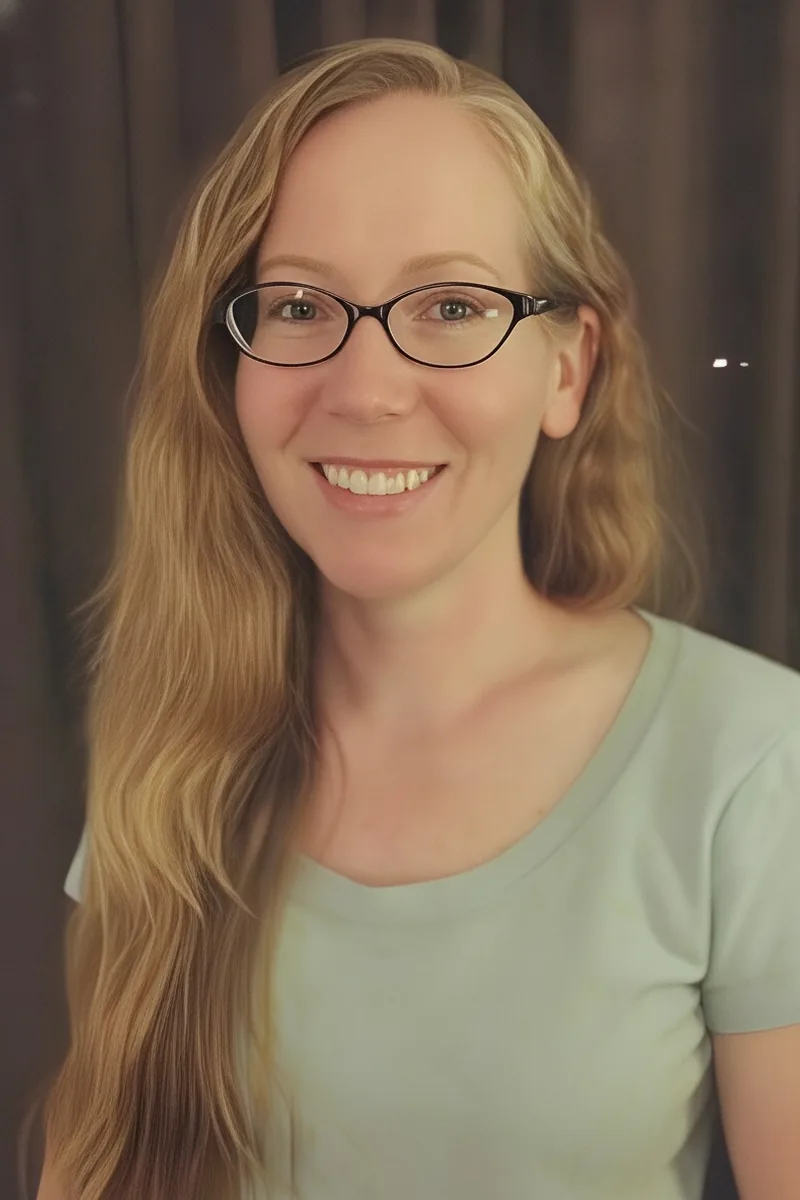
Dorothy's background spans both English literature and composition, and she teaches everything from close reading poetry to structuring a persuasive essay with real evidence. Her 1440 SAT score reflects strong command of the reading and writing skills she now unpacks for students tackling everything from AP English to college-level coursework.
A lifelong reader and writer who lists books, reading, and writing among his core interests, Fady brings genuine enthusiasm to English instruction. He tackles reading comprehension by teaching students to identify an author's purpose and track how arguments develop, then applies those same analytical skills to building stronger, more organized written responses.
Reading critically and writing persuasively are two sides of the same skill, and Will treats them that way. His arts and letters degree trained him to analyze arguments across genres — novels, essays, historical documents — and he brings that range to English tutoring, whether a student is unpacking a poem's structure or drafting a thesis statement. Rated 5.0 by students across subjects including literature, comparative literature, and college English.
Breaking down a passage into its argument — what the author claims, what evidence supports it, and where the reasoning has gaps — is the analytical skill Brian brings from his Caltech economics and CS training. He applies that same rigor to literary analysis and essay development, teaching students to build interpretations that are grounded in textual evidence rather than vague impressions. Rated by students who value structured, logical approaches to reading and writing.
Between her Harvard English Literature degree and her background as a classically trained actor, Ema tackles texts from angles most tutors don't — reading Shakespeare as a script meant to be performed, or unpacking a novel's structure the way a screenwriter would. She's particularly strong at teaching students to move from "I liked it" or "I didn't get it" to a specific, defensible interpretation grounded in the text.
Jackie's Business Communications degree means she studied how language persuades, how structure shapes clarity, and how audience awareness changes every writing decision — skills that translate directly into essay writing, grammar, and reading comprehension. She also tutors French and college essays, so she understands English from multiple angles: as a system of rules, a tool for argumentation, and a medium that works differently across languages. Rated 5.0 by students.
Sean's Communication Studies background and deep love of literature, film, and writing give him a natural toolkit for breaking down everything from thesis construction to close reading and rhetorical analysis. He's tutored English in both classroom and one-on-one settings, so whether a student is dissecting a novel's themes or tightening up an argumentative essay, he knows how to make the feedback specific and actionable.
Between her ACT 34 and her background tutoring reading, literature, and college essays, Christina tackles English from multiple angles — close reading, thesis development, and evidence selection. She's especially effective at teaching students how to move from a vague idea to a structured argument with clear textual support.
Aaron's English instruction spans reading comprehension, literary analysis, and persuasive writing — but his real specialty is getting students to see how those skills connect. Analyzing a character's motivation in a novel, for instance, uses the same evidence-and-reasoning structure as building a five-paragraph essay. He keeps sessions conversational, pushing students to explain their thinking rather than passively absorb answers.
Between film analysis essays and sociological research papers, Katrina's Yale coursework was essentially an English boot camp — thousands of pages of reading and writing across genres, registers, and disciplines. She's especially strong at teaching students how to move from a vague idea to a clear thesis, then structure supporting paragraphs that actually advance an argument. Rated by students who appreciate a tutor who takes the writing process apart step by step.
Few tutors bring Kiersten's particular angle to English: she studies Writing for Screen and Television at USC, which means she analyzes narrative structure, character motivation, and thematic argument as daily coursework. That training translates directly into teaching students how to close-read a passage, build a thesis with textual evidence, and write essays that actually argue something rather than summarize.
Chris passed AP Literature and AP Language and Composition, giving him a dual foundation in close reading and argumentative writing. He's particularly effective at teaching students how to build a thesis from textual evidence and revise their own prose — skills he sharpened leading tutoring sessions across all English levels in high school.
Timothy's background spans both political science and pre-med coursework, which means he's written everything from policy analyses to lab reports to personal statements. He teaches English skills like thesis development, close reading, and evidence integration by connecting them to the kind of writing students actually care about — whether that's a college essay or an AP exam response.
Reading poetry and literary fiction in both English and French gave Carla a dual lens for analyzing tone, figurative language, and narrative structure — skills she now brings to everything from essay-based assignments to standardized reading passages. She's especially sharp at teaching students how to build an argument around a text rather than just summarizing it.
A law career built on close reading and persuasive writing sharpens exactly the skills that matter in English — dissecting an author's argument, identifying tone shifts, and constructing clear thesis-driven essays. Keith brings that analytical rigor from Northwestern Law and his UCLA political science background to everything from literary analysis to grammar and sentence structure. His 5th-year legal practice means he's spent thousands of hours refining how language works on the page.
Writing is Daniel's favorite subject to teach, and it shows in how he approaches English tutoring — he treats essay-writing as a thinking exercise, not just a formatting one. He walks students through how to develop a thesis from a close reading of the text, build paragraphs around specific evidence, and revise for clarity and voice. His background spans critical reading, literary analysis, and argumentative writing.
Reading comprehension and analytical writing are skills Shant uses daily — his health education work requires breaking down complex material and communicating it clearly to teenage audiences. He brings that same approach to English tutoring, whether a student is dissecting a passage for theme and tone or structuring a persuasive essay with strong textual evidence. His college essay tutoring experience adds another layer of practical writing instruction.
Literary management for theater companies in New York and Los Angeles keeps John immersed in close reading, argument construction, and textual analysis every day. He teaches English by connecting skills like thesis development and evidence integration to the kinds of writing students actually encounter — whether that's a comparative essay, a research paper, or an AP prompt. His 5.0 rating speaks to how well that real-world grounding translates to the classroom.
Between writing college-level research papers in biology and tutoring literature and essay editing, Jerome sits at an unusual intersection of scientific precision and literary analysis. He teaches students to read closely for argument and evidence — whether they're unpacking a novel's themes or structuring a persuasive essay — and to revise their own writing with a critical eye.
Breaking essay-writing down to what he calls its "obvious-as-peanuts basics," Andrew tackles the skills that trip students up most: building a thesis from a genuine argument, structuring body paragraphs around evidence, and revising for clarity instead of just length. His 5.0 rating speaks to an approach rooted in a literature degree and genuine enthusiasm for the craft of writing.
Between tutoring elementary students in reading, editing college essays, and coaching adults through GED language arts, Raquel has seen English instruction from nearly every angle. She's especially strong at teaching students how to pull a thesis out of a text — identifying an author's argument, tracing how it develops, and articulating a response in writing. Her 34 ACT composite speaks to her own command of reading comprehension and analytical skills.
Anna's Near Eastern Studies degree required constant close reading of dense, unfamiliar texts and translating complex ideas into clear academic prose — skills that map directly onto English tutoring for grammar, reading comprehension, and essay writing. Now pursuing a PhD in Policy Analysis at Pardee RAND, she writes and revises analytical arguments daily, which keeps her sharp on everything from thesis construction to paragraph-level clarity.
Between tutoring literature, essays, and grammar, Mitch covers the full spread of English skills — reading critically, building arguments, and writing clearly. His engineering background gives him a knack for teaching students how to organize their ideas into tight, logical paragraphs that actually say something. He holds a 5.0 client rating.
I am a graduate of Duke University with a degree in Health Policy and Education Policy. While at Duke University I was a student athlete, participated in the leadership of several clubs and service groups; as well as, working as a Math and Reading tutor. After graduation I spent a year pursing a business venture allotted to me through the Elevator Pitch Competition, my senior year of college, which I won in my category - Non-Profits. After that year, I joined the Teach for America Fellowship, where I fell in love with teaching. The Teach for America Fellowship is 2 years; however, after my first year due to the recognition and growth in my classroom I was invited to start a school. I spent 2 years at that school prior to getting married and moving to California, a few months ago, with my amazing, aerospace loving, husband.
Most people don't expect a biology major and future medical student to be an English tutor, but John's background in writing research papers, crafting medical school applications, and reading voraciously gives him practical command of the subject. He tackles reading comprehension by teaching students to identify an author's central claim quickly, and strengthens writing by showing how to build paragraphs around a single clear idea.
Reading critically and writing persuasively are skills Nicole sharpened through her International Development Studies program at UCLA, where every assignment demanded synthesizing complex sources into clear, evidence-driven arguments. She tackles English by connecting analytical reading — identifying tone, theme, and authorial intent — directly to the writing process, so students see how close reading makes their own essays sharper.
From phonics with younger readers to college-level essay writing, Linda's English tutoring spans a wide range — but the thread connecting it all is close attention to how ideas are organized on the page. She's particularly effective at teaching students to build a thesis, support it with textual evidence, and revise drafts with a critical eye. Her current master's work in education at USC keeps her up to date on literacy strategies that translate directly into sessions.
A psychology and neuroscience background might seem unrelated to English, but Emily's Stanford training involved constant close reading, argument construction, and analytical writing across disciplines. She breaks down everything from thesis development to textual analysis by teaching students how to build a claim and defend it with evidence — the same skill set that carries through literary essays, research papers, and timed writing prompts.
Between her love of reading and her experience editing college essays, Janani approaches English as two connected skills: understanding what an author is doing on the page and learning to do it yourself in your own writing. She's particularly strong at teaching thesis development and close reading — pulling apart a passage to show how tone, diction, and structure work together to build an argument.
Reading a dense passage and knowing what to do with it — pull out a thesis, trace an argument, identify tone — is a skill Milan built across two demanding majors in Computer Science and English. He teaches students to slow down and engage with what a text is actually doing, then translate that understanding into clear, structured writing of their own.
Between her linguistics studies, her 1570 SAT, and her life as an avid reader and writer, Naama brings genuine fluency to English tutoring — not just familiarity with the curriculum. She walks students through close reading strategies, thesis construction, and paragraph-level revision, treating each skill as something learnable rather than something you either "get" or don't. Her range across literature, grammar, and essay writing means sessions adapt to exactly what a student needs that week.
An English degree gave Ben the analytical toolkit; graduate philosophy sharpened it further. He digs into close reading, thesis development, and literary argumentation across poetry, fiction, and nonfiction, teaching students to move from a vague reaction to a text toward a specific, defensible interpretation. His 1530 SAT score speaks to the reading and writing fluency he brings to the subject.
Kevin's science background — honors biology at UC Santa Barbara plus college essays and literature in his tutoring repertoire — means he approaches English from an evidence-first angle, treating a thesis statement like a hypothesis that needs concrete textual support. He's particularly sharp at helping writers who have plenty of ideas but struggle to organize them into a clear, logical argument on the page.
I am a recent graduate of the University of Virginia living in Los Angeles. While at UVA, I earned a 3.95 GPA and graduated my major program with Highest Distinction. I have eight years of tutoring experience (including starting my own tutoring program) and have worked with students of all ages. I'm looking forward to helping people with their studies in any way I can.
Graduate-level research in geographical information science means Krista writes constantly — synthesizing technical literature, drafting methodology sections, and translating dense scientific data into readable prose. That science-writing discipline translates directly to teaching grammar mechanics, paragraph organization, and the kind of evidence-based writing that English courses demand from middle school through college essays.
Engineering coursework at UC Irvine demands precise, structured writing — from lab reports to technical proposals — and Alok applies that same clarity-driven approach to English tutoring. He breaks down sentence structure, thesis development, and argument organization in ways that give students a concrete framework instead of vague advice about "better writing."
Tom approaches English through the lens of a writer and visual thinker, teaching students to read for how a text is built — its structure, voice, and rhetorical choices — not just what it says. From close reading and annotation strategies to crafting thesis-driven essays, he draws on his Harvard education in Visual and Environmental Studies to make the connection between careful reading and strong writing feel intuitive.
Between his SAT prep work in reading and writing, his college essay coaching, and his literature tutoring, Alexander covers the full spectrum of high school English — from close-reading a poem to structuring a five-paragraph argument. His Juilliard and doctoral training also sharpened his own academic writing, which he draws on when teaching thesis development and revision strategies.
Reading a play for subtext, analyzing a character's motivation, building an argument about theme — Nina's theatre background at SMU gave her a toolkit that maps directly onto high school and college English coursework. She treats every essay or close-reading assignment as a chance to unpack how authors use language deliberately, which makes literary analysis click for students who've been told to "go deeper" without knowing what that actually means.
Testimonials
Because the right English tutor makes all the difference.
Average Session Rating – Based on 3.4M Learner Ratings
Nearby English Tutors
Other Long Beach Tutors
Related English Tutors in Long Beach
Frequently Asked Questions
Students in Long Beach often struggle with reading comprehension, essay writing, and grammar fundamentals—especially as they transition between grade levels. With an average student-teacher ratio of 24:1 across the district, many students don't get individualized feedback on their writing or personalized strategies for tackling complex texts. Personalized 1-on-1 instruction allows tutors to identify exactly where a student is getting stuck and build targeted skills rather than moving at a classroom pace.
Varsity Tutors connects students with tutors who understand California's English Language Arts standards and the specific curriculum used across Long Beach's 8 school districts. Whether your student is working on Common Core reading standards, preparing for state assessments, or tackling grade-level literature, tutors tailor instruction to complement what's happening in the classroom. This alignment means tutoring reinforces and accelerates learning rather than introducing conflicting approaches.
Writing improvement requires consistent, personalized feedback—something difficult to provide in a classroom of 24+ students. Tutors work through the entire writing process with students: brainstorming, drafting, revising, and editing. They teach specific techniques like thesis development, evidence integration, and paragraph structure, then apply those skills to actual assignments. Most students see measurable improvements in clarity, organization, and confidence within a few weeks of regular tutoring.
Strong reading comprehension comes from active engagement with text—annotation, questioning, and making connections. Tutors teach students to identify main ideas, track character development, analyze author's purpose, and support interpretations with evidence. Rather than passively reading, students learn strategic approaches like previewing text, asking questions while reading, and summarizing key points. These skills transfer across all subjects and improve performance on standardized tests.
Yes. Varsity Tutors connects students with tutors experienced in California state assessments and standardized tests like the SAT and ACT. Tutors teach test-specific strategies—time management, question analysis, and essay techniques—while building underlying skills in reading, writing, and grammar. Targeted preparation typically begins 2-3 months before the test and focuses on the student's specific weak areas rather than generic test prep.
The first session is an assessment and planning meeting. The tutor learns about your student's current level, specific challenges, and goals—whether that's improving grades, building confidence, or preparing for a test. They may review recent assignments, discuss what's working and what isn't in the classroom, and ask about your student's learning style. By the end of the session, you'll have a clear picture of the tutoring plan and what to expect moving forward.
Varsity Tutors connects students with tutors who have strong backgrounds in English—whether through teaching experience, advanced degrees, or demonstrated expertise in literature, writing, and composition. Tutors understand grade-level standards, can identify learning gaps quickly, and know how to explain complex concepts clearly. Each tutor is vetted for subject knowledge and teaching ability, ensuring your student gets instruction from someone who truly knows the subject.
This depends on your student's goals and current level. Students working to improve grades typically benefit from 1-2 sessions per week, while those preparing for a major test or working on a specific skill might need more intensive support. Most students see meaningful progress within 4-6 weeks of consistent tutoring. Your tutor will recommend a schedule based on your student's needs and help you adjust as progress is made.
Let’s find your perfect tutor
Answer a few quick questions. We’ll recommend the right plan and match you with a top 5% tutor.