Award-Winning AP Human Geography Tutors
serving Glendale, CA
Award-Winning
AP Human Geography
Tutors in Glendale
Private 1-on-1 tutoring, weekly live classes for academic support, test prep & enrichment, practice tests and diagnostics, and more to elevate grades and test scores.
Based on 3.4M Learner Ratings
UniversitiesSchools & Universities
DeliveredHours Delivered
ProficiencyGrowth in Proficiency
Who needs tutoring?
No obligation. Takes ~1 minute.
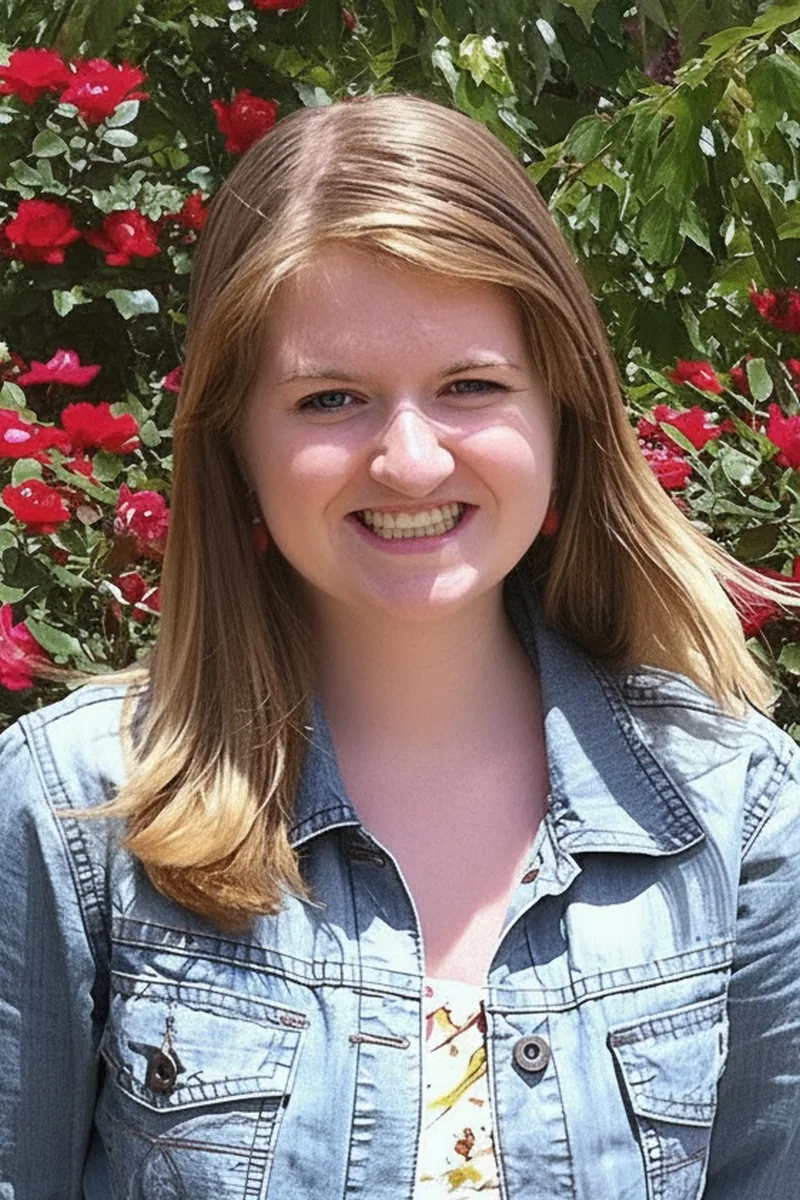
Hannah's history degree and MFA training give her two skills AP Human Geography constantly demands — contextualizing how political boundaries and migration patterns evolved over time, and constructing the kind of tight, thesis-driven FRQ responses that earn full credit. She's particularly sharp on units where students need to connect historical forces like colonialism or industrialization to spatial models, turning what feels like abstract vocabulary into cause-and-effect arguments grounded in real places.
Cultural anthropology is essentially the discipline AP Human Geography was built from — Scott's honors degree in the field means concepts like cultural diffusion, language families, and ethnic territoriality aren't exam vocabulary to him but frameworks he's studied in depth at Washington University in St. Louis. He's particularly strong at unpacking the exam's trickier FRQ prompts where students need to connect anthropological models to real-world stimulus material, drawing on the same analytical reading skills behind his 1580 SAT. Rated 4.8 by students.
A Latin American History degree from Duke means Jean spent years studying the exact processes — colonialism, land reform, rural-to-urban migration, political boundary shifts — that AP Human Geography tests across nearly every unit. She unpacks models like Rostow's stages of development or the core-periphery framework using real Latin American case studies that make the content stick far better than textbook definitions alone. Her 1500 SAT also reflects the analytical reading skill that pays off on the exam's stimulus-based questions.
AP Human Geography's free-response questions ask students to connect geographic concepts — like urbanization models or cultural diffusion — to real-world examples in a structured written argument. Eileen approaches these as analytical writing exercises, teaching students to unpack the prompt, organize their evidence, and write concisely enough to finish on time.
Todd's biology degree from UIUC and social work graduate training at UChicago give him an unusual combination for AP Human Geography — he understands population dynamics and environmental systems scientifically, and he thinks about migration, urbanization, and cultural change through a social sciences lens. That crossover is especially useful when students need to unpack how the demographic transition model or Malthusian theory connects biological resource constraints to human settlement patterns. Rated 5.0 by students.
Teaching World History and Economics to high schoolers means Bradley already covers the historical forces — colonialism, industrialization, migration — that sit behind most AP Human Geography units. He connects those classroom experiences to the exam's trickiest content, like applying the demographic transition model or explaining how Wallerstein's world-systems theory plays out in real trade patterns. His 33 ACT composite also signals the kind of analytical reading skill that pays off on stimulus-based multiple choice.
Economics and finance training at Notre Dame means Benjamin already thinks in the spatial and systems-level frameworks AP Human Geography demands — trade networks, development models like Rostow's stages, and how economic forces reshape urban and agricultural landscapes. He's especially useful for students who struggle to connect the course's vocabulary to the data-interpretation and stimulus-based questions on the exam. Holds a 5.0 rating.
A UChicago BA and UBC master's degree — both in geography — plus a Fulbright research fellowship in Bulgaria mean Duncan has lived the discipline AP Human Geography introduces: migration, cultural landscapes, political boundaries, and spatial organization aren't abstract textbook units for him but the actual substance of his academic career. He teaches students to apply models like the von Thünen or demographic transition not as vocabulary to memorize but as tools for interpreting the stimulus maps and data sets the exam puts in front of them. Rated 5.0 by students.
An anthropology degree from Northwestern means Samantha spent years studying exactly what AP Human Geography tests — how cultures form, spread, and collide across regions, and why migration and political organization look different depending on where you are in the world. She brings that ethnographic lens to units on cultural patterns, population dynamics, and political geography, turning abstract models into the kind of human stories that actually stick before exam day.
An American Studies degree means Olivia spent years studying how cultural identity, migration, and political power play out across regions — the exact lens AP Human Geography applies to topics like cultural diffusion, ethnicity, and nation-state formation. She pairs that background with sharp reading and writing skills (1560 SAT) to coach students through the stimulus-based questions and FRQ prompts where they need to do more than recall vocabulary and actually build geographic arguments from maps and data.
Yale's History of Science, Medicine, and Public Health program immerses Stephanie in exactly the kind of cross-regional analysis AP Human Geography rewards — tracing how disease, technology, and institutional power reshape populations and landscapes across time. She applies that training to units on population dynamics, political organization, and development models, unpacking concepts like the epidemiological transition or supranational governance with real case studies rather than textbook definitions. Rated 5.0 by students.
Biology might seem unrelated to AP Human Geography, but Victoria's coursework in human biology at Dartmouth — population dynamics, ecology, resource distribution — overlaps directly with units on population, agriculture, and development models like the demographic transition. She's especially useful for students who struggle to connect scientific data to geographic arguments on stimulus-based questions, since reading charts and interpreting patterns is second nature to her. Rated 5.0 by students.
Twelve AP classes and a math-focused mind at UChicago mean Felix approaches AP Human Geography's models — things like the von Thünen agricultural model or gravity model — with the quantitative intuition most social studies tutors lack. He's sharp at teaching students to decode the exam's data-heavy stimulus questions, reading population pyramids and development indicators with precision rather than guesswork. Rated 5.0 by students.
Few tutors bring a more natural fit to AP Human Geography than someone trained in social anthropology at Harvard. Jorge digs into the spatial patterns behind migration, urbanization, and cultural diffusion with the same analytical lens he used studying human communities academically. He teaches students to think like geographers — reading landscapes, interpreting demographic models, and building arguments with data.
A Spanish degree builds the kind of cross-cultural literacy that pays off in AP Human Geography — Sydney has spent years studying how language, identity, and colonial history intersect across regions, which maps directly onto units covering cultural diffusion, language families, and political boundaries. She's also a strong writer (rated 4.9 by students), which she channels into coaching FRQ responses where students need to connect geographic models to stimulus material with clear, structured arguments.
Christopher's economics degree from UCLA means he already thinks in the supply-demand and development frameworks that underpin some of AP Human Geography's densest units — Rostow's modernization theory, core-periphery dynamics, and how economic incentives drive agricultural and industrial land use. His history training adds the colonial and migration context that turns those economic models into full geographic arguments on FRQ prompts. Rated 4.7 by students.
Elena's Child Development studies at Vanderbilt give her a sharp understanding of how population dynamics, family structures, and cultural practices vary across regions — concepts that map directly onto AP Human Geography units covering population, migration, and cultural patterns. She pairs that with strong SAT performance (1540) and a knack for teaching younger students complex ideas in accessible ways, which translates well to breaking down dense models like the demographic transition or Zelinsky's migration framework for exam prep. Rated 5.0 by students.
Studying both History and Neuroscience at Rice gives Nathan a dual lens for AP Human Geography — he understands the historical forces behind concepts like colonialism and cultural hearths, and he thinks analytically about how population models and spatial data actually work. He's especially effective at breaking down the exam's stimulus-based questions, teaching students to pull geographic arguments out of maps and charts rather than defaulting to memorized definitions. Rated 5.0 by students.
Engineering students learn to think in systems — how inputs, feedback loops, and spatial constraints shape outcomes — which is exactly the reasoning AP Human Geography rewards when students tackle topics like urbanization models or agricultural land-use patterns. Kashish applies that analytical mindset to help break down stimulus-based questions, teaching students to extract geographic arguments from maps and data sets the way she'd approach a technical problem at Brown. Rated 5.0 by students.
Teaching across math, science, English, and art in classroom settings gave Danielle an unusual cross-disciplinary habit — she naturally connects economic patterns to cultural shifts to environmental constraints, which is exactly the kind of thinking AP Human Geography's FRQs demand when students must link models like Rostow's development stages to real-world stimulus material. Her English literature training also sharpens the written argumentation side, where students often lose points by listing vocabulary instead of building a coherent geographic explanation. Rated 4.9 by students.
Between a history BA and a master's in history, Alison has spent years tracing the migration patterns, colonial legacies, and political boundary shifts that form the backbone of AP Human Geography's toughest units. She's especially strong at connecting those historical threads to geographic models — showing students why the Rimland theory or Ratzel's organic state concept emerged when and where they did, rather than treating them as standalone definitions. Holds a 5.0 rating.
David is a practicing city planner, which means concepts like Christaller's central place theory, urban sprawl models, and the demographic transition aren't abstract exam topics for him — they're tools he uses at work. He unpacks AP Human Geography through real-world examples from his own projects, making it easier to internalize the spatial patterns and vocabulary the exam demands.
Debate coaching gives Rohit a real edge on the trickiest part of AP Human Geography — the FRQ prompts where students need to construct an argument linking geographic models to stimulus material, not just recall definitions. His economics and political science training at Minnesota means concepts like Rostow's development stages, trade networks, and supranational political organization are things he's studied formally, not just skimmed in a review book. Holds a 5.0 rating.
Population pyramids, the Demographic Transition Model, Rostow vs. dependency theory — AP Human Geography throws dense conceptual models at students who often haven't taken a geography course before. Mark's international relations training at Tufts means he can ground these abstract models in concrete examples, connecting spatial patterns to the political and economic forces that actually produce them.
This is Kayla's home turf. Her degree specializes in geography with a focus on urban studies and human development — the exact intersection AP Human Geography tests on, from population dynamics and agricultural land use to urban models like Burgess and Hoyt. She unpacks each unit's vocabulary-heavy content by tying concepts to real places and spatial patterns rather than isolated definitions.
Population pyramids, Ravenstein's laws of migration, the Burgess model — AP Human Geography throws a lot of spatial concepts at students who've never taken a geography course before. Juan breaks these models down by tying them to real places and current events, which makes the free-response questions far less intimidating.
A Public Health major who scored a 1600 SAT and 35 ACT through self-study, Dhruv understands population dynamics, disease diffusion, and development indicators from the academic side — not just as vocabulary terms on an AP Human Geography exam. He connects public health frameworks directly to units on population, migration, and economic development, making models like the epidemiological transition and demographic transition feel like practical tools rather than memorization targets.
Steve's English and Global Studies degree means he spent years analyzing how language, culture, and political systems interact across borders — the kind of cross-regional thinking that AP Human Geography rewards on every FRQ. He's particularly strong at teaching students to write clear, argument-driven responses for units on political organization and cultural patterns, where connecting vocabulary to real-world processes matters more than memorizing definitions. Rated 4.6 by students.
Georgetown's International Politics program — especially Jennifer's concentration in International Security Studies — is essentially a deep dive into the political boundaries, state sovereignty, and supranational conflicts that dominate AP Human Geography's Unit 4. Her journalism training at Northwestern adds a second edge: she knows how to teach students to construct tight, evidence-based FRQ responses, since building arguments from source material is what she does professionally every day.
Jenna's AP background spans multiple disciplines — AP English, AP Calculus, AP Environmental Science, AP U.S. Government — which means she's familiar with the cross-subject thinking AP Human Geography actually rewards, where a single question might pull from economics, politics, and environmental science simultaneously. She's particularly sharp at helping students decode the exam's multiple-choice stimulus materials, drawing on the same analytical reading skills that earned her a 1400 SAT and 31 ACT. Rated 4.9 by students.
Spatial thinking trips up a lot of AP Human Geography students — understanding why cities develop where they do, how migration reshapes cultural landscapes, or what Ravenstein's laws actually predict. Amena tackles the free-response questions by teaching students to link geographic models to real-world examples, which is where most exam points are won or lost.
Designing educational materials for WSKG's PBS outreach programs gave Adam hands-on experience translating big-picture themes — migration, cultural change, political power — into accessible lessons, which is exactly what AP Human Geography demands across units like population dynamics and political organization. His history degree from Binghamton anchors that work in the kind of regional and thematic analysis the exam's FRQ prompts require, where students need to connect models to real-world processes rather than just define them. Holds a 5.0 rating.
A Duke History major with Biology and Chemistry minors, Rayhan reads AP Human Geography's agriculture and development units the way a pre-med student reads systems — tracing how variables like industrialization, resource access, and population pressure interact to produce specific outcomes. That cross-disciplinary habit is especially useful when students need to explain *why* a model like Rostow's stages or the Green Revolution played out differently across regions, not just label the stages on a diagram. Rated 5.0 by students.
Mechanical engineering at Purdue trains Austin to think in systems — how inputs, constraints, and feedback loops shape outcomes — which is exactly how AP Human Geography expects students to reason about topics like industrial development, agricultural land use, and urban planning models. He draws on his broader history background (he also tutors AP US History and AP European History) to ground abstract geographic concepts in the real political and economic forces behind them. Rated 4.9 by students.
Economic development models, urbanization patterns, and the politics of agricultural land use sit at the intersection of Dana's economics expertise and AP Human Geography's core units. She teaches students to read spatial data critically and to write FRQ answers that link geographic concepts — like Rostow's stages or the demographic transition model — to specific real-world examples.
Mikkel's biology degree with a biochemistry focus might seem like an odd fit for AP Human Geography, but the population ecology and resource distribution concepts he studied at Carleton map surprisingly well onto units covering the demographic transition model, Malthusian theory, and agricultural development patterns. He also brings strong Spanish fluency and broad social studies knowledge to the cultural geography and political organization units, where understanding how language and identity shape regional boundaries makes abstract models feel concrete.
Environmental Studies at Oberlin meant Jackson spent four years studying how human activity, resource use, and political decisions reshape landscapes — the same interconnections AP Human Geography tests across units on agriculture, development, and urbanization. He unpacks models like Borchert's urban evolution or the von Thünen model by grounding them in real environmental case studies, which makes the content stick when students hit stimulus-based questions on exam day. Rated 5.0 by students.
Samantha's American Studies program is essentially AP Human Geography's reading list in degree form — she's deep in the cultural landscapes, migration narratives, and political structures that show up across Units 3 through 7. That academic grounding, plus a 35 ACT, means she can break down both the conceptual side (why Mackinder's heartland theory matters, how acculturation differs from assimilation) and the test-strategy side of stimulus-based multiple choice and FRQs.
The IB program's interdisciplinary structure — connecting science, politics, and cultural analysis across a global curriculum — mirrors exactly how AP Human Geography asks students to think about spatial patterns and human decision-making. Rithika draws on that IB training and her Science, Technology, and Society coursework to unpack how technological change drives urbanization, agricultural shifts, and industrial development across Units 5 through 7. She's especially sharp at helping students see connections between models rather than treating each unit as a separate vocabulary list.
Rima's health policy background gives her a concrete way into some of AP Human Geography's trickiest units — she can explain why the epidemiological transition or Rostow's development model aren't just abstract diagrams but reflections of real policy decisions that reshape how populations grow, move, and organize. That cross-disciplinary perspective, combined with her humanities training in reading and writing analysis, makes her particularly useful when students need to connect dense vocabulary to the kind of process-based explanations the FRQs demand. Holds a 5.0 rating.
Testimonials
Because the right AP Human Geography tutor makes all the difference.
Average Session Rating – Based on 3.4M Learner Ratings
Practice AP Human Geography
Free practice tests, flashcards, and AI tutoring for AP Human Geography
Nearby AP Human Geography Tutors
Other Glendale Tutors
Related Social Studies Tutors in Glendale
Frequently Asked Questions
Varsity Tutors matches Glendale students with expert AP Human Geography tutors for 1-on-1 instruction. We pair each student with a tutor based on their specific needs, learning style, and goals.
Whether you need homework help, exam prep, or want to get ahead, our AP Human Geography tutors are ready to help.
Common challenges include gaps from earlier material, difficulty with specific concepts, and trouble applying learning to new problems. These issues can snowball quickly in AP Human Geography.
A tutor identifies where you're stuck, fills in gaps, and provides targeted practice. The 1-on-1 format means you get help exactly where you need it.
Tutors work with your student's actual coursework—homework assignments, class notes, and upcoming tests. This keeps tutoring directly relevant to what's happening in the classroom.
When you share information about your student's school and curriculum, we can match you with a tutor who has relevant experience.
All tutors complete background checks, credential verification, and teaching evaluation. Many of our AP Human Geography tutors hold advanced degrees or have years of teaching experience.
You can review tutor profiles to find someone with the right background for your student's level and needs.
Many students see improved grades within a few weeks, along with better understanding of AP Human Geography concepts and more confidence tackling challenging material.
Tutors track progress and adjust their approach to ensure continued improvement.
Most students benefit from 1-2 sessions per week. More frequent sessions help if your student is significantly behind or has an important exam coming up.
Your tutor can recommend a schedule based on your student's specific situation and goals.
Tutoring is purchased in packages of hours, with rates varying by tutor experience. Varsity Tutors offers several options to fit different budgets and needs.
You can discuss pricing during your consultation to find what works best.
Your tutor will assess where your student is, discuss goals, and start working on priority areas. Most students bring current homework or upcoming test material to focus on.
By the end, you'll have a clear sense of how the tutor can help and a plan for moving forward.
Let’s find your perfect tutor
Answer a few quick questions. We’ll recommend the right plan and match you with a top 5% tutor.