Award-Winning Psychology Tutors
serving San Francisco, CA
Psychology
Tutors in San Francisco
Private 1-on-1 tutoring, weekly live classes for academic support, test prep & enrichment, practice tests and diagnostics, and more to elevate grades and test scores.
Based on 3.4M Learner Ratings
UniversitiesSchools & Universities
DeliveredHours Delivered
ProficiencyGrowth in Proficiency
Who needs tutoring?
No obligation. Takes ~1 minute.
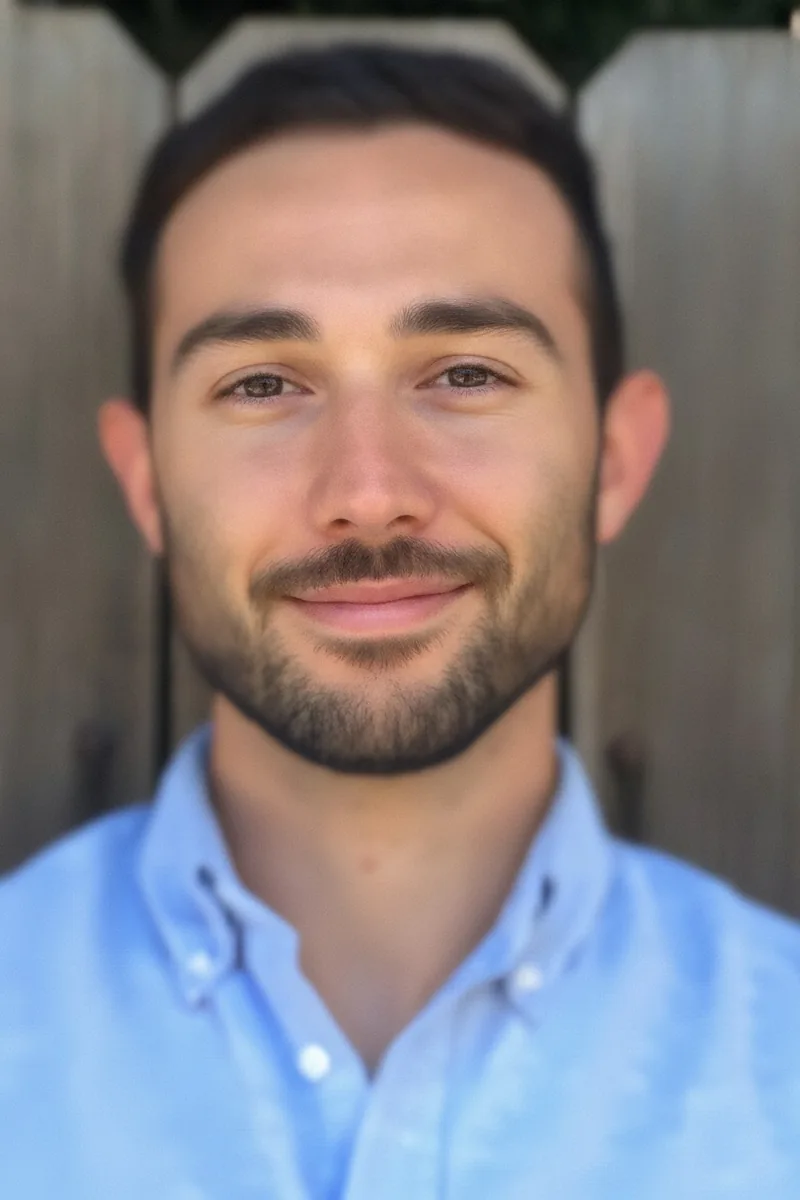
Psychobiology sits at the intersection of brain science and behavior, which gives Shant an unusual depth when teaching psychology concepts like classical conditioning, memory encoding, or the biological basis of mental disorders. He connects abstract theories — Piaget's stages, Erikson's development model, the DSM framework — to the underlying neuroscience that makes them click. His 5.0 rating speaks to how well that approach lands with students.
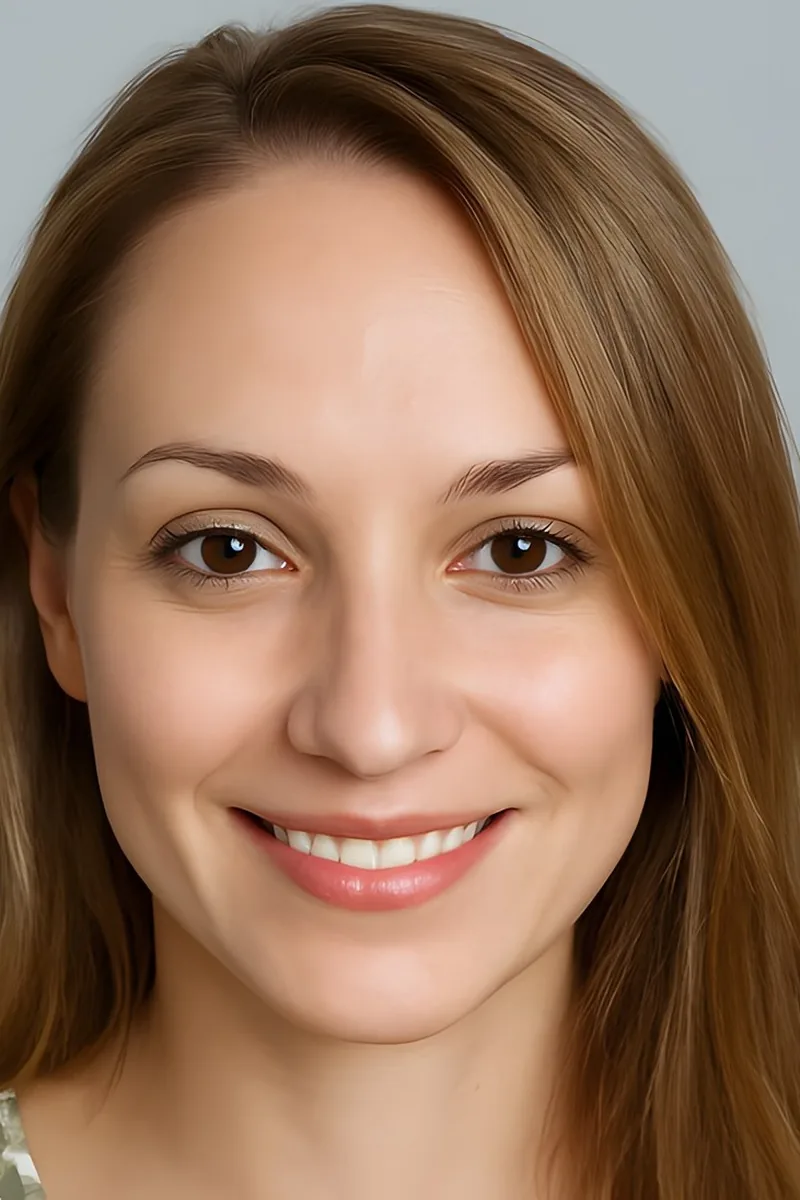
Naama earned her bachelor's degree in psychology, so she isn't just tutoring from a textbook — she's revisiting material she studied in depth at NYU. Whether a student is wrestling with research methods, cognitive development theories, or the nuances of abnormal psych classifications, she can break down both the concepts and the dense academic writing that psychology courses demand.
Neuroscience and psychology share a border, and Helen lives right on it — her bachelor's in neuroscience and master's in pharmacology give her deep fluency with the biological underpinnings that many psychology students struggle with, from neurotransmitter pathways to the physiological basis of learning and memory. She unpacks concepts like classical conditioning, cognitive development, and abnormal psych by connecting them to the underlying brain mechanisms. Rated 5.0 by students.
A biology background turns out to be a real advantage in psychology, where topics like neurotransmitter function, the stress-hormone cascade, and the biological basis of memory bridge both disciplines. Nicholas unpacks these physiological mechanisms so students grasp not just behavioral theories but the science underneath them. He's particularly effective with biopsychology and research methods units.
Chemistry majors spend a surprising amount of time studying how the brain works at a molecular level — neurotransmitter pathways, receptor binding, and the biochemistry behind drug mechanisms all show up in both disciplines. Chandler draws on that science background to make psychology's biological bases of behavior unit click, while his 34 ACT and strong reading skills carry over to the research-methods and essay-analysis portions of the course.
Kellie's biology background gives her a real edge in psychology, especially when topics shift into neuroscience, sensation and perception, or the biological bases of behavior. She unpacks concepts like neurotransmitter pathways and stress response mechanisms with the kind of scientific precision that makes textbook definitions actually click.
A neuroscience degree from Indiana University means Jenna doesn't just teach psychology concepts like classical conditioning or cognitive development — she can explain the biological machinery underneath them. She unpacks the overlap between brain structure and behavior in a way that makes introductory psych feel like a coherent story rather than a glossary of terms.
I'm a recent graduate of the California Institute of Technology in Economics and Computer Science. I was also accepted at Harvard, Princeton, MIT, and Stanford. I have a broad range of interests spanning science, math, engineering, social science, the humanities, the arts, and athletics (I also played on the Caltech basketball team). My background allows me to tutor general college prep, especially the SAT, ACT and the GRE. I love to teach analytical thinking, ranging from advanced Math and Physics to strategies for understanding literature and developing arguments.
History courses train you to analyze why people and societies behave the way they do — a skill that transfers directly to psychology's emphasis on motivation, obedience research, and social identity. Ava's history degree and education minor mean she approaches psych concepts like a teacher who's spent years making sense of human behavior through primary sources and competing narratives. She's particularly effective at helping students structure the kind of evidence-based written responses that psychology assessments demand.
At Northwestern, Chelsey explored psychology through an unconventional doorway — a course in Buddhist Psychology that examined the mind through both Western scientific and Eastern contemplative frameworks. That cross-disciplinary perspective makes her especially effective at unpacking foundational concepts like cognition, behavior, and motivation in ways that stick.
Understanding psychology means learning to think like a researcher — distinguishing correlation from causation, evaluating study design, and applying theories to real behavior. Dylan's policy analysis training at Cornell built exactly these skills, particularly around interpreting data and questioning assumptions. He connects psychological concepts like operant conditioning or cognitive biases to everyday decision-making, which makes them stick.
Ellie's autism research at the Yale School of Medicine gives her a hands-on understanding of cognitive and behavioral concepts that most psychology tutors only know from textbooks. She connects topics like neurodevelopment, research methodology, and psychological disorders to real lab work, making abstract theories concrete and easier to retain.
Studying psychology at the PhD level means Tashina doesn't just know the textbook definitions of concepts like operant conditioning or cognitive dissonance — she understands the experiments behind them and why the findings matter. She teaches students to think like researchers, connecting theory to methodology so that even dense topics like neuropsychology or abnormal psych feel logical rather than overwhelming.
A Princeton English major might not scream psychology, but Jane's deep training in close reading and argument analysis translates directly to the discipline's research-heavy coursework — picking apart study designs, identifying flawed reasoning, and writing the kind of precise, evidence-backed responses that psych exams reward. Her 34 ACT and study-strategy background also mean she can teach students how to efficiently retain dense terminology like the DSM classifications or Piaget's stages without resorting to brute-force memorization. Rated 5.0 by students.
Studying both economics and cancer biology at UChicago gives Jessica an unusual lens on psychology — she understands the subject from both the behavioral-science side and the biological-mechanisms side. Whether a student is sorting through classical conditioning paradigms or trying to remember the difference between the sympathetic and parasympathetic nervous systems, she connects abstract concepts to concrete examples that stick.
Neuroscience and psychology share a deep root system — concepts like synaptic plasticity, neurotransmitter function, and the biological basis of behavior show up in both fields. Saniya earned her B.S. in Neuroscience at Rhodes College and has continued auditing coursework in anatomy and physiology, giving her a biological lens on psychological concepts that makes topics like learning theory, sensation, and cognition more concrete.
As a sociology and anthropology major studying medicine, health, and society, Lisa lives at the intersection of the social and behavioral sciences that psychology draws from. She digs into concepts like classical conditioning, cognitive development, and social influence by linking them to real-world examples students can actually remember. For AP Psych or introductory college courses, she's especially effective at teaching students to distinguish between similar-sounding theories — Piaget vs. Vygotsky, for instance — without just relying on flashcards.
Few psychology tutors have actually conducted neuroscience research — Elliot has, which means he can explain topics like synaptic transmission, neuroplasticity, and the biological underpinnings of disorders with genuine depth rather than surface-level definitions. He connects introductory psychology concepts to real experimental findings, making the material stick for students in both survey courses and upper-level electives. Rated 5.0 by students.
Between his neuroscience degrees and his current graduate work in bioethics, David has spent years studying the biological and social underpinnings of human behavior. He unpacks concepts like classical conditioning, cognitive development, and research methodology by connecting them to the brain science behind them — making the material click rather than just feel like vocabulary lists.
Understanding psychology means seeing how concepts like classical conditioning, cognitive dissonance, and the biopsychosocial model actually explain everyday behavior. Nik's science training — a biology degree plus doctoral-level coursework — gives him particular strength in the biological and research methods sides of psychology that many tutors gloss over. He unpacks study designs and statistical reasoning so students can think like researchers, not just memorize vocabulary.
Testimonials
Because the right Psychology tutor makes all the difference.
Average Session Rating – Based on 3.4M Learner Ratings
Nearby Psychology Tutors
Other San Francisco Tutors
Related Social Sciences Tutors in San Francisco
Frequently Asked Questions
Students often find certain psychology concepts particularly challenging because they require both memorization and critical thinking. Common trouble spots include understanding research methodologies and statistics, distinguishing between similar psychological theories, and applying concepts like cognitive biases and memory processes to real-world scenarios. Many students also struggle with the distinction between correlation and causation, which is fundamental to understanding psychological research. Personalized tutoring helps break down these complex topics into manageable pieces, allowing students to build confidence before moving to more advanced material.
One-on-one instruction allows tutors to identify exactly where your understanding breaks down—whether it's with specific theories, terminology, or test-taking strategies—and address those gaps directly. Rather than moving at a classroom pace, personalized tutoring focuses on your learning style and adapts explanations until concepts click. Studies on one-on-one learning show significant performance improvements because students get immediate feedback and can ask clarifying questions without holding back the class. For students in San Francisco preparing for AP Psychology, SAT subject tests, or college-level courses, this targeted approach typically leads to measurable score increases.
AP Psychology requires deeper conceptual understanding and the ability to apply theories to novel scenarios, while introductory courses focus more on foundational knowledge and basic comprehension. AP-level tutoring emphasizes connecting different units, understanding research design at a sophisticated level, and developing strong essay-writing skills for the free-response section. Introductory psychology tutoring may focus more on vocabulary, core concepts, and building confidence with the material. Varsity Tutors connects you with tutors experienced in both levels, who can assess where you are and structure sessions to match your specific course demands.
Many students notice stronger grasp of concepts and improved confidence within 3-4 sessions, especially when tutoring targets specific weak areas. However, meaningful score improvement on tests or exams typically requires 8-12 weeks of consistent weekly sessions, depending on your starting point and the material's complexity. Building genuine understanding in psychology—not just memorizing facts—takes time because it requires integrating new concepts with previous knowledge and practicing application. Your tutor will work with you to set realistic goals and track progress throughout your work together.
Varsity Tutors matches you with tutors based on your course level, learning goals, and schedule. During the matching process, you can specify whether you need help with AP Psychology, college-level courses, research methods, or general concept clarification. Tutors in the San Francisco area bring diverse expertise—some specialize in exam preparation, others in concept mastery, and some in helping students develop stronger critical thinking skills around psychological research. You'll get to work with someone whose experience aligns with what you need, rather than settling for whoever is available.
Psychology requires balancing memorization of theories and terminology with the ability to think critically and apply concepts to behavior and real-world situations. Unlike math, where there's often one right answer, psychology frequently asks "why" and demands that students evaluate evidence and consider alternative explanations. This means effective psychology tutoring goes beyond reviewing notes—it involves discussion, questioning assumptions, and practicing the type of analytical thinking that appears on assessments. Tutors help you develop this higher-level thinking rather than just drilling facts.
Yes. While AP Psychology and college placement tests overlap in content, they assess knowledge differently. AP exams emphasize in-depth understanding of specific units and strong essay responses, while placement tests often focus on breadth of knowledge and quick concept recognition. Tutors experienced with both formats can help you prepare strategically—strengthening foundational knowledge while also building the critical thinking and communication skills that college-level courses demand. This preparation often positions you not just to pass a placement test, but to succeed in the actual college course that follows.
Let’s find your perfect tutor
Answer a few quick questions. We’ll recommend the right plan and match you with a top 5% tutor.