Award-Winning Psychology Tutors
serving Sacramento, CA
Psychology
Tutors in Sacramento
Private 1-on-1 tutoring, weekly live classes for academic support, test prep & enrichment, practice tests and diagnostics, and more to elevate grades and test scores.
Based on 3.4M Learner Ratings
UniversitiesSchools & Universities
DeliveredHours Delivered
ProficiencyGrowth in Proficiency
Who needs tutoring?
No obligation. Takes ~1 minute.
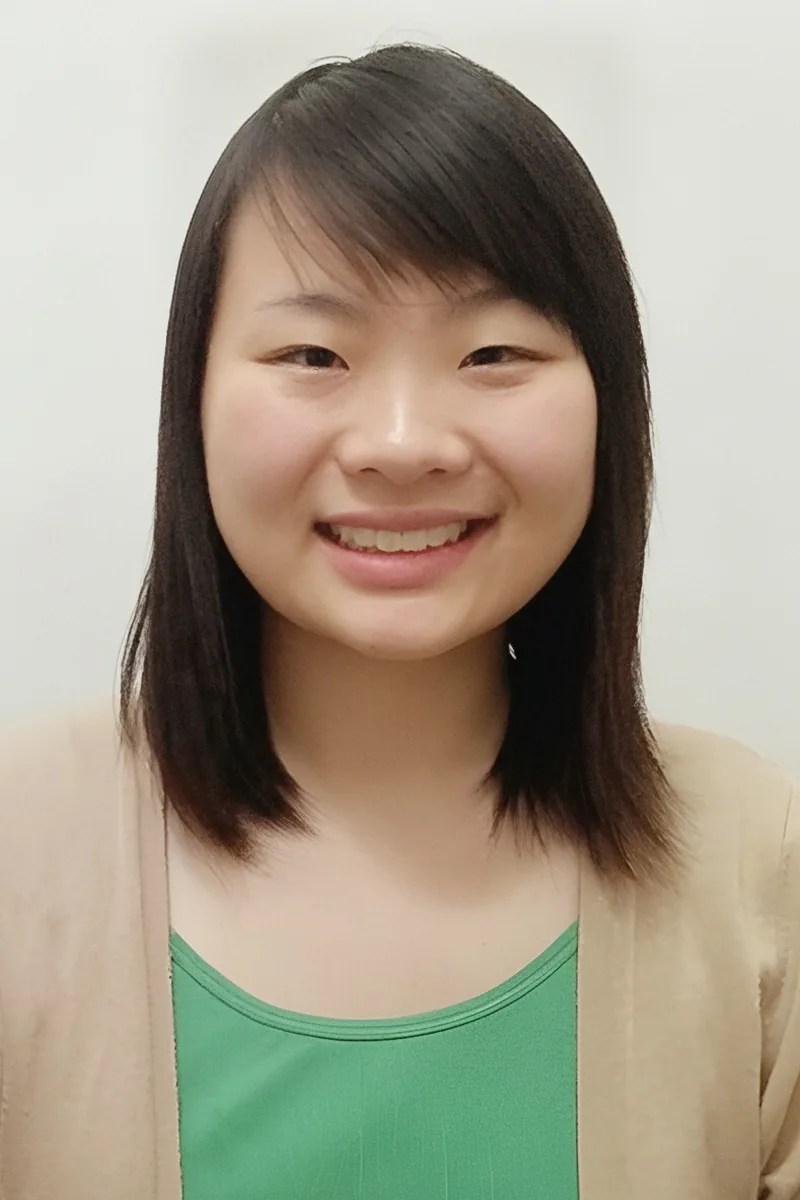
A UChicago psychology degree means Sherry didn't just survey the field — she dug into research methodology, statistical reasoning, and the theoretical debates behind concepts like classical conditioning, cognitive dissonance, and attachment theory. Now pursuing graduate work at Columbia, she brings both academic depth and practical teaching experience to topics ranging from abnormal psychology to social cognition.
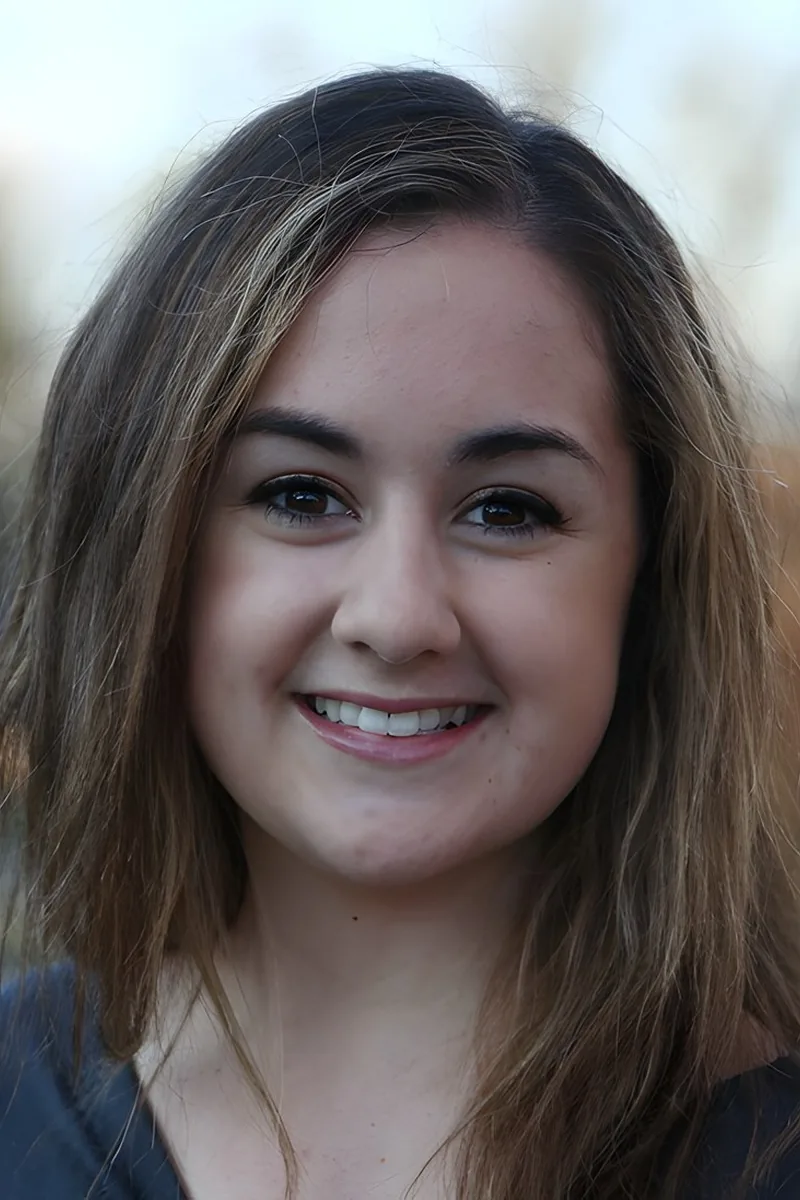
Reporting for a trade magazine means Meghan spends her days interviewing people, reading their motivations, and figuring out why they make the decisions they do — skills that map directly onto psychology's core questions about behavior, cognition, and social influence. Her Northwestern journalism training emphasized research methodology and evidence evaluation, which translates well to unpacking psychological studies and writing the kind of analysis that psych courses grade on. Rated 5.0 by students.
Ellie's autism research at the Yale School of Medicine gives her a hands-on understanding of cognitive and behavioral concepts that most psychology tutors only know from textbooks. She connects topics like neurodevelopment, research methodology, and psychological disorders to real lab work, making abstract theories concrete and easier to retain.
Growing up in Malaysia before studying at Penn and earning a master's in education from Harvard, Yu brings a cross-cultural perspective to psychology that makes topics like social cognition, conformity, and cultural influences on behavior feel immediate rather than theoretical. She draws on education policy training to unpack how psychological research actually gets applied — from motivation theory in classrooms to the design flaws in landmark studies students need to critique on exams.
Holding a degree in psychology and now pursuing medicine, Sydny connects psychological concepts to their biological roots — explaining how the limbic system drives emotion, or why conditioning principles show up in clinical treatment. She digs into research methods, developmental stages, and abnormal psych with the depth of someone who has studied these topics across multiple disciplines.
Medical training at the doctoral level means Jessica spent years learning how psychological concepts like stress response, behavioral conditioning, and cognitive development actually manifest in patients — not just in textbook diagrams. She connects that clinical perspective to the research methods and theoretical frameworks that psychology courses test on, making topics like abnormal behavior and biological bases of behavior click faster. Rated 4.8 by students.
Frances earned her bachelor's degree in psychology from Duke, which means she isn't just teaching vocabulary terms like "classical conditioning" or "cognitive dissonance" — she studied the research methods, statistical reasoning, and theoretical frameworks behind them. She connects textbook concepts to real experimental designs so students understand not just what psychologists found, but how they found it and why it matters.
Holding a bachelor's degree in psychology, Niabari digs into the subject with real depth — whether that's distinguishing classical from operant conditioning, unpacking research methodology, or explaining the biological basis of memory. She connects textbook theories to recognizable, everyday examples that make concepts like cognitive dissonance or attachment styles genuinely stick.
A Princeton English major might not scream psychology, but Jane's deep training in close reading and argument analysis translates directly to the discipline's research-heavy coursework — picking apart study designs, identifying flawed reasoning, and writing the kind of precise, evidence-backed responses that psych exams reward. Her 34 ACT and study-strategy background also mean she can teach students how to efficiently retain dense terminology like the DSM classifications or Piaget's stages without resorting to brute-force memorization. Rated 5.0 by students.
Bidyut's biomedical engineering background at Johns Hopkins overlaps heavily with psychology's biological foundations — neurotransmitter pathways, brain anatomy, and the physiological basis of behavior. He unpacks concepts like classical conditioning, cognitive development stages, and research methodology by grounding them in the science behind how the brain actually works.
Rachel's public health training at Johns Hopkins required deep engagement with psychological research methods, behavioral theory, and how social environments shape cognition and decision-making. She unpacks concepts like operant conditioning, cognitive biases, and research design by tying them to real scenarios — the kind of everyday connections that make psychology's vocabulary and frameworks easier to retain.
Having studied both biological sciences and philosophy at the University of Chicago, Kristin approaches psychology from two angles most tutors can only cover one at a time — the neural and biological underpinnings of behavior, and the deeper questions about consciousness, free will, and moral reasoning that philosophy-heavy psych units explore. Her nursing training adds a clinical dimension to topics like stress response, psychopharmacology, and abnormal behavior that keeps the material grounded in how these concepts actually play out in real patients. Rated 5.0 by students.
Pursuing Computational Neuroscience at MIT means Tim lives at the intersection of brain science and behavior every day — from neural mechanisms of memory to cognitive biases in decision-making. He taught a six-week psychology course to high school students in Boston and knows how to make concepts like classical conditioning, developmental stages, and research methodology click without drowning in jargon.
Zachary's biochemistry and biophysics background overlaps directly with the biological underpinnings of psychology — neurotransmitter pathways, brain structure and function, the physiological basis of stress and memory. He unpacks these connections so that topics like sensation, perception, and psychological disorders make sense at the mechanistic level. Students studying for AP Psychology or introductory college courses get a tutor who can bridge the gap between the biological and social sides of the field.
Neuroscience and psychology share a deep root system — synaptic transmission, neural plasticity, and the biological basis of behavior all live at the intersection of Matt's undergraduate training. He unpacks concepts like classical conditioning, cognitive development, and abnormal psych by connecting them to the underlying brain science, which makes abstract theories far more concrete.
Literary analysis and psychology share a surprising amount of DNA — both require close reading of human motivation, interpreting why people act against their own interests, and building arguments from ambiguous evidence. Ayako's English degree and 5.0 tutoring rating speak to her ability to break down exactly the kind of dense, text-heavy material that psychology courses throw at students, from dissecting research studies to writing the structured responses that AP and intro-level exams reward.
Margaret holds a bachelor's degree in psychology and is currently pursuing a Master's in Medical Science at Boston University, which means she understands the subject from both the research and clinical sides. She digs into core concepts like classical conditioning, cognitive development theories, and experimental design methodology — the topics that anchor most introductory and AP psychology exams.
As a health sciences grad student preparing for the MCAT's behavioral sciences section, Mosab engages with psychological concepts daily — from classical conditioning paradigms to the biological bases of behavior and social cognition theories. He connects textbook terms like schema, operant reinforcement, and the James-Lange theory to real-world examples that make them stick.
Having earned a degree in psychology alongside her communication studies work, Paula brings direct coursework experience to concepts like learning theory, social cognition, and research methodology — not just a passing familiarity. Her communication background adds a practical layer when tackling topics like persuasion, attitude formation, and group dynamics, since she's studied how those psychological principles play out in real messaging and media contexts. Rated 4.8 by students.
Kerry holds both a B.A. in Psychology from Cornell and a master's in Professional Psychology from William James College, so she teaches this subject from genuine depth rather than textbook familiarity. She digs into the concepts students find trickiest — research methodology, statistical reasoning, the differences between classical and operant conditioning — with real-world examples from her own clinical and coaching experience. That practitioner perspective makes abstract theories concrete.
An English major at Penn with a minor in art history, Amy approaches psychology's reading-heavy coursework — interpreting research studies, parsing theoretical arguments, building structured essay responses — with the same close-reading instincts she applies to literature. She's particularly effective at teaching students how to break down the language of psychological studies and translate dense findings into clear, well-organized written analysis.
Studying psychology at the PhD level means Tashina doesn't just know the textbook definitions of concepts like operant conditioning or cognitive dissonance — she understands the experiments behind them and why the findings matter. She teaches students to think like researchers, connecting theory to methodology so that even dense topics like neuropsychology or abnormal psych feel logical rather than overwhelming.
Understanding psychology means seeing how biological processes, cognitive patterns, and social environments interact — and Todd has formal training in all three. His biology undergraduate work at UIUC grounds his teaching in neuroscience and research design, while his MSW from the University of Chicago deepens his explanations of topics like therapeutic modalities, personality theory, and psychopathology.
Studying the biological basis of behavior at Penn means Natalie lives at the intersection of brain science and psychology every day. She unpacks topics like classical conditioning, cognitive development, and abnormal psychology by tying them back to the neural mechanisms that make behavior happen. That dual perspective — biological and psychological — makes abstract theories feel concrete and testable.
As a sociology and anthropology major studying medicine, health, and society, Lisa lives at the intersection of the social and behavioral sciences that psychology draws from. She digs into concepts like classical conditioning, cognitive development, and social influence by linking them to real-world examples students can actually remember. For AP Psych or introductory college courses, she's especially effective at teaching students to distinguish between similar-sounding theories — Piaget vs. Vygotsky, for instance — without just relying on flashcards.
Between his neuroscience degrees and his current graduate work in bioethics, David has spent years studying the biological and social underpinnings of human behavior. He unpacks concepts like classical conditioning, cognitive development, and research methodology by connecting them to the brain science behind them — making the material click rather than just feel like vocabulary lists.
Studying molecular biology means Annabel already thinks in terms of experimental design, variables, and evidence — the same framework that drives psychology as a science. She explains concepts like classical conditioning, cognitive development stages, and research methodology by connecting them to the biological systems that underlie behavior.
Having majored in psychology at Rice and continued into graduate research at UPenn, Jessi digs into the subject from both sides — the theoretical frameworks like cognitive-behavioral models and the nuts-and-bolts methodology of designing experiments and interpreting statistical results. She's especially effective at connecting abstract concepts like operant conditioning or schema theory to concrete, memorable examples.
Studying both economics and cancer biology at UChicago gives Jessica an unusual lens on psychology — she understands the subject from both the behavioral-science side and the biological-mechanisms side. Whether a student is sorting through classical conditioning paradigms or trying to remember the difference between the sympathetic and parasympathetic nervous systems, she connects abstract concepts to concrete examples that stick.
Cognitive neuroscience is where psychology meets the brain, and Samantha studies exactly that at Penn. She unpacks everything from classical conditioning and memory models to abnormal psychology and research methods, connecting textbook concepts to the underlying neural mechanisms that make them click.
Studying psychology with someone who's living it changes the experience entirely. Martha is a social psychology PhD student at Michigan whose research on culture and self-related processes spans the same territory covered in introductory and intermediate psych courses — from research design and statistical reasoning to theories of identity, motivation, and group behavior. She connects textbook concepts to current studies so the material feels relevant rather than abstract.
Studying neuroscience at Vanderbilt and pursuing a Master's in Physiology at UIC means Gloria knows psychology from the biological side up — neurotransmitter pathways, brain region functions, the mechanics behind conditioning and memory formation. She unpacks concepts like Piaget's developmental stages and the DSM framework by tying them to the underlying science, which makes them easier to retain. Her child development research adds real-world context that textbooks often skip.
At Northwestern, Chelsey explored psychology through an unconventional doorway — a course in Buddhist Psychology that examined the mind through both Western scientific and Eastern contemplative frameworks. That cross-disciplinary perspective makes her especially effective at unpacking foundational concepts like cognition, behavior, and motivation in ways that stick.
Cognitive science is essentially psychology's close cousin, so Adam didn't just read about concepts like classical conditioning, cognitive biases, and neural plasticity — he studied them deeply at Rice. That academic grounding lets him explain the why behind psychological theories instead of just the what. He's particularly sharp on the biological and cognitive chapters that students often find most challenging.
Amanda studied cognitive science at Northwestern, which shares significant overlap with psychology — perception, memory, decision-making, and the biological bases of behavior are territory she covered in depth. She unpacks concepts like classical conditioning, cognitive biases, and neurotransmitter function by connecting them to real examples that make the terminology stick. Students preparing for AP Psychology exams or introductory college courses get someone who genuinely understands the science behind the subject.
Studying Human and Organizational Development at Vanderbilt means Zac lives in the overlap between psychology and real-world behavior — motivation theory, group dynamics, cognitive biases. He breaks down concepts like operant conditioning or Piaget's stages by connecting them to everyday situations students already recognize, making retention far more natural than rote flashcard review.
Karishma earned her bachelor's degree with a focus in psychology, giving her direct familiarity with concepts like classical conditioning, cognitive development theories, and the biological bases of behavior. She breaks down dense research methods and statistical reasoning in ways that make experiment design and data interpretation click. Rated 5.0 by students.
Understanding the difference between classical and operant conditioning sounds simple until an exam asks you to design an experiment using one of them. Ian digs into psychology's core theories and research methods with a scientist's precision, drawing on his premed training to make the biological and cognitive sides of the subject click. He holds a 5.0 rating from students.
Nicole earned her bachelor's in psychology from Washington University in St. Louis, one of the top-ranked programs in the country. She digs into everything from classical conditioning and memory models to research methods and statistical reasoning — the concepts that trip students up most in intro and AP Psych courses.
Cognitive Studies at Vanderbilt sits at the intersection of psychology, neuroscience, and philosophy of mind — so Vy doesn't just know introductory psych concepts like operant conditioning or the stages of memory, she understands the deeper frameworks they come from. She unpacks research methods and experimental design in ways that make the empirical side of psychology click, not just the vocabulary. Her 5.0 rating speaks to how well that approach lands with students.
Testimonials
Because the right Psychology tutor makes all the difference.
Average Session Rating – Based on 3.4M Learner Ratings
Nearby Psychology Tutors
Other Sacramento Tutors
Related Social Sciences Tutors in Sacramento
Frequently Asked Questions
The first session is focused on understanding your current level, learning goals, and any specific challenges you're facing—whether that's AP Psychology exam prep, understanding research methods, or mastering difficult concepts like memory and cognition. Your tutor will assess your strengths and areas for growth, then create a personalized plan tailored to your needs and timeline.
Many students struggle with memorizing the numerous theories, psychologists, and studies without understanding how they connect to real-world applications. Others find research methods and statistics challenging, or they have difficulty distinguishing between similar concepts like classical and operant conditioning. Personalized tutoring breaks these topics into digestible pieces and uses active recall and spaced repetition to build lasting understanding rather than short-term memorization.
AP Psychology covers 9 units across biological bases of behavior, sensation and perception, learning, cognition, motivation and emotion, personality, testing and individual differences, abnormal psychology, and treatment of abnormal behavior. A tutor can help you master each unit's key concepts, practice free-response questions, develop test-taking strategies, and identify your weak areas for targeted review—significantly improving your chances of scoring a 4 or 5.
Research methods require understanding experimental design, statistical concepts, and how to evaluate study validity—skills that don't come naturally to many students. With personalized instruction, a tutor can walk you through real psychology studies, explain why certain designs are used, and help you practice designing your own experiments until the concepts click.
In a classroom with a 22.5:1 student-teacher ratio, it's difficult for teachers to address individual misconceptions or adapt pacing to your needs. Personalized tutoring allows your tutor to focus entirely on your learning style, spend extra time on concepts you find confusing, and connect psychology theories to examples that resonate with you—leading to deeper understanding and better retention.
Look for tutors with strong backgrounds in psychology—whether that's a psychology degree, teaching experience with AP or college-level psychology, or demonstrated expertise in specific areas like cognitive psychology or abnormal psychology. Varsity Tutors connects you with expert tutors who have the knowledge and teaching ability to make complex psychological concepts accessible and engaging.
With consistent, focused tutoring, many students see noticeable improvement in understanding and grades within 3-4 weeks. However, if you're preparing for the AP exam or working on deep conceptual understanding, a longer commitment of 2-3 months allows time for spaced repetition and retrieval practice—proven methods that build lasting knowledge and test performance.
Absolutely. High school psychology builds foundational knowledge, but college-level psychology courses move faster and expect deeper analytical thinking. A tutor can help you develop strong study habits, master core concepts thoroughly, and build confidence with college-level reading and writing assignments—setting you up for success in introductory psychology and beyond.
Let’s find your perfect tutor
Answer a few quick questions. We’ll recommend the right plan and match you with a top 5% tutor.