Award-Winning Elementary Math Tutors
serving New Haven, CT
Elementary Math
Tutors in New Haven
Private 1-on-1 tutoring, weekly live classes for academic support, test prep & enrichment, practice tests and diagnostics, and more to elevate grades and test scores.
Based on 3.4M Learner Ratings
UniversitiesSchools & Universities
DeliveredHours Delivered
ProficiencyGrowth in Proficiency
Who needs tutoring?
No obligation. Takes ~1 minute.

Early math confidence matters more than most parents realize, and Diana treats each concept — place value, basic multiplication, simple fractions — as a building block worth getting right before moving on. She uses visual models and hands-on strategies to make abstract number relationships concrete for young learners.
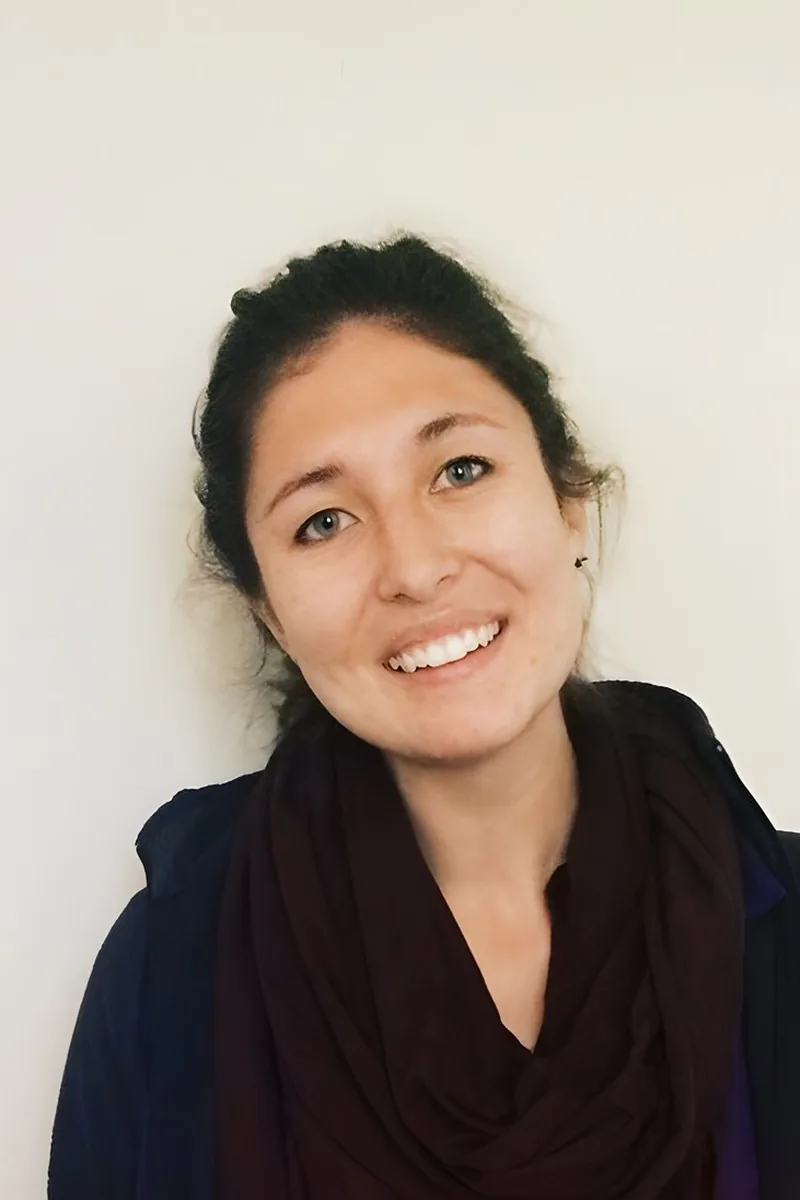
Getting multiplication tables, fractions, and place value right at the elementary level sets up everything that comes later. Reta uses patient, step-by-step explanations that build number sense rather than rote memorization, making sure younger learners actually understand what's happening when they carry a digit or split a shape into equal parts.
Early math concepts like place value, regrouping, and basic fractions set the trajectory for everything that comes later. Shana earned her master's in bilingual elementary education specifically for grades 1–6, which means she's trained in the developmental stages of how young learners build number sense. She uses concrete models and visual strategies to make abstract ideas tangible.
Multiplication tables, long division, and fractions are the building blocks everything else in math depends on. Bowen keeps younger learners engaged by turning these skills into small, concrete challenges — like splitting a pizza order or counting change — so the math feels purposeful rather than abstract.
Fractions, place value, and multi-digit multiplication are the building blocks everything else in math rests on. Chantel uses visual models and real-world examples like measuring ingredients or splitting groups to make these concepts concrete, giving younger learners the number sense they need before moving into more abstract work.
Building number sense early — understanding place value, basic fractions, and how multiplication relates to repeated addition — sets up everything that comes later in math. Caitlyn teaches these foundational ideas with humor and patience, adjusting her explanations based on what clicks for each student. She's rated 5.0 and keeps younger learners engaged by making sessions feel more like a conversation than a lecture.
Building number sense early changes everything about how a student experiences math later on. Kirstie breaks down concepts like place value, basic multiplication strategies, and simple fractions using visual and hands-on approaches shaped by her Master's in Education. She keeps sessions upbeat and low-pressure so young learners stay curious rather than anxious.
Getting foundational arithmetic right — place value, multi-digit multiplication, fractions — sets up everything that comes later in math. Emily spent a year teaching at a private academy for students with learning differences, which sharpened her ability to break number concepts into concrete, manageable steps that actually click.
At the elementary level, math should feel like puzzle-solving, not punishment. Samantha uses real-world examples — splitting snacks evenly, measuring ingredients, counting change — to make addition, subtraction, multiplication, and place value tangible. She's especially good at reading when a young learner is losing focus and pivoting to keep the session productive.
Building number sense early — understanding place value, basic multiplication facts, and simple fractions — sets up everything that comes later in math. Nicole studied child development as part of her Children's Studies minor at Washington University, so she knows how to match explanations to the way younger learners actually process new ideas. She uses concrete examples and visual models to make abstract concepts click.
Fractions, place value, and multi-digit multiplication aren't just procedures to memorize — they're the conceptual bedrock for every math class that follows. Vinay teaches elementary math by making sure students understand *why* borrowing works or *what* a fraction actually represents, not just how to get the right answer. His patient, structured approach has earned him a 5.0 rating across years of working with younger learners.
Multiplication tables, long division, and basic fractions are skills that need to feel automatic before a student can tackle anything more advanced. Matt teaches these building blocks through patterns and hands-on strategies that make numbers feel less intimidating for younger learners.
Fractions, place value, and basic multiplication can feel overwhelming to young learners when the "why" behind each step isn't clear. Anni breaks these concepts into visual, hands-on explanations that build real number sense — drawing on the same structured thinking she uses in her biomedical sciences training.
Strong math instincts start with how a child first encounters multiplication, fractions, and place value — not just whether they get the right answer. Ava uses her education background to identify where a concept broke down and re-teaches it using concrete examples, visual models, and hands-on reasoning before moving to abstract rules.
Building number sense early — understanding place value, basic operations, and how to reason through word problems — sets the trajectory for everything that comes after in math. Mary treats elementary math as a chance to make young learners feel confident with numbers rather than anxious about them. Her 5.0 rating speaks to an approach that keeps sessions engaging while making sure core skills stick.
Getting multiplication, division, and place value right at the elementary level shapes how a student thinks about numbers for years to come. Caroline brings patience and structure to these foundational concepts, using concrete examples — grouping objects, visual models, real-world quantities — to make abstract ideas tangible. She holds a 5.0 rating and treats every early math milestone as something worth getting right.
I am currently a senior at Northwestern University and I will be receiving a Bachelor of Arts in Political Science and Legal Studies this spring. In the fall, I will begin attending law school at Northwestern Law. For many years, I tutored a wide range of students in Spanish, English literature, and writing. I have also continued to help many high school seniors with college application essays. While I tutor a variety of subjects, I am very passionate about helping students improve their reading and writing skills, and I really enjoy helping students with Critical Reading and Writing portions of Standardized Tests. I love working with students and helping them realize their full academic potential. In my spare time, I enjoy traveling, exploring Chicago, reading, and cooking.
Testimonials
Because the right Elementary Math tutor makes all the difference.
Average Session Rating – Based on 3.4M Learner Ratings
Nearby Elementary Math Tutors
Other New Haven Tutors
Related Math Tutors in New Haven
Frequently Asked Questions
Elementary students often struggle with the transition from learning math facts through memorization to understanding why the math works. Common challenges include word problems (which require reading comprehension and strategy selection), multi-digit multiplication and division, fractions, and building confidence with new concepts. Many students benefit from seeing multiple ways to solve the same problem, which helps them understand the underlying patterns rather than just following steps.
Personalized 1-on-1 instruction creates a low-pressure environment where students can ask questions without worry and work at their own pace. Tutors help students see that mistakes are part of learning, not failures, and guide them to understand concepts deeply rather than rushing through problems. When students experience success with challenging topics and see their own progress, their confidence naturally grows along with their skills.
Yes, Varsity Tutors connects you with tutors who understand different elementary math approaches and curricula used across New Haven's 10 school districts. Whether your child's school uses traditional algorithms, Singapore Math, Eureka Math, or another approach, tutors can reinforce what's being taught in class while also helping students see connections between methods. This alignment ensures tutoring complements classroom learning rather than creating confusion.
Showing work helps teachers and tutors understand a student's thinking process, not just whether the answer is correct. Tutors teach students multiple problem-solving strategies—like drawing diagrams, breaking problems into smaller steps, or using number lines—so students can choose the approach that makes sense to them. This builds both mathematical thinking and the ability to explain reasoning, which are essential skills for success in higher math.
The first session focuses on getting to know your student and understanding their current strengths and challenges. Tutors assess which concepts are solid, where gaps might exist, and what learning style works best for your child. From there, they create a personalized plan that targets specific areas while building on what your student already knows, ensuring progress from day one.
Word problems require students to read carefully, identify what they're being asked to find, and choose the right operation or strategy. Tutors break this process into manageable steps: reading for understanding, highlighting key information, drawing pictures or diagrams, and then solving. With practice and guidance, students develop confidence in translating words into math and see word problems as interesting puzzles rather than sources of frustration.
Frequency depends on your student's needs and goals. Some students benefit from weekly sessions to build foundational skills and confidence, while others might need more intensive support during challenging units or before assessments. Varsity Tutors works with families to find a schedule that fits your situation and produces results—whether that's one session per week or multiple sessions during critical learning periods.
Rather than treating each topic as isolated, tutors help students recognize patterns—like how multiplication is repeated addition, or how fractions relate to division. By connecting new concepts to what students already know, they build a deeper understanding of how math works as a system. This approach not only improves performance on current material but also prepares students for more advanced math by showing them that concepts build on one another.
Let’s find your perfect tutor
Answer a few quick questions. We’ll recommend the right plan and match you with a top 5% tutor.