Award-Winning Biology Tutors
serving Albuquerque, NM
Biology
Tutors in Albuquerque
Private 1-on-1 tutoring, weekly live classes for academic support, test prep & enrichment, practice tests and diagnostics, and more to elevate grades and test scores.
Based on 3.4M Learner Ratings
UniversitiesSchools & Universities
DeliveredHours Delivered
ProficiencyGrowth in Proficiency
Who needs tutoring?
No obligation. Takes ~1 minute.
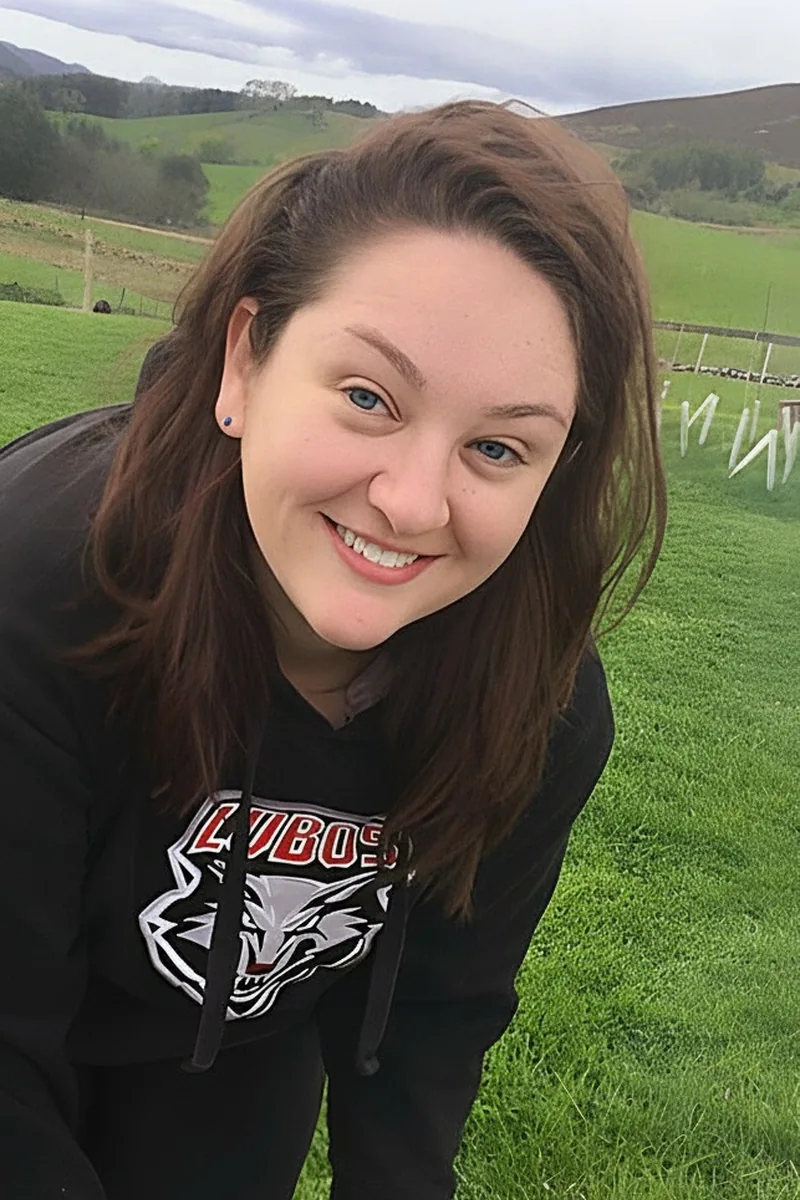
Perceptual psychology sits at the intersection of biology and behavior, so Katie's PhD training gave her deep familiarity with neuroscience, sensory systems, and cellular mechanisms. She's especially strong on topics where biology meets cognition — neural signaling, anatomy of the eye and brain, and how organisms adapt to their environments.
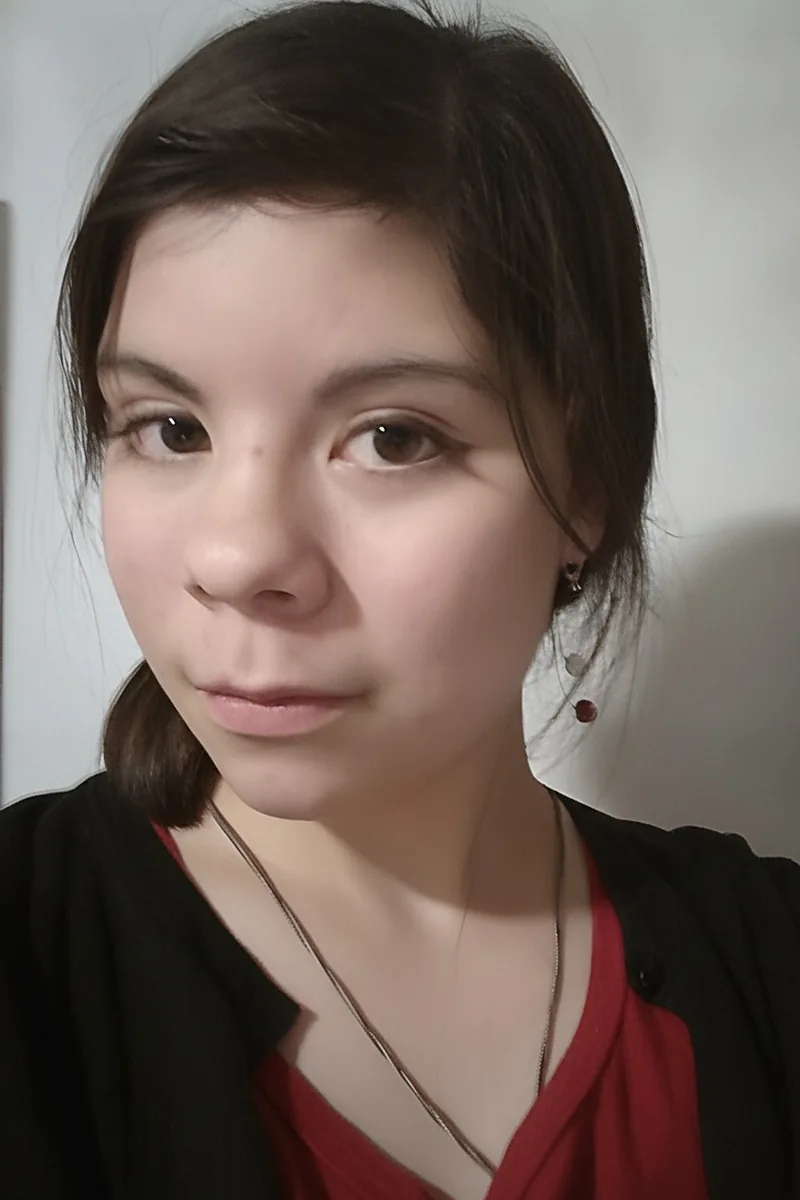
Nursing students don't get to half-understand biology — Teresa has to know how cellular processes, genetics, and physiological systems actually work because her clinical coursework tests that knowledge in patient-care scenarios every week. That pressure translates into sharp, practical explanations of topics like cell division, homeostasis, and organ-system interactions, where she connects the textbook concept to what it looks like when something goes wrong in the body. Rated 5.0 by students.
I'm Maddie Wright, a recent graduate of UCLA and enthusiastic tutor specializing in the ACT, language arts, and math. I majored in marine biology and minored in geography in undergrad, so I am also very comfortable teaching the natural and social sciences. My specialties include creating personalized materials and offering writing and college application guidance. I cater to Elementary, Middle, and High School students, and always aim to provide engaging, informative, and specialized sessions for my students. From presenting core concepts, to reviewing real world applications, to assisting with homework and test preparation, I'm super excited to dive into learning together!
Tony earned his biology degree at Yale and is headed to Columbia's medical school, so he's spent years immersed in everything from molecular genetics to ecological systems. He breaks down dense material — signal transduction pathways, Mendelian inheritance, cellular respiration — by linking each concept to a bigger biological story rather than treating them as isolated facts.
A Cornell biological engineering degree means Mary didn't just study biology — she applied it, working at the intersection of living systems and quantitative analysis. She's especially strong on cell biology, genetics, and molecular mechanisms because her coursework demanded deep fluency in all three. Whether the goal is acing an exam or genuinely understanding how DNA replication works, she connects the details to the bigger picture.
Between his biomedical engineering major and his AP Biology background, Eric sees biology as an interconnected system rather than a pile of vocabulary terms. He unpacks topics like cellular respiration, DNA replication, and homeostasis by explaining the 'why' behind each mechanism, which makes retention far easier than flashcard drilling.
Kevin's master's work in Stanford's Biocomputation track sits at the intersection of biology and computer science, which means he thinks about molecular biology, genetics, and cellular processes through a quantitative lens. He's especially sharp on topics like gene expression, protein structure, and the logic of metabolic pathways. That computational perspective often gives students a clearer framework for understanding how biological systems actually function.
Josef's undergraduate teaching assistant work in introductory biochemistry at Cornell gave him a front-row seat to the exact moments biology students stumble — particularly when topics like metabolism, enzyme function, or gene expression shift from descriptive to mechanistic. His dual science degrees and deep comfort with the chemistry underlying living systems mean he can anchor a concept like signal transduction in its molecular details without losing the biological big picture. Rated 5.0 by students.
Judah is a biology major at Washington University in St. Louis on a pre-med track, which means he's currently immersed in the subject at the college level while the introductory material — ecology, genetics, cell structure — is still fresh enough to teach clearly. His 1580 SAT reflects sharp reading and analytical skills that translate well to biology's demand for interpreting experiments, parsing dense passages, and connecting cause to effect across biological systems.
Studying molecular, cellular, and developmental biology in college — and now pursuing an MD at Stanford — Maggie knows biology at a level of detail that lets her explain not just what happens in a cell but why. She digs into topics like gene expression, membrane transport, and ecological relationships with the kind of mechanistic thinking that turns memorization into understanding. Her MCAT preparation experience also means she knows which biological concepts get tested hardest and how.
Li's medical doctoral training and undergraduate work in speech and hearing gave her a deep understanding of biological systems — from cellular respiration and DNA replication to the physiology of complex organ systems. She breaks down dense topics like gene expression and enzyme kinetics into clear, logical steps that stick.
Three science bachelor's degrees plus medical school means Sydny has taken biology exams at nearly every level the subject offers — from introductory ecology and genetics through the histology and pathophysiology of clinical training. What stuck with her from that journey is how to think through a biological problem rather than just recall an answer, and she teaches that same reasoning process when tackling topics like inheritance patterns, cellular energy, or organ-system integration.
Kate approaches biology through the lens of someone trained in environmental systems, which means topics like ecology, nutrient cycling, and cellular respiration get grounded in how living organisms actually interact with their surroundings. She's equally comfortable walking through genetics problems or explaining membrane transport, drawing on seven years of science tutoring to pinpoint exactly where confusion starts.
Studying biology and chemistry simultaneously on Northwestern's pre-med track means Kade is constantly toggling between the molecular and the organismal — seeing how something like enzyme regulation in a biochemistry problem set connects directly to the ecology or genetics material he's covering the same week. That dual lens is especially useful for students who can memorize individual processes like meiosis or the light reactions but struggle to see how those pieces fit into larger biological systems. His 1550 SAT reflects the same kind of structured, cross-disciplinary thinking he brings to science tutoring.
A molecular biology major at Yale who spends his research hours investigating gene expression and stem cell dynamics, Maxwell teaches biology with the depth of someone immersed in the field. He's particularly strong on genetics, cellular processes, and ecology, and he draws on current scientific literature to make concepts like DNA replication and natural selection feel immediate and relevant. Rated 5.0 by students.
Testimonials
Because the right Biology tutor makes all the difference.
Average Session Rating – Based on 3.4M Learner Ratings
Practice Biology
Free practice tests, flashcards, and AI tutoring for Biology
Other Albuquerque Tutors
Related Science Tutors in Albuquerque
Frequently Asked Questions
Many students struggle with visualizing abstract concepts like cellular structures, enzyme mechanisms, and molecular interactions that can't be seen with the naked eye. Others find it difficult to move beyond memorization of facts and truly understand how biological systems work together. Personalized tutoring helps students build conceptual understanding through guided exploration, real-world examples, and visual aids—transforming Biology from a list of terms into a coherent framework of how life functions.
Yes. Expert tutors can help you understand experimental design, the scientific method, and how to interpret lab results meaningfully. Whether you're preparing for an upcoming lab, analyzing data, or trying to understand why an experiment produced unexpected results, tutors can guide you through the reasoning process and help you connect lab observations to the concepts you're learning in class.
Effective Biology tutoring focuses on building deep understanding rather than rote memorization. Tutors help you grasp the "why" behind biological processes—like why cells need ATP or how natural selection drives evolution—so concepts stick with you long-term. This approach not only improves test performance but also develops your scientific reasoning skills, which are essential for success in advanced biology courses and science-related fields.
Your first session is an opportunity for a tutor to understand your current level, specific challenges, and learning goals. You might review recent assignments or exams, discuss concepts that feel confusing, and identify areas where you need the most support. From there, the tutor creates a personalized plan tailored to your needs—whether that's preparing for an AP exam, catching up on foundational concepts, or diving deeper into challenging units.
Tutors use a variety of strategies to make abstract concepts concrete: drawing diagrams of cellular processes, using analogies to connect unfamiliar ideas to everyday experiences, and working through step-by-step models of how systems like photosynthesis or the immune response function. Many students find that once they can "see" how something works, the underlying biology becomes much clearer and easier to remember.
Varsity Tutors connects students with expert tutors across all Biology levels, from introductory high school Biology and Honors Biology to AP Biology, IB Biology, and college-level courses. Whether you're building foundational understanding, preparing for standardized exams, or tackling advanced coursework, tutors can meet you where you are and help you progress toward your goals.
Tutors help you identify which concepts you've mastered and which need more focus, then create a targeted study plan. They'll work through practice problems with you, teach you how to analyze multiple-choice questions strategically, and help you develop strong essay responses for free-response sections. Regular practice with feedback—combined with understanding rather than cramming—leads to better retention and stronger exam performance.
Varsity Tutors connects you with expert tutors who match your specific needs, schedule, and learning style. Simply tell us about your Biology goals and challenges, and we'll match you with a tutor who has the expertise to help. You can start with a single session to see if it's a good fit, then continue as needed to support your progress.
Let’s find your perfect tutor
Answer a few quick questions. We’ll recommend the right plan and match you with a top 5% tutor.