Award-Winning CSS Tutors
serving Chesapeake, VA
Award-Winning
CSS
Tutors in Chesapeake
Private 1-on-1 tutoring, weekly live classes for academic support, test prep & enrichment, practice tests and diagnostics, and more to elevate grades and test scores.
Based on 3.4M Learner Ratings
UniversitiesSchools & Universities
DeliveredHours Delivered
ProficiencyGrowth in Proficiency
Who needs tutoring?
No obligation. Takes ~1 minute.

Studying economics at Brown, Clive brings a data-driven mindset to CSS — treating layout properties, specificity rules, and the box model as systems with predictable inputs and outputs rather than something to fiddle with until it looks right. He also codes in Java, JavaScript, Python, and HTML, so he teaches styling in the context of real multi-file projects where a messy stylesheet creates problems downstream.
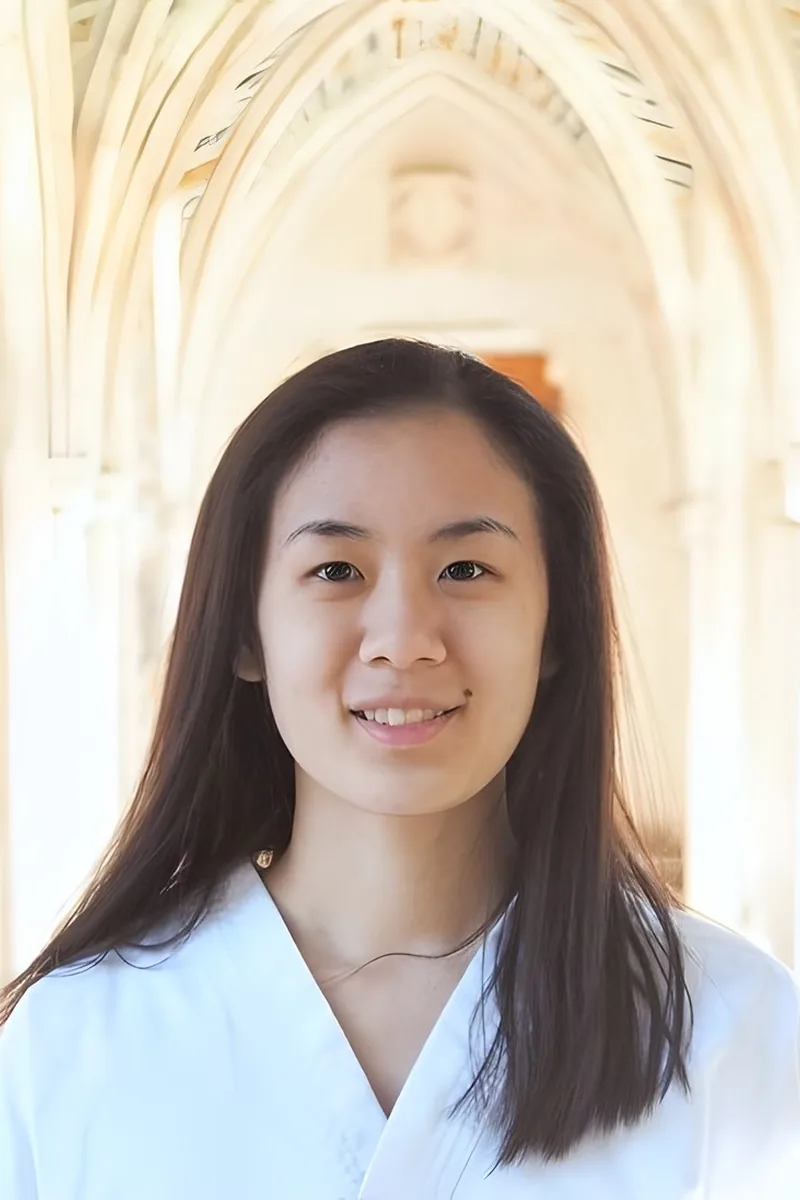
Between building software at IBM and serving as a teaching assistant for Computer Network Architecture at Duke, Florence has written enough front-end code to know that CSS frustrations usually come from not understanding the box model or how specificity actually resolves conflicts. She teaches students to read the cascade like a set of logical rules — the same structured thinking her computer science training demands — so they can predict exactly which styles will apply before they ever hit refresh.
Coming from Thomas Jefferson High School for Science and Technology and a computer engineering program at Vanderbilt, Rhamy has built enough front-end projects across HTML, JavaScript, PHP, and C++ to know that clean CSS comes from understanding how the document tree drives styling decisions. He teaches selector specificity and layout properties as an engineering problem — tracing exactly how the cascade resolves conflicts — so students can architect a stylesheet instead of patching one. Rated 5.0 by students.
Firas's PhD research at Princeton in machine learning and big data means he's built enough web-facing tools and dashboards to know that CSS behaves predictably once you treat the cascade and box model as formal systems — the same way he'd approach an algorithm. He teaches students to trace how specificity, inheritance, and layout properties resolve step by step, turning stylesheet debugging from guesswork into something closer to proof. Rated 5.0 by students.
Getting a div centered on the page shouldn't feel like an achievement, but CSS layout trips up nearly everyone at first. Kiran unpacks the box model, specificity rules, and Flexbox/Grid positioning so students can predict exactly how their styles will render instead of trial-and-erroring their way through every property.
Between coding in Java, C++, Python, and JavaScript at Harvard, Matthew has built enough front-end projects to know that CSS clicks once you stop treating it as decoration and start reading the cascade as a rule system — specificity, inheritance, and the box model all have predictable behavior. He leans on the same logical precision his math coursework demands, walking through why a flex container behaves one way and a grid another so students can architect layouts deliberately. Rated 4.9 by students.
The leap from "I can change a font color" to "I can build a responsive layout with Flexbox and Grid" is where most CSS learners get stuck. Nicholas breaks down the box model, specificity rules, and positioning schemes so students understand *why* their elements end up where they do — not just how to hack things into place.
Studying computer science and English at Stanford, Winton writes code across C, C++, Java, Python, and the full front-end stack, so CSS fits into a broader picture of how web applications actually come together. He tackles the styling layer by connecting it back to HTML structure and document flow — showing students how properties like display, position, and float interact rather than letting them guess their way through layout issues.
Getting a div to sit where you want it shouldn't feel like a battle. Daniel walks through the box model, flexbox, and grid layout with concrete visual examples, showing students how CSS properties interact so they can debug spacing and alignment issues on their own.
The leap from "I can change a color" to actually understanding the CSS box model, specificity rules, and responsive layouts is where most students get stuck. Michael approaches CSS the way he approaches software engineering problems — breaking the cascade into predictable, debuggable layers so students can troubleshoot layout issues on their own.
The jump from "I can change a font color" to actually understanding the CSS box model, flexbox, and grid layout is where most beginners stall. Bryan's engineering background at Penn gives him a systematic way of explaining specificity, cascading rules, and responsive design that turns confusion into confidence.
Styling a webpage is half logic, half design instinct — knowing when to use flexbox vs. grid, how specificity determines which rule wins, and why your div still won't center. Elise picked up CSS hands-on at HubSpot building real web pages, and she walks students through layout, positioning, and responsive design with practical examples rather than abstract theory.
Testimonials
Because the right CSS tutor makes all the difference.
Average Session Rating – Based on 3.4M Learner Ratings
Other Chesapeake Tutors
Related Technology and Coding Tutors in Chesapeake
Frequently Asked Questions
Varsity Tutors matches Chesapeake students with expert CSS tutors for 1-on-1 instruction. We pair each student with a tutor based on their specific needs, learning style, and goals.
Whether you need homework help, exam prep, or want to get ahead, our CSS tutors are ready to help.
Common challenges include gaps from earlier material, difficulty with specific concepts, and trouble applying learning to new problems. These issues can snowball quickly in CSS.
A tutor identifies where you're stuck, fills in gaps, and provides targeted practice. The 1-on-1 format means you get help exactly where you need it.
Tutors work with your student's actual coursework—homework assignments, class notes, and upcoming tests. This keeps tutoring directly relevant to what's happening in the classroom.
When you share information about your student's school and curriculum, we can match you with a tutor who has relevant experience.
All tutors complete background checks, credential verification, and teaching evaluation. Many of our CSS tutors hold advanced degrees or have years of teaching experience.
You can review tutor profiles to find someone with the right background for your student's level and needs.
Many students see improved grades within a few weeks, along with better understanding of CSS concepts and more confidence tackling challenging material.
Tutors track progress and adjust their approach to ensure continued improvement.
Most students benefit from 1-2 sessions per week. More frequent sessions help if your student is significantly behind or has an important exam coming up.
Your tutor can recommend a schedule based on your student's specific situation and goals.
Tutoring is purchased in packages of hours, with rates varying by tutor experience. Varsity Tutors offers several options to fit different budgets and needs.
You can discuss pricing during your consultation to find what works best.
Your tutor will assess where your student is, discuss goals, and start working on priority areas. Most students bring current homework or upcoming test material to focus on.
By the end, you'll have a clear sense of how the tutor can help and a plan for moving forward.
Let’s find your perfect tutor
Answer a few quick questions. We’ll recommend the right plan and match you with a top 5% tutor.