Award-Winning AP Chinese Language and Culture Tutors
serving Brooklyn, NY
AP Chinese Language and Culture
Tutors in Brooklyn
Private 1-on-1 tutoring, weekly live classes for academic support, test prep & enrichment, practice tests and diagnostics, and more to elevate grades and test scores.
Based on 3.4M Learner Ratings
UniversitiesSchools & Universities
DeliveredHours Delivered
ProficiencyGrowth in Proficiency
Who needs tutoring?
No obligation. Takes ~1 minute.
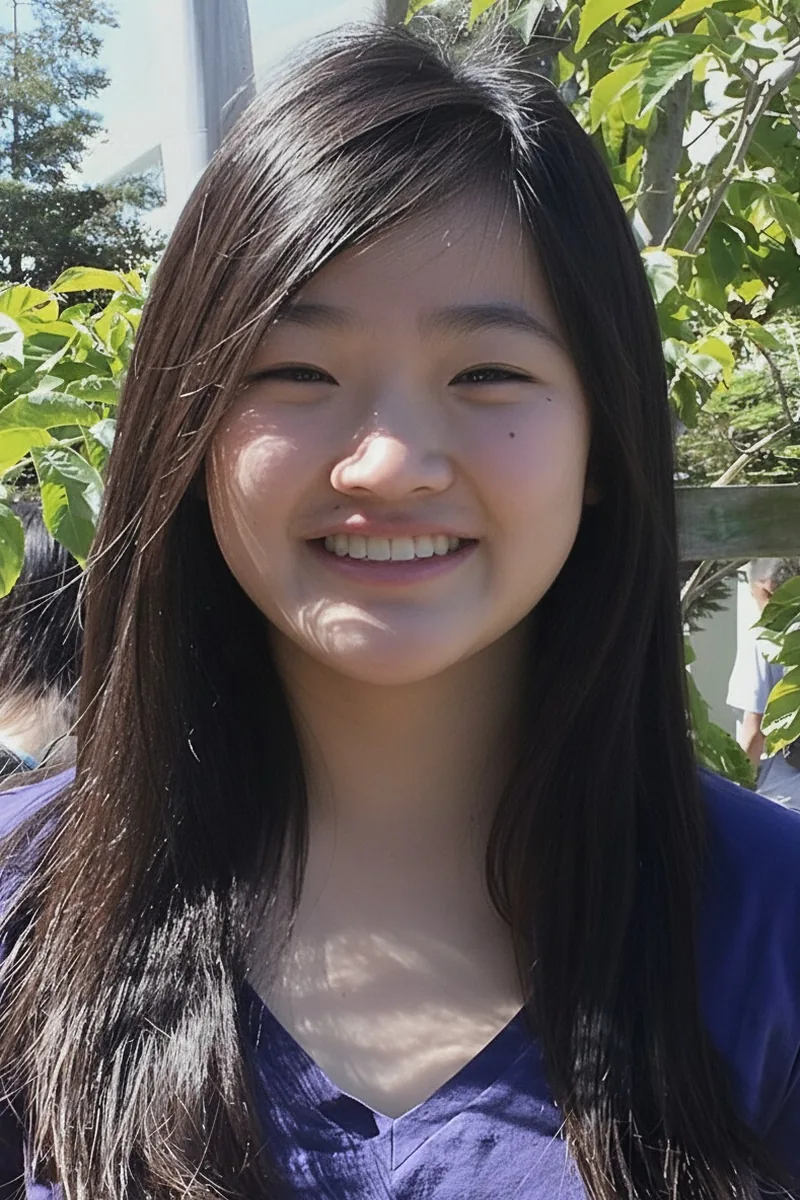
The cultural comparison essay on the AP Chinese Language and Culture exam trips up even strong speakers because it requires analytical writing, not just language proficiency. Julie's philosophy training at Princeton sharpens exactly that skill — breaking down a prompt, organizing a clear argument, and supporting it with specific cultural knowledge. She brings that structured thinking to every section of the exam.
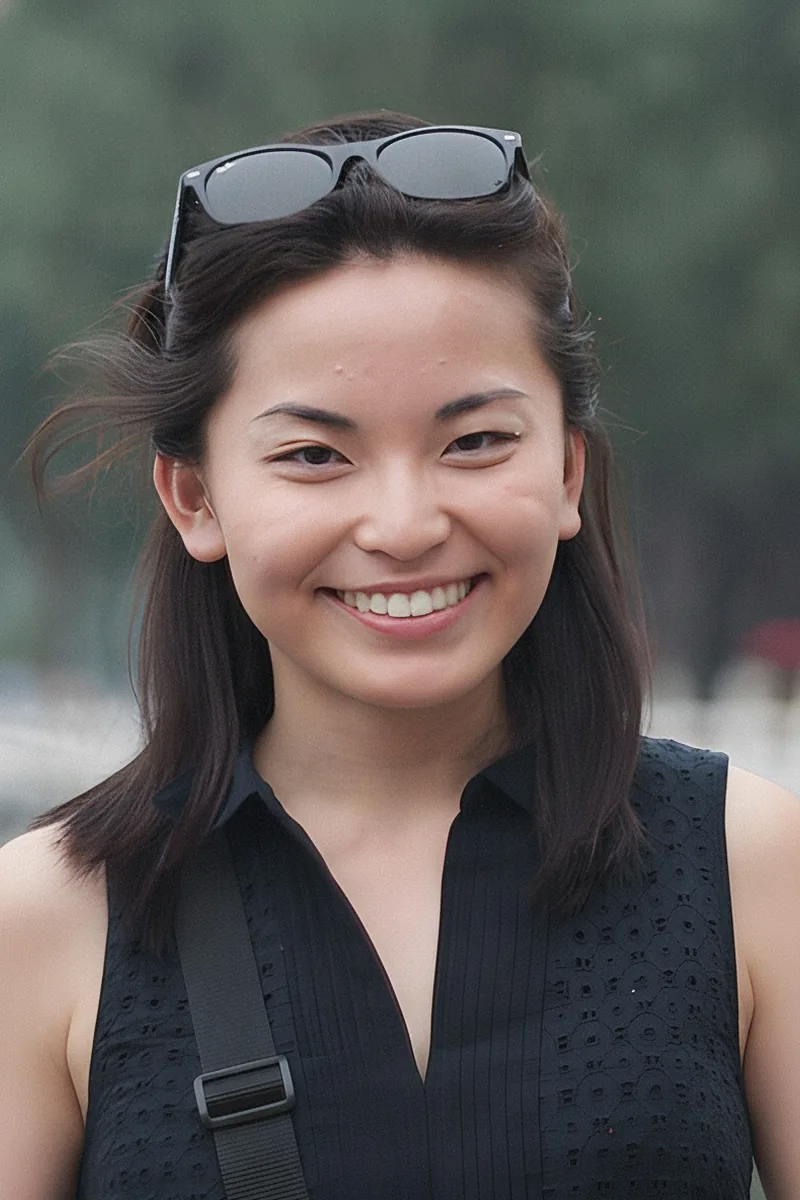
The cultural component of AP Chinese Language and Culture trips up students who only study vocabulary lists — the exam expects nuanced comparisons between Chinese and American cultural practices, from family structures to educational values. Li connects language instruction to these cultural contexts, drawing on her own bicultural academic experience across speech science and medicine.
Most AP Chinese prep zeroes in on language mechanics, but the exam's interpersonal speaking prompts also reward the kind of natural conversational flow that comes from genuine cultural immersion — something Yuyi brings as a native Mandarin speaker who also studied English and psychology at the university level. That dual-language academic background makes her especially effective at coaching students through the interpretive reading section, where parsing formal written Mandarin requires more than character recognition.
The culture component of AP Chinese Language and Culture is where many students lose points — understanding idioms, social registers, and cultural practices well enough to respond authentically under timed conditions. Jiahao's graduate training in interpretation at Beijing Foreign Studies University was built around exactly this kind of cross-cultural fluency, and he brings that depth to every practice prompt and free-response drill.
Melody teaches Mandarin Chinese and is currently studying at Columbia, where her coursework in AP Chinese Language and Culture aligns closely with the exam's cultural comparison prompts — the section where students need to articulate specific, nuanced differences between Chinese and American practices rather than recite generalities. Her 4.9 rating from students speaks to her ability to break down both the interpretive listening tasks and the presentational speaking prompts, where tonal clarity and organized delivery under timed pressure make the difference.
A literature degree paired with fluency in both Mandarin and Cantonese gives Bronwen an unusual edge on the AP Chinese exam's interpretive reading section, where students encounter texts that demand literary analysis skills — not just language ability. She teaches across all four Mandarin levels and scored 1530 on the SAT, reflecting the kind of close-reading discipline she brings to coaching students through the exam's densest written passages. Rated 5.0 by students.
Fifteen years growing up in Taiwan gave James native-level Mandarin and the kind of deep cultural intuition that's hard to teach from a textbook — especially useful for the AP exam's interpersonal speaking prompts, where natural tone, register, and cultural awareness separate top scores. He also tutors across five levels of Mandarin, so he can quickly pinpoint whether a student's struggle is grammatical, vocabulary-based, or rooted in unfamiliarity with formal written Chinese. Rated 5.0 by students.
As a fluent Mandarin speaker studying at Columbia, Zhenyi knows firsthand what it takes to operate at a high level in both English and Chinese — and the AP Chinese exam tests exactly that kind of bilingual agility. She digs into the exam's interpersonal and presentational communication tasks, coaching students on formal register, cultural comparisons, and the idiomatic phrasing that separates a 4 from a 5. Her native fluency means she can catch tonal and grammatical subtleties that non-native instructors often miss.
Having studied French through level 4 and Mandarin Chinese across multiple levels, Noah approaches AP Chinese prep as someone who understands the mechanics of learning tonal languages from the inside — particularly the listening comprehension sections where untrained ears miss contextual shifts in rapid spoken Mandarin. His actuarial science training also lends an unusually methodical structure to exam prep, breaking the cultural comparison essays into scoreable components so students know exactly what earns points.
Few AP Chinese tutors can match Chang's combination: he's a native-level Mandarin speaker who has taught the language professionally to Pentagon and State Department employees, university professors, and traditional students alike. He drills the presentational and interpersonal communication tasks the exam requires — story narration, cultural comparison essays, and conversation responses — with attention to the tonal precision and idiomatic phrasing that separate a 4 from a 5. His deep knowledge of Chinese culture also strengthens students' performance on the cultural awareness components.
Eight years of teaching Chinese language and culture across elementary, middle, and high school levels — plus directing a K-12 language enrichment program — makes Amanda one of the rare tutors who understands the full arc of the AP Chinese exam. She tackles the interpersonal and presentational speaking tasks head-on, coaching students to respond with cultural nuance and grammatical precision under timed conditions. Rated 5.0 by students.
The AP Chinese Language and Culture exam uniquely blends language proficiency with cultural comparison, asking students to present on practices and perspectives across Chinese-speaking communities. Christina's Mandarin instruction spans beginner through advanced levels, giving her a clear sense of where students' gaps tend to hide — whether it's measure words, aspect markers, or the formal tone the exam's interpersonal writing section expects. She builds targeted practice around the exam's six themes so students aren't just fluent but exam-ready.
Barry grew up in China, took the AP Chinese Language and Culture exam himself, and spent years tutoring Chinese 4 students in high school. He knows exactly where the exam tests cultural nuance — from interpreting idiomatic expressions to navigating the presentational writing and speaking prompts — and prepares students for those specific demands.
Scoring well on AP Chinese Language and Culture means navigating presentational writing, interpersonal speaking prompts, and cultural comparison essays — all in Mandarin. Alex is fluent in Mandarin Chinese and understands the tonal pitfalls and character-recognition challenges that trip up American students. He connects language drills to real cultural contexts so the exam's thematic units feel less like abstract categories and more like actual conversations.
The AP Chinese Language and Culture exam tests more than vocabulary — it requires students to compare cultural practices, narrate stories in real time, and write structured responses under pressure. Yiyu, educated in Beijing before earning her M.S. in Education, unpacks the cultural knowledge embedded in each task type and drills the specific speaking and writing patterns that earn top scores.
The AP Chinese Language and Culture exam tests far more than vocabulary — it demands cultural fluency, the ability to compare perspectives, and comfort producing spoken and written Mandarin under timed pressure. Hannah holds a master's degree in Chinese Studies and is fully fluent in reading, writing, and spoken Mandarin, so she can prepare students for every section of the exam with real cultural context behind each response.
Having scored on the SAT Subject Test in Chinese with Listening, Florence brings firsthand experience with the kind of language proficiency AP Chinese demands — from interpreting spoken passages to crafting written responses using appropriate registers. She knows which cultural comparison prompts tend to trip students up and how to structure presentational writing that earns top marks.
Eileen scored well enough on the SAT Subject Test in Chinese with Listening to understand both the language mechanics and the test strategy behind AP Chinese. She tackles the interpersonal and presentational communication tasks by drilling real conversational patterns and teaching students how to structure spoken and written responses under timed conditions.
The AP Chinese Language and Culture exam tests more than vocabulary — it demands cultural literacy, formal writing conventions, and the ability to switch between interpersonal and presentational communication on the spot. May is a native speaker who has taught Mandarin at multiple levels and understands how to bridge the gap between conversational fluency and the precise, structured responses the exam rewards.
Charles speaks both Cantonese and Mandarin and teaches across all four Mandarin Chinese levels, which means he can pinpoint exactly where a student's tonal accuracy or grammatical structure needs tightening before exam day. His strongest contribution to AP Chinese prep is the interpersonal response tasks — he runs rapid-fire conversational drills that build the kind of spontaneous, register-appropriate Mandarin the exam scores highest.
Testimonials
Because the right AP Chinese Language and Culture tutor makes all the difference.
Average Session Rating – Based on 3.4M Learner Ratings
Nearby AP Chinese Language and Culture Tutors
Other Brooklyn Tutors
Related Languages Tutors in Brooklyn
Frequently Asked Questions
The AP Chinese Language and Culture exam tests proficiency across five key areas: interpersonal communication (conversations and discussions), interpretive listening (understanding audio passages), interpretive reading (comprehending written texts), presentational writing (essays and emails), and presentational speaking (recorded responses). The exam emphasizes real-world communication scenarios and cultural knowledge, requiring students to demonstrate intermediate-to-advanced Chinese language skills across all four modalities.
Score improvement depends on your starting level and commitment, but personalized 1-on-1 instruction typically helps students identify and address specific weak areas—whether that's tonal accuracy, reading comprehension speed, or essay organization. Many students see meaningful progress within 8-12 weeks of consistent tutoring, particularly when working on targeted practice with authentic exam materials and receiving immediate feedback on pronunciation and writing.
The most common challenges include managing the speaking and listening sections (which require rapid processing and accurate tonal discrimination), maintaining fluency under timed conditions, and mastering the written essay format with proper grammar and idiomatic expression. Many students also struggle with cultural context questions and reading complex classical or formal texts—areas where targeted practice and expert guidance make a significant difference.
Varsity Tutors connects you with tutors who can create a personalized study plan targeting your specific weak areas, whether that's listening comprehension, tonal accuracy, essay writing, or cultural knowledge. Tutors provide real-time feedback on pronunciation and grammar, help you practice with authentic exam materials and past test questions, teach test-taking strategies for each section, and build your confidence through simulated exam conditions.
Most students benefit from 3-4 months of focused preparation, though this varies based on your current proficiency level. If you're starting from intermediate proficiency, consistent study (8-10 hours per week combined with tutoring sessions) typically allows enough time to master exam-specific strategies, build speaking fluency, and complete multiple practice tests. Starting earlier gives you more flexibility to address weak areas without cramming.
Practice tests help you understand the exact format and pacing of each exam section, identify which areas need more work, and build stamina for the full exam. They also reduce test anxiety by familiarizing you with question types and timing constraints. Working through full-length practice tests with a tutor's feedback allows you to refine strategies and catch patterns in your mistakes before test day.
The speaking section rewards clear pronunciation, accurate tones, and natural pacing—all skills that improve dramatically with personalized feedback. Tutors can help you practice the two speaking tasks (conversation and cultural presentation), correct tonal errors in real-time, teach you how to organize thoughts quickly, and build confidence through repeated practice. Recording yourself and reviewing with a tutor accelerates improvement in this high-pressure section.
Varsity Tutors connects Brooklyn students with expert tutors who specialize in AP Chinese Language and Culture and understand the specific demands of the exam. You can get matched with a tutor based on your schedule, learning style, and preparation timeline. The process is straightforward—simply tell us your goals and when you want to start, and we'll connect you with someone ready to help you succeed.
Let’s find your perfect tutor
Answer a few quick questions. We’ll recommend the right plan and match you with a top 5% tutor.