Award-Winning College Accounting Tutors
serving San Jose, CA
Who needs tutoring?
FEATURED BY


TUTORS FROM
- YaleUniversity
- PrincetonUniversity
- StanfordUniversity
- CornellUniversity
Award-Winning College Accounting Tutors serving San Jose, CA
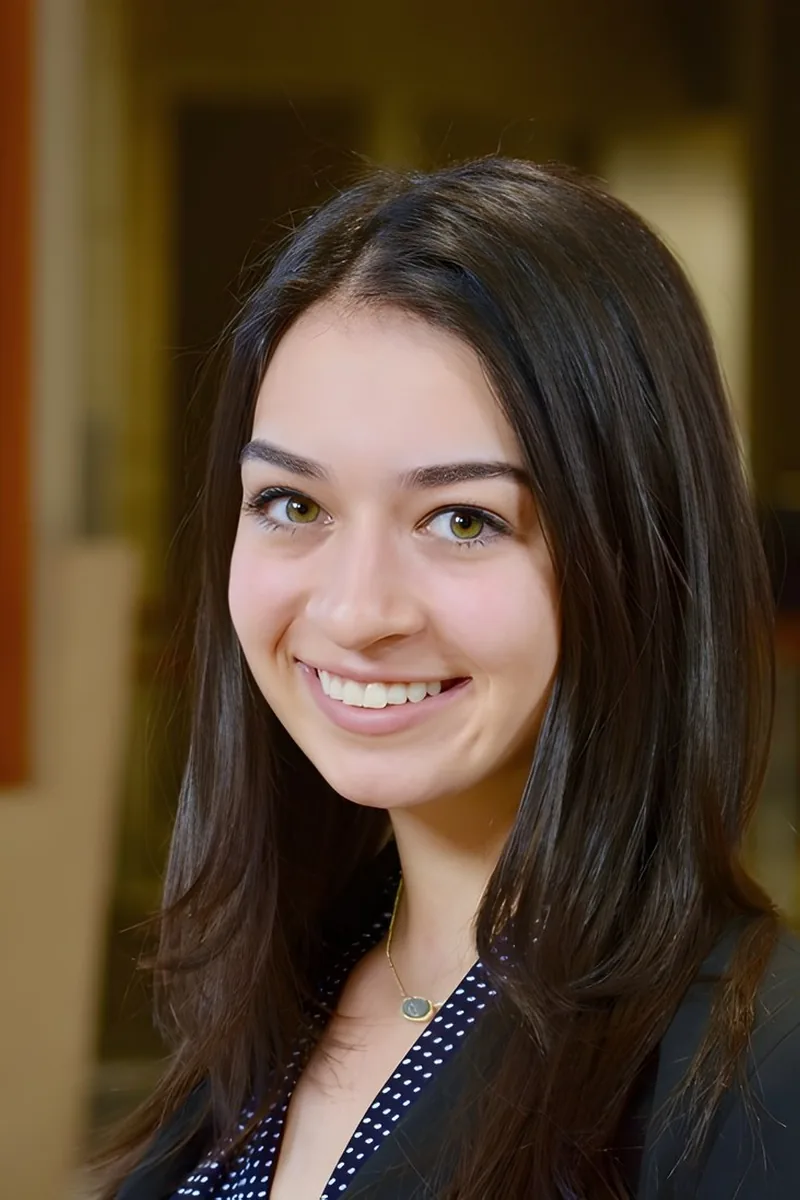
Certified Tutor
5+ years
Tiffany
Intermediate and advanced accounting courses are where many students hit a wall — topics like depreciation methods, inventory valuation, and statement of cash flows require precision that intro classes don't demand. Tiffany earned her BBA in accounting and understands the conceptual framework behind...
University of Notre Dame
Bachelor in Business Administration, Accounting
University of Chicago
Juris Doctor, Legal Studies
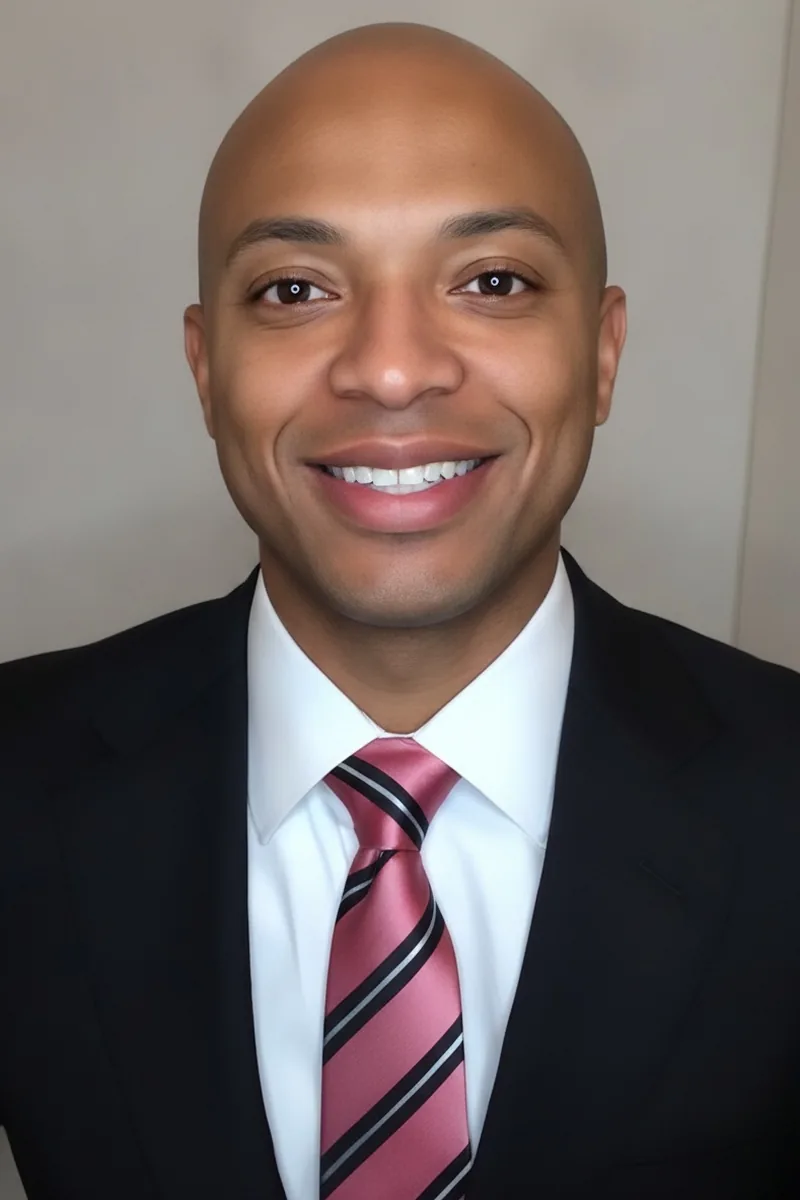
Certified Tutor
Gerard
Gerard's MBA training grounds his accounting instruction in business context — when he walks through journal entries or cost classifications, he connects them to the managerial decisions those numbers actually inform. That business-school lens is especially useful for students who struggle to see ac...
Yale School of Management
Masters in Business Administration, Business
Harvard University
Bachelor in Arts
Certified Tutor
Hari
Debits and credits click faster when someone explains the logic behind the accounting equation instead of just handing you T-account templates. Hari tackles journal entries, adjusting entries, and financial statement preparation by tying each step back to what the numbers actually represent about a ...
University of South Florida-Main Campus
Masters, MBA (Finance and Management)
Washington University in St. Louis
Bachelors
Certified Tutor
5+ years
Benjamin
Intermediate and cost accounting courses demand precision that intro classes don't — allocating overhead, preparing consolidated statements, or working through variance analysis. Benjamin's Notre Dame finance and economics training included rigorous accounting coursework, and he approaches each prob...
University of Notre Dame
Bachelor of Science in Finance and Economics (minor: Innovation and Entrepreneurship)
Certified Tutor
7+ years
Debits, credits, and journal entries follow a logic that's easier to internalize than to memorize, and Rahi approaches accounting that way — as a system with consistent rules. His engineering mindset breaks the accounting cycle into clear steps, from adjusting entries through financial statement pre...
Princeton University
Engineer
Certified Tutor
Peter
Accounting at the college level trips students up when debits and credits stop being simple and journal entries involve adjustments, depreciation, and accruals. Peter's structured teaching approach — honed through his master's in education — turns the accounting cycle into a logical sequence rather ...
Ohio State
Masters in Education, English Education
Syracuse University
Bachelor of Science, Journalism
Certified Tutor
Jack
The jump from introductory to intermediate accounting — when adjusting entries, depreciation methods, and multi-step income statements pile up — is where most students start struggling. Jack approaches these topics systematically, connecting each accounting procedure back to the economic logic he st...
Northwestern University
B.A. in Theatre and Economics
Certified Tutor
2+ years
Angelo
I love helping students in topics related to math, to finance (public and private equity) and to engineering. I believe that if I can't explain concept, then I don't understand it. By that same token, if a student can't explain a concept back to me, then they don't understand it even if they say ...
University of Chicago
Master's/Graduate
University of Pennsylvania
Master's/Graduate
Certified Tutor
Sam
Intermediate and advanced accounting courses are where many college students hit a wall — topics like consolidations, lease accounting, and statement of cash flows require layered thinking that intro classes don't prepare you for. Sam earned his MS in Accounting and teaches these concepts by tracing...
University of Rhode Island
Master of Science, Accounting
University of Chicago
Bachelor in Arts
Certified Tutor
Debits, credits, journal entries, and the full accounting cycle can feel like learning a new language — which is something Lulu understands literally, having mastered multiple languages and two master's degrees, including one in accounting from UT Arlington. She walks students through each step of t...
Harvard University
Master degree in Education
The University of Texas at Arlington
Masters, Accounting
National Taiwan University
Bachelors, Psychology
Certified Tutor
Eric
Once college accounting moves past introductory journal entries into adjusting entries, depreciation methods, and multi-step income statements, the detail level jumps significantly. Eric digs into each transaction's logic — why deferred revenue sits on the balance sheet, how LIFO versus FIFO changes...
University of Michigan
Bachelor in Business Administration, Business
Certified Tutor
6+ years
Bill
Running the books as a CFO for both for-profit and nonprofit organizations means Bill has lived the full accounting cycle — journal entries, financial statements, cost accounting — in contexts where getting it wrong has real consequences. He teaches college accounting by grounding each topic in how ...
Harvard University
Masters in Business Administration, Finance
The University of Texas at Austin
Bachelor in Business Administration, Finance
Certified Tutor
5+ years
Professor
An MBA from USC and Ph.D.-level engineering work might seem like an unusual path into accounting, but Professor Florence's applied mathematics background means she treats the accounting cycle as a logical system — every debit, credit, and adjusting entry follows from a consistent set of rules rather...
University of California Los Angeles
Bachelor of Science, Applied Mathematics
Virginia Polytechnic Institute and State University
Non Degree Doctorals, Engineering Design
Certified Tutor
7+ years
Logan
Accounting isn't one of Logan's core subjects, but his physics and applied mathematics training built the kind of precise, systematic thinking that transfers well to balancing ledgers and working through the accounting cycle. He approaches problems methodically — breaking multi-step processes into l...
University of Pennsylvania
Bachelor in Arts
Certified Tutor
5+ years
Thirty years as a controller and CFO across multiple midsized industrial companies means Alan has closed the books, built budgets, and analyzed variances in settings where accuracy isn't optional. He holds both an MBA and a CMA credential, and he teaches college accounting topics like cost allocatio...
Cornell University
MBA
Cornell University
Bachelor of Science, Labor and Industrial Relations
Nearby College Accounting Tutors
Other San Jose Tutors
Related Business Tutors in San Jose
Frequently Asked Questions
College Accounting introduces complex concepts like accrual accounting, financial statement analysis, and accounting cycles that build on foundational principles. Many students struggle with the transition from basic bookkeeping to understanding how transactions affect multiple accounts simultaneously, and they often find it difficult to connect theoretical concepts to real-world business scenarios. Personalized 1-on-1 instruction helps identify exactly where understanding breaks down—whether it's journal entries, the matching principle, or interpreting financial statements—so tutors can target those specific gaps rather than moving at a classroom pace.
During an initial session, a tutor will assess your current understanding of accounting fundamentals, review your course syllabus and recent assignments, and identify which topics are causing the most difficulty. This might include reviewing your performance on exams, problem sets, or specific accounting concepts like debits and credits, the accounting equation, or financial reporting. From there, the tutor creates a personalized plan focused on your goals—whether that's improving your grade, preparing for exams, or building confidence with challenging topics like consolidations or variance analysis.
In a classroom of 22 students on average in San Jose schools, instructors must move through material at a fixed pace, which doesn't work for everyone. With personalized 1-on-1 instruction, tutors adapt their teaching style to how you learn best—whether you need more time working through practice problems, detailed walkthroughs of complex journal entries, or visual explanations of how accounts interact. Tutors can also focus exclusively on your weak areas rather than reviewing concepts you've already mastered, making your study time significantly more efficient.
College Accounting covers the full accounting cycle including analyzing transactions, recording journal entries, posting to ledgers, adjusting entries, preparing financial statements (income statement, balance sheet, and cash flow statement), and closing accounts. Depending on your course level, you may also work with topics like accounts receivable, inventory valuation methods, depreciation, payroll accounting, and internal controls. Tutors align their instruction with your specific course curriculum and textbook to ensure you're prepared for your exact assignments and exams.
Tutors help you develop a study strategy that goes beyond memorization by building deep understanding of how accounting concepts connect. They'll have you work through practice problems similar to exam questions, review your previous exams to identify patterns in mistakes, and teach you strategies for tackling multi-step accounting problems under time pressure. This targeted practice—combined with retrieval practice and spaced repetition—helps you retain concepts and apply them confidently on test day rather than just cramming the night before.
With consistent personalized instruction, students typically see improvements in their ability to solve accounting problems accurately, understand how transactions flow through financial statements, and approach exams with greater confidence. Many students raise their grades by one letter or more after working with a tutor, while others focus on mastering specific challenging topics like consolidations or equity accounting. The timeline depends on your starting point and goals, but most students notice meaningful progress within 4-6 weeks of regular sessions.
Varsity Tutors connects you with tutors who have strong backgrounds in accounting, whether they're CPAs, accounting professionals, or experienced educators. When you get matched with a tutor, you can discuss your specific course, textbook, and learning style to ensure it's a good fit. You can also adjust your preferences based on your needs—whether you want someone who specializes in exam prep, homework help, or building foundational understanding.
Accounting is a skill-based subject where understanding concepts isn't enough—you need to practice applying them repeatedly to develop fluency and catch common mistakes. Expert tutors use guided practice to help you work through problems step-by-step, explaining the reasoning behind each entry and decision. They'll also assign practice problems between sessions and review your work to identify patterns in your errors, helping you build the muscle memory needed to solve accounting problems quickly and accurately.
Connect with College Accounting Tutors in San Jose
Get matched with local expert tutors