Award-Winning German Tutors
serving Richmond, VA
German
Tutors in Richmond
Private 1-on-1 tutoring, weekly live classes for academic support, test prep & enrichment, practice tests and diagnostics, and more to elevate grades and test scores.
Based on 3.4M Learner Ratings
UniversitiesSchools & Universities
DeliveredHours Delivered
ProficiencyGrowth in Proficiency
Who needs tutoring?
No obligation. Takes ~1 minute.
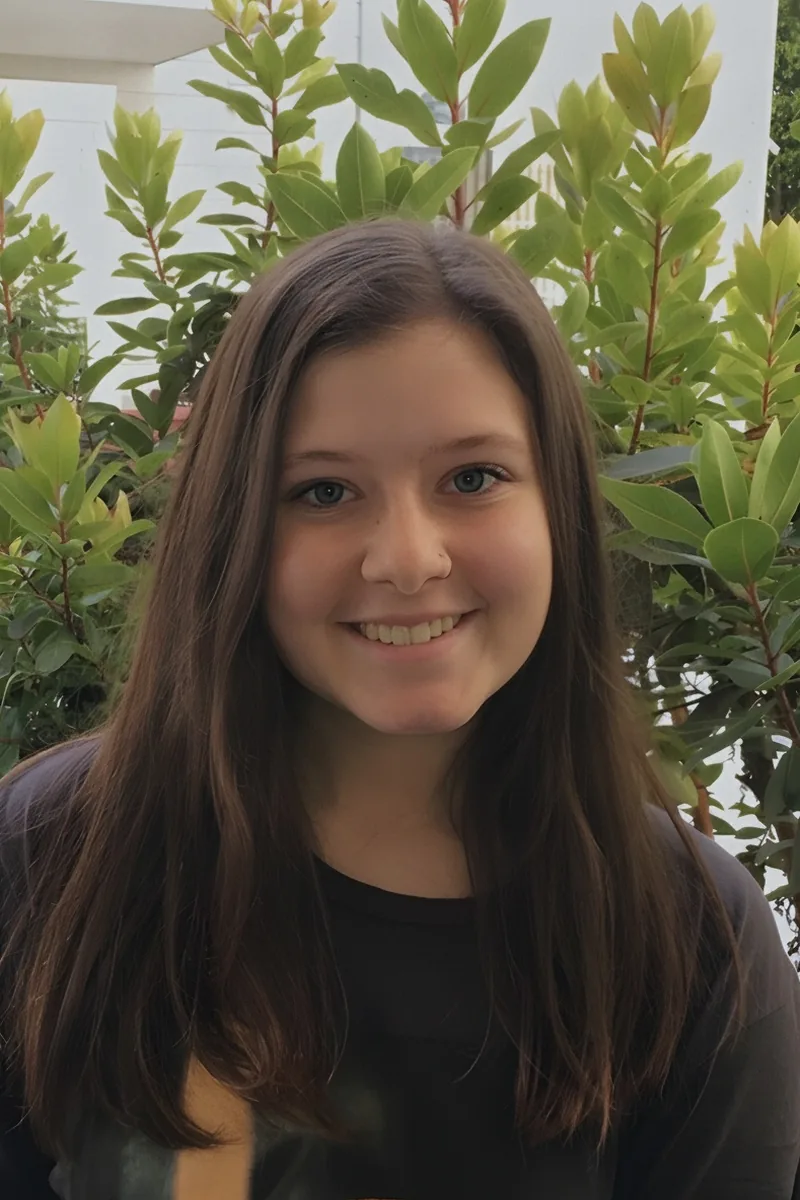
Cognitive science trains you to think about how people actually learn — how memory encodes new information, why certain practice patterns stick and others don't — and Megan applies that lens directly to picking up German vocabulary and grammar. She's not a German major, but her adaptive, learner-first approach means she tailors drills, mnemonics, and visual aids to how each student's brain best absorbs a new language. Rated 5.0 by students.

Nina lived in Berlin for two years and studied German Literature and Linguistics at Humboldt Universität zu Berlin, so her command of the language goes well beyond textbook grammar tables. She unpacks tricky concepts like adjective declension, subordinate clause word order, and gendered articles by grounding them in how German is actually spoken and written day to day.
Studying German at Carleton College means Amanda uses the language daily — in coursework, in conversation, and in reading original texts. She walks students through everything from noun cases and gendered articles in German 1 to more complex subordinate clause structures in German 2, building each lesson around practical usage so grammar rules actually stick.
Six months of full-immersion study in Berlin gave Daniel a feel for German that textbooks alone can't replicate — the way case endings sound natural in conversation, or how separable verbs behave in real speech versus grammar drills. He earned his B.A. in German from Duke with a focus that included twentieth-century German history and politics, which means his lessons often connect language to the culture that shapes it.
Teaching German at Princeton since 2008 and earning the department's top student-satisfaction scores, Megan knows exactly where English speakers stumble — case endings, word order in subordinate clauses, and the gendered article system that trips up even advanced learners. She holds a doctorate in German literature, which means grammar instruction comes embedded in real cultural and literary context. Whether a student is conjugating sein for the first time or unpacking a Rilke poem, she adjusts the complexity to match.
Fluent in German and trained as a PhD-level linguist, Niko teaches the language with an ear for how its grammar actually works — case endings, verb placement, subordinate clause structure — instead of treating rules as arbitrary things to memorize. He connects German's logic to patterns students may already recognize, making concepts like the dative case or separable prefixes click faster. Whether the goal is passing German 1 or reading Kafka in the original, he builds real comprehension.
Learning German means wrestling with case endings, separable verbs, and sentence structures that put the verb in unexpected places. Anuj breaks these grammar puzzles into logical patterns, drawing on his CLEP German background and his psychology training to tailor explanations to how each student actually processes new language. He pairs grammar drills with reading and listening practice so the rules stick in context.
Having studied German as a full undergraduate major, Thomas brings a depth that goes well beyond tourist-level vocabulary — he digs into case systems, subordinate clause word order, and the grammatical gender patterns that trip up English speakers most. Whether a student is working through Konjunktiv II or learning to decode compound nouns, he connects the rules to how the language actually sounds and reads in practice.
Grace brings structured thinking and high energy to German lessons, tackling everything from noun genders and case endings to building conversational confidence. While her primary academic focus is American Studies, her experience teaching across multiple subjects means she knows how to break down tricky grammar rules and make vocabulary practice stick.
Four levels of German means William has moved well past conjugation tables into complex grammar — subordinate clauses, subjunctive mood, case system nuances that trip up even advanced students. As a linguistics major at Yale, he can explain the structural logic behind German syntax in a way that makes rules feel less arbitrary. He's rated 5.0 by students.
A year living in Germany gave Richard the kind of fluency that textbooks can't replicate — intuitions about word order, case endings, and the subtle differences between written and spoken registers. He teaches German grammar systematically while weaving in the cultural context that makes vocabulary and idioms easier to internalize.
Amber majored in German at Northwestern, which means she didn't just study the language — she read novels, wrote research papers, and debated in it. She teaches grammar concepts like case endings and word order through pattern recognition, showing students the underlying logic so they can construct sentences on their own instead of relying on memorization tables.
Willow didn't just study German in a classroom — she earned departmental honors in German Studies at UCLA and spent time at Humboldt Universität Berlin immersed in the language. She tackles grammar concepts like case endings, subordinate clause word order, and verb conjugation patterns by connecting them to how native speakers actually think about sentence structure. That academic depth paired with real immersion experience makes a difference for students at any level.
Teaching German at every level from beginner to advanced, Nadja is a native-level speaker who understands the grammar hurdles — case endings, separable verbs, subordinate clause word order — that trip up English speakers most. She integrates conversation practice with structured grammar drills so students build fluency and accuracy at the same time.
Testimonials
Because the right German tutor makes all the difference.
Average Session Rating – Based on 3.4M Learner Ratings
Other Richmond Tutors
Related Languages Tutors in Richmond
Frequently Asked Questions
Fluency depends on your starting level and learning intensity. The U.S. Foreign Service Institute estimates approximately 750-900 hours of study to reach professional proficiency in German. With personalized 1-on-1 instruction, you can accelerate progress by focusing on your specific goals—whether that's conversational fluency, exam preparation, or business communication. A tutor can create a customized timeline based on your current level and target proficiency.
Speaking is often the most neglected skill in traditional classroom settings, where students may rarely get individual speaking time. Personalized 1-on-1 instruction provides dedicated conversation practice that builds confidence and develops natural fluency. A tutor can correct pronunciation, model authentic speech patterns, and create real-world scenarios that help you think and respond in German without translating from English first.
German verb conjugation is challenging because patterns vary by tense and verb type (regular, irregular, separable). Rather than memorizing rules in isolation, a tutor teaches conjugation through meaningful practice—using verbs in context, recognizing patterns, and building automaticity through spaced repetition. This approach helps conjugation become intuitive rather than something you have to consciously think about during conversation.
Effective vocabulary retention requires using words in multiple contexts—speaking, writing, listening, and reading—rather than just memorizing lists. A tutor can integrate new vocabulary into conversation practice, relevant texts, and real-world scenarios that make words memorable and practical. Spaced repetition and retrieval practice (testing yourself on words you've learned) also strengthen long-term retention better than cramming.
Yes. Pronunciation improvement requires immediate feedback and modeling from a native or fluent speaker, which personalized tutoring provides. A tutor can identify specific sounds you struggle with (like the German 'ü' or 'ch'), explain mouth and tongue positioning, and give you corrective feedback in real-time. Regular practice with a tutor helps you internalize authentic pronunciation patterns and build confidence speaking.
Richmond's 8 school districts follow Virginia's foreign language standards, which emphasize the four skills—reading, writing, speaking, and listening—across proficiency levels. Whether you're in middle school German, AP German, or preparing for the AATG exam, a tutor can supplement classroom instruction, clarify difficult concepts, and provide extra speaking practice that classroom time often doesn't allow. This personalized support helps you excel in your school's curriculum while building genuine communication skills.
Absolutely. Understanding German-speaking culture—literature, history, media, and social norms—provides context that makes grammar and vocabulary more meaningful and memorable. A tutor can incorporate cultural elements into lessons, discuss authentic materials like German films or news articles, and explain idioms and expressions rooted in cultural values. This immersion-style approach deepens both language skills and cultural appreciation.
Your first session focuses on assessment and goal-setting. A tutor will evaluate your current German level across all four skills, understand your learning goals (whether that's exam prep, conversation fluency, or academic support), and discuss your learning style and preferences. From there, they'll design a personalized plan that targets your specific needs and tracks progress toward your goals.
Let’s find your perfect tutor
Answer a few quick questions. We’ll recommend the right plan and match you with a top 5% tutor.