Award-Winning College Essays Tutors
serving Concord, CA
Award-Winning
College Essays
Tutors in Concord
Private 1-on-1 tutoring, weekly live classes for academic support, test prep & enrichment, practice tests and diagnostics, and more to elevate grades and test scores.
Based on 3.4M Learner Ratings
UniversitiesSchools & Universities
DeliveredHours Delivered
ProficiencyGrowth in Proficiency
Who needs tutoring?
No obligation. Takes ~1 minute.
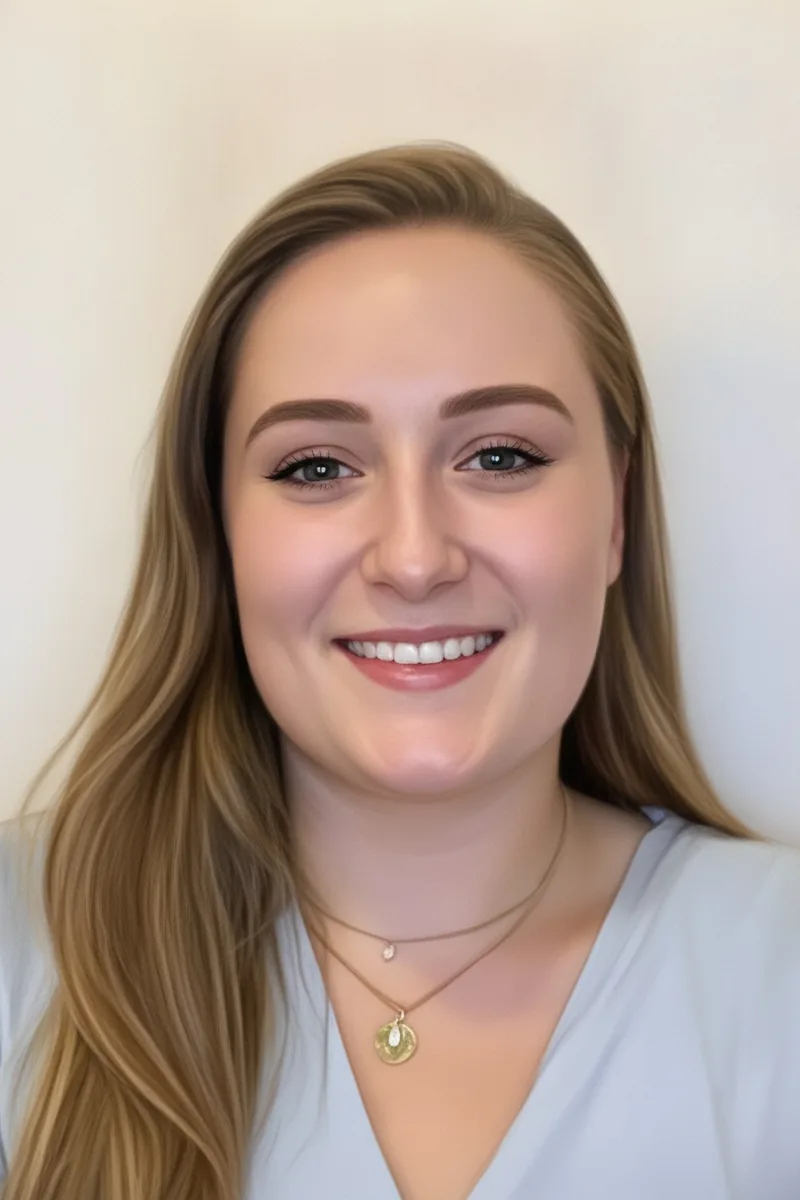
A compelling college essay isn't a résumé in paragraph form — it's a story that reveals how a student thinks. Mimi's arts and humanities background at Dartmouth sharpened her eye for narrative structure and authentic voice, and her Harvard education training means she knows how to draw out the specific details that make an applicant's essay memorable to admissions readers.
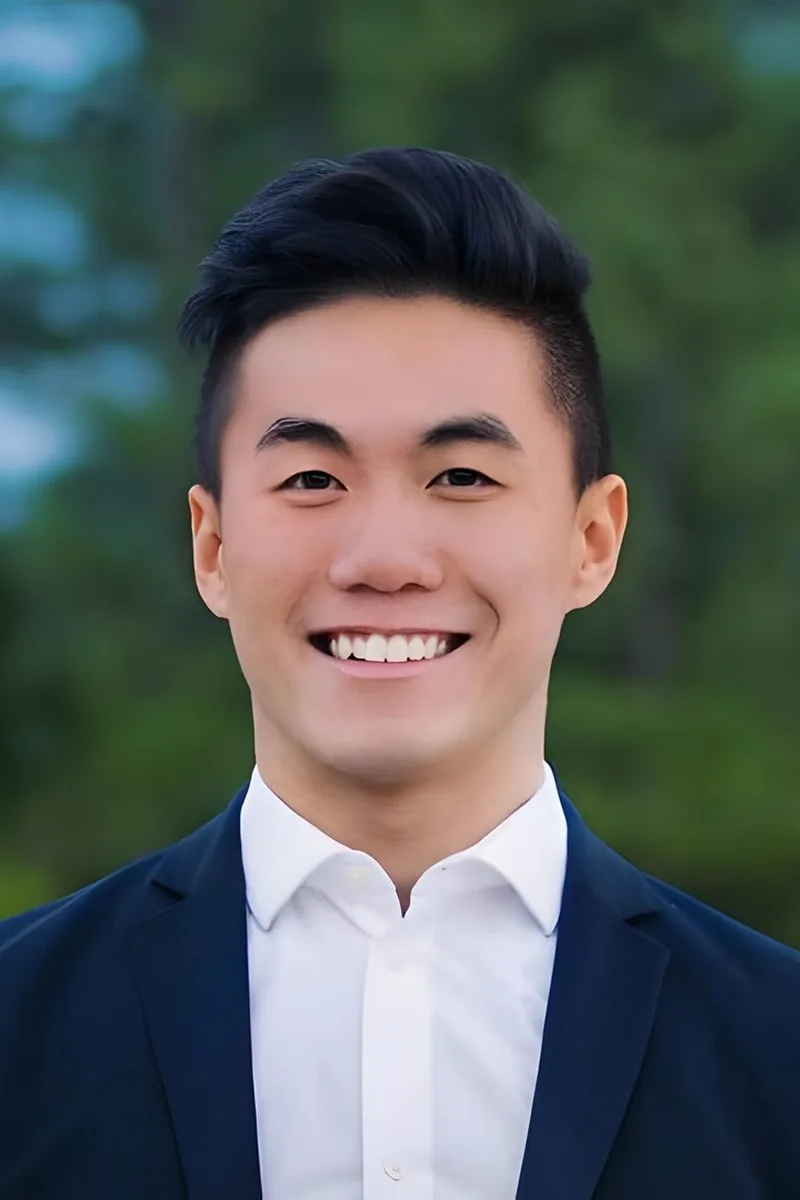
A strong college essay isn't about listing achievements — it's about revealing how you think. Aaron went through the application process as an engineering student and knows how to help applicants find a specific, genuine angle that admissions readers remember. He walks through brainstorming, drafting, and revision as distinct stages so the final essay sounds like the student, not a committee.
Having navigated applications to Columbia's master's program and NYU's doctoral program, Nina understands what admissions committees are actually looking for — specificity, self-awareness, and a narrative that connects experiences to goals. She's particularly strong at helping STEM-oriented students translate lab work, research interests, or quantitative passions into compelling personal stories. Her editing is direct and structural, not just cosmetic.
A strong college essay doesn't summarize a résumé — it reveals how a student thinks. Reid, who holds a PhD in Education from Harvard and a sociology degree from Wesleyan, knows how to draw out the specific personal narratives that admissions committees remember. He walks students through brainstorming, structural choices, and revision until every sentence earns its place.
A strong college essay doesn't summarize a résumé — it reveals how a student thinks. Liz's humanities and anthropology training at Washington University in St. Louis sharpened her ability to find the specific, telling detail in a broader narrative, which is exactly what admissions readers look for. She walks students through brainstorming, drafting, and revision with an emphasis on authentic voice and structural clarity.
Writing a college essay that actually sounds like you — not like a thesaurus exploded on a personal statement — is harder than it looks. Charles went through the process himself as a Yale admit and knows how to help a student find the one specific story that admissions officers will remember. He's also a writer and reader in his spare time, which means he edits for voice and narrative arc, not just grammar.
Having worked in Harvard's admissions office, Solange has read application essays from the other side of the desk and knows what makes a reader pause versus skim. She teaches students to identify a single, specific narrative thread — not a résumé recap — and shape it into a personal statement that sounds unmistakably like them. That insider perspective is hard to replicate from a guidebook.
Having gone through the admissions process at Harvard, Christopher knows firsthand what makes a college essay land — specificity, voice, and a narrative arc that reveals something a transcript can't. He walks students through brainstorming, drafting, and revising so the final product sounds unmistakably like them, not like a template.
Having navigated medical school applications at Baylor College of Medicine, Michelle understands how to shape a personal narrative that admissions readers actually remember. She teaches students to identify the one specific story that reveals something a transcript can't, then structure it with a clear arc. Her feedback targets both the big-picture argument and the sentence-level choices that separate a good essay from a compelling one.
A strong college essay needs a genuine voice and a specific story — not a résumé rewrite or a thesaurus exercise. Justin went through the admissions process himself for the University of Chicago's PhD program and understands how to shape a personal narrative that stands out to selective readers. He works through brainstorming, structure, and revision with a methodical eye, making sure each draft gets sharper and more authentically the student's own.
After graduating from the University of Chicago, Asta spent time as an admissions consultant in Hong Kong, coaching international students through the entire college essay process — brainstorming, drafting, and revising personal statements and supplements. She knows what admissions readers look for: a specific, authentic voice and a narrative arc that reveals character rather than just listing accomplishments. Rated 5.0 by students.
A strong college essay needs a specific story told in a distinctive voice, not a résumé rewritten in paragraph form. Andrew, an avid reader and writer who completed a doctoral program, knows how to shape a personal narrative that holds an admissions reader's attention. He walks through brainstorming, drafting, and revision as separate stages so the final product feels polished without sounding over-engineered.
A strong college essay doesn't summarize a résumé — it reveals how a student thinks. Daniel, who has a sociology background, excels at drawing out the personal narratives and specific moments that admissions readers remember, then shaping drafts until the voice on the page sounds unmistakably like the applicant.
A strong college essay doesn't summarize a résumé — it reveals how a student thinks. As a Johns Hopkins student who went through the admissions process herself, Sabira walks applicants through brainstorming, drafting, and refining a personal narrative that sounds genuinely like them. Her own love of writing and reading gives her a sharp editorial eye for voice and structure.
A strong college essay isn't a résumé in paragraph form — it's an argument about who you are, built from one specific moment or idea. Justin has spent his academic career at the University of Chicago and now UNM constructing and evaluating exactly these kinds of arguments, and he applies that rigor to helping students find the single thread that makes their essay compelling. He digs into drafts at the structural level, reshaping narrative arc and voice before polishing sentences.
Having gone through the admissions process at MIT and now Georgia Tech's PhD program, Isabella knows what makes a personal statement land with a committee — specificity, structure, and a voice that sounds like the person writing it. She walks students through brainstorming, drafting, and revising so the final essay reveals something a transcript can't.
Having navigated the admissions process into Harvard and then into Columbia Medical School, James understands what admissions committees are actually looking for — a specific, authentic voice rather than a résumé repackaged as prose. He walks students through brainstorming, structural choices, and revision with an eye toward making each essay unmistakably theirs. His 4.9 rating speaks to how well he balances honest feedback with encouragement.
A college essay needs to sound like you — not like every other applicant who Googled "how to write a personal statement." Elena, who develops curriculum professionally and earned First Class Honors from McGill and Edinburgh, coaches students through finding the one specific story or detail that admissions officers will actually remember. She treats the process like a creative collaboration, working through brainstorming, drafting, and ruthless editing until the voice on the page is unmistakably the student's own.
As a first-generation college student who earned a Gilman Scholarship to study abroad and now pursues a double major at Northwestern, Ingrid knows how to turn a complicated personal story into a compelling, focused admissions essay. She digs into brainstorming with students to identify the one narrative thread that admissions officers will remember — then sharpens every paragraph until voice and structure reinforce each other.
Having gone through the Harvard application process and later written a senior thesis on education philosophy, Henry understands what admissions readers are actually looking for: a specific, honest voice rather than a highlight reel of accomplishments. He digs into brainstorming and revision with students, pushing each draft toward a sharper narrative arc and a more distinctive point of view.
Having navigated the doctoral admissions process herself, Renee knows that a college essay lives or dies by its specificity — not grand claims, but one well-chosen moment that reveals character. She spent four years as a writing consultant during undergrad and brings that editorial instinct to brainstorming, drafting, and tightening personal statements that sound genuinely like the student writing them.
A strong college essay doesn't summarize achievements — it reveals how a student thinks. Sung, who lists writing and reading among his core interests, digs into brainstorming sessions that surface the specific moments and reflections admissions officers remember. He then tackles structure, voice, and revision with an editor's eye, making sure every draft sounds authentically like the student writing it.
A strong college essay doesn't summarize a résumé — it reveals how a student thinks. Sherry's dual background in psychology and linguistics at the University of Chicago gives her a sharp eye for both narrative voice and the subtle ways word choice shapes a reader's perception. She walks students through brainstorming, drafting, and revising until the essay sounds unmistakably like them.
A strong college essay doesn't summarize a résumé — it reveals how a student thinks. Lauren approaches the personal statement as a craft exercise, pushing students to find the one specific moment or detail that makes their voice unmistakable, then shaping the draft until every sentence earns its place.
Getting into Yale twice — once as an undergrad, once for her MPH — means Emily knows exactly what admissions officers respond to in a personal statement. She digs into brainstorming, narrative structure, and voice to turn a rough idea into an essay that sounds unmistakably like the student writing it. Rated 5.0 by students.
College admissions essays aren't academic papers — they're personal narratives that need a distinct voice, a specific moment, and a reason the reader should care. Brittney has been coaching students through this process since 2008, and her Comparative Literature background means she understands storytelling at a structural level. She pushes drafts past the generic "overcoming adversity" template toward something that actually sounds like the student writing it.
A strong college essay doesn't summarize a résumé — it reveals how a student actually thinks. Matt approaches the brainstorming phase by digging into moments of genuine surprise, conflict, or change in a student's life, then structures drafts around a single narrative arc that admissions readers remember.
College admissions readers spend roughly four minutes on an essay, which means the opening line, narrative arc, and voice all need to land fast. Keith approaches each draft by identifying the single most compelling thing about a student's story and cutting everything that doesn't serve it. His own writing background — political science and English coursework at Williams, plus admission to Cornell Law — means he understands what selective readers look for.
A journalism degree teaches you to find the story that matters and tell it fast — exactly what admissions officers want in a college essay. Shelley pairs that editorial instinct with her psychology training to help students identify the personal experiences that reveal genuine character, then shape those moments into tight, compelling narratives. She holds a 5.0 rating from students.
A PhD in statistics and a biomedical engineering degree mean Sam has spent years writing for audiences who punish vagueness — and that editorial ruthlessness is exactly what a bloated college essay draft needs. He's particularly effective with applicants whose lives revolve around quantitative work, helping them locate the personal story buried underneath the résumé bullet points and build a narrative around it. Rated 4.9 by students.
A strong college essay turns a specific moment into a window on how a student thinks — and that's harder to pull off than it sounds. Ben went through the Penn admissions process himself and now walks students through brainstorming, drafting, and revising personal statements that sound genuinely like them rather than like a template.
As a current pre-health grad student at Penn, Shayan has navigated the exact admissions process that college essay writers are facing — crafting a personal narrative that stands out in a competitive applicant pool. He zeroes in on finding the one specific story or moment that reveals character, then builds the essay's structure around it so every paragraph earns its place.
As someone who wrote her way into Yale and now serves as an editor for two campus publications, Ellie understands that a college essay isn't a résumé — it's a voice. She walks students through brainstorming, drafting, and revising so the final piece reveals something specific about who they are, not just what they've accomplished. Her 5.0 rating speaks to how well that process works.
Having navigated the college application process from the Bay Area and later tackled law school admissions at UChicago, Elena understands what admissions readers are scanning for — specificity, authentic voice, and a narrative arc that actually reveals something about the writer. She pushes students to dig past their first-draft instincts and find the concrete details that make a personal statement memorable rather than generic.
A college essay that actually lands an admission reader's attention needs a specific, honest story — not a list of accomplishments repackaged in paragraph form. Frances graduated magna cum laude from Duke and understands what selective admissions offices respond to. She pushes students to find the one moment or detail that reveals something genuine, then shapes the draft until every sentence earns its place.
Perry wrote his way into the University of Miami Miller School of Medicine, so he understands what admissions readers look for: a specific, authentic voice and a narrative arc that reveals character rather than just listing accomplishments. He digs into brainstorming and structural revision, pushing drafts from generic to genuinely personal.
Medical school admissions taught Nishad firsthand how a personal statement can make or break an application — and he brings that same stakes-awareness to undergraduate college essays. He digs into brainstorming with students to find the one story that admissions officers haven't read a hundred times, then sharpens the narrative voice until the essay sounds unmistakably like them.
Having read thousands of pages of persuasive writing as an attorney and philosophy major, Emily knows what makes an argument land — and a college essay is ultimately an argument for why you belong at a school. She teaches students to identify the single most compelling thread in their experience and build every paragraph around it, cutting the filler admissions officers skim past.
Getting into medical school required Sydny to write personal statements that distilled years of experience into compelling, concise narratives — and she applies that same editorial instinct to college essays. She digs into what makes a student's story distinctive, then shapes the draft so every sentence earns its place on the page.
The hardest part of a college essay isn't the writing — it's figuring out which story to tell and why it matters to an admissions reader. Sam went through the application process across multiple competitive programs and knows how to pull a compelling narrative thread from a student's experiences without sounding generic or overpolished. He walks through brainstorming, drafting, and revision as distinct stages, so students end up with an essay that sounds unmistakably like them.
Testimonials
Because the right College Essays tutor makes all the difference.
Average Session Rating – Based on 3.4M Learner Ratings
Nearby College Essays Tutors
Other Concord Tutors
Related English Tutors in Concord
Frequently Asked Questions
College essay tutoring focuses on helping students develop compelling narratives that showcase their unique voice and perspective to admissions committees. Tutors work with students on essay structure, thesis development, brainstorming meaningful topics, refining arguments, and polishing prose through multiple revision cycles. The goal is to create authentic, well-written essays that strengthen a student's overall application.
Varsity Tutors connects you with tutors who guide you through each stage of essay development—from brainstorming and outlining to drafting and revising. Rather than simply editing for grammar, tutors provide personalized feedback on your ideas, organization, and voice, helping you strengthen your argument and tell your story more effectively. Most students benefit from working with a tutor across multiple sessions to refine their essays before submission.
Many students struggle with choosing a meaningful topic that authentically reflects who they are, or they write in an overly formal voice that doesn't sound like themselves. Others face writer's block when starting, have difficulty organizing their thoughts logically, or struggle to balance showing rather than telling their story. A tutor can help you overcome these obstacles by asking clarifying questions, offering organizational strategies, and providing constructive feedback on your drafts.
Personalized 1-on-1 tutoring goes beyond proofreading—a tutor works with you to understand your ideas, develop your arguments, and strengthen your voice throughout the writing process. Instead of just marking errors, tutors ask questions that help you think more deeply about your topic and guide you toward your own solutions. This collaborative approach helps you become a better writer while creating an essay that's authentically yours.
Bring any essay prompts you're working on, notes about potential topics you're considering, and drafts if you have them—even rough ones are helpful. It's also useful to have information about the colleges you're applying to, as different schools may have different essay expectations. If you haven't started yet, just come ready to discuss your interests, experiences, and what you want admissions committees to know about you.
Ideally, students benefit from starting college essay work in the summer before senior year or early in the fall, which allows time for brainstorming, multiple drafts, and thoughtful revision. However, tutors can also help students who are working closer to application deadlines—the key is starting as soon as possible to avoid rushing the writing process. Even a few sessions can significantly improve your essays if you're short on time.
Varsity Tutors connects you with experienced tutors who specialize in college essay writing and understand what admissions committees are looking for. You can specify your needs—whether you need help with brainstorming, drafting, revision, or working with specific college prompts—and get matched with a tutor who fits your learning style and timeline. The matching process ensures you work with someone qualified to help you succeed.
Many students worry about sounding "impressive" and end up writing in a stiff, formal voice that doesn't reflect who they really are. A tutor helps you recognize when your writing sounds inauthentic and guides you toward expressing your genuine thoughts and personality on the page. Through revision and feedback, you'll learn to write in a way that's both engaging and true to yourself—which is exactly what admissions committees want to read.
Let’s find your perfect tutor
Answer a few quick questions. We’ll recommend the right plan and match you with a top 5% tutor.