Award-Winning Literature Tutors
serving Bakersfield, CA
Literature
Tutors in Bakersfield
Private 1-on-1 tutoring, weekly live classes for academic support, test prep & enrichment, practice tests and diagnostics, and more to elevate grades and test scores.
Based on 3.4M Learner Ratings
UniversitiesSchools & Universities
DeliveredHours Delivered
ProficiencyGrowth in Proficiency
Who needs tutoring?
No obligation. Takes ~1 minute.
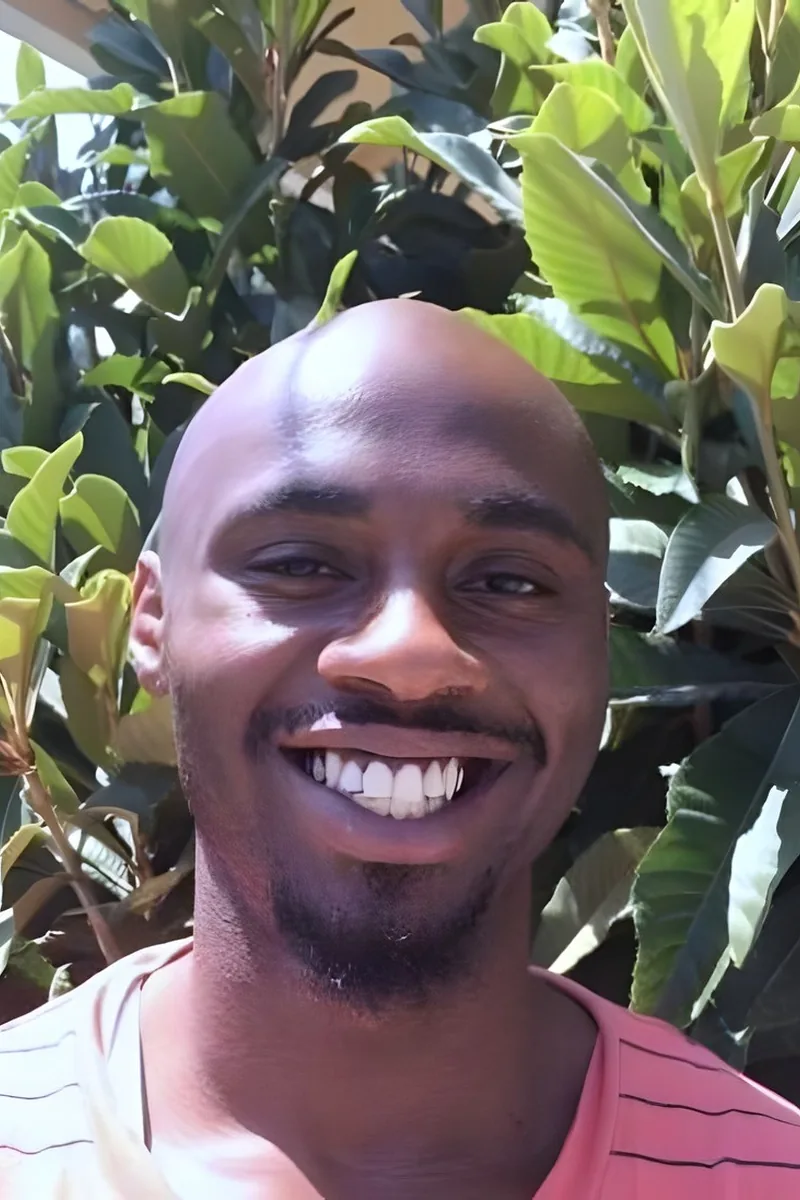
Analytical thinking is analytical thinking, whether you're parsing a physics problem or unpacking a passage from Toni Morrison — that's Brian's core philosophy. His broad liberal-arts engagement at Caltech trained him to read closely for argument structure, symbolic patterns, and authorial intent, and he teaches students to build interpretive claims that are grounded in specific textual evidence rather than vague impressions.

Literary analysis comes down to arguing a point with textual evidence, not just summarizing what happened in the book. Jackie teaches students to identify how devices like unreliable narration, motif, and structural choices create meaning — then build that observation into a thesis worth defending. Her background in both AP-level coursework and college-level writing gives her a clear sense of what strong close reading looks like at each level.
Studying English literature at Harvard meant wrestling with texts across centuries and genres — from Renaissance poetry to contemporary novels — and defending interpretations with close textual evidence. Ema brings that same rigor to literature tutoring, teaching students how to move from a gut reaction about a passage to a structured, arguable thesis. Her background in screenwriting also gives her a sharp eye for narrative structure and character motivation.
Reading a novel and actually analyzing it are two different skills, and Sean bridges that gap by teaching students to identify how literary devices — symbolism, unreliable narration, shifts in tone — build meaning across a text. His background in comparative literature means he can pull connections between works that make individual texts click in new ways.
Reading a novel closely means asking what the author is doing with structure, imagery, and voice — not just summarizing plot. Christina teaches students to build interpretive arguments by anchoring claims in specific textual evidence, whether they're analyzing a Shakespeare soliloquy or unpacking the narrative layers in a contemporary novel.
Reading literature at Yale across two majors meant Katrina spent years dissecting everything from Victorian novels to contemporary film criticism, always asking what a text is doing and why. She teaches students to identify narrative structure, track symbolism, and build interpretive arguments that go beyond plot summary. That cross-disciplinary lens — sociology meets storytelling — gives her a distinctive way of opening up difficult texts.
Someone who used to hate reading and now counts it among his favorite activities, Aaron knows firsthand that the right approach to a text changes everything. He teaches students to dig into literary devices — symbolism, narrative voice, thematic tension — by treating each work as a puzzle rather than an assignment to survive. That analytical lens, sharpened by his science training, brings a fresh perspective to close reading and discussion.
Studying screenwriting at USC means Kiersten spends her days inside narrative structure — analyzing how authors build tension, deploy symbolism, and use point of view to shape meaning. She brings that same close-reading lens to literature tutoring, whether a student is unpacking the unreliable narration in *The Great Gatsby* or tracing thematic threads through a Shakespeare play.
Analyzing literature is really about building an argument from textual evidence — identifying how an author's choices in diction, structure, or imagery create meaning. Timothy sharpened those close-reading skills through AP English Lit and his political science coursework, where interpreting dense texts and defending a thesis were daily requirements. He walks students through the process of moving from observation to analysis to a cohesive written argument.
Scoring a 5 on AP Literature required Chris to do more than summarize plots — it meant constructing tight analytical arguments about tone, imagery, and narrative structure under time pressure. He teaches students to read like writers, picking apart how authors use language to build meaning rather than just tracking what happens in a story.
English and French literature are the two great passions of Carla's life, and that genuine enthusiasm shows up in how she teaches everything from Shakespearean sonnets to contemporary fiction. She digs into literary devices — imagery, unreliable narration, structural motifs — and shows students how to build interpretive arguments that go beyond plot summary. Rated 5.0 by students.
Reading literature well is really about building an argument from textual evidence — a skill Keith sharpened through his political science studies at UCLA and years of legal practice. He teaches students to move past surface-level plot summary and dig into how an author's choices in structure, diction, and imagery create meaning. That analytical lens turns a vague essay into a precise, well-supported interpretation.
Reading literature closely — picking apart an unreliable narrator in a novel or tracing a recurring image through a poem — requires the same analytical instinct Daniel honed in scientific research: observe carefully, form a hypothesis, find evidence. He teaches students to build interpretive arguments grounded in the text itself, not just gut reactions. His favorite part is watching a student realize that a passage they thought was straightforward actually operates on multiple levels.
Between his BFA in Drama and his role as literary manager for theater companies in New York and Los Angeles, John reads literature the way it's meant to be engaged — as living, performable, arguable text. He digs into how authors use symbolism, narrative structure, and point of view to build meaning, whether the assignment involves Shakespeare, Toni Morrison, or a contemporary short story. That dual lens of theatrical and editorial interpretation gives students a richer way into any text.
While literature isn't Shant's primary discipline, his UCLA education required extensive analytical reading and writing across the sciences and humanities. He tackles literary analysis the way a scientist approaches a dataset — identifying patterns in a text's structure, language, and themes, then building an argument from the evidence.
Reading literature well means doing more than summarizing plot — it means noticing how an author's choices create meaning. Jennifer teaches students to analyze elements like symbolism, narrative voice, and historical context, then translate those observations into clear, evidence-driven written arguments.
Reading has been a lifelong habit for Raquel, and she brings that genuine enthusiasm to analyzing everything from poetry and short fiction to full novels. She teaches students to dig into literary devices — symbolism, narrative voice, figurative language — by connecting them to the bigger questions a text is asking, which makes close reading feel purposeful rather than tedious.
Studying the Near East at the undergraduate level meant Anna spent years close-reading ancient texts in translation — epic poetry, religious allegory, political rhetoric — and learning to unpack layers of meaning across cultural contexts. That training carries directly into teaching literary analysis, whether a student is dissecting symbolism in a novel or building an argument about narrative voice in a short story.
Reading a novel for class and actually analyzing it are two very different tasks. Jerome teaches students to break down literary devices — symbolism, unreliable narration, shifts in tone — and turn close-reading observations into arguments they can defend in essays and class discussions.
Literary analysis clicks once a student stops asking "what does this mean?" and starts asking "how is this built?" — examining imagery patterns, narrative structure, unreliable narration, and the choices an author made on purpose. Andrew earned his degree in Literatures in English and brings a genuine enthusiasm for close reading that makes even reluctant readers engage with a text on a deeper level.
Reading a novel closely means asking uncomfortable questions about unreliable narrators, competing symbols, and what the text refuses to say outright. Dorothy digs into these interpretive layers with students, whether they're unpacking the social commentary in a Victorian novel or tracing imagery patterns in contemporary fiction. Her BA in English grounds every conversation in careful textual evidence.
Emily's psychology background gives her an unusual lens for literature: she reads characters through the frameworks of motivation, cognitive bias, and social influence that most English classes never touch. Whether it's unpacking unreliable narration in *The Great Gatsby* or tracing power dynamics in Shakespeare, she teaches students to build interpretive arguments that go beyond plot summary.
Reading a novel or poem closely means asking better questions — about an author's word choices, narrative structure, and the historical moment behind the text. Linda's language background across English, Spanish, and French gives her an unusual sensitivity to how meaning shifts with tone, syntax, and cultural context. She teaches students to build interpretive arguments grounded in textual evidence rather than surface-level summaries.
An avid science fiction and fantasy reader since childhood, Mitch knows how to dig into a text for theme, symbolism, and narrative structure. He teaches students to build arguments from textual evidence rather than summarize plot, turning close reading into a skill they can apply to any assigned novel or poem.
Reading a novel closely means asking what the author is doing with structure, voice, and imagery — not just summarizing plot. Nicole's background in international development at UCLA trained her to analyze complex texts across disciplines, and she applies that same close-reading discipline to poetry, fiction, and literary nonfiction.
I am a graduate of Duke University with a degree in Health Policy and Education Policy. While at Duke University I was a student athlete, participated in the leadership of several clubs and service groups; as well as, working as a Math and Reading tutor. After graduation I spent a year pursing a business venture allotted to me through the Elevator Pitch Competition, my senior year of college, which I won in my category - Non-Profits. After that year, I joined the Teach for America Fellowship, where I fell in love with teaching. The Teach for America Fellowship is 2 years; however, after my first year due to the recognition and growth in my classroom I was invited to start a school. I spent 2 years at that school prior to getting married and moving to California, a few months ago, with my amazing, aerospace loving, husband.
A lifelong reader who lists books among his top hobbies, John approaches literature by teaching students to dig into how an author builds an argument through structure, imagery, and voice. His science background actually sharpens this work — he treats close reading like hypothesis testing, asking students to find textual evidence before drawing conclusions.
While literature isn't his primary discipline, Alok brings an analytical mindset sharpened by four years of engineering coursework to close reading and textual interpretation. He's particularly effective at teaching students how to build a logical argument about a text — tracing themes, identifying literary devices, and connecting evidence to a thesis.
Reading a novel for class and actually analyzing it are two different skills, and the gap usually shows up when students try to write about theme or symbolism. Naama approaches literary analysis as close reading — pulling apart an author's word choices, narrative structure, and rhetorical moves to build interpretations grounded in the text rather than summary.
Reading a novel closely means learning to ask better questions — about unreliable narrators, recurring imagery, or why an author chose present tense over past. Ben studied English as an undergraduate and now pursues philosophy at the graduate level, a combination that sharpens his ability to unpack both the craft and the ideas behind a text.
Reading literature well means arguing with the text — asking why Gatsby reaches for the green light, or what Toni Morrison accomplishes by fracturing chronology. Tom's background in Visual and Environmental Studies at Harvard trained him to analyze how form and content work together, a skill he brings directly to close reading and literary interpretation.
I am a recent graduate of the University of Virginia living in Los Angeles. While at UVA, I earned a 3.95 GPA and graduated my major program with Highest Distinction. I have eight years of tutoring experience (including starting my own tutoring program) and have worked with students of all ages. I'm looking forward to helping people with their studies in any way I can.
Reading is one of Janani's core hobbies, and she brings that genuine engagement to literary analysis — teaching students to trace how an author builds a theme through imagery, dialogue, and structure rather than just summarizing plot. She unpacks texts by asking students to defend their interpretations with specific textual evidence, which sharpens both close-reading skills and argumentative writing.
A science background might seem unrelated to literature, but Kevin's honors coursework at UCSB required close reading and analytical writing across disciplines — skills that translate directly to unpacking a novel's themes or dissecting a poem's imagery. He teaches students to build arguments from textual evidence rather than summarizing plot, which is the single biggest shift most readers need to make.
Milan double-majored in English and Computer Science, which means he reads literature with both a humanist's eye and an engineer's precision — tracing how narrative structure, symbolism, and point of view work together to build meaning. He digs into close reading techniques that teach students to move from "I liked it" to a defensible interpretive argument about a text.
An avid reader outside the classroom, Krista approaches literature by teaching students to trace themes and motifs across a text rather than summarizing plot. Her analytical training in earth sciences at USC gave her a sharp eye for evidence-based arguments — the same skill that drives strong literary analysis essays.
Psychology and literature share a core question — why do people do what they do? Judy's graduate work in therapy gave her deep practice in close reading of narrative, motivation, and subtext, skills she applies to literary analysis of everything from poetry to novels. She teaches students to build interpretive arguments grounded in textual evidence rather than surface-level plot summary.
Mary treats literature as an exercise in close reading and argument-building: what is the text doing, and how do you prove it with evidence? Her anthropology background adds an unusual lens — she naturally draws out cultural context, power dynamics, and the social structures embedded in a novel or poem. That perspective gives students richer material to work with in essays and class discussions.
Literary analysis might seem far from electrical engineering, but Zhenrui approaches texts the same way he approaches complex systems — by identifying structure, tracing cause and effect, and asking what each part contributes to the whole. He teaches students to move from surface-level plot summary to crafting arguments about theme, symbolism, and authorial intent that hold up under scrutiny.
Reading and writing were central to Whitney's liberal arts education at Pomona College, where close reading across genres — from Victorian novels to contemporary poetry — was woven into her neuroscience coursework and electives. She teaches students to move past surface-level plot summary and dig into how authors use imagery, narrative structure, and voice to build meaning.
Testimonials
Because the right Literature tutor makes all the difference.
Average Session Rating – Based on 3.4M Learner Ratings
Nearby Literature Tutors
Other Bakersfield Tutors
Related English Tutors in Bakersfield
Frequently Asked Questions
Literature tutoring focuses on developing critical reading skills, literary analysis, and written expression through personalized 1-on-1 instruction. For students in Bakersfield, a tutor can help you understand complex texts, develop strong thesis statements, and craft well-supported arguments about literature—all tailored to your specific grade level and curriculum.
Expert tutors work with you to identify key literary devices, themes, and character motivations, then guide you in connecting these elements to support your interpretations. Through close reading practice and personalized feedback on your analysis essays, you'll learn to move beyond plot summary to deeper critical thinking about what authors are trying to communicate.
Absolutely. Tutors provide detailed feedback on everything from thesis development and argument structure to evidence integration and revision strategies. Whether you're struggling with organizing your ideas, strengthening your voice, or polishing your final draft, personalized instruction helps you understand the writing process rather than just fixing individual papers.
Many students find dense or classic literature challenging, but a tutor can break down complex passages, explain historical context, and teach you active reading strategies like annotation and questioning. With guided practice on texts at your level, you'll build confidence and develop tools to tackle harder material independently.
Yes. Varsity Tutors connects you with tutors who understand the standards and texts covered across Bakersfield's 19 school districts, whether you're reading Shakespeare, contemporary fiction, or poetry. Your tutor can align instruction with your classroom assignments and help you master required texts and skills.
Tutors help you distinguish between grammar rules (correctness) and style choices (voice and impact), teaching you when to follow conventions and when to break them intentionally. They also provide guidance on MLA, APA, or Chicago citation formats so your literary evidence is properly documented and your writing stays academically sound.
Your first session is an opportunity for your tutor to understand your current reading level, writing strengths, and specific challenges—whether that's analyzing poetry, organizing essays, or building confidence with assigned texts. You'll discuss your goals and curriculum, then begin working on strategies tailored to help you succeed.
Varsity Tutors connects you with expert tutors based on your needs, schedule, and learning style. Simply let us know your grade level, the specific texts or skills you need help with, and your availability, and we'll match you with a tutor ready to provide personalized instruction that fits your goals.
Let’s find your perfect tutor
Answer a few quick questions. We’ll recommend the right plan and match you with a top 5% tutor.