Award-Winning Literature Tutors
serving St. Louis, MO
Literature
Tutors in St. Louis
Private 1-on-1 tutoring, weekly live classes for academic support, test prep & enrichment, practice tests and diagnostics, and more to elevate grades and test scores.
Based on 3.4M Learner Ratings
UniversitiesSchools & Universities
DeliveredHours Delivered
ProficiencyGrowth in Proficiency
Who needs tutoring?
No obligation. Takes ~1 minute.
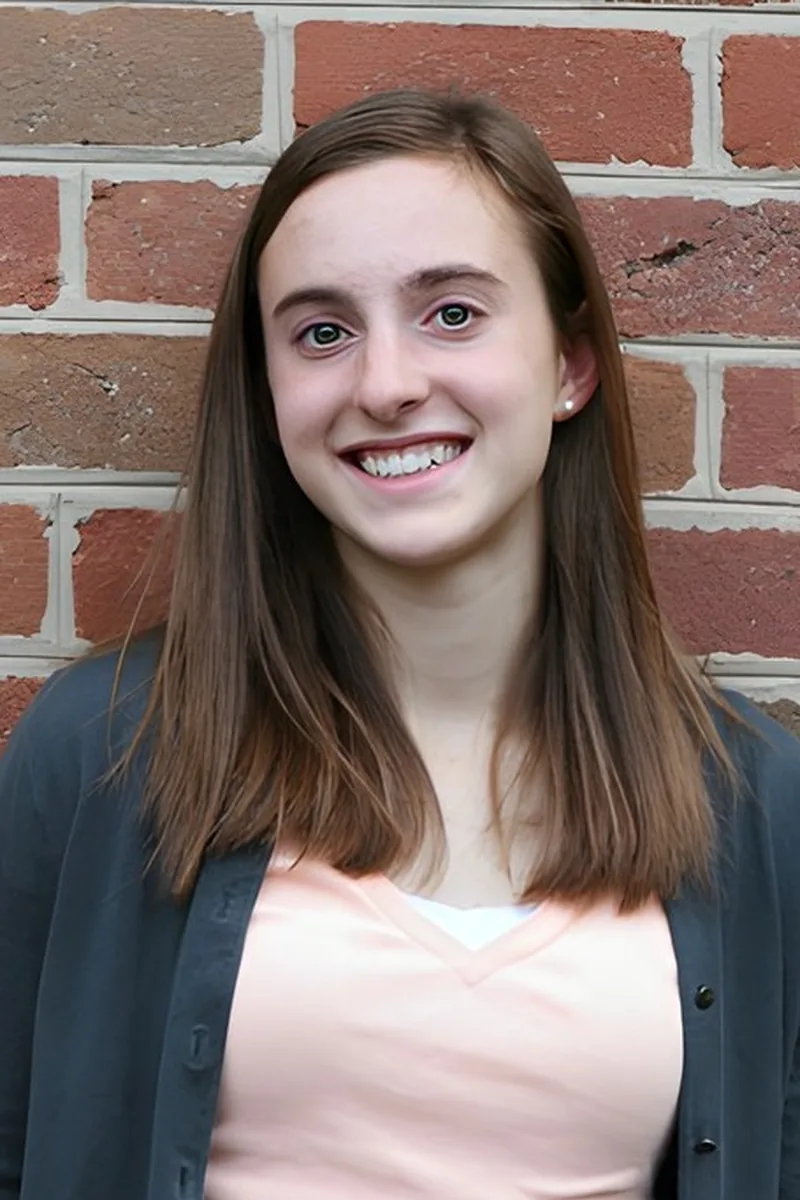
Though math is her primary subject, Kathleen brings an analytical mindset to literature that's surprisingly useful — she teaches students to build arguments about a text the same way you'd construct a proof, starting with evidence and reasoning toward a claim. Her approach is especially effective for students who feel confident with logic but freeze when asked to write about themes or symbolism.

Literary analysis clicks when a student can trace how a single motif — light in Gatsby, silence in Beloved — reshapes meaning across an entire text. Rachel's Women and Gender Studies background trained her to read closely for power dynamics, voice, and subtext, which translates directly into the kind of layered interpretation that strong literature essays demand.
Reading literature well means asking what a text is doing, not just what it's about — why Fitzgerald uses Nick as an unreliable narrator, or how Toni Morrison's sentence fragments create urgency. Sean approaches literary analysis by teaching students to build arguments from textual evidence, connecting close reading to the kind of thesis-driven writing their teachers actually want to see. His Columbia coursework keeps him immersed in both classic and contemporary works.
Shreya's own writing practice — she lists writing and reading among her core interests — shapes how she teaches literature, because she reads like someone who pays attention to craft: word choice, pacing, the way a scene is structured to land emotionally. She walks students through how to turn those craft-level observations into essay-ready arguments with specific textual support. Rated 5.0 by students.
Studying political science at Northwestern means Parag spends most of his time doing exactly what literature courses demand: close reading dense texts, identifying an author's argument beneath the surface, and building interpretive claims backed by textual evidence. He's especially sharp at teaching students to write analytical essays that go beyond plot summary and engage with theme, symbolism, and narrative structure.
An avid reader outside the classroom, Nik approaches literature by teaching students to trace how authors use recurring motifs, shifts in narrative perspective, and figurative language to build meaning. He's particularly effective at showing how to move from a surface-level plot summary to a layered analytical reading — the kind of thinking that produces strong essays and class discussions.
Reading literature well means doing more than summarizing plot — it means asking what a text is doing and why. Victoria's anthropology background trained her to analyze cultural artifacts as layered texts, and she brings that same interpretive lens to poetry, novels, and drama, teaching students to unpack symbolism, narrative structure, and authorial intent.
Ruth taught literature and theater in a school setting for over a decade, which means she knows how to make a text come alive — whether that's analyzing symbolism in a novel or unpacking a poet's use of tone and imagery. Her linguistics training adds an extra layer, giving students tools to examine how an author's word choices shape meaning at the sentence level.
Three years of competitive debate taught Mubariz to dissect an argument's structure, identify unstated assumptions, and evaluate evidence — skills that map directly onto literary analysis. He teaches students to move past plot summary and dig into how authors use devices like unreliable narration, symbolism, and structural choices to build meaning. Whether the text is a short story or a full novel, his approach turns close reading into a repeatable analytical process.
As a high school science teacher who also tutors essay editing, grammar, and college essays, Samuel spends his days toggling between lab reports and written arguments — and literary analysis sits right at that intersection of careful reading and persuasive writing. He teaches students to treat a passage like a data set: identify specific patterns in an author's language or imagery, then build an interpretation that the evidence actually supports. Rated 4.9 by students.
Reading literature well means arguing with the text — asking why an author chose this metaphor, this structure, this ending. Derrick teaches students to move from surface-level plot summary to close reading, identifying how literary devices like unreliable narration or symbolic imagery shape meaning. His background spanning multiple disciplines gives him a wide lens for connecting texts to their historical and political contexts.
Reading literature well means doing more than summarizing plot — it means noticing how an author's choices in diction, structure, and point of view shape meaning. Ann's English literature minor at Rockhurst trained her to do close readings across genres, from poetry to novels, and her education coursework gave her strategies for making that analytical process visible to students. She's especially skilled at teaching students to build interpretive arguments supported by textual evidence.
I am interested in Physics and Mathematics and working out practical problems from plumbing to electronics. I will someday go back for my Ph.D. in Physics but until then I am looking to grow as an engineer or computer programmer.
Reading literature through a scientific lens might sound unusual, but Drew's STEM background actually sharpens the way he teaches close reading — breaking a passage into components, identifying how structure creates meaning, and building an argument from textual evidence. He's particularly effective at showing students how to move from "I liked it" to a thesis they can defend.
Reading a novel or poem closely means asking what the text is doing, not just what it's about — tracking symbolism, unreliable narration, shifts in tone, structural choices. Madison's creative writing background gives her a writer's perspective on literature, which means she can show students how authors build meaning at the sentence level and why that matters for essays and class discussion.
Reading a novel for plot is one thing; analyzing how an author uses symbolism, narrative structure, or unreliable narration to build meaning is something else entirely. Anthony's English teaching background means he can show students how to move from surface-level summary to the kind of close reading and textual argument that literature courses demand. He's especially sharp at teaching students to support interpretive claims with direct evidence from the text.
Breaking down a poem or short story isn't that different from interpreting experimental data — both require close reading and a willingness to ask what the evidence actually supports. Jacob brings that analytical rigor to literary analysis, teaching students to build arguments about theme, symbolism, and authorial intent using specific textual details rather than vague impressions.
Every strong literary essay comes down to one thing: proving that an author's specific choices — in diction, structure, imagery — add up to something arguable. John's math training built the same logical muscle, since constructing a proof and constructing a thesis-driven interpretation both require moving step by step from evidence to conclusion. He teaches students to stop summarizing and start making claims they can back up with language pulled directly from the page.
Reading literature closely means learning to ask why an author made specific choices — why Fitzgerald uses that green light, why Orwell shifts point of view, why a poem breaks its own meter. Mason approaches literary analysis as argument-building, connecting textual details to larger thematic claims. His background spanning economics, political science, and the humanities gives him a cross-disciplinary lens that makes interpretation richer.
I am excited to help anyone who might need it!
Reading roughly fifty novels a year, Kristen brings an infectious enthusiasm for literature that spans classics and contemporary fiction alike. She teaches students to dig beneath surface-level plot summaries and analyze how authors use symbolism, narrative structure, and point of view to build meaning. Her classroom background in seventh-grade reading gives her a knack for making even reluctant readers engage with a text.
An avid reader outside of his engineering coursework, Evan tackles literature by asking what a text is actually doing — how an author uses symbolism, narrative structure, or point of view to build meaning. He's especially good at showing students how to move from a vague reaction ('I liked it') to a precise, arguable thesis they can defend with textual evidence.
While literature isn't Mayuri's primary discipline, her scientific training sharpens the close-reading skills that literary analysis demands — picking apart a passage's structure, identifying patterns, and building an argument from textual evidence. She approaches novels and poetry the way she approaches data: carefully, looking for what the surface doesn't immediately reveal.
Reading literature closely means learning to trace how an author builds meaning through structure, imagery, and language — not just summarizing plot. Anna's background in comparative literature and academic writing gives her the analytical toolkit to teach students how to construct interpretive arguments that are grounded in textual evidence.
Reading a novel and analyzing a novel are two very different skills, and the gap between them is where most literature students struggle. Megan unpacks how to identify literary devices like motif, unreliable narration, and symbolic imagery within a text, then build interpretive arguments that hold up in class discussion or a formal essay. Her teaching certification in secondary education means she knows exactly what instructors expect at each level.
Breaking a poem or novel apart isn't about finding the "right" answer — it's about building an argument from the text itself. Taylor walks students through close-reading techniques like identifying tone shifts, tracking symbolism, and connecting a writer's choices to larger themes, turning intimidating passages into something they can confidently discuss or write about.
Literary analysis isn't about finding the "right" answer — it's about building an argument from textual evidence, whether that's tracking a motif in a novel or unpacking the tone of a poem. Jacob approaches literature the way he approaches scientific reasoning: claim, evidence, interpretation. His background in both STEM and humanities (including choir and performance) gives him a cross-disciplinary lens that makes close reading click for students who think they're "not English people."
Reading a novel closely enough to write about it well means noticing structure — why an author shifts point of view, how imagery accumulates, what a recurring motif actually does for the argument of the text. Anatoliy approaches literature with the same precision he brings to scientific analysis, teaching students to build interpretive claims grounded in specific textual evidence.
Reading literature through a scientific lens might sound unusual, but Katherine's training in evidence-based reasoning translates surprisingly well to close reading — picking apart how an author builds a metaphor or why a narrator's perspective shifts mid-chapter. She approaches poems and novels as puzzles with internal logic, teaching students to trace patterns in imagery, tone, and structure.
Reading a novel closely means more than summarizing plot; it means asking why an author chose this metaphor, this point of view, this structure. With a B.A. in English and a genuine love of books, Bri unpacks texts across genres and periods — from Shakespeare's verse to contemporary fiction — by teaching students to build interpretive arguments grounded in textual evidence.
Reading a novel for class and actually analyzing it are two very different tasks. Austin digs into how literary devices — symbolism, narrative structure, point of view — function within a text, so students can build arguments about what a work means rather than just summarizing what happens. His approach treats close reading as a transferable skill, applicable whether the assignment is Shakespeare or Toni Morrison.
Reading literature well means noticing what an author is doing with structure, symbolism, and point of view — not just summarizing the plot. Brianna's background in literacy instruction gives her practical techniques for teaching students to annotate actively and ask questions of a text as they read. Whether the assignment involves poetry analysis or a novel study, she connects literary devices to the larger argument a piece is making.
Reading literature seriously means learning to ask why an author made specific choices — why Fitzgerald uses color the way he does, or what an unreliable narrator reveals about a story's themes. Anita is a voracious reader who brings genuine enthusiasm to close-reading exercises, teaching students to support interpretive claims with textual evidence rather than surface-level plot summary.
Reading a poem or novel closely means asking uncomfortable questions about what the author left unsaid — subtext, symbolism, unreliable narrators. Jessica's liberal arts education built exactly this kind of analytical muscle, and she applies it to everything from Shakespeare to contemporary fiction. She teaches students to construct interpretive arguments grounded in textual evidence, not just personal reaction.
Reading literature well means knowing what to do after you finish a passage — how to trace a motif, unpack an unreliable narrator, or connect a poem's form to its meaning. Sarah is completing her English degree at Columbia College, where she's spent years inside texts ranging from Shakespeare to Toni Morrison, and she brings that close-reading instinct to every session. Her 5.0 rating speaks to how effectively she makes literary analysis click.
Reading literature analytically is really about building an argument from evidence — a skill that transfers across every discipline. Jordan approaches texts by asking students to identify patterns, contradictions, and authorial choices before jumping to interpretation, turning close reading into a structured process rather than guesswork.
An avid reader herself, Meaghan approaches literature by teaching students to unpack how an author's choices — imagery, narrative structure, point of view — create meaning on the page. Her coursework in music education sharpens her ear for rhythm and tone in prose and poetry, which gives her a distinctive lens on close reading and literary analysis.
Reading literature well means doing more than summarizing plot — it means noticing how an author uses structure, imagery, and point of view to build meaning. Laura's liberal arts education at UMKC emphasized close reading across genres, from poetry to novels, and she brings that analytical rigor to every text. She teaches students to build interpretive arguments grounded in specific textual evidence.
An engineering background might seem like an unusual fit for literature, but Sidney approaches close reading the way she approaches data — by asking what the evidence actually supports. She teaches students to build interpretive arguments from textual details like imagery, narrative structure, and dialogue rather than relying on vague thematic summaries. That analytical rigor translates well to essay exams and literary analysis papers alike.
Reading a poem or novel closely means noticing what the author chose not to say as much as what's on the page. Vijaya approaches literary analysis by teaching students to track patterns — recurring images, shifts in tone, moments where a narrator contradicts themselves — and turn those observations into arguments. Her background across both science and humanities gives her a structured, evidence-first lens on texts.
Testimonials
Because the right Literature tutor makes all the difference.
Average Session Rating – Based on 3.4M Learner Ratings
Nearby Literature Tutors
Other St. Louis Tutors
Related English Tutors in St. Louis
Frequently Asked Questions
Literature tutoring focuses on developing critical reading and analytical skills across texts—from classic novels and poetry to contemporary works. Tutors help students master literary analysis, including theme identification, character development, symbolism, and narrative structure. Sessions also cover essay writing skills like thesis development, textual evidence integration, and argumentation, ensuring students can articulate their interpretations effectively.
Your first session is a chance for the tutor to understand your current reading level, writing strengths, and specific challenges—whether that's analyzing complex texts, organizing essays, or developing a stronger authorial voice. Together, you'll discuss your curriculum, upcoming assignments, and goals, then the tutor will tailor a personalized approach to address your needs. This foundation helps ensure every subsequent session builds directly on what matters most to you.
Tutors provide personalized feedback on every stage of the writing process—from brainstorming and thesis development through drafting, revision, and final polish. They help you organize ideas logically, support arguments with strong textual evidence, and develop a clear, confident voice. Rather than just correcting errors, tutors teach you the reasoning behind effective essay structure so you can apply these skills to any assignment.
Many students find complex literature challenging, and personalized tutoring breaks down difficult texts into manageable pieces. Tutors teach active reading strategies, help you identify key themes and plot elements, and guide you through close reading techniques that make challenging books more accessible. With consistent practice and tailored explanations, you'll build confidence tackling everything from Shakespeare to contemporary fiction.
Yes—tutors help students master MLA, APA, and Chicago citation styles, ensuring proper formatting of in-text citations and works cited pages. Beyond mechanics, they teach you why citations matter and how to integrate sources smoothly into your writing. This support prevents common mistakes and builds skills you'll use throughout high school, college, and beyond.
Absolutely. Varsity Tutors connects students in St. Louis with tutors familiar with the Literature standards and texts taught across the city's 40 schools and 9 school districts. Whether you're reading required novels, preparing for AP Literature exams, or working on honors-level essays, tutors understand local curriculum expectations and can provide targeted support aligned with your coursework.
Frequency depends on your goals and challenges. Students working on essay skills or preparing for major assignments often benefit from weekly sessions, while others meet biweekly for ongoing support. Your tutor can recommend a schedule based on your needs, and you can adjust as assignments change. Consistency matters more than intensity—regular sessions help you build skills and confidence over time.
Varsity Tutors connects you with expert tutors who specialize in Literature and understand your specific needs—whether that's AP preparation, essay writing, or reading comprehension. Once you share your goals and preferences, you'll be matched with a tutor whose expertise and teaching style align with what you're looking for. You can start personalized instruction on your timeline.
Let’s find your perfect tutor
Answer a few quick questions. We’ll recommend the right plan and match you with a top 5% tutor.