Award-Winning AP Latin Prep in Austin
Award-Winning AP Latin Prep in Austin
Everything you need to crush the AP Latin in Austin, TX. Live prep classes, practice tests, 1-on-1 expert tutoring, and AI-powered diagnostics.
Who needs prep?
No obligation. Takes ~1 minute.
Instructors from
- YaleUniversity
- PrincetonUniversity
- StanfordUniversity
- CornellUniversity
Featured by


AP Latin Prep Classes
 Short-term classLive
Jump Start to AP & Honors Chemistry
Chemistry is the study of the properties, structures, and reactions of matter—and how substances transform through interactions at the atomic and molecular level. From the periodic table to chemical equations, each concept builds on the last—so the foundations you begin the school year with tend to shape the reactions, outcomes, and confidence you carry through every lab and lesson. In this live, interactive summer class you will learn and review the key building blocks for success in advanced high school chemistry classes, including AP, IB, and honors classes. From scientific principles to essential math concepts, you’ll cover everything you need to confidently conquer your most challenging fall class.
 Short-term classLive
Jump Start to AP & Honors Physics
Physics is the study of the fundamental forces and principles that govern how matter and energy interact in the universe. From motion and momentum to waves and electricity, each concept builds on the last—so the foundations you begin the school year with tend to govern your trajectory and velocity throughout the school year. In this live, interactive summer class you will learn and review the key building blocks for success in advanced high school physics classes, including AP, IB, and honors classes. From scientific principles to essential math concepts, you’ll cover everything you need to start your most challenging fall class with energy and momentum.
 Short-term classLive
Jump Start to AP Computer Science A
Computer Science is the study of how we use logic and code to solve problems and build the digital world around us. From variables and conditionals to classes and objects, each concept builds logically on the last—so the foundations you start with often determine how efficiently and confidently you can program throughout the year. In this live, interactive summer class, you’ll learn and review the key building blocks for success in advanced high school computer science courses, including AP Computer Science A. From core Java syntax to problem-solving strategies, you’ll cover everything you need to start this rigorous coding class with structure and logic.
 Short-term classLive
Jump Start to AP & Honors Biology
Biology is the study of the building blocks of life, how cells, systems, and processes interact to enable complex organisms to adapt and thrive. And just like living systems build from their foundations, your own biology knowledge builds concept by concept toward the complex skills you need for your labs and exams throughout the year. In this live, interactive summer class you will learn and review the key building blocks for success in advanced high school biology classes, including AP, IB, and honors classes. Armed with sound fundamentals you’ll be ready to hit the ground running in the new school year and thrive in your most challenging fall class.
Top-Rated AP Latin Prep Instructors in Austin

AP Latin's sight-reading passages demand that students translate under time pressure while simultaneously identifying literary devices and making interpretive arguments — a combination that requires v...
Education & Certificates
University of St Thomas
Bachelor of Fine Arts, English/Drama
American Academy of Dramatic Arts
Associates, Acting
ACT Scores
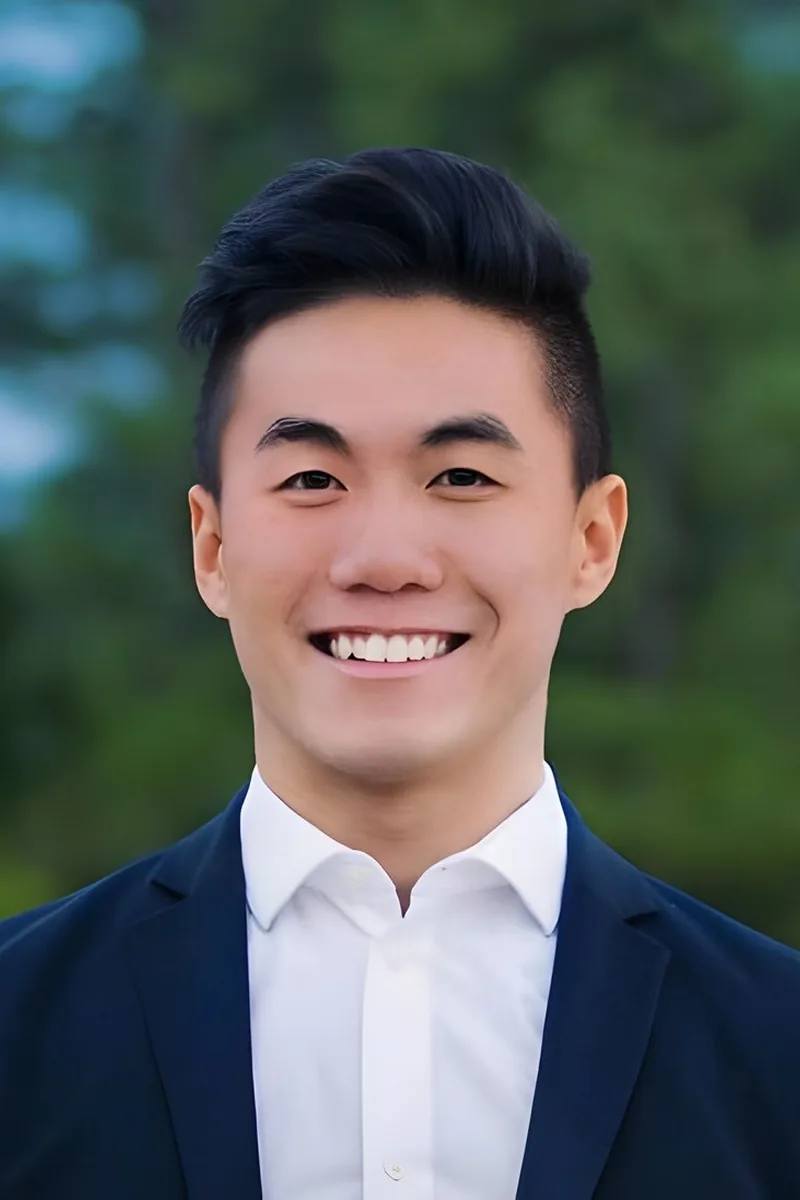
I'm not tutoring or buried in my textbooks, you will either find me rock climbing at the Triangle Rock Club, playing Ultimate Frisbee, working on my car, or enjoying the great outdoors (beaches, mount...
Education & Certificates
The University of Texas at Dallas
Bachelors, Mechanical Engineering
Duke University
Current Grad Student, Mechanical Engineering
SAT Scores

I am an interdisciplinary educator with an Ed.M. from the Harvard Graduate School of Education and a B.A. from Dartmouth College. My background is primarily in integrated arts learning and museum educ...
Education & Certificates
Harvard University
Masters in Education, Education
Dartmouth College
B.A.
SAT Scores

I am a recent graduate from a masters program in biostatistics at Columbia University. I received my Bachelor of Arts in biological sciences, with a focus in neurobiology at Northwestern University. I...
Education & Certificates
Columbia University
Masters in biostatistics
Northwestern University
Bachelor of Arts in biological sciences (focus in neurobiology)
SAT Scores

I am a graduate of Wesleyan University, where I received my Bachelor of Arts in Sociology with High Honors. With eight years of experience working in education, I've tutored students in math, science,...
Education & Certificates
Harvard University
PHD, Education
Wesleyan University
Bachelor in Arts, Sociology
ACT Scores

I'm Solange - a recent graduate from Harvard where I studied Sociology & Women's Studies. I've been tutoring for eight years now, and have worked with a wide range of ages and in a wide range of subje...
Education & Certificates
Harvard University
Bachelor in Arts (Sociology & Women's Studies)
ACT Scores
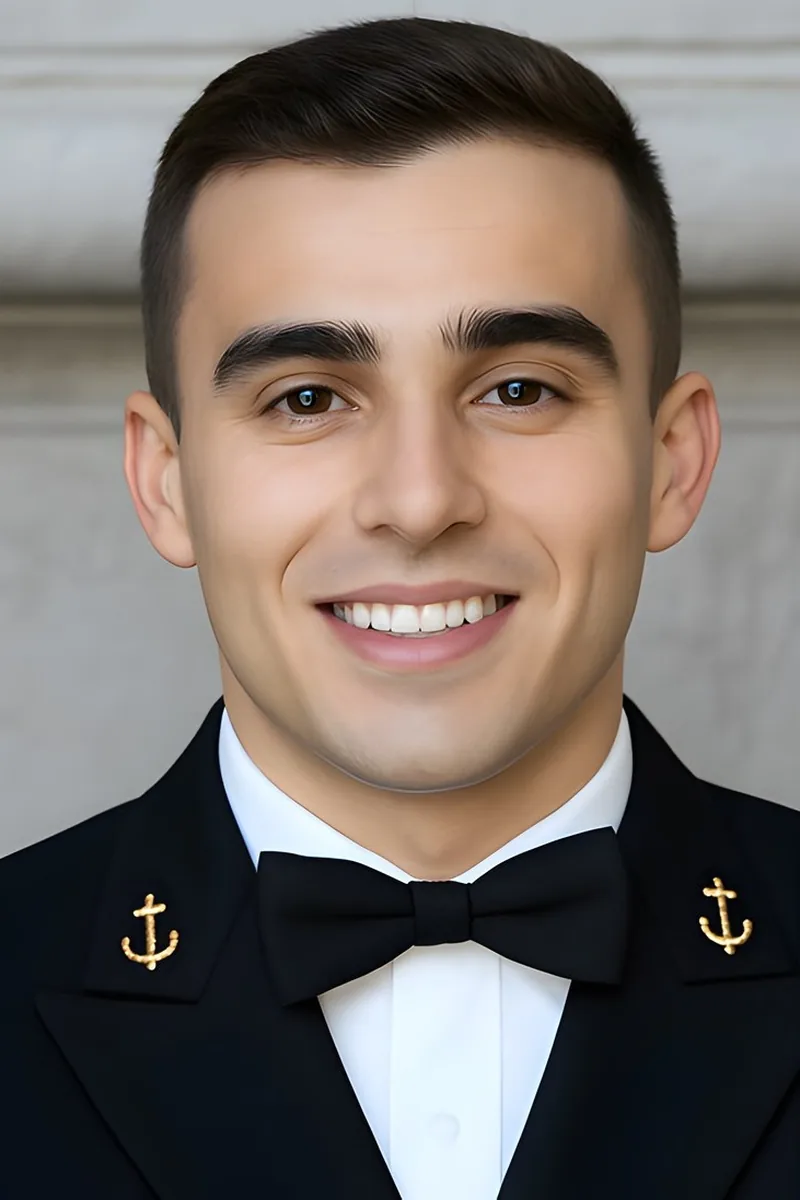
I am a junior Mechanical Engineering major at Yale, and I hope to become a Naval Aviator after college. I am also a varsity sailor, and enjoy playing music with friends when I can get some free time. ...
Education & Certificates
Yale University
Bachelor of Science, Mechanical Engineering
ACT Scores

I am proud to be a part of Varsity Tutors! I am originally from San Antonio, TX; I completed my undergraduate education at Rice University in Houston where I received a bachelor's degree in Biochemist...
Education & Certificates
Baylor College of Medicine
Current Grad Student, M.D.
Rice University
Bachelor's in Biochemistry and Cell Biology
SAT Scores
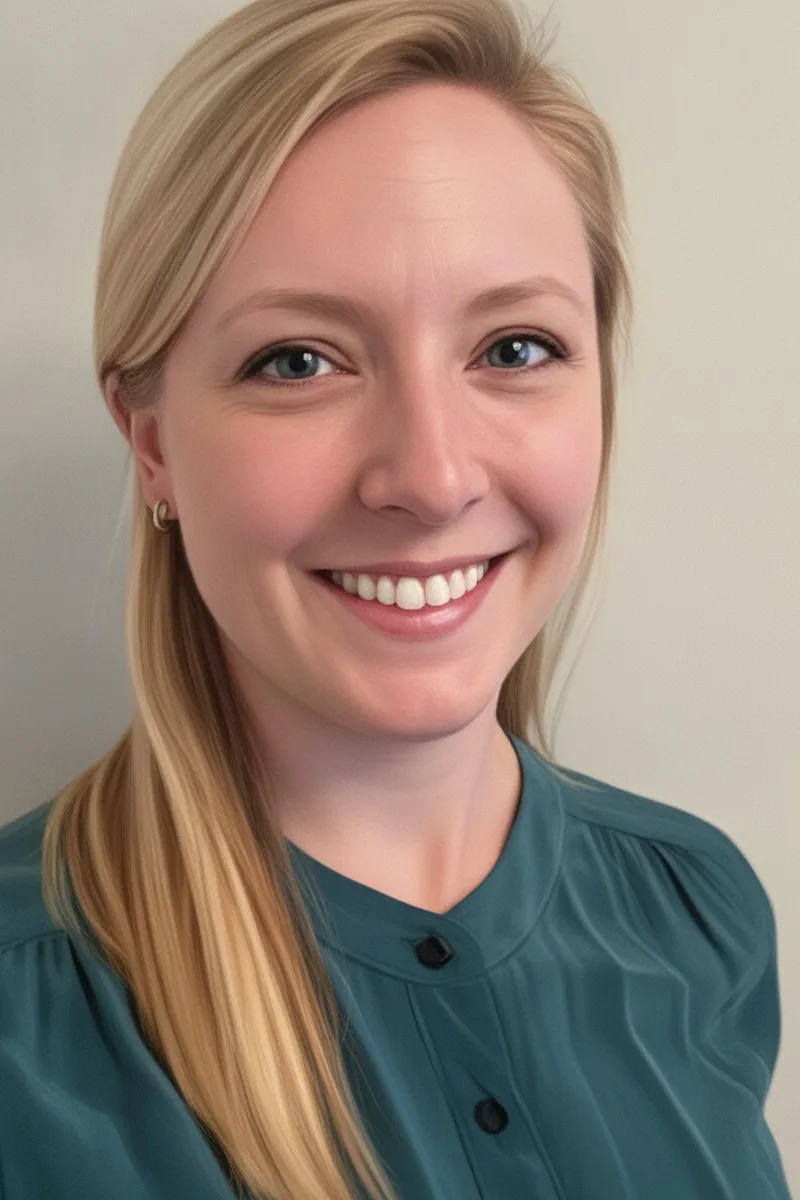
I am a graduate of Washington University in St Louis, where I received my Bachelor of Arts in History with minors in Humanities and Anthropology. Since graduation, I have worked as a tutor, teacher, a...
Education & Certificates
Simmons College
Masters, Special Education: Mild to Moderate Disabilities 5-12
Washington University in St. Louis
Bachelor of Arts in History (minors in Humanities and Anthropology)
ACT Scores

I am a rising sophomore at Harvard College and am about to declare as a Mechanical Engineering concentrator, working towards a Bachelor of Science degree. I've always enjoyed sharing my knowledge with...
Education & Certificates
Harvard College
Bachelor of Science, Mechanical Engineering
ACT Scores
Frequently Asked Questions
The AP Latin exam has two main sections: multiple-choice reading comprehension (which makes up 50% of your score) and free-response translation and analysis (50%). Most students struggle more with the translation section because it requires not just understanding Latin grammar and vocabulary, but also producing accurate, natural-sounding English that captures the nuance of the original text. The reading comprehension section challenges students who haven't built strong speed and pattern recognition with Latin syntax, particularly when dealing with complex sentence structures and less common grammatical constructions.
Effective translation strategy involves identifying the main verb first, then working backward to find the subject and key modifiers—this prevents getting lost in complex nested clauses. Many students benefit from practicing "chunking" sentences into logical units rather than translating word-by-word, which helps maintain meaning and flow. Tutors who specialize in AP Latin often focus on teaching you to recognize common syntactic patterns (ablative absolutes, indirect statements, purpose clauses) so you can translate them as units rather than parsing each element individually, which saves critical time on the exam.
The AP Latin exam typically tests vocabulary from the AP Latin word list of approximately 1,000 words, though you'll encounter some additional words with context clues provided. Rather than traditional flashcard drilling, effective preparation involves encountering vocabulary repeatedly in authentic Latin texts—this builds both recognition and contextual understanding. Tutors often recommend a spaced repetition approach combined with reading passages that use the same words in different contexts, which helps you retain vocabulary long-term and recognize how word meanings shift based on usage.
Students most commonly struggle with indirect statements (infinitive constructions), ablative absolutes, and subjunctive clauses—all of which appear frequently on the exam and require understanding both form and function. Indirect statements are particularly tricky because they use an accusative-infinitive structure that doesn't exist in English, so students must recognize the pattern and translate it correctly. A strong tutor will help you move beyond memorizing rules to actually recognizing these structures in context and understanding how they function within longer passages, which is what the exam tests.
Building reading speed requires consistent practice with unseen passages at increasing difficulty levels, combined with developing pattern recognition for common syntactic structures. Rather than trying to read faster, focus first on eliminating inefficient habits like backtracking or mentally translating every word into English—instead, learn to identify the sentence structure quickly and extract meaning from key words and verb forms. Tutors often use timed reading exercises with passages of increasing complexity, gradually building your ability to recognize patterns and understand meaning without translating every element, which naturally increases your speed over time.
The free-response section requires both accurate translation and analytical writing about themes, style, and historical context, so preparation needs to address both skills separately. Practice translating unseen passages under timed conditions to build accuracy and speed, then separately practice writing analytical responses about Latin literature—discussing things like how Virgil uses word order for emphasis, or how Cicero's rhetorical strategies persuade his audience. A tutor can help you understand what graders are looking for: translations that balance accuracy with natural English, and analysis that demonstrates genuine comprehension of the text's meaning and literary techniques rather than generic observations.
Score improvement depends heavily on your starting point and how consistently you engage with material between sessions. Students who begin tutoring 3-4 months before the exam and work regularly on practice passages typically see 1-2 point improvements (on the 1-5 scale), while students starting earlier or with more intensive preparation may see larger gains. The most significant improvements come from addressing specific weaknesses—whether that's translation accuracy, reading speed, or analytical writing—so a tutor's role is identifying exactly where you're losing points and building targeted skills rather than generic test prep.
An effective AP Latin tutor should have strong Latin language skills (ideally demonstrated through advanced coursework or teaching experience), understanding of AP exam format and scoring rubrics, and experience teaching test-taking strategies specific to timed translation and reading comprehension. Beyond language knowledge, look for someone who can diagnose exactly where you're struggling—whether it's vocabulary recognition, syntax parsing, or translation accuracy—and design focused practice around those specific gaps. Experience working with multiple students at different proficiency levels is valuable, as it means they've developed strategies for different learning styles and can adapt their approach to what works for you.
Other Austin test prep
Let's find your perfect prep plan
Answer a few quick questions. We'll recommend the right plan and match you with a top 5% instructor.