Award-Winning Psychology Tutors
serving Tampa, FL
Psychology
Tutors in Tampa
Private 1-on-1 tutoring, weekly live classes for academic support, test prep & enrichment, practice tests and diagnostics, and more to elevate grades and test scores.
Based on 3.4M Learner Ratings
UniversitiesSchools & Universities
DeliveredHours Delivered
ProficiencyGrowth in Proficiency
Who needs tutoring?
No obligation. Takes ~1 minute.
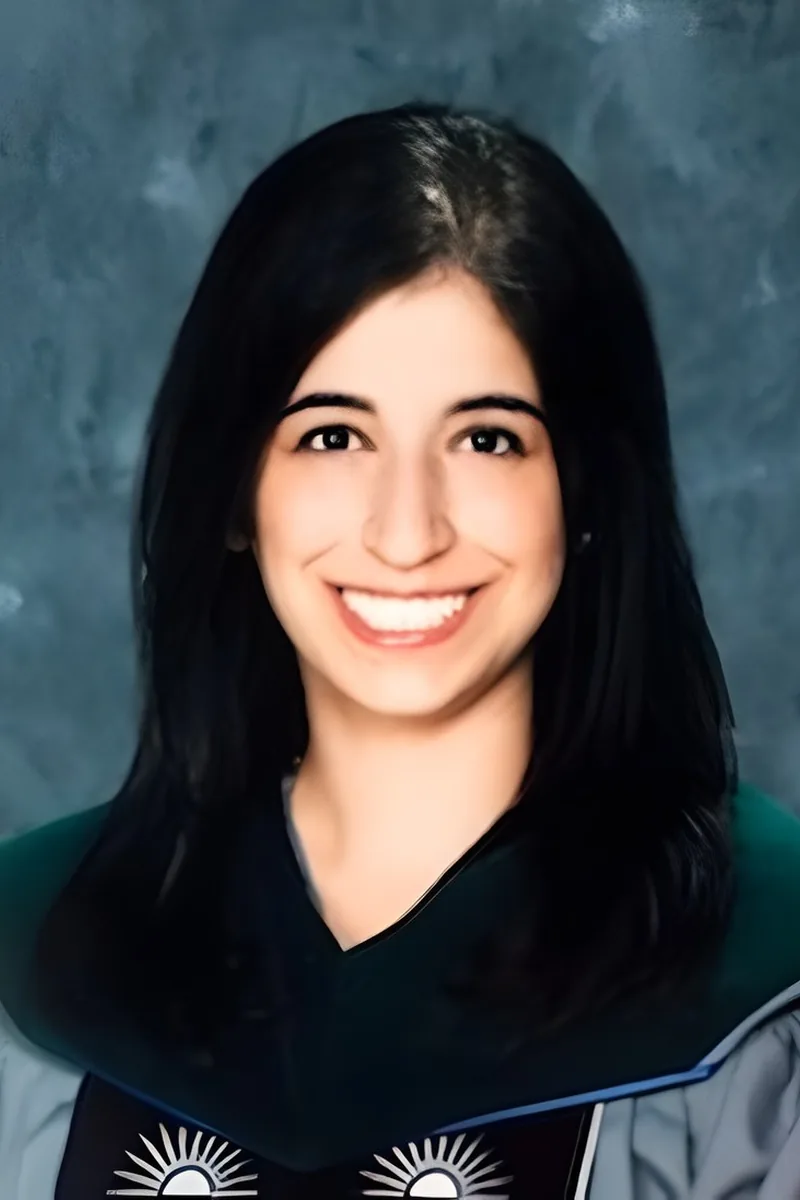
Medical training at the doctoral level means Jessica spent years learning how psychological concepts like stress response, behavioral conditioning, and cognitive development actually manifest in patients — not just in textbook diagrams. She connects that clinical perspective to the research methods and theoretical frameworks that psychology courses test on, making topics like abnormal behavior and biological bases of behavior click faster. Rated 4.8 by students.
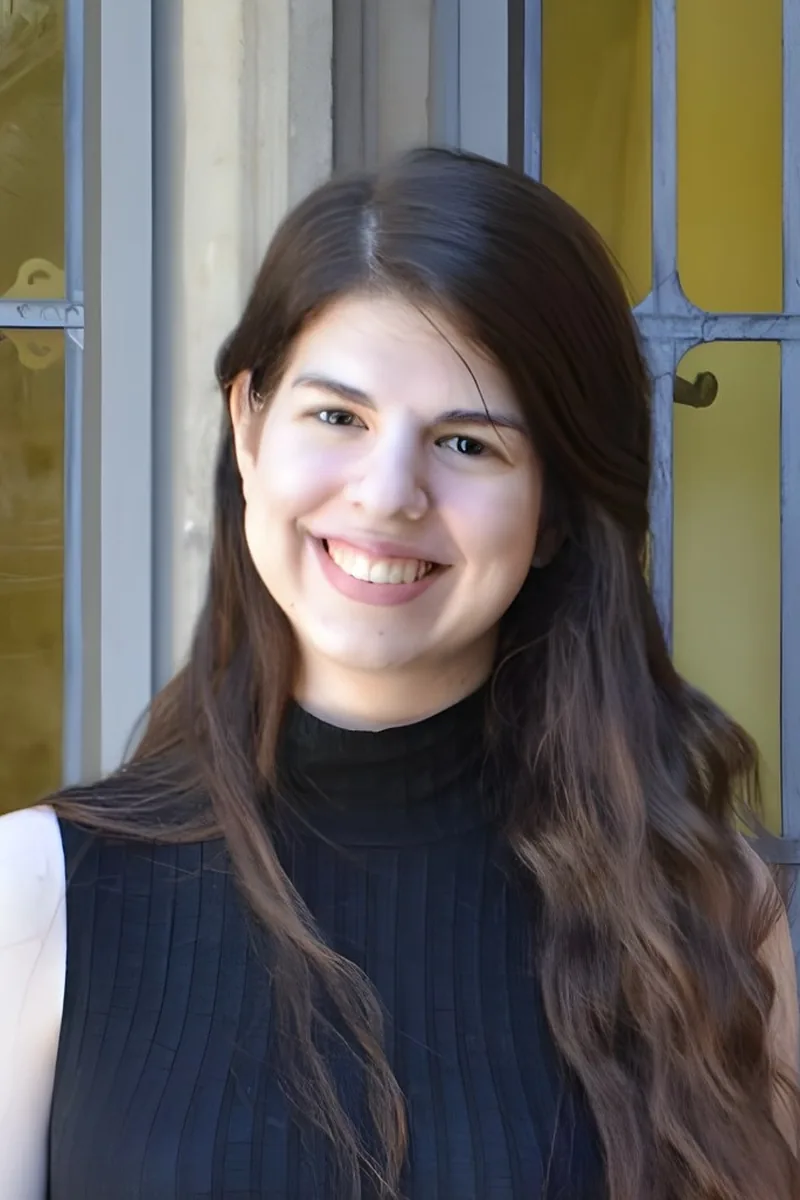
An American Studies degree is essentially a crash course in how culture shapes the way people think, perceive, and behave — questions that sit at the heart of psychology's units on social cognition, prejudice, and identity development. Olivia draws on that interdisciplinary training to unpack concepts like attribution theory and cultural influences on behavior using concrete historical and cultural case studies that give students something vivid to anchor their exam responses to.
Because Emerson is actively pursuing a psychology degree with a neuroscience specialization at the University of Chicago, the concepts he tutors aren't abstract textbook material — they're subjects he engages with in labs and seminars every week. He's especially strong on the biological underpinnings of behavior, from brain structure and neural signaling to how hormones influence cognition and emotion. That current, research-grounded perspective makes even dense topics like psychopharmacology click.
Having earned his B.A. in Psychology from Johns Hopkins and now studying educational measurement at the graduate level, Matthew is still actively immersed in psychological research methods, statistical analysis, and theory. He tackles everything from foundational concepts like classical conditioning and cognitive development to the trickier territory of research design and interpreting experimental results.
Studying neuroscience and biology at the undergraduate level gave Kaitlyn a deep understanding of the biological underpinnings that show up throughout psychology — from neurotransmitter pathways in abnormal psych to the physiology behind sensation and perception. She connects psychological concepts to their biological mechanisms, making topics like learning theory and memory encoding click on a deeper level.
Dylann earned her Psychology degree from the University of Miami, so she's deeply familiar with the core concepts students encounter — from classical and operant conditioning to cognitive development theories to research methodology and statistical interpretation. She approaches the subject by connecting abstract theories to real-world behavior, which makes dense material like neuropsychology or abnormal psych classifications far easier to retain. Rated 5.0 by students.
Kenna's background spans criminal law, philosophy, and government — three fields that constantly ask why people behave the way they do, which is the same question driving every psychology unit from obedience research to moral development. She's particularly sharp at teaching students how to break down study designs and write the kind of evidence-based responses that psych courses grade hardest on, drawing on her strong grammar and analytical writing skills.
Because psychology sits at the intersection of science and human behavior, it rewards students who can think across disciplines. Greg's political science coursework at Vanderbilt overlaps heavily with social psychology — topics like conformity, group polarization, and cognitive bias — and he brings that cross-disciplinary lens to concepts from Milgram's obedience studies to the DSM's diagnostic categories.
Biomedical engineering trains you to think about the human body as an integrated system — and that systems-level thinking maps surprisingly well onto psychology's biological bases of behavior, from how neurotransmitters shape mood to how brain structures influence learning and memory. Aditi uses that engineering mindset to break down psych concepts into cause-and-effect chains that make topics like sensation, perception, and abnormal behavior easier to organize and recall for exams.
I'm a firm believer in encouraging students to explain material in their own words to make sure each lesson "sticks."
I am a current student at the University of Florida pursuing an Accounting degree and Entrepreneurship minor. Math has always been my passion, and I hope to show fellow students the fun in it!
Sofia's cellular and molecular biology background gives her a unique angle on psychology — she can explain the biological underpinnings of concepts like neurotransmitter function, the stress response, and brain anatomy alongside the behavioral theories students encounter in introductory courses. That dual perspective makes abstract psychological concepts tangible and easier to retain.
Understanding psychology means connecting abstract theories — Piaget's stages, operant conditioning, the biopsychosocial model — to real human behavior students can observe in their own lives. Mary's neuroscience background anchors the biological side of the discipline, while her experience working with children of all ages at a YMCA learning center gave her firsthand insight into developmental and social psychology. She unpacks dense terminology into language that actually clicks.
I am a life long learner. I love to learn, and I love to share what I learn with others. I have three baccalaureate degrees in English, Psychology, and Criminal Justice. Education can be very exciting, and it doesn't have to end in the classroom, however: I also studied animal behavior while in Washington, where I worked with chimpanzees who spoke sign language, and I assisted with research on dolphins while in Turkey.
Alec earned his B.S. in psychology from the University of Miami, so concepts like operant conditioning, cognitive dissonance, and the DSM-5 diagnostic framework aren't abstract textbook entries — they're material he's studied in depth. He connects psychological theories to real research examples, which makes retention far easier than rote memorization. Rated 5.0 by students.
Biology and psychology overlap more than most students realize — neurotransmitter pathways, the biology of stress responses, and behavioral genetics all sit at that intersection. Michelle's biology training gives her a concrete, mechanism-level way of explaining psychological concepts that makes them easier to retain and apply on exams.
Self-described as extremely passionate about psychology, Jenna pairs that genuine enthusiasm with the analytical rigor needed for AP and college-level psych — she also tutors AP Statistics, which means research methods, experimental design, and data interpretation come naturally to her. She breaks down concepts like classical conditioning, memory models, and psychological disorders by connecting them to the real-world examples and patterns that make the material click rather than blur together. Rated 5.0 by students.
Understanding psychology means keeping dozens of theories, studies, and researchers straight — Freud vs. Erikson on development, classical vs. operant conditioning, the biological underpinnings of memory. Danielle pairs her study skills expertise with a genuine curiosity about human behavior to make these frameworks stick through real-world examples rather than rote flashcard drills.
Holding a bachelor's in psychology, Katherine teaches the subject with the depth of someone who studied it thoroughly — from classical conditioning and cognitive development theories to research methodology and statistical interpretation. She's especially effective at connecting abstract concepts like operant reinforcement schedules or Piaget's stages to real-world examples students can actually remember during exams.
As a second-year medical student with a biology background, Alokika has deep familiarity with the biological underpinnings of psychology — neurotransmitter pathways, brain structure, and the physiological basis of behavior. She unpacks concepts like classical conditioning, cognitive development, and abnormal psychology by tying them back to the science students can visualize.
Biology majors at Vanderbilt spend serious time on the nervous system, neurotransmitters, and brain anatomy — exactly the material that trips students up during psychology's biological bases of behavior unit. Liraz uses that science training to demystify topics like synaptic transmission, the endocrine system's role in stress responses, and how brain regions map to specific psychological functions, making the hardest section of most intro psych courses feel like familiar territory.
I am a graduate of Rollins College in Winter Park, Florida. I recently received my Bachelor of Arts in Psychology in 2019 with a focus on neuropsychology. I have several years of experience in tutoring high school students for various math classes, as well as tutoring other undergraduate college students in math classes and psychology classes. I'm most passionate about the subject of clinical, cognitive, and neuropsychology, but I find most math subjects to be exciting and entertaining. I'm also experienced in editing and reviewing essays, as I am also APA certified. Regarding my future, I plan on completing a master's program for psychology followed by a Psy.D. program with a specialization in neuropsychology.
Fifteen AP exams teach you something psychology textbooks actually study — how memory encoding, retrieval strategies, and stress responses affect performance under pressure. Nathan draws on that lived experience plus his computer science training in logic and systems thinking to make topics like cognition, learning theory, and research methodology click for students who prefer structured, analytical explanations. Rated 4.9 by students.
From classical conditioning to cognitive dissonance, Kat breaks down psychology's major theories by tying them to real scenarios students already recognize in their own lives. She's especially sharp on research methods — teaching students to distinguish correlation from causation and to critically evaluate experimental design, which is where many intro courses trip people up.
Jake's CDC research internship and background in sociological theory give him a real-world lens on psychological concepts like social cognition, behavioral conditioning, and group dynamics. He connects textbook theories — from Piaget's developmental stages to the DSM's diagnostic framework — to the kind of case-based reasoning that makes them stick.
I am a recent graduate from the University of Florida. I completed my studies in Behavioral and Cognitive Neuroscience and have minors in statistics and business administration. I am currently going on to obtain a Master in Computational Social Science at the University of Chicago. I am passionate about research, data collection, and analysis in the area of cognitive psychology. My specialties lie in Psychology and Statistics and I have a very strong mathematical foundation. I have experience working with middle school and high school aged students as a tutor through the national honor society club, which I was a member of as a high school student. I think that data science and research is important for our future, so I am motivated to help students learn and appreciate math and science as important tools.
I am a graduate of Rice University (B.A. in Biochemistry and Cell Biology, History) and Emory University (MPH). Through my undergraduate and graduate studies, I have tutored students in various subjects in one-on-one and group tutoring sessions. I am fluent in Spanish and English and enjoy teaching and tutoring students in Spanish, History, English, Algebra I and II, Calculus, Biology and Chemistry. I have personal experience and tutor for the following standardized exams: AP, IB, SAT, ACT and GRE.
I am an incoming freshman at Stanford University. I plan to pursue the Science, Technology, and Society major (on the pre-medical track), which is one of the only Stanford majors to offer both Bachelor of Arts (BA) and Bachelor of Science (BS) degrees. I completed The International Baccalaureate program during high school, ranked in the academic top 10, and took 12 AP Classes (National AP Scholar).
I am currently finishing the last course of my undergraduate career at the University of Miami, and I plan to graduate with my degree in business economics next semester. I have been accepted to the University of Miami School of Law as I plan to pursue my juris doctorate over the next few years.
Hello! My name is Isabella, and I have a dual degree in biology and psychology. I would love to help you improve your performance in your psychology, biology, and/or neuroscience classes. In high school, I took AP Psychology, so I can draw on that experience to help you get good scores on your exams. I am also able to help you with your writing skills!
I am an MS graduate at the University of South Florida, in the field of ecology and Evolution, with my bachelors from the University of Florida in general biology with a chemistry minor.
I'm from Las Vegas, NV. I am currently a junior at the University of Miami majoring in Industrial Engineering with a double minor in Mathematics and Economics. My hobbies include laying by the pool and listening to new music.
I am currently studying for the GRE. I've served as a T.A. for a beginner's literature class in the past year, and was a camp counselor at Girls Inc., a stem-focused summer and after school camp for girls K-8. My primary fields are English Literature, Comparative Literature, and History. I have presented at conferences, most recently at Simon Fraser as a member of a panel for their graduate English program. I wrote a thesis last year, passed my baccalaureate exam, and I'm pursuing publication for the project. I am currently working as a freelance writer, with an article due for publication in The New Inquiry next month.
Looking for support in psychology, biology, math, or writing? I'm here to make concepts clearer, more manageable, and engaging. Hello! I'm Julius R. Rodriguez. I currently lead research projects examining how optimism influences body image concerns, utilizing eye-tracking technology to explore self-objectification in romantic contexts. With over three years of tutoring experience, I have successfully guided high school and college students in subjects ranging from psychology to biology to scientific writing. My teaching philosophy centers on meeting students where they are, fostering a supportive environment that encourages curiosity and critical thinking. I believe that effective tutoring is more than memorization; it's about helping students ask insightful questions and draw meaningful connections across disciplines. If you're looking to strengthen your understanding of biology or enhance your writing skills, I'm excited to collaborate with you on your academic journey!
Sarah's economics training at Northwestern means she's steeped in behavioral decision-making — how people assess risk, respond to incentives, and fall prey to cognitive shortcuts — which maps directly onto psychology's units on heuristics, motivation, and social influence. Her 34 ACT and experience mentoring students through high-stakes academic moments also give her a practical feel for the stress and performance psychology that often shows up in introductory courses.
Ellie's autism research at the Yale School of Medicine gives her a hands-on understanding of cognitive and behavioral concepts that most psychology tutors only know from textbooks. She connects topics like neurodevelopment, research methodology, and psychological disorders to real lab work, making abstract theories concrete and easier to retain.
Bidyut's biomedical engineering background at Johns Hopkins overlaps heavily with psychology's biological foundations — neurotransmitter pathways, brain anatomy, and the physiological basis of behavior. He unpacks concepts like classical conditioning, cognitive development stages, and research methodology by grounding them in the science behind how the brain actually works.
At Northwestern, Chelsey explored psychology through an unconventional doorway — a course in Buddhist Psychology that examined the mind through both Western scientific and Eastern contemplative frameworks. That cross-disciplinary perspective makes her especially effective at unpacking foundational concepts like cognition, behavior, and motivation in ways that stick.
Neuroscience and psychology share a border, and Jhonatan lives right on it — his biology specialization in neuroscience means he can unpack the biological underpinnings behind concepts like classical conditioning, memory formation, and psychopharmacology with real depth. For students in introductory or AP Psychology, he connects abstract theories to the neural mechanisms that make them concrete and easier to retain.
As a health sciences grad student preparing for the MCAT's behavioral sciences section, Mosab engages with psychological concepts daily — from classical conditioning paradigms to the biological bases of behavior and social cognition theories. He connects textbook terms like schema, operant reinforcement, and the James-Lange theory to real-world examples that make them stick.
Testimonials
Because the right Psychology tutor makes all the difference.
Average Session Rating – Based on 3.4M Learner Ratings
Nearby Psychology Tutors
Other Tampa Tutors
Related Social Sciences Tutors in Tampa
Frequently Asked Questions
Tutors work with students across various psychology curricula, including AP Psychology, honors psychology, and introductory psychology courses. Whether students are preparing for the AP exam, working through their school's specific curriculum, or exploring psychology at the college level, tutors can align instruction to match course requirements and learning objectives.
With Tampa's diverse school district offerings, personalized 1-on-1 instruction ensures students master concepts like research methods, cognitive psychology, behavior patterns, and psychological disorders—regardless of their specific course framework.
Many psychology students struggle with several key areas: distinguishing between similar psychological theories and theorists, applying concepts to real-world scenarios, understanding research methodology and statistics, and memorizing terminology while truly understanding what it means.
Another frequent challenge is connecting abstract psychological concepts to observable behavior. Personalized tutoring helps by breaking down complex theories into digestible explanations, using concrete examples, and practicing application-based problems—which is especially valuable in smaller group settings where students can ask clarifying questions without hesitation.
AP Psychology covers a broad range of units—from scientific foundations to abnormal psychology—and the exam requires both conceptual understanding and the ability to apply knowledge to novel scenarios. Tutors help students master each unit systematically, practice free-response questions with feedback, and develop test-taking strategies specific to the exam format.
Rather than trying to cram everything in a classroom setting, personalized instruction lets tutors identify each student's weaker areas, allocate study time effectively, and build confidence through targeted practice and explanation.
Research methods are foundational to psychology, but many students find them abstract and disconnected from the rest of the course. Understanding experimental design, variables, sampling, and statistical concepts requires both conceptual clarity and practice with real examples.
Tutors break down research methodology by connecting it to actual psychology studies students encounter throughout the course. Through worked examples and practice problems, students learn to critique studies, design experiments, and understand why methodology matters—transforming a traditionally challenging unit into something coherent and applicable.
Psychology has extensive vocabulary—from neurotransmitters to psychological disorders—and memorization alone doesn't lead to understanding or retention. The key is connecting terminology to concepts, studying it in context, and practicing retrieval through application.
Tutors use spaced repetition, mnemonics, concept mapping, and application-based questions to help terminology stick. Rather than flashcard-only approaches, personalized instruction weaves terms into explanations of theories and real-world examples, so students understand not just the definition but why that concept matters in psychology.
In a typical classroom with a 16.6:1 student-teacher ratio, teachers often must move at a pace that works for the average student, leaving some students confused and others unchallenged. Psychology is particularly challenging in group settings because it requires personal explanation and examples tailored to how each student thinks.
Personalized 1-on-1 instruction allows tutors to adapt explanations to a student's learning style, pause on confusing concepts without slowing others down, and use examples relevant to that specific student's interests and experiences. This personalized approach accelerates understanding and helps students develop genuine confidence in the subject.
Yes. Introductory psychology is one of the most commonly taken college courses, and strong foundational understanding in high school creates a significant advantage. Tutors can help students master AP Psychology or honors psychology thoroughly, ensuring they're prepared for college expectations around reading research, analyzing studies, and thinking critically about human behavior.
Additionally, students interested in psychology as a major benefit from early exposure to research methods, statistical thinking, and deeper engagement with psychological concepts—all areas where personalized tutoring can provide college-level rigor and preparation.
Let’s find your perfect tutor
Answer a few quick questions. We’ll recommend the right plan and match you with a top 5% tutor.