Award-Winning Elementary Math Tutors
serving St. Louis, MO
Elementary Math
Tutors in St. Louis
Private 1-on-1 tutoring, weekly live classes for academic support, test prep & enrichment, practice tests and diagnostics, and more to elevate grades and test scores.
Based on 3.4M Learner Ratings
UniversitiesSchools & Universities
DeliveredHours Delivered
ProficiencyGrowth in Proficiency
Who needs tutoring?
No obligation. Takes ~1 minute.
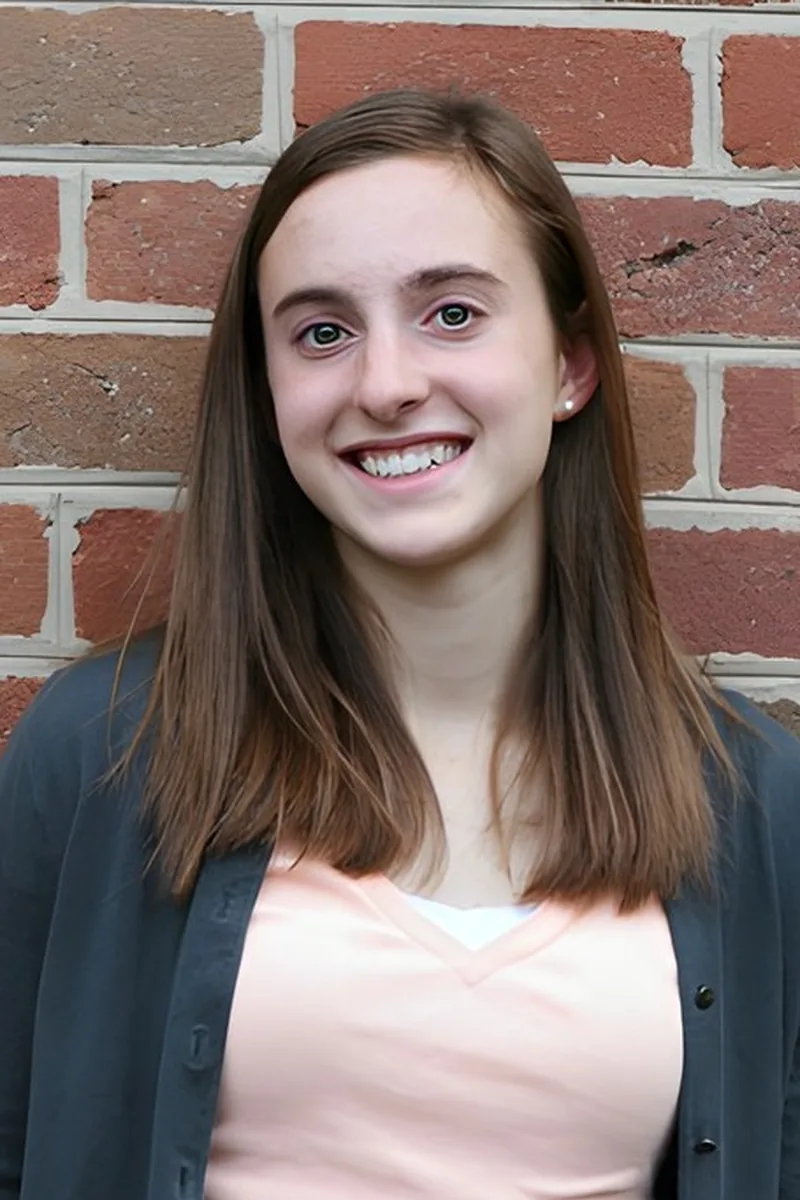
Teaching a seven-year-old why borrowing works in subtraction requires a completely different skill set than explaining calculus. Kathleen brings both — she's a math major at Washington University who genuinely enjoys working with younger students on foundational skills like multi-digit operations, basic fractions, and number sense. She figures out how each kid thinks and adapts her explanations to match.

At the elementary level, math should feel like puzzle-solving, not rote drill. John teaches place value, multi-digit operations, and early fraction concepts by emphasizing the 'why' behind each step — like understanding that multiplication is really repeated grouping, not just a times-table fact. That conceptual grounding, backed by his B.S. in Mathematics, gives young learners tools they can build on for years.
Kristen holds elementary education certification (grades 1–6) and knows how to make early math concepts like place value, regrouping, and basic fractions feel intuitive rather than intimidating. She uses hands-on strategies and visual models to make sure young learners actually understand what's happening when they add, subtract, multiply, or divide. That conceptual grounding pays off for years.
I am excited to help anyone who might need it!
Fractions, place value, and multi-digit multiplication are the building blocks that everything else in math depends on. Anna takes a hands-on approach to these foundational concepts, using concrete examples and patient repetition to make sure young learners genuinely understand the reasoning behind each operation rather than just following steps.
Building number sense early — understanding place value, basic operations, and how to reason through word problems — sets the trajectory for everything that comes after. Megan holds a master's in Curriculum and Instruction and designs lessons that make abstract ideas concrete, using visuals and hands-on strategies that stick with younger learners.
Early math confidence shapes everything that comes after, which is why Bri treats each elementary concept — place value, basic multiplication, simple fractions — as something worth truly understanding, not just memorizing. She uses stories and visual models to make numbers feel less intimidating, drawing on her English background to explain ideas in ways young learners actually absorb.
Getting fractions, decimals, and place value right early on changes everything about how a student experiences math later. Vijaya teaches elementary math by building number sense through concrete examples — skip-counting, visual models, word problems — so kids understand the "why" behind each operation.
Early math concepts like place value, fractions, and basic multiplication set the stage for everything a student will encounter later. Hannah makes these ideas tangible by linking them to everyday situations — splitting a pizza, counting change, measuring ingredients — so young learners grasp the 'why' behind each operation.
Getting multiplication facts and place value right early on shapes how a student handles every math class that follows. Neha has tutored kids as young as kindergarten across Chicago and knows how to make concepts like fractions and basic division click through hands-on, visual strategies rather than rote repetition.
Getting multiplication tables, fractions, and place value right at this stage shapes how a student thinks about math for years. Brittany's experience ranges from tutoring middle schoolers in West Philadelphia to working with college students at Penn, which gives her a clear picture of where early math skills need to be solid — and she makes those foundational concepts stick through concrete examples rather than rote repetition.
Fractions, place value, and basic multiplication can feel overwhelming to young learners when the "why" behind each step isn't clear. Anni breaks these concepts into visual, hands-on explanations that build real number sense — drawing on the same structured thinking she uses in her biomedical sciences training.
Building number sense early — not just memorizing multiplication tables but understanding why grouping and place value work — sets kids up for every math class that follows. Jeanette uses concrete examples and visual strategies to make concepts like fractions, measurement, and basic operations click before moving to more abstract practice.
I am currently a senior at Northwestern University and I will be receiving a Bachelor of Arts in Political Science and Legal Studies this spring. In the fall, I will begin attending law school at Northwestern Law. For many years, I tutored a wide range of students in Spanish, English literature, and writing. I have also continued to help many high school seniors with college application essays. While I tutor a variety of subjects, I am very passionate about helping students improve their reading and writing skills, and I really enjoy helping students with Critical Reading and Writing portions of Standardized Tests. I love working with students and helping them realize their full academic potential. In my spare time, I enjoy traveling, exploring Chicago, reading, and cooking.
Getting multiplication tables and place value to click for a younger learner takes more than repetition — it takes someone who genuinely enjoys being in the room. Marc's training as an actor gives him an unusual ability to make a lesson on fractions or basic geometry feel like a conversation rather than a lecture. He matches each student's energy level and finds the examples that make numbers intuitive.
Teaching elementary school every day near Boston means Emily isn't guessing about how young learners think about place value, fractions, or multi-digit multiplication — she watches it happen in real time. She uses multiple representations (number lines, area models, manipulatives) to find the approach that makes a concept stick for each child.
Getting multiplication tables and place value to truly click early on makes every math class that follows easier. Rashana uses real-world examples like money and measurement to teach elementary concepts, making abstract number sense feel concrete and intuitive for younger learners.
Building number sense early — understanding place value, basic operations, and how to reason through word problems — sets the trajectory for everything that comes after in math. Mary treats elementary math as a chance to make young learners feel confident with numbers rather than anxious about them. Her 5.0 rating speaks to an approach that keeps sessions engaging while making sure core skills stick.
Getting multiplication facts and place value down early changes everything about a student's math trajectory. Iselee uses structured practice and visual strategies to make concepts like regrouping and basic fractions intuitive rather than intimidating for younger learners.
Early math confidence matters more than early math speed, and Amber structures her sessions around making sure a student genuinely understands place value, basic operations, or simple fractions before racing ahead. She uses hands-on strategies and real-world examples — counting money, measuring ingredients — to make abstract numbers tangible. Rated 5.0 by families she's worked with.
Building fluency with multiplication facts, place value, and basic fractions at the elementary level sets up everything that comes later in math. Christina genuinely enjoys working with younger students and designs lessons that mix structured practice with activities that keep kids engaged. She earned a 34 ACT composite, and her own math journey started with the same foundational skills she now teaches.
Testimonials
Because the right Elementary Math tutor makes all the difference.
Average Session Rating – Based on 3.4M Learner Ratings
Nearby Elementary Math Tutors
Other St. Louis Tutors
Related Math Tutors in St. Louis
Frequently Asked Questions
Students often struggle with the transition from memorizing procedures to understanding the "why" behind math concepts—especially with multi-step word problems, fractions, and early multiplication strategies. Many students also experience math anxiety when they can't immediately see how a concept connects to what they've learned before. A personalized tutor can break down these concepts into smaller, manageable pieces and help students build confidence by showing how different math ideas relate to each other.
During the initial session, a tutor will assess your student's current understanding, identify specific areas where they're struggling, and learn about their learning style and goals. This helps the tutor create a personalized plan tailored to your student's needs—whether that's building foundational skills, tackling word problems, or preparing for a specific benchmark. You'll get a clear picture of where your student stands and what to expect moving forward.
Expert tutors teach students to think through problems step-by-step rather than just chasing the right answer. By modeling different problem-solving strategies and asking guiding questions, tutors help students understand when and why to use certain approaches. This builds metacognitive skills—the ability to reflect on their own thinking—which translates to better performance on tests and homework where showing work is required.
Yes. Varsity Tutors connects you with tutors who understand the various math curricula used across St. Louis's 9 school districts, whether that's traditional textbook approaches or newer standards-based programs. Tutors can work directly with your student's current assignments and materials to reinforce what's being taught in class while also filling in any conceptual gaps.
Math anxiety often stems from feeling rushed or embarrassed to ask questions in a classroom setting. With personalized instruction, students get a safe space to ask "dumb questions," work at their own pace, and celebrate small wins. When a tutor helps a student see patterns and connections they've been missing, confidence builds naturally—and that confidence carries over into the classroom.
Word problems require students to translate language into math, which is a skill separate from computation. Tutors teach strategies like identifying key information, drawing diagrams, and breaking problems into smaller steps. By practicing these strategies repeatedly with feedback, students learn to approach word problems systematically rather than feeling overwhelmed by the text.
Simply connect with Varsity Tutors to describe your student's needs and goals. You'll be matched with an expert tutor who has experience in elementary math and understands the St. Louis school landscape. From there, you can schedule your first session and begin building a personalized learning plan that works for your student's schedule and learning style.
Progress shows up in multiple ways: improved homework accuracy, better performance on quizzes and tests, increased willingness to attempt challenging problems, and greater confidence in class discussions. Your tutor will regularly check in on specific goals—whether that's mastering fractions, improving word problem skills, or raising a grade—so you have clear visibility into your student's growth.
Let’s find your perfect tutor
Answer a few quick questions. We’ll recommend the right plan and match you with a top 5% tutor.