AP Microeconomics Flashcards: Socially Efficient And Inefficient Market Outcomes

Study Socially Efficient And Inefficient Market Outcomes in AP Microeconomics with focused flashcards that help you recognize the idea, recall the key rule, and apply it in practice-style prompts.

AP Microeconomics

Socially Efficient And Inefficient Market Outcomes

0 mastered0 still learning

0% Complete

QUESTION
1/ 73

What is the outcome when goods are overproduced?

Tap card or press Space to flip

ANSWER

Socially inefficient due to negative externalities. Market produces more than socially optimal quantity.

How well did you know it?

Card 1 / 73

What this deck covers

This deck focuses on Socially Efficient And Inefficient Market Outcomes, giving you a quick way to review the definitions, rules, and examples that matter most for AP Microeconomics.

How to use these flashcards

Work through these flashcards in short sessions. Try to answer each prompt before flipping the card, then revisit any cards you miss until the explanation feels automatic.

All flashcards

Flashcard 1: What is the outcome when goods are overproduced?

Answer: Socially inefficient due to negative externalities. Market produces more than socially optimal quantity.

Flashcard 2: Find the equilibrium price in a market.

Answer: Price where quantity supplied equals quantity demanded. Where supply and demand curves intersect.

Flashcard 3: What is a common solution for a positive externality?

Answer: Government subsidy. Compensates for external benefits causing underproduction.

Flashcard 4: What is an example of a public good?

Answer: National defense. Non-excludable and non-rivalrous good requiring government provision.

Flashcard 5: What outcome is achieved by internalizing an externality?

Answer: Achieves social efficiency. Makes external costs and benefits part of market decisions.

Flashcard 6: Which diagram illustrates socially efficient outcomes?

Answer: Supply and demand curve where MSC = MSB. Shows intersection where social optimum is achieved.

Flashcard 7: Identify a cause of market failure.

Answer: Externalities. When markets fail to account for external effects.

Flashcard 8: What is the role of government in public goods?

Answer: Provision and financing. Government must supply non-excludable, non-rivalrous goods.

Flashcard 9: Which policy tool addresses positive externalities?

Answer: Subsidies. Payments that encourage production with external benefits.

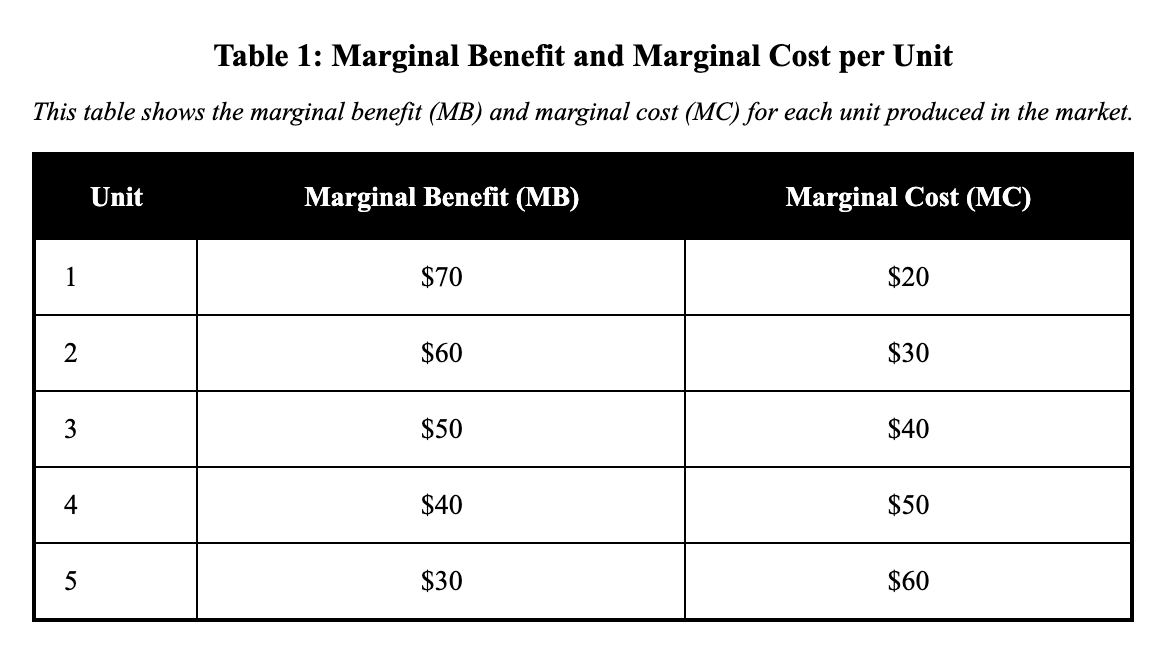
Flashcard 10: What does MSB stand for in microeconomics?

Answer: Marginal Social Benefit. Total benefit to society including external benefits.

Flashcard 11: What happens when MSC exceeds MSB?

Answer: Overproduction occurs. Market quantity above socially optimal level.

Flashcard 12: What does MSB stand for in microeconomics?

Answer: Marginal Social Benefit. Total benefit to society including external benefits.

Flashcard 13: Which policy tool addresses positive externalities?

Answer: Subsidies. Payments that encourage production with external benefits.

Flashcard 14: What is a common solution for a positive externality?

Answer: Government subsidy. Compensates for external benefits causing underproduction.

Flashcard 15: Identify a cause of market failure.

Answer: Externalities. When markets fail to account for external effects.

Flashcard 16: How does a Pigouvian tax affect supply?

Answer: Increases the cost of production, reducing supply. Forces producers to internalize external costs.

Flashcard 17: Which term describes failing to allocate resources efficiently?

Answer: Market failure. When markets don't achieve socially optimal outcomes.

Flashcard 18: Define a positive externality.

Answer: A benefit received by a third party from a transaction. External benefits flowing to parties outside the transaction.

Flashcard 19: What happens when MSC exceeds MSB?

Answer: Overproduction occurs. Market quantity above socially optimal level.

Flashcard 20: Identify the impact of a negative externality on supply.

Answer: Shifts supply curve leftward, increasing price. External costs raise true social cost of production.

Flashcard 21: Find the socially optimal quantity on a demand curve.

Answer: Where MSB equals MSC. Point where social marginal benefit equals social marginal cost.

Flashcard 22: What does MSC stand for in microeconomics?

Answer: Marginal Social Cost. Total cost to society including external costs.

Flashcard 23: What does a deadweight loss indicate in a market?

Answer: Loss of economic efficiency. Shows society is worse off than at optimal allocation.

Flashcard 24: What does deadweight loss represent in a market?

Answer: Loss of total social surplus due to inefficiency. Represents welfare lost when markets operate inefficiently.

Flashcard 25: State the Coase Theorem.

Answer: Efficient outcomes can be achieved with private bargaining. Assumes low transaction costs and clear property rights.

Flashcard 26: What does internalizing an externality mean?

Answer: Adjusting market incentives to reflect external costs/benefits. Making external effects part of private cost-benefit calculations.

Flashcard 27: Which term describes failing to allocate resources efficiently?

Answer: Market failure. When markets don't achieve socially optimal outcomes.

Flashcard 28: Find the equilibrium price in a market.

Answer: Price where quantity supplied equals quantity demanded. Where supply and demand curves intersect.

Flashcard 29: What happens when MSB exceeds MSC?

Answer: Underproduction occurs. Market quantity below socially optimal level.

Flashcard 30: Find the deadweight loss area on a graph.

Answer: Triangle between supply and demand curves. Area showing lost welfare from market inefficiency.

Flashcard 31: What is the effect of a price ceiling on social surplus?

Answer: Leads to deadweight loss due to reduced transactions. Creates shortage and prevents mutually beneficial trades.

Flashcard 32: What is an external cost?

Answer: A cost not reflected in the market price. Negative spillover not captured in market price.

Flashcard 33: Identify the market outcome if goods are underproduced.

Answer: Socially inefficient due to positive externalities. Market produces less than socially optimal quantity.

Flashcard 34: What is the outcome when goods are overproduced?

Answer: Socially inefficient due to negative externalities. Market produces more than socially optimal quantity.

Flashcard 35: What is the result of a subsidy on a positive externality?

Answer: Increases consumption to the socially optimal level. Compensates for underproduction caused by external benefits.

Flashcard 36: What outcome is achieved by internalizing an externality?

Answer: Achieves social efficiency. Makes external costs and benefits part of market decisions.

Flashcard 37: What defines a socially efficient market outcome?

Answer: Marginal social cost equals marginal social benefit. This occurs where social costs and benefits are balanced.

Flashcard 38: What is the Pigouvian tax designed to correct?

Answer: Negative externalities. Tax equals the external cost to internalize the externality.

Flashcard 39: How does a Pigouvian tax affect supply?

Answer: Increases the cost of production, reducing supply. Forces producers to internalize external costs.

Flashcard 40: Which term describes a benefit to non-buyers and non-sellers?

Answer: External benefit. Positive spillover effects to third parties.

Flashcard 41: What does a deadweight loss indicate in a market?

Answer: Loss of economic efficiency. Shows society is worse off than at optimal allocation.

Flashcard 42: What happens when MSB exceeds MSC?

Answer: Underproduction occurs. Market quantity below socially optimal level.

Flashcard 43: Define a negative externality.

Answer: A cost suffered by a third party due to a transaction. External costs imposed on parties not in the transaction.

Flashcard 44: Identify the market outcome if goods are underproduced.

Answer: Socially inefficient due to positive externalities. Market produces less than socially optimal quantity.

Flashcard 45: What is the formula for total social surplus?

Answer: Total social surplus = Consumer surplus + Producer surplus. Combines benefits to consumers and producers in the market.

Flashcard 46: What does internalizing an externality mean?

Answer: Adjusting market incentives to reflect external costs/benefits. Making external effects part of private cost-benefit calculations.

Flashcard 47: What does MSC stand for in microeconomics?

Answer: Marginal Social Cost. Total cost to society including external costs.

Flashcard 48: Identify a characteristic of a socially inefficient outcome.

Answer: Resource misallocation occurs. Resources aren't allocated to their highest-valued uses.

Flashcard 49: What is the formula for total social surplus?

Answer: Total social surplus = Consumer surplus + Producer surplus. Combines benefits to consumers and producers in the market.

Flashcard 50: What is the result of a subsidy on a positive externality?

Answer: Increases consumption to the socially optimal level. Compensates for underproduction caused by external benefits.

Flashcard 51: Which condition indicates a market failure?

Answer: Marginal social cost differs from marginal social benefit. When social costs and benefits aren't equated.

Flashcard 52: Find the socially optimal quantity on a demand curve.

Answer: Where MSB equals MSC. Point where social marginal benefit equals social marginal cost.

Flashcard 53: What outcome results from a subsidy on production?

Answer: Increases supply, reducing social inefficiency. Encourages more production when external benefits exist.

Flashcard 54: What is the role of government in public goods?

Answer: Provision and financing. Government must supply non-excludable, non-rivalrous goods.

Flashcard 55: What is an external cost?

Answer: A cost not reflected in the market price. Negative spillover not captured in market price.

Flashcard 56: Identify a characteristic of a socially inefficient outcome.

Answer: Resource misallocation occurs. Resources aren't allocated to their highest-valued uses.

Flashcard 57: Define a positive externality.

Answer: A benefit received by a third party from a transaction. External benefits flowing to parties outside the transaction.

Flashcard 58: Define a negative externality.

Answer: A cost suffered by a third party due to a transaction. External costs imposed on parties not in the transaction.

Flashcard 59: What defines a socially efficient market outcome?

Answer: Marginal social cost equals marginal social benefit. This occurs where social costs and benefits are balanced.

Flashcard 60: Which diagram illustrates socially efficient outcomes?

Answer: Supply and demand curve where MSC = MSB. Shows intersection where social optimum is achieved.

Flashcard 61: Which policy tool addresses negative externalities?

Answer: Pigouvian tax. Tax that equals the marginal external cost.

Flashcard 62: What is the Pigouvian tax designed to correct?

Answer: Negative externalities. Tax equals the external cost to internalize the externality.

Flashcard 63: State the Coase Theorem.

Answer: Efficient outcomes can be achieved with private bargaining. Assumes low transaction costs and clear property rights.

Flashcard 64: What does deadweight loss represent in a market?

Answer: Loss of total social surplus due to inefficiency. Represents welfare lost when markets operate inefficiently.

Flashcard 65: What is the role of property rights in market efficiency?

Answer: Clarified rights can lead to efficient outcomes. Clear ownership enables efficient bargaining solutions.

Flashcard 66: Which term describes a benefit to non-buyers and non-sellers?

Answer: External benefit. Positive spillover effects to third parties.

Flashcard 67: What is the effect of a price ceiling on social surplus?

Answer: Leads to deadweight loss due to reduced transactions. Creates shortage and prevents mutually beneficial trades.

Flashcard 68: What is the role of property rights in market efficiency?

Answer: Clarified rights can lead to efficient outcomes. Clear ownership enables efficient bargaining solutions.

Flashcard 69: Find the deadweight loss area on a graph.

Answer: Triangle between supply and demand curves. Area showing lost welfare from market inefficiency.

Flashcard 70: Which condition indicates a market failure?

Answer: Marginal social cost differs from marginal social benefit. When social costs and benefits aren't equated.

Flashcard 71: Identify the impact of a negative externality on supply.

Answer: Shifts supply curve leftward, increasing price. External costs raise true social cost of production.

Flashcard 72: What is an example of a public good?

Answer: National defense. Non-excludable and non-rivalrous good requiring government provision.

Flashcard 73: What outcome results from a subsidy on production?

Answer: Increases supply, reducing social inefficiency. Encourages more production when external benefits exist.