
Summer Learning: Bridging the Gap to 4th Grade Math
Heading into 4th grade means tackling bigger math — and this course makes sure students are ready.
4 sessions
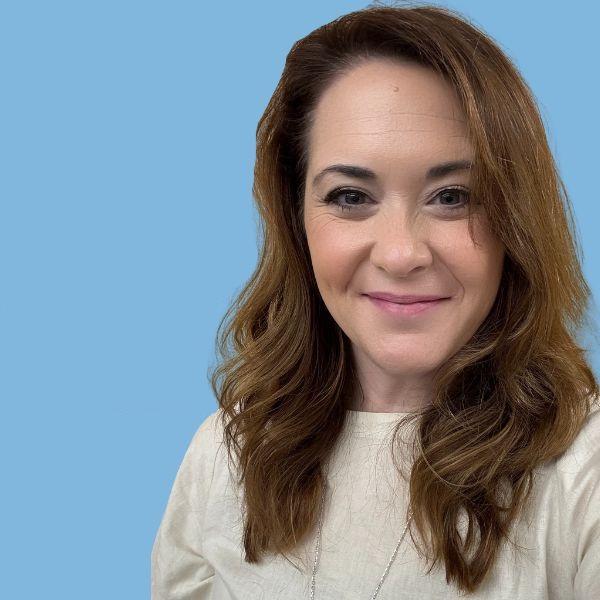
Ashley
4.4
Outcomes, not lecture notes.
Identify numerators and denominators and explain what each part of a fraction actually represents
Compare and find equivalent fractions using number lines and visual models
Solve multiplication and division problems using arrays, repeated addition, and equal groups — and explain how the two operations undo each other
Classify polygons by their attributes, including number of sides, angles, and vertices, and distinguish between open and closed shapes
Read, write, and compare decimals using place value charts
Convert between decimal and fraction representations of the same value
Apply math concepts to word problems by identifying key information and choosing the right strategy
Build math vocabulary retention strategies that make new terms stick
Meet Ashley.
Ashley
Ashley Leonard is a dedicated virtual educator renowned for her engaging English language instruction with the State of Virginia and the U.S. Department of State. Her innovative lessons, delivered through cutting-edge digital tools, create immersive and inclusive learning environments that foster cultural understanding and academic achievement. When she's not helping kids master math and literacy skills, she spends her time helping people and pets alike as the founder of Smiles Forever Animal Rescue Pets for Veterans.
Heading into 4th grade means tackling bigger math — and this course makes sure students are ready. Designed for rising 4th graders, this summer class closes the gap between what students know and what's coming next, covering fractions, multiplication and division, geometric shapes, and place value with decimals. Students work through real problems, build math vocabulary, and practice the kind of thinking that makes 4th grade feel manageable — not intimidating. By the end, students won't just remember their math facts; they'll understand why the math works, giving them a genuine head start when the school year begins.
Who This Course Is For This course is built for students who just finished 3rd grade and want to walk into 4th grade confident, prepared, and ahead of the curve. Summer is prime time for math skills to fade — this course fights that slide head-on by revisiting the core concepts from 3rd grade and extending them toward what's coming next. Whether a student struggled with fractions, never quite nailed their multiplication facts, or just wants to stay sharp, this class delivers focused, interactive practice in a live setting.
Fractions, Inside and Out Students start by breaking down what a fraction actually means — not just memorizing top number and bottom number, but understanding that the denominator tells you how many equal parts a whole is divided into, and the numerator tells you how many of those parts you have. From there, students practice identifying and comparing fractions using number lines and visual models, and explore equivalent fractions — discovering that 1/2 and 2/4 are just two ways of saying the same thing. This conceptual groundwork is exactly what 4th grade fraction work builds on.
Multiplication, Division, and the Connection Between Them Multiplication tables and division facts get a thorough workout, but the emphasis here goes beyond memorization. Students practice multiple strategies — arrays, repeated addition, and equal groups — so they have more than one tool when a problem gets tricky. Crucially, students explore the inverse relationship between multiplication and division, learning to see how 4 × 6 = 24 and 24 ÷ 6 = 4 are two sides of the same coin. That understanding pays off immediately when students hit multi-step problems in 4th grade.
Geometry: Shapes, Attributes, and Polygons Geometry in this course is about precision — learning to describe shapes by their defining characteristics, not just their names. Students learn what makes a polygon a polygon (closed, straight sides), how to count and compare sides, angles, and vertices, and why a circle doesn't qualify. Distinguishing between open and closed shapes sharpens students' ability to reason carefully, a skill that transfers well beyond geometry.
Place Value and Decimals Place value gets extended in this course from whole numbers into the world of decimals. Students read, write, and compare decimals using place value charts, and learn to connect decimal notation to fraction notation — understanding that 0.5 and 1/2 represent the same quantity. This connection between fractions and decimals is one of the most important bridges students will cross in 4th grade math, and building it early makes a real difference.
Problem-Solving and Summer Learning Habits Throughout every session, students apply what they're learning to real-world word problems — practicing how to read a problem carefully, pull out the relevant information, and choose the right approach. Math vocabulary is treated as a genuine skill, with strategies for remembering terms built directly into instruction. Students are encouraged to re-watch session recordings and keep up consistent practice in math, reading, and writing all summer long — because the students who arrive in September having kept their minds active are the ones who hit the ground running.
Live Q&A
Cameras / mics optional
Recordings
Available within 1 hour, kept 90 days
Materials
No special materials required
Similar classes


free with a Varsity Tutors membership
04
DAYS02
HRS40
MINWed, Sep 9 • 11:00pm UTC
1 class, starts in 4 days
Summer Learning: Bridging the Gap to 4th Grade Math