Award-Winning AP U.S. Government & Politics Prep in Seattle
Award-Winning AP U.S. Government & Politics Prep in Seattle
Everything you need to crush the AP U.S. Government & Politics in Seattle, WA. Live prep classes, practice tests, 1-on-1 expert tutoring, and AI-powered diagnostics.
Who needs prep?
No obligation. Takes ~1 minute.
Instructors from
- YaleUniversity
- PrincetonUniversity
- StanfordUniversity
- CornellUniversity
Featured by


AP U.S. Government & Politics Prep Classes
 One-time classLive
AP Chemistry Monthly Review
Ace your AP Chemistry class _and_ the AP exam — without cramming or falling behind. Our AP Chemistry Monthly Review sessions are designed to help you stay one step ahead. Each month, an expert instructor will guide you through a focused review of the unit you’ve just covered in class, helping you reinforce key concepts, connect ideas across the curriculum, and build your personal study toolkit for May.
 One-time classLive
AP Physics 1 Monthly Review
Ace your AP Physics 1 class _and_ the AP exam — without cramming or falling behind. Our AP Physics 1 Monthly Review sessions are designed to help you stay one step ahead. Each month, an expert instructor will guide you through a focused review of the unit you’ve just covered in class, helping you reinforce key concepts, connect ideas across the curriculum, and build your personal study toolkit for May.
 One-time classLive
AP Calculus AB Monthly Review
Ace your AP Calculus AB class _and_ the AP exam — without cramming or falling behind. Our AP Calculus AB Monthly Review sessions are designed to help you stay one step ahead. Each month, an expert instructor will guide you through a focused review of the unit you’ve just covered in class, helping you reinforce key concepts, connect ideas across the curriculum, and build your personal study toolkit for May.
 One-time classLive
AP Biology Monthly Review
Ace your AP Biology class _and_ the AP exam — without cramming or falling behind. Our AP Biology Monthly Review sessions are designed to help you stay one step ahead. Each month, an expert instructor will guide you through a focused review of the unit you’ve just covered in class, helping you reinforce key concepts, connect ideas across the curriculum, and build your personal study toolkit for May. These sessions are ideal for students who want to maintain top grades, reduce stress, and walk into the AP exam with total confidence.
 Short-term classLive
AP English Language & Composition Monthly Review
Ace your AP Lang essays _and_ the AP exam — without cramming or falling behind. Our AP English & Composition Language Monthly Review sessions are designed to help you stay one step ahead. Each month, an expert instructor will guide you through a focused review of the skills and texts you’ve been developing in class, helping you sharpen your rhetorical analysis, build a personal study toolkit, and feel confident in timed writing and multiple-choice questions alike.
 One-time classLive
AP Psychology Monthly Review
AP Psychology Monthly Review is the high-impact prep course for students who want to walk into the AP exam with real confidence. Each month, students review and sharpen the skills that matter most for building on the rest of the school year and executing expertly on the AP exam in May. You'll dissect real texts, practice both multiple-choice and free-response question types, and shore up the fundamentals that can be so fleeting when your class moves on to new units quickly.
 One-time classLive
AP Computer Science A Monthly Review
Ace your AP Computer Science A class _and_ the AP exam — without cramming or falling behind. Our AP Computer Science A Monthly Review sessions are designed to help you stay one step ahead. Each month, an expert instructor will guide you through a focused review of the unit you’ve just covered in class, helping you reinforce key programming skills, strengthen your problem-solving strategies, and build your personal study toolkit for May.
 One-time classLive
AP Precalculus Monthly Review
AP Precalculus Monthly Review is the high-impact prep course for students who want to walk into the AP exam with real confidence. Each month, students review and sharpen the skills that matter most for building on the rest of the school year and executing expertly on the AP exam in May. You'll dissect real texts, practice both multiple-choice and free-response question types, and shore up the fundamentals that can be so fleeting when your class moves on to new units quickly.
 One-time classLive
AP Statistics Monthly Review
Ace your AP Statistics class and the AP exam — without cramming or falling behind. Our AP Statistics Monthly Review sessions are designed to help you stay one step ahead. Each month, an expert instructor will guide you through a focused review of the unit you’ve just covered in class, helping you reinforce key concepts, connect ideas across the curriculum, and build your personal study toolkit for May.
 Short-term classLive
AP Biology: 4-Week Exam Review
The AP Biology exam covers a year’s worth of content in a single afternoon. So it pays to spend 4 weeks brushing up on concepts and getting the most important skills, formulas, and strategies top of mind to be ready for test day. That’s why this 4-week exam review class provides expert-led review of critical concepts along with strategic guidance on how to handle the question formats and time limits you’ll face on the exam. By the end of the course, you’ll be ready for multiple choice and free response questions, analyzing experiments and graphics, about everything from cell structure to ecology.
Top-Rated AP U.S. Government & Politics Prep Instructors in Seattle

Political Economy at USC trains students to do something the AP U.S. Government & Politics exam quietly demands: read policy not as abstract theory but as the product of institutional forces — federal...
Education & Certificates
University
Bachelor's
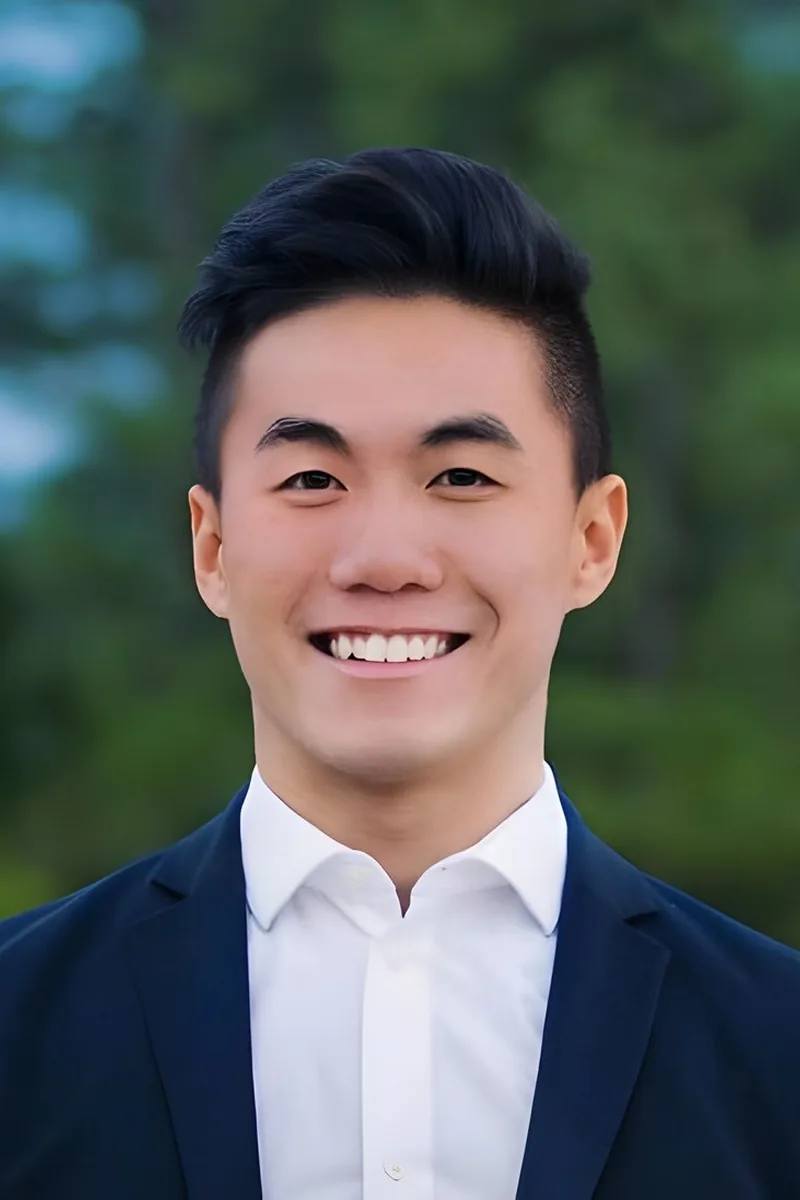
I'm not tutoring or buried in my textbooks, you will either find me rock climbing at the Triangle Rock Club, playing Ultimate Frisbee, working on my car, or enjoying the great outdoors (beaches, mount...
Education & Certificates
The University of Texas at Dallas
Bachelors, Mechanical Engineering
Duke University
Current Grad Student, Mechanical Engineering
SAT Scores
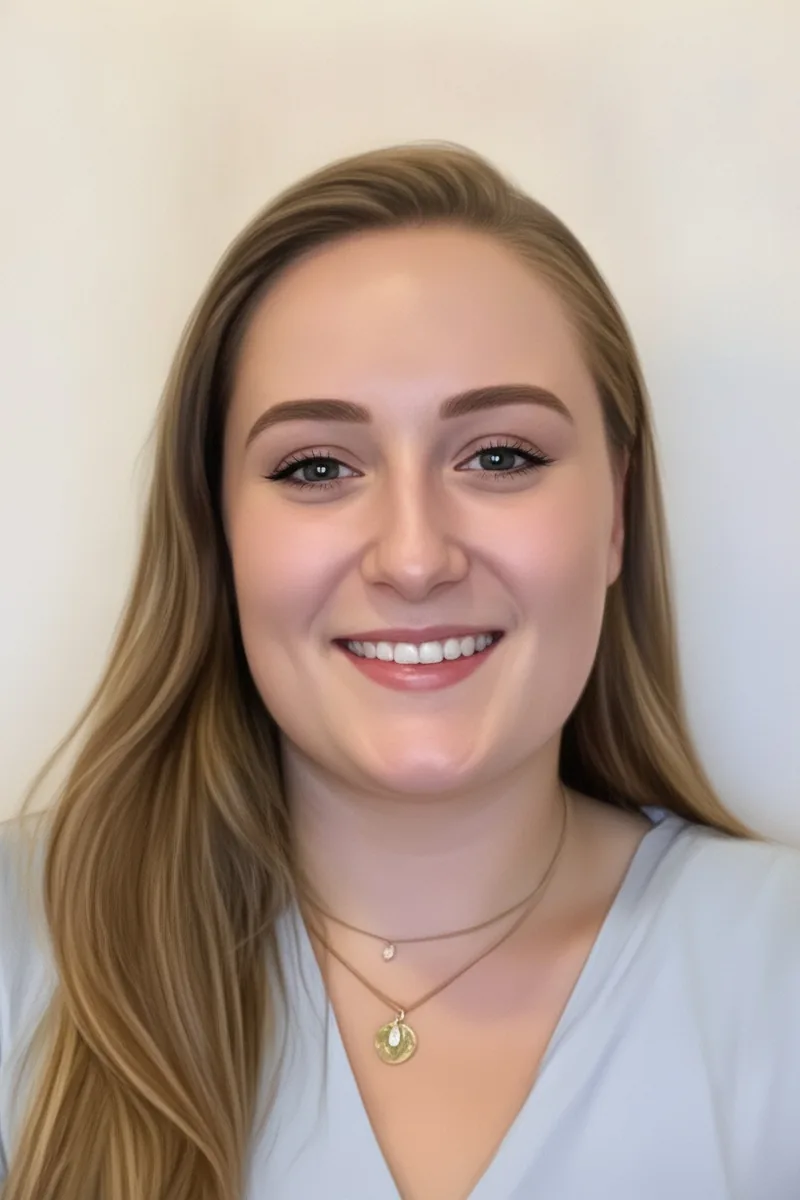
I am an interdisciplinary educator with an Ed.M. from the Harvard Graduate School of Education and a B.A. from Dartmouth College. My background is primarily in integrated arts learning and museum educ...
Education & Certificates
Harvard University
Masters in Education, Education
Dartmouth College
B.A.
SAT Scores

I am a recent graduate from a masters program in biostatistics at Columbia University. I received my Bachelor of Arts in biological sciences, with a focus in neurobiology at Northwestern University. I...
Education & Certificates
Columbia University
Masters in biostatistics
Northwestern University
Bachelor of Arts in biological sciences (focus in neurobiology)
SAT Scores

I am a graduate of Wesleyan University, where I received my Bachelor of Arts in Sociology with High Honors. With eight years of experience working in education, I've tutored students in math, science,...
Education & Certificates
Harvard University
PHD, Education
Wesleyan University
Bachelor in Arts, Sociology
ACT Scores

I am a junior Mechanical Engineering major at Yale, and I hope to become a Naval Aviator after college. I am also a varsity sailor, and enjoy playing music with friends when I can get some free time. ...
Education & Certificates
Yale University
Bachelor of Science, Mechanical Engineering
ACT Scores
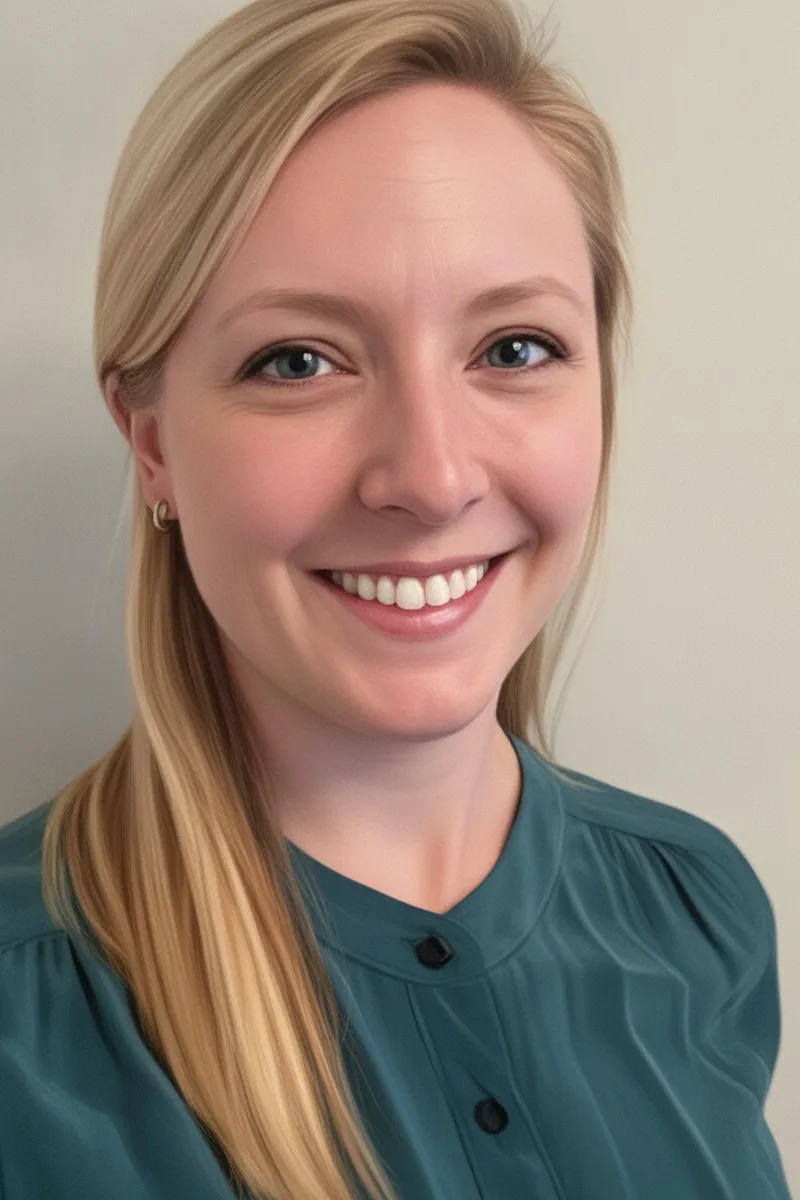
I am a graduate of Washington University in St Louis, where I received my Bachelor of Arts in History with minors in Humanities and Anthropology. Since graduation, I have worked as a tutor, teacher, a...
Education & Certificates
Simmons College
Masters, Special Education: Mild to Moderate Disabilities 5-12
Washington University in St. Louis
Bachelor of Arts in History (minors in Humanities and Anthropology)
ACT Scores

I am a rising sophomore at Harvard College and am about to declare as a Mechanical Engineering concentrator, working towards a Bachelor of Science degree. I've always enjoyed sharing my knowledge with...
Education & Certificates
Harvard College
Bachelor of Science, Mechanical Engineering
ACT Scores

I'm Solange - a recent graduate from Harvard where I studied Sociology & Women's Studies. I've been tutoring for eight years now, and have worked with a wide range of ages and in a wide range of subje...
Education & Certificates
Harvard University
Bachelor in Arts (Sociology & Women's Studies)
ACT Scores

I am proud to be a part of Varsity Tutors! I am originally from San Antonio, TX; I completed my undergraduate education at Rice University in Houston where I received a bachelor's degree in Biochemist...
Education & Certificates
Baylor College of Medicine
Current Grad Student, M.D.
Rice University
Bachelor's in Biochemistry and Cell Biology
SAT Scores
Frequently Asked Questions
Students typically struggle most with understanding the nuances of federalism, the separation of powers, and how policy actually gets made through Congress. The civil rights and civil liberties unit also trips up many students because it requires synthesizing multiple court cases and understanding how constitutional interpretation has evolved. Additionally, the policy-focused units on the economy, foreign policy, and social policy demand that students connect abstract political theory to real-world examples—something that takes targeted practice to master.
The key to strong FRQ performance is understanding the specific command words the College Board uses—explain, describe, compare, and analyze each require different approaches. Many students lose points by providing examples without connecting them back to the concept being tested. Tutors can help you develop a consistent structure for each FRQ type: identify the main concept, provide relevant examples (cases, policies, or data), and explicitly explain how your evidence supports your argument. Practice under timed conditions is essential—you have about 20 minutes per FRQ, so pacing and clarity matter as much as content knowledge.
You have roughly 72 seconds per multiple-choice question (55 questions in 80 minutes), but the reality is that some questions are much faster than others. Straightforward definition or process questions might take 30 seconds, while scenario-based questions testing your ability to apply concepts could take 2-3 minutes. The strategy is to move quickly through easier questions, flag the tougher conceptual ones, and come back to them if time allows. A tutor can help you identify which question types you tend to overthink and teach you to recognize when a question is testing recall versus application—that distinction alone can save you significant time.
Rather than memorizing case names and dates, focus on understanding the constitutional question at stake and how the Court's decision shaped policy or rights. For example, knowing that Marbury v. Madison established judicial review is less useful than understanding why that power matters for the separation of powers system. Create a framework for each case: the constitutional issue, the Court's ruling, and the real-world impact. Many students benefit from organizing cases by theme (federalism cases together, First Amendment cases together) so they can compare how the Court's reasoning evolved. This thematic approach also helps you answer synthesis questions that ask you to compare how different cases address similar constitutional questions.
Start by taking a full-length practice test under realistic conditions and analyzing your results by unit—not just your overall score. Look for patterns: Are you missing questions on a specific topic like Congress or the bureaucracy? Do you struggle more with scenario-based questions or definitional ones? Once you've identified weak areas, use targeted review rather than re-reading the textbook. A tutor can create mini-quizzes focused on your specific gaps, explain the concepts you're misunderstanding, and then have you practice similar questions until you're confident. This focused approach is far more efficient than generic test prep, especially in the final weeks before the exam.
Test anxiety in AP Government often stems from feeling unprepared for the breadth of content or uncertain about how to approach the FRQs. Building genuine confidence through repeated practice with real exam questions and timed conditions is the most effective antidote. Knowing your pacing strategy (how long you'll spend on each section, when you'll flag difficult questions) removes uncertainty on test day. A tutor can also help you develop a pre-exam routine and teach you to recognize when you're overthinking a question versus when you genuinely need to reconsider your answer. Finally, remember that the AP Government exam rewards clear reasoning and evidence more than perfect recall—if you can explain your thinking, you'll earn points even if you're not 100% certain.
Score gains depend on your starting point and how much time you invest. A student scoring in the 2-3 range (struggling with foundational concepts) might realistically improve 1-2 points with focused tutoring on core topics and test-taking strategies. A student already scoring 4s who wants to reach a 5 typically needs to master the most challenging synthesis questions and eliminate careless errors—this often requires fewer sessions but more intensive practice. The national average on the AP Government exam is around 2.9, so reaching a 4 (which colleges often accept for credit) is an achievable goal with consistent effort. Most meaningful improvement happens when students combine tutoring with their own practice between sessions.
An effective AP Government tutor should understand not just the content but the exam itself—how the College Board phrases questions, what each FRQ prompt is really asking, and which topics appear most frequently. They should be able to explain abstract concepts like federalism or checks and balances clearly and connect them to real examples students recognize. Look for someone who emphasizes active practice (working through actual AP questions) rather than passive review, and who can diagnose why you're missing questions—is it a content gap, a misunderstanding of the question format, or a pacing issue? Finally, they should help you build a personalized study plan based on your strengths and weaknesses, not a one-size-fits-all approach.
Other Seattle test prep
Let's find your perfect prep plan
Answer a few quick questions. We'll recommend the right plan and match you with a top 5% instructor.