Award-Winning AP European History Prep in Portland
Award-Winning AP European History Prep in Portland
Everything you need to crush the AP European History in Portland, OR. Live prep classes, practice tests, 1-on-1 expert tutoring, and AI-powered diagnostics.
Who needs prep?
No obligation. Takes ~1 minute.
Instructors from
- YaleUniversity
- PrincetonUniversity
- StanfordUniversity
- CornellUniversity
Featured by


AP European History Prep Classes
 Short-term classLive
Jump Start to AP & Honors Chemistry
Chemistry is the study of the properties, structures, and reactions of matter—and how substances transform through interactions at the atomic and molecular level. From the periodic table to chemical equations, each concept builds on the last—so the foundations you begin the school year with tend to shape the reactions, outcomes, and confidence you carry through every lab and lesson. In this live, interactive summer class you will learn and review the key building blocks for success in advanced high school chemistry classes, including AP, IB, and honors classes. From scientific principles to essential math concepts, you’ll cover everything you need to confidently conquer your most challenging fall class.
 Short-term classLive
Jump Start to AP & Honors Physics
Physics is the study of the fundamental forces and principles that govern how matter and energy interact in the universe. From motion and momentum to waves and electricity, each concept builds on the last—so the foundations you begin the school year with tend to govern your trajectory and velocity throughout the school year. In this live, interactive summer class you will learn and review the key building blocks for success in advanced high school physics classes, including AP, IB, and honors classes. From scientific principles to essential math concepts, you’ll cover everything you need to start your most challenging fall class with energy and momentum.
 Short-term classLive
Jump Start to AP Computer Science A
Computer Science is the study of how we use logic and code to solve problems and build the digital world around us. From variables and conditionals to classes and objects, each concept builds logically on the last—so the foundations you start with often determine how efficiently and confidently you can program throughout the year. In this live, interactive summer class, you’ll learn and review the key building blocks for success in advanced high school computer science courses, including AP Computer Science A. From core Java syntax to problem-solving strategies, you’ll cover everything you need to start this rigorous coding class with structure and logic.
 Short-term classLive
Jump Start to AP & Honors Biology
Biology is the study of the building blocks of life, how cells, systems, and processes interact to enable complex organisms to adapt and thrive. And just like living systems build from their foundations, your own biology knowledge builds concept by concept toward the complex skills you need for your labs and exams throughout the year. In this live, interactive summer class you will learn and review the key building blocks for success in advanced high school biology classes, including AP, IB, and honors classes. Armed with sound fundamentals you’ll be ready to hit the ground running in the new school year and thrive in your most challenging fall class.
Top-Rated AP European History Prep Instructors in Portland

A literature degree and a graduate program in English at Portland State might seem like an unlikely background for AP European History prep — but Aidan's training in close reading and argumentative wr...
Education & Certificates
Portland State University
Master of Arts, English
Bennington College
Bachelor in Arts, General Literature
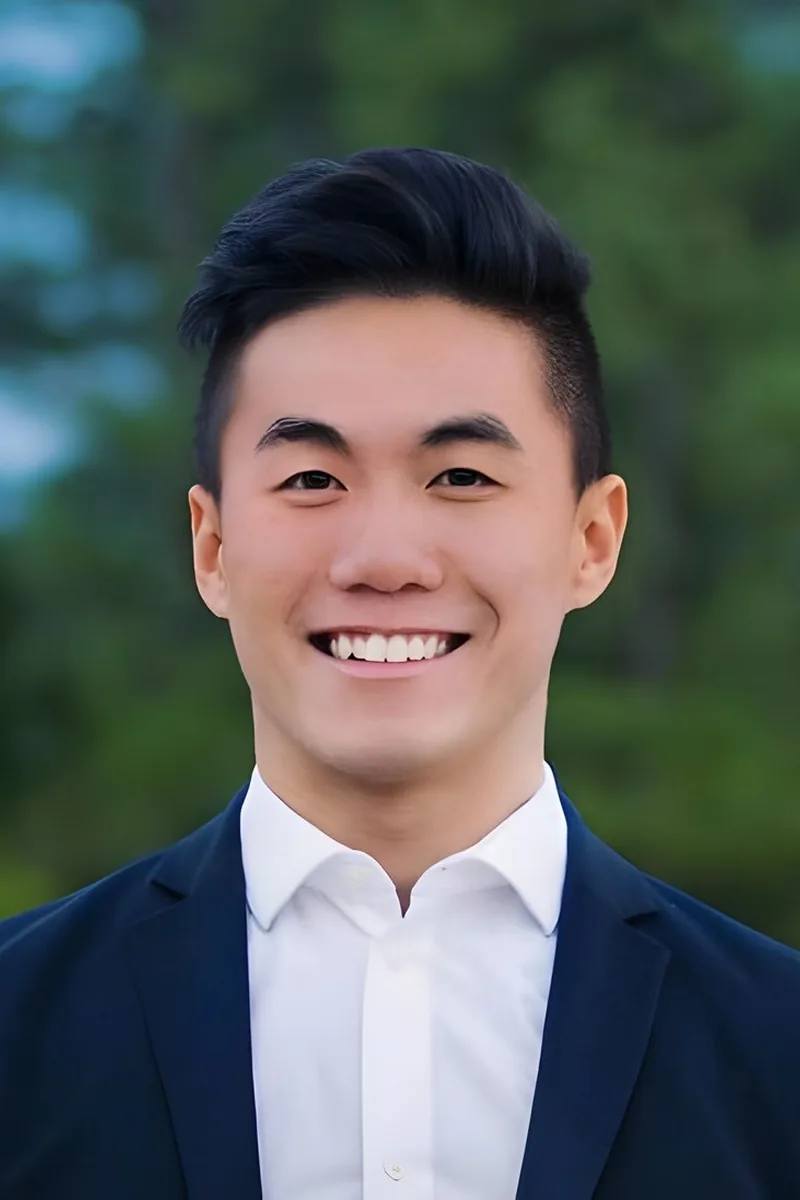
I'm not tutoring or buried in my textbooks, you will either find me rock climbing at the Triangle Rock Club, playing Ultimate Frisbee, working on my car, or enjoying the great outdoors (beaches, mount...
Education & Certificates
The University of Texas at Dallas
Bachelors, Mechanical Engineering
Duke University
Current Grad Student, Mechanical Engineering
SAT Scores
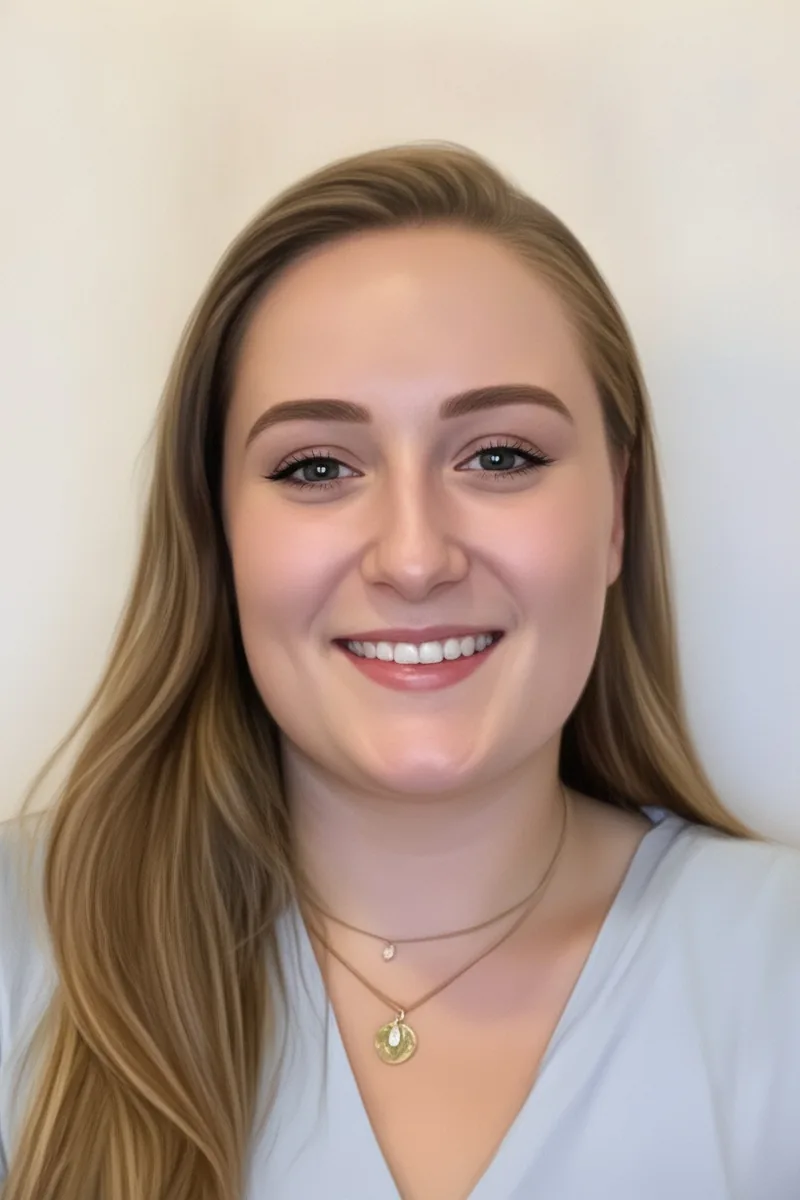
I am an interdisciplinary educator with an Ed.M. from the Harvard Graduate School of Education and a B.A. from Dartmouth College. My background is primarily in integrated arts learning and museum educ...
Education & Certificates
Harvard University
Masters in Education, Education
Dartmouth College
B.A.
SAT Scores
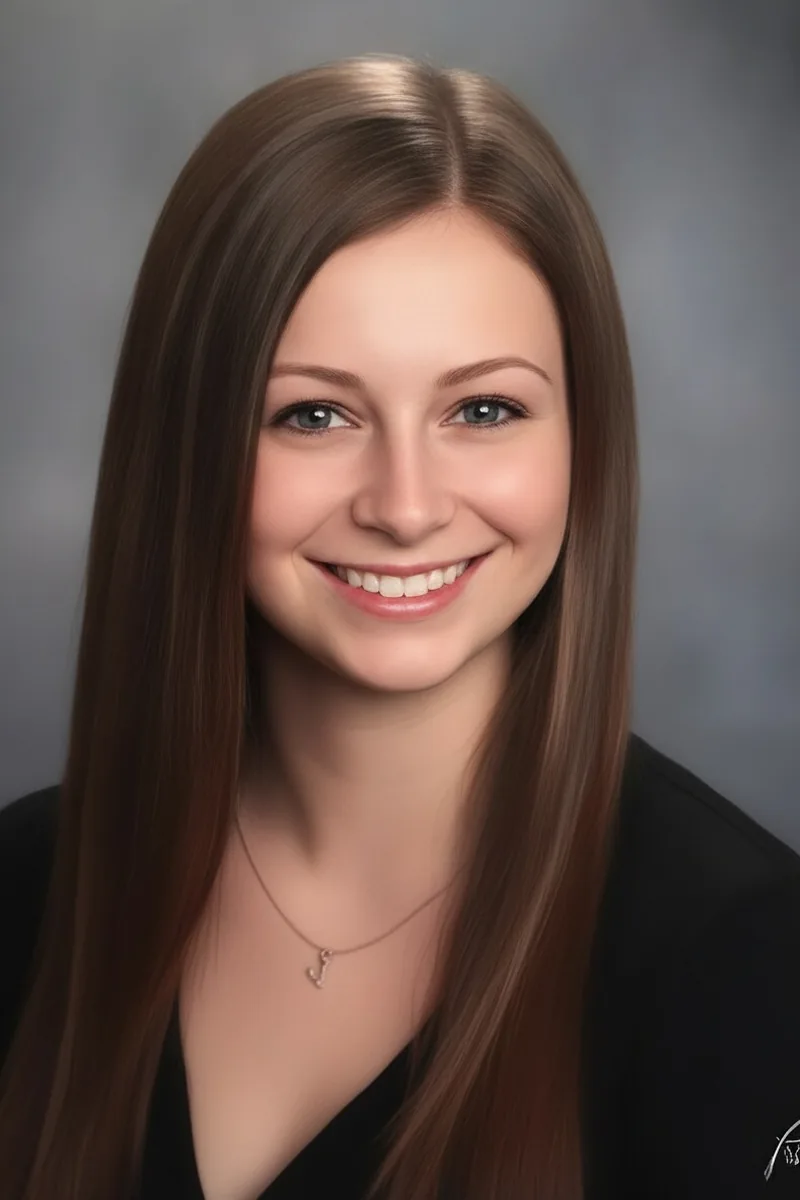
I am a recent graduate from a masters program in biostatistics at Columbia University. I received my Bachelor of Arts in biological sciences, with a focus in neurobiology at Northwestern University. I...
Education & Certificates
Columbia University
Masters in biostatistics
Northwestern University
Bachelor of Arts in biological sciences (focus in neurobiology)
SAT Scores
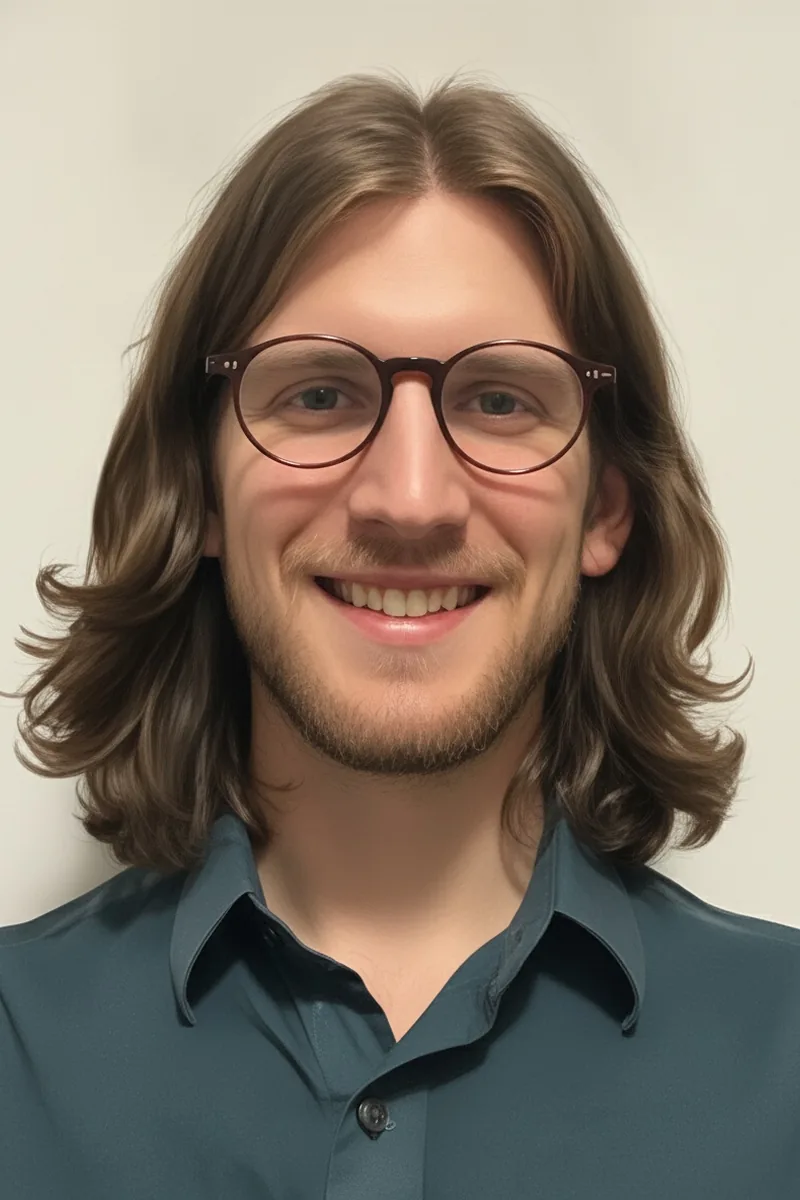
I am a graduate of Wesleyan University, where I received my Bachelor of Arts in Sociology with High Honors. With eight years of experience working in education, I've tutored students in math, science,...
Education & Certificates
Harvard University
PHD, Education
Wesleyan University
Bachelor in Arts, Sociology
ACT Scores
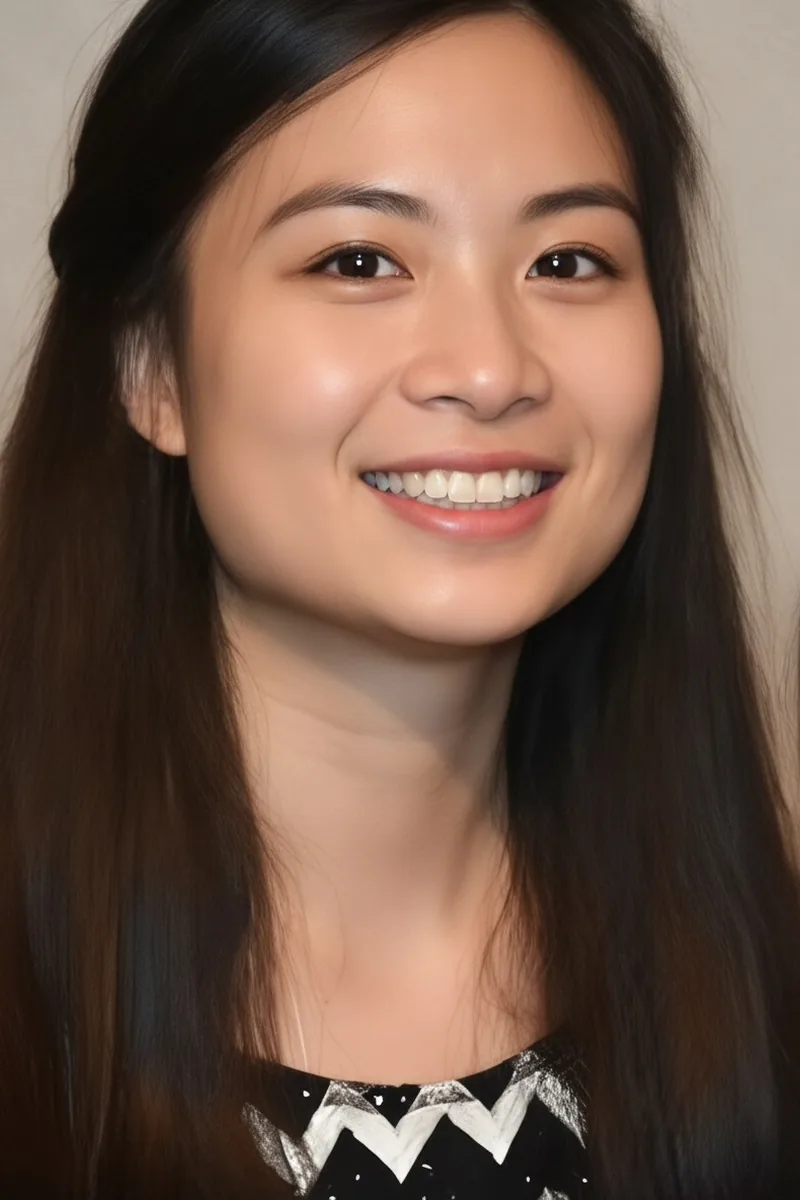
I am proud to be a part of Varsity Tutors! I am originally from San Antonio, TX; I completed my undergraduate education at Rice University in Houston where I received a bachelor's degree in Biochemist...
Education & Certificates
Baylor College of Medicine
Current Grad Student, M.D.
Rice University
Bachelor's in Biochemistry and Cell Biology
SAT Scores
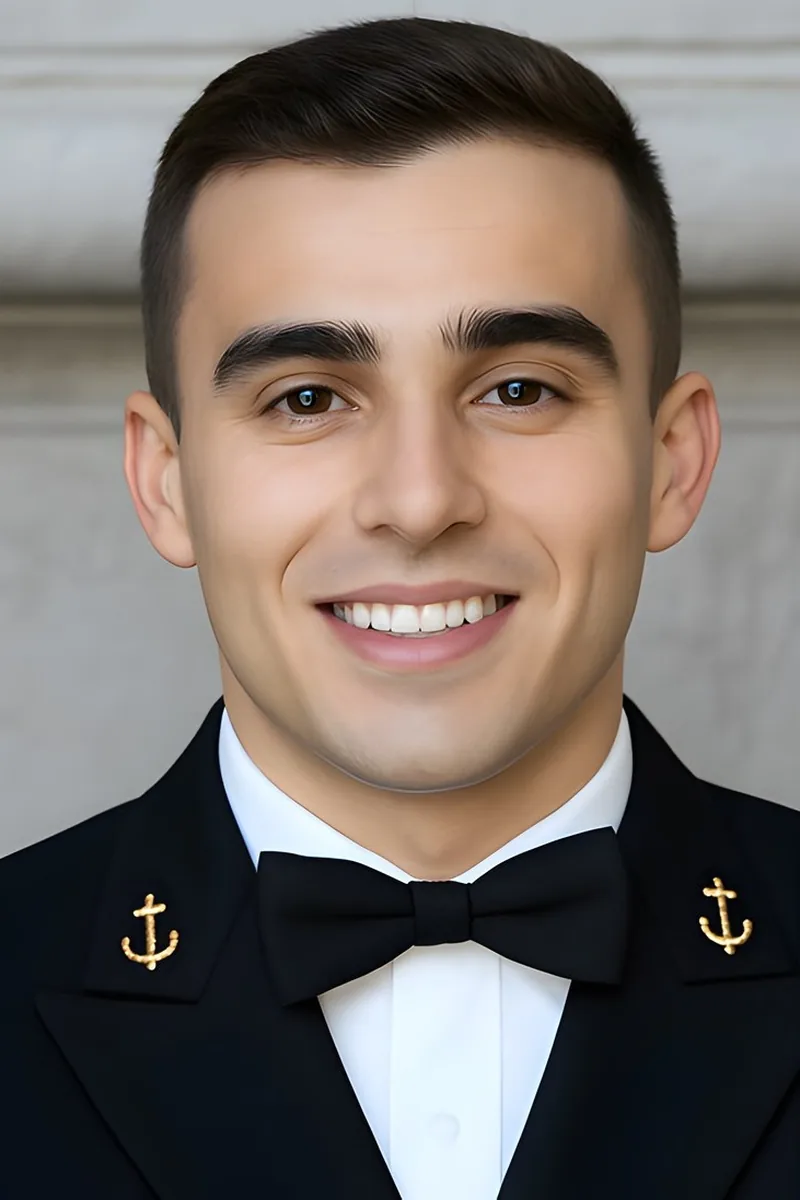
I am a junior Mechanical Engineering major at Yale, and I hope to become a Naval Aviator after college. I am also a varsity sailor, and enjoy playing music with friends when I can get some free time. ...
Education & Certificates
Yale University
Bachelor of Science, Mechanical Engineering
ACT Scores
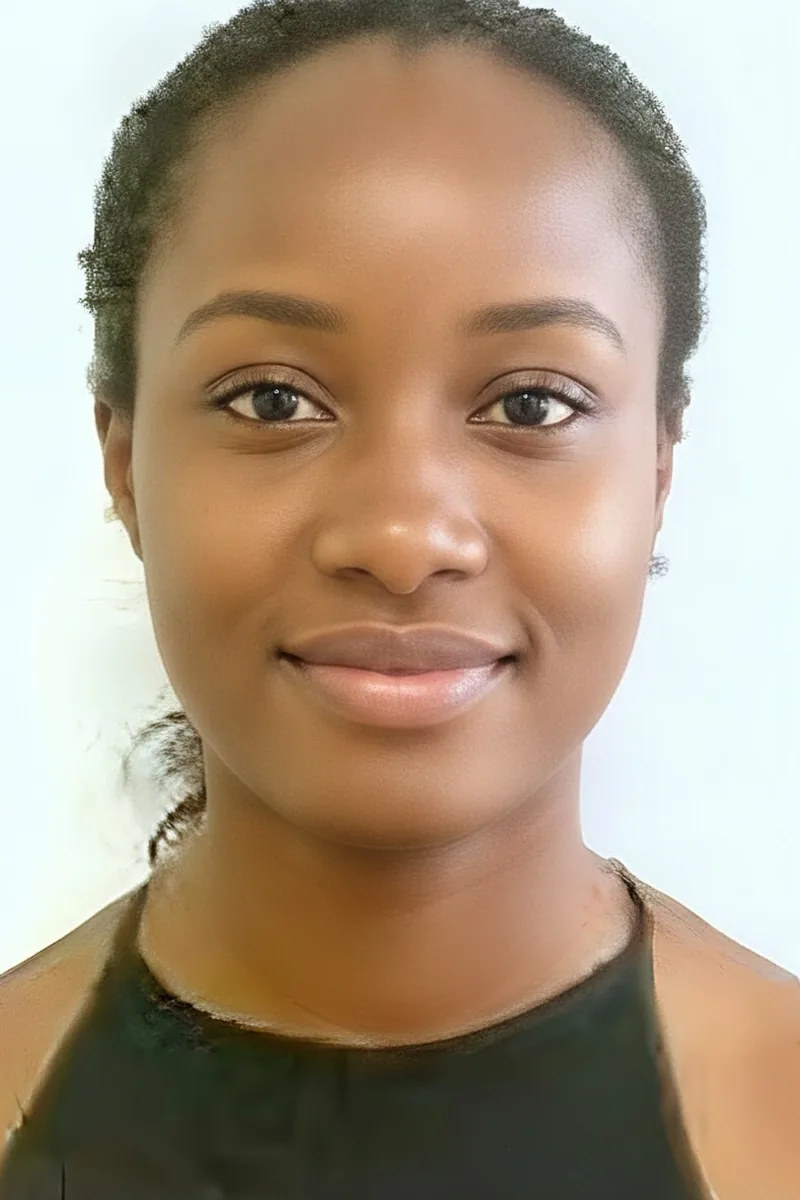
I'm Solange - a recent graduate from Harvard where I studied Sociology & Women's Studies. I've been tutoring for eight years now, and have worked with a wide range of ages and in a wide range of subje...
Education & Certificates
Harvard University
Bachelor in Arts (Sociology & Women's Studies)
ACT Scores
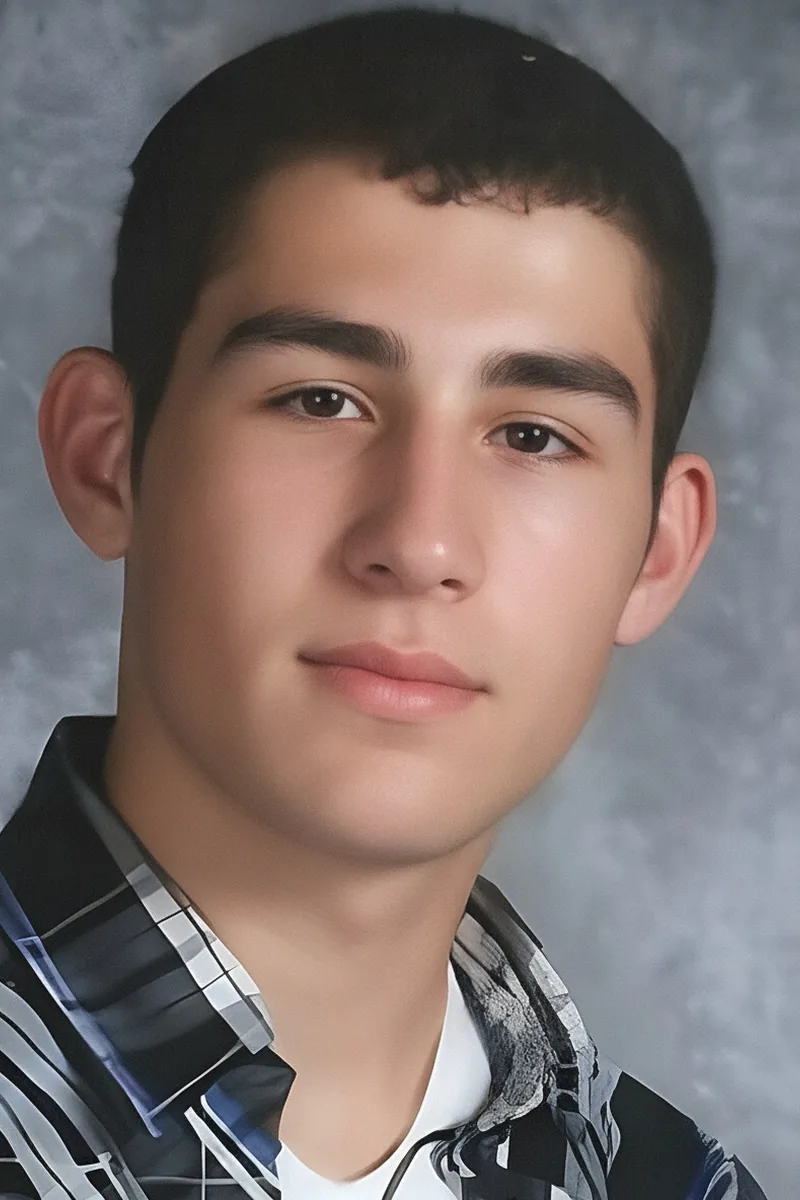
I am a rising sophomore at Harvard College and am about to declare as a Mechanical Engineering concentrator, working towards a Bachelor of Science degree. I've always enjoyed sharing my knowledge with...
Education & Certificates
Harvard College
Bachelor of Science, Mechanical Engineering
ACT Scores
I am a graduate of Washington University in St Louis, where I received my Bachelor of Arts in History with minors in Humanities and Anthropology. Since graduation, I have worked as a tutor, teacher, a...
Education & Certificates
Simmons College
Masters, Special Education: Mild to Moderate Disabilities 5-12
Washington University in St. Louis
Bachelor of Arts in History (minors in Humanities and Anthropology)
ACT Scores
Frequently Asked Questions
Students typically find the period from 1450-1648 (Renaissance through early modern state formation) and the French Revolution era most difficult, as they require understanding complex causation across multiple regions simultaneously. The Industrial Revolution and its social consequences also challenge students because they need to connect economic, social, and political changes while comparing different national experiences. Additionally, the 20th century material—particularly World War I causes, interwar instability, and the rise of totalitarianism—demands that students synthesize competing historical interpretations rather than memorize facts. A tutor can help you build frameworks for organizing these interconnected topics and practice identifying which themes appear across different time periods.
FRQs require you to construct arguments with specific evidence, not just recognize correct answers—you'll need to develop a clear thesis and support it with at least 4-5 specific historical examples rather than general statements. The Document-Based Question (DBQ) adds the challenge of analyzing 7 documents for bias, purpose, and context before building your argument, which many students rush through. Long Essay Questions (LEQs) demand that you compare, contrast, or explain causation across a broad time span, which means you need to identify the most relevant examples rather than covering everything. A tutor experienced with AP European History can teach you how to quickly identify which evidence matters most for each question type and structure responses that earn maximum points on the rubric.
The exam gives you 55 minutes for the DBQ (including 15 minutes of reading time) and 40 minutes per LEQ, which means you need to write a strong paragraph every 8-10 minutes—a pace many students don't practice. The multiple-choice section requires you to answer 55 questions in 55 minutes, leaving only about one minute per question, so you need strategies for quickly eliminating distractors and recognizing key historical terms. Many students lose points by spending too long on one section and rushing through others, or by over-explaining ideas that only need a sentence or two. Tutoring can help you practice under timed conditions, identify which sections you naturally rush through, and develop shortcuts for analyzing documents and constructing arguments efficiently.
Comparative questions ask you to analyze similarities and differences across regions or time periods (like comparing absolutism in France versus Prussia, or revolutions of 1848 across Europe), which requires holding multiple examples in mind simultaneously while finding meaningful patterns. Many students list similarities and differences without explaining their significance—the exam rewards you for analyzing WHY these comparisons matter to understanding European history. You also need to avoid the trap of assuming all European nations followed the same path; recognizing regional variations (Mediterranean versus Northern Europe, Eastern versus Western Europe) is crucial for strong analysis. A tutor can teach you frameworks for organizing comparative information, help you practice identifying the most relevant examples for each comparison prompt, and show you how to write comparative analysis that goes beyond surface-level similarities.
The AP European History framework divides content into six periods, each marked by significant transitions: the Renaissance and Exploration (1450-1648) fundamentally shifts from medieval to early modern thinking; the Age of Absolutism and the Scientific Revolution (1648-1815) establishes new forms of state power and knowledge; Industrialization and its consequences (1815-1914) transforms society economically and socially; and the 20th century (1914-present) is defined by total war, ideological conflict, and European decline as a global center. Understanding these transitions—why 1648 marks a shift, what made 1815 a turning point, how 1914 changed everything—helps you see the exam's big picture rather than memorizing isolated facts. Many students improve significantly when they study how each period's major developments (religious conflict, scientific method, factory systems, fascism) shaped the next era, which is exactly what the exam tests.
You need to quickly identify a document's author, date, intended audience, and purpose—then explain how these factors shape its perspective and reliability as evidence. For example, a 16th-century papal bull about religious authority carries different weight than a Protestant reformer's pamphlet from the same period; recognizing this bias is essential for using documents strategically. Many students treat documents as simple fact-sources when they should be analyzing them as arguments made by people with specific interests and limitations. You also need to synthesize documents—finding patterns across multiple sources and identifying which ones best support your thesis—rather than discussing each one separately. Tutoring focused on document analysis teaches you to annotate efficiently, spot bias and purpose quickly, and build arguments that weave documents together as evidence rather than listing them one by one.
Students who work with a tutor typically improve by 1-2 score points (on the 1-5 scale) over 8-12 weeks of consistent preparation, though the timeline depends on your starting point and how much you practice between sessions. If you're scoring 2s and 3s on practice exams, improvement focuses on building foundational knowledge and learning the exam format; if you're already at 3s and 4s, tutoring targets the specific rubric requirements that separate good responses from excellent ones. The biggest gains come when you combine tutoring with regular practice tests—ideally taking full-length exams every 1-2 weeks and reviewing your mistakes with a tutor who can identify patterns in where you lose points. Realistic expectations: tutoring can help you master content and strategy, but your actual score depends heavily on how much you practice applying that knowledge under timed conditions.
The best tutors have deep knowledge of European history across the full time period (1450-present) and understand how different topics connect—they can explain not just what happened, but why it matters and how it influenced later developments. They should be familiar with the AP exam rubric and have experience teaching students how to write FRQs and DBQs that earn maximum points, not just general essay-writing skills. Look for someone who uses practice tests strategically, helps you identify your specific weak areas (whether that's Reformation history, analyzing documents, or managing pacing), and teaches you frameworks for organizing information rather than just reviewing content. A strong AP European History tutor also stays current with how the College Board frames questions and can explain why certain answer choices are traps—this requires active engagement with the exam itself, not just general history knowledge.
Other Portland test prep
Let's find your perfect prep plan
Answer a few quick questions. We'll recommend the right plan and match you with a top 5% instructor.