Award-Winning MCAT Prep in Charlotte
Award-Winning MCAT Prep in Charlotte
Everything you need to crush the MCAT in Charlotte, NC. Live prep classes, practice tests, 1-on-1 expert tutoring, and AI-powered diagnostics.
Who needs prep?
No obligation. Takes ~1 minute.
Instructors from
- YaleUniversity
- PrincetonUniversity
- StanfordUniversity
- CornellUniversity
Featured by


MCAT Prep Classes
 Short-term classLive
MCAT 4-Week Prep
The MCAT Group Class is designed to prepare students to take the MCAT by equipping them with skills and test-taking strategies to improve their score. The course will cover content and strategies specific to the MCAT. Upon completion of the course, students should have an understanding of the exam structure, scoring methodology, section specific test-taking strategies, and the ability to identify and handle difficult or tricky questions.
 Semester classLive
MCAT 8-Week Prep
The MCAT Group Class is designed to prepare students to take the MCAT by equipping them with skills and test-taking strategies to improve their score. The course will cover content and strategies specific to the MCAT. Upon completion of the course, students should have an understanding of the exam structure, scoring methodology, section specific test-taking strategies, and the ability to identify and handle difficult or tricky questions.
Top-Rated MCAT Prep Instructors in Charlotte

Medical school gives you a different relationship with the MCAT — Morgan has seen exactly how the Biological and Biochemical Foundations section connects to the clinical reasoning that gets tested lat...
Education & Certificates
Georgetown University
Master of Science, Physiology
ACT Scores
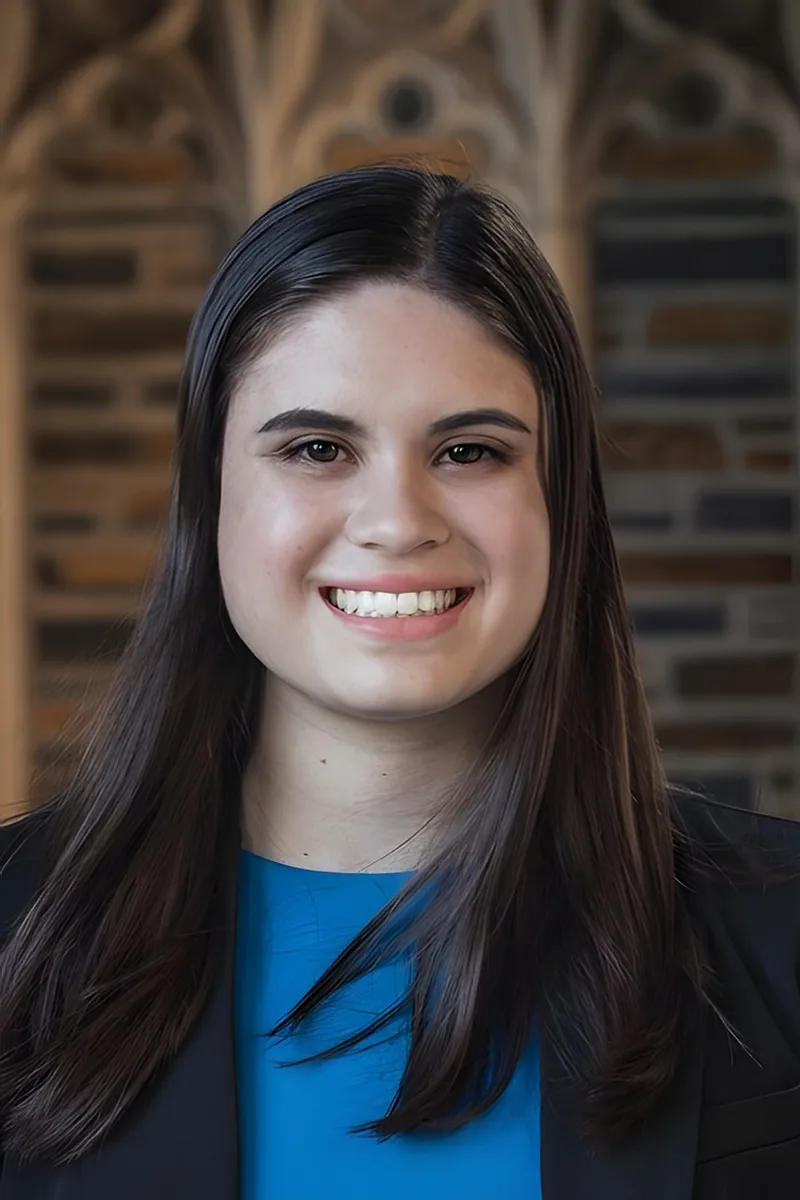
Biomedical engineering at Duke and a pre-med track gave Molly an unusual angle on MCAT prep: she coaches students to stop treating the four sections as four separate subjects and start seeing them as ...
Education & Certificates
Duke University
Bachelor of Engineering, Biomedical Engineering
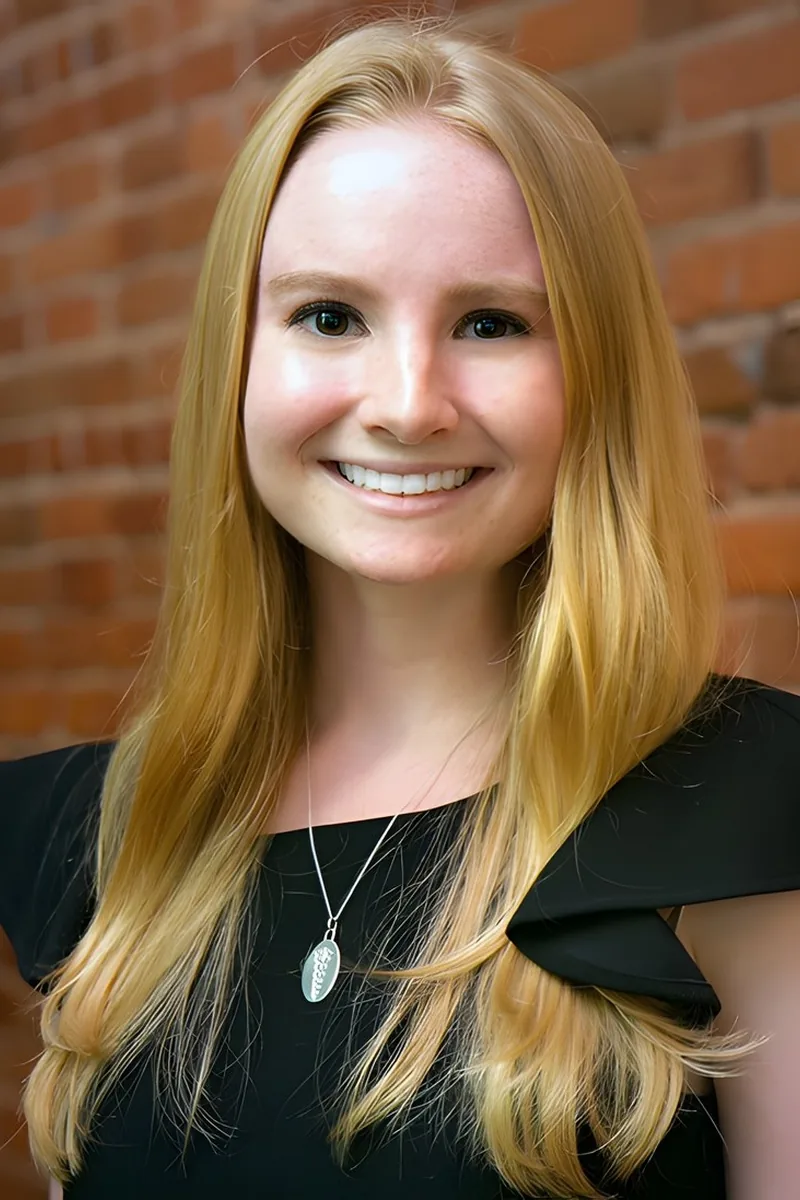
A Duke double degree in Neuroscience and French trained Julie to move between analytical frameworks quickly — a skill that directly applies to the MCAT's most demanding sections. She coaches students ...
Education & Certificates
Duke University
Bachelor of Science, Neuroscience
SAT Scores

Fourth-year medical students don't just know biochemistry and molecular biology — they've spent years learning to reason through ambiguous clinical data under pressure, which is precisely the skill th...
Education & Certificates
Rhodes College
Bachelors, Biochemistry and Molecular Biology
The University of Tennessee
Doctor of Medicine, Premedicine

Three semesters as a lead TA for anatomy and physiology at UNC — combined with pre-med coursework in chemistry and biology — gives Dimitry a precise map of which MCAT Biological and Biochemical Founda...
Education & Certificates
University
Bachelor's
ACT Scores

Psychology training at Yale gave Bria an entry point most MCAT coaches lack: she understands the behavioral science architecture behind the Psychological, Social, and Biological Foundations section at...
Education & Certificates
Yale College
Bachelor of Science, Psychology
SAT Scores
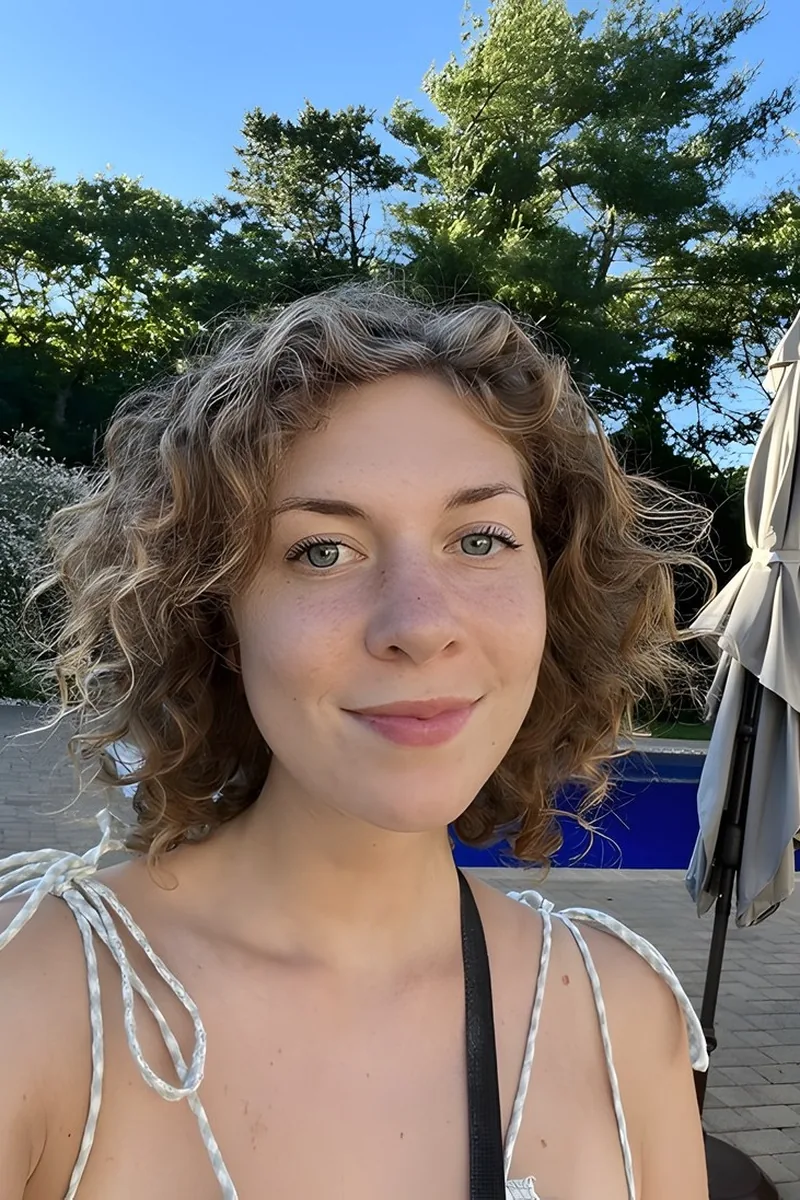
Most MCAT prep stalls because students treat it like a content exam when the hardest sections — especially CARS and the psychological foundations section — are really testing argument analysis and pas...
Education & Certificates
Yale University
Bachelor of Science
SAT Scores

Eight years of prep instruction and a perfect 1600 SAT give Maggie an unusually precise sense of how standardized exams are engineered — and she applies that test-architecture thinking directly to the...
Education & Certificates
Yale University
Bachelor in Arts, Economics/ Molecular, Cellular, and Developmental Biology
SAT Scores
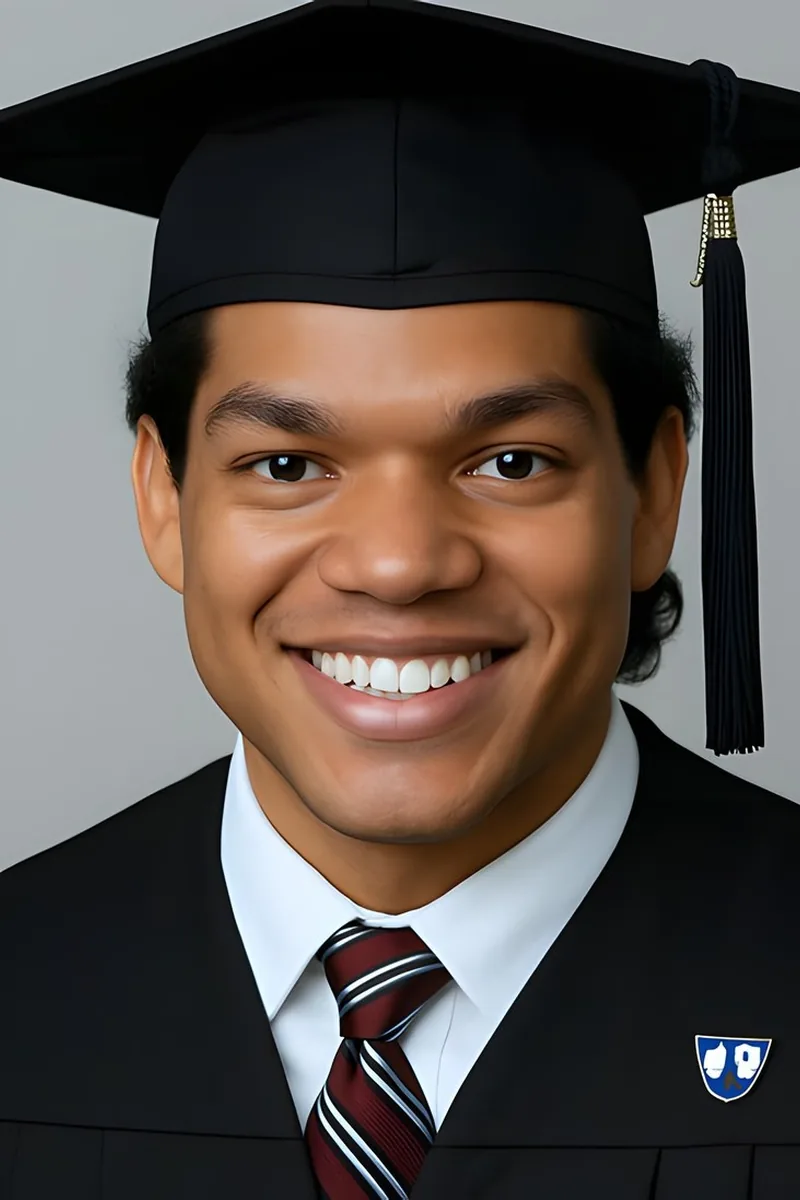
Tony's Yale biology training and firsthand experience preparing for both the SAT (1540) and MCAT give him an unusually clear read on how standardized test design shapes which study strategies actually...
Education & Certificates
Yale University
Bachelor of Science in Biology
SAT Scores

Genetics and molecular biology aren't just Alec's undergraduate focus from Cornell — they map directly onto the Biological and Biochemical Foundations section, where passage-based questions on gene ex...
Education & Certificates
Cornell University
Bachelor of Science
ACT Scores
Frequently Asked Questions
Score improvement depends on your starting point and study effort, but most students see meaningful gains with personalized instruction. The MCAT is scored 472-528, and research on 1-on-1 tutoring shows students typically improve 5-12 points when they combine expert guidance with consistent practice. Success relies on identifying your specific weak areas—whether that's CARS passage timing, physics problem-solving, or biochemistry concepts—and targeting those gaps with targeted strategies and full-length practice tests.
Pacing is one of the biggest challenges MCAT test-takers face. A tutor can help you develop section-specific timing strategies, such as how much time to spend per passage in CARS versus working through discrete chemistry questions. They'll also help you practice with full-length exams under timed conditions, identify where you're losing time, and teach you techniques like strategic skipping and pre-reading strategies that work for your learning style. The key is practicing these strategies repeatedly so they become automatic on test day.
CARS (Critical Analysis and Reasoning Skills) is typically the most challenging section because it requires both reading comprehension and reasoning—skills that take time to develop. However, the hardest section varies by student: some struggle with physics and chemistry content in Chemical and Physical Foundations, while others find Biology and Biochemistry overwhelming due to the volume of material. A tutor can diagnose which section is your biggest obstacle through practice tests and question analysis, then focus on your specific weak spots rather than generic review.
Most students spend 3-4 months preparing for the MCAT, dedicating 20-30 hours per week to studying. With tutoring, many students structure their preparation around weekly or bi-weekly sessions—enough to stay accountable and address specific concepts, but with independent study and practice tests in between. Your tutor can help you create a realistic study schedule, prioritize high-yield material based on your baseline knowledge, and adjust your plan as you progress. Starting 3-4 months before your test date gives you time to build content knowledge, master strategies, and complete full-length practice exams.
Practice tests serve two critical purposes: they simulate test-day conditions and they reveal your specific weak areas. Taking full-length practice exams helps you understand your pacing challenges, identify content gaps, and build stamina for the 7.5-hour exam. A tutor can help you interpret your practice test results—not just your overall score, but your performance by section, question type, and content area—so you know exactly what to focus on next. Most test-takers take 8-10 practice exams throughout their prep, with tutors helping them analyze results and adjust strategy between tests.
Test anxiety often stems from uncertainty about the material or unfamiliarity with the test format. A tutor helps build confidence by ensuring you understand concepts thoroughly rather than relying on memorization, teaching you concrete test-taking strategies so you feel prepared, and having you practice extensively with timed full-length exams. Knowing you've practiced under realistic conditions and understand your weak areas—and have a plan to address them—significantly reduces anxiety. Your tutor can also help you develop a positive mindset by tracking progress, celebrating score improvements, and teaching you how to manage stress on test day.
The best MCAT tutors combine deep content knowledge with expertise in test-taking strategy and student coaching. Look for tutors who have strong MCAT scores themselves, understand the nuances of each section (especially CARS strategy), and can explain complex concepts in ways that make sense to you. Equally important is a tutor who can analyze your practice test data to identify patterns, customize their teaching to your learning style, and help you build test-taking confidence. Varsity Tutors matches you with expert tutors who excel at all three—they know the material, they know the test, and they know how to teach effectively.
Other Charlotte test prep
Let's find your perfect prep plan
Answer a few quick questions. We'll recommend the right plan and match you with a top 5% instructor.