Award-Winning AP Environmental Science Prep in Charlotte
Award-Winning AP Environmental Science Prep in Charlotte
Everything you need to crush the AP Environmental Science in Charlotte, NC. Live prep classes, practice tests, 1-on-1 expert tutoring, and AI-powered diagnostics.
Who needs prep?
No obligation. Takes ~1 minute.
Instructors from
- YaleUniversity
- PrincetonUniversity
- StanfordUniversity
- CornellUniversity
Featured by


AP Environmental Science Prep Classes
 One-time classLive
AP Chemistry Monthly Review
Ace your AP Chemistry class _and_ the AP exam — without cramming or falling behind. Our AP Chemistry Monthly Review sessions are designed to help you stay one step ahead. Each month, an expert instructor will guide you through a focused review of the unit you’ve just covered in class, helping you reinforce key concepts, connect ideas across the curriculum, and build your personal study toolkit for May.
 Short-term classLive
High School Chemistry Fundamentals
Much like chemistry itself is the study of how the building blocks of matter–particles, atoms, molecules–combine, your chemistry knowledge builds from basic elements toward complex concepts, lab reports, and exams. That’s why High School Chemistry Fundamentals can be an integral force in your chemistry studies. Each week, an expert instructor will break down the key concepts that your current and upcoming chemistry lessons depend on, helping ensure that you’re ready for the challenges you encounter in your coursework and your foundations remain strong for midterm and final exams, cumulative assignments, and even future science classes.
 Short-term classLive
High School Biology Fundamentals
High School Biology is the study of the building blocks of life, how cells, systems, and processes interact to enable complex organisms to adapt and thrive. And just like living systems build from their foundations, your own biology knowledge builds concept by concept toward the complex skills you need for your labs and exams throughout the year. That’s why High School Biology Fundamentals is an integral component of your biology studies. Each week, an expert instructor will break down the key concepts that your current and upcoming biology lessons depend on, helping ensure that you’re ready for the challenges you encounter in your coursework and your foundations remain strong for midterm and final exams, cumulative assignments, and even future science classes.
 One-time classLive
AP Physics 1 Monthly Review
Ace your AP Physics 1 class _and_ the AP exam — without cramming or falling behind. Our AP Physics 1 Monthly Review sessions are designed to help you stay one step ahead. Each month, an expert instructor will guide you through a focused review of the unit you’ve just covered in class, helping you reinforce key concepts, connect ideas across the curriculum, and build your personal study toolkit for May.
 Short-term classLive
Junior Paleontologists Club
Dig into the prehistoric past with "Junior Paleontologists Camp," a thrilling four-week expedition led by the enthusiastic Teacher Amalia! Young fossil hunters will be transported millions of years back in time as they examine real fossils displayed right on their screens. From the towering Tyrannosaurus rex to the massive megalodon, students will uncover the secrets of ancient creatures that once ruled our planet. This hands-on virtual adventure explores dinosaurs, prehistoric marine predators, ancient crocodilians, and magnificent ice age mammals—allowing budding paleontologists to touch the past, understand Earth's incredible history, and experience the excitement of scientific discovery with every fossil examined! Teacher Amalia loves to share her extensive fossil collection and her experience volunteering with paleontology projects, including excavating dinosaur bones in Madagascar! She is experienced at teaching dynamic online classes that integrate stories from her adventures, real fossils, and live program animals. Each day will include three interactive sections full of fun facts, guessing games, and fossil investigations. A short break in between each section will give everyone time to stretch their legs with movement game options such as dinosaur yoga and freeze dance.
 Short-term classLive
Symptom Science: A Doctor Explains Sneezes, Scabs, Sunburns, and More
Ever wonder what's really happening when you sneeze, bruise, or feel a fever coming on? Your body is a remarkable machine, performing countless protective actions every day – most of which are far more fascinating than you realize. In this engaging four-week series, Dr. Tabitha Michaud, MD takes students behind the scenes of common symptoms and sensations, revealing the intricate science that keeps us safe and healthy. From exploring why a paper cut heals to understanding the complex cascade of events in an allergic reaction, students will gain a deep appreciation for the body's defensive systems. Through live, interactive demonstrations and real-world medical examples, Dr. Michaud brings her clinical expertise to the classroom, helping students understand common sicknesses from a scientific perspective.
 One-time classLive
Clean-Up Crew
Who takes care of nature’s messiest jobs? Join Wonders of Wildlife as we explore some of nature’s often underappreciated cleanup crew members and discover the important roles they play in keeping ecosystems healthy. We’ll uncover how scavengers, decomposers, and other hardworking species help recycle nutrients, remove waste, and keep the natural world in balance. Along the way, students will learn why these animals deserve far more appreciation than they often receive. Get ready to meet some fascinating creatures that prove even the dirtiest jobs can make a big difference!
 Short-term classLive
Food, Fuel, and the Body
We all know that our bodies need food, and that feeling hungry is the body's way of making sure we never forget it. But past that, what really happens when we give our bodies food and which foods are best for which purposes? And how much of what we think we know is just clever marketing more than actual science: is breakfast really the most important meal of the day? Do carrots give you superhuman eyesight? Join pediatrician Dr. Tabitha Michaud to learn all about how our bodies turn food into fuel for energy, for growing, for bone and muscle development, for your immune system, and more. You'll see how food gets converted into nutrients from your mouth to your stomach to your bloodstream, discover which nutrients serve which purposes, and come away much more in tune with what your body is telling you it needs based on how you feel. Note: This course focuses on how the body works, not rules about eating. There is no “good vs bad food” language — just science, empowerment, and body literacy.
 One-time classLive
AP Calculus AB Monthly Review
Ace your AP Calculus AB class _and_ the AP exam — without cramming or falling behind. Our AP Calculus AB Monthly Review sessions are designed to help you stay one step ahead. Each month, an expert instructor will guide you through a focused review of the unit you’ve just covered in class, helping you reinforce key concepts, connect ideas across the curriculum, and build your personal study toolkit for May.
One-time classLiveAP Biology Monthly Review
Ace your AP Biology class _and_ the AP exam — without cramming or falling behind. Our AP Biology Monthly Review sessions are designed to help you stay one step ahead. Each month, an expert instructor will guide you through a focused review of the unit you’ve just covered in class, helping you reinforce key concepts, connect ideas across the curriculum, and build your personal study toolkit for May. These sessions are ideal for students who want to maintain top grades, reduce stress, and walk into the AP exam with total confidence.
 Short-term classLive
Astronomy is Stellar!
When you look up in the night sky, what do you see? This class will make sure you know! In weekly sessions, guided by an expert instructor, learners will explore: - The constellations, how to find them, and how they got their names - How to use software programs like Stellarium and NASA’s Eyes to identify what’s in your night sky (and explore the cosmos on your own) - How to differentiate between stars, planets, meteors, and other night sky objects (including the International Space Station) - The phases of the moon, plus eclipses - How to use familiar stars and constellations to find directions The night sky is amazing to look at, but it’s even more amazing when you know what you’re seeing and how all the objects relate to each other. So let’s find out!
 Short-term classLive
High School Physics Fundamentals
Is your Physics grade a little too low? Want to improve your understanding of the most challenging concepts? Fundamentals of High School Physics is a live, interactive class designed for students wanting to improve their knowledge of formulas, definitions, and equations. In weekly sessions, guided by an expert instructor, you’ll gain a better understanding of the laws and applications of motion, forces, gravity, work, and energy, as well as light and sound waves.
Top-Rated AP Environmental Science Prep Instructors in Charlotte
I'm a current student at the University of Virginia, working and studying in Charlottesville during the school year and Charlotte during summer! I'm looking forward to tutoring you or your children! I...
Education & Certificates
University of Virginia-Main Campus
Current Undergrad, Economics and Philosophy
ACT Scores
I am an interdisciplinary educator with an Ed.M. from the Harvard Graduate School of Education and a B.A. from Dartmouth College. My background is primarily in integrated arts learning and museum educ...
Education & Certificates
Harvard University
Masters in Education, Education
Dartmouth College
B.A.
SAT Scores
I'm not tutoring or buried in my textbooks, you will either find me rock climbing at the Triangle Rock Club, playing Ultimate Frisbee, working on my car, or enjoying the great outdoors (beaches, mount...
Education & Certificates
The University of Texas at Dallas
Bachelors, Mechanical Engineering
Duke University
Current Grad Student, Mechanical Engineering
SAT Scores
I am a recent graduate from a masters program in biostatistics at Columbia University. I received my Bachelor of Arts in biological sciences, with a focus in neurobiology at Northwestern University. I...
Education & Certificates
Columbia University
Masters in biostatistics
Northwestern University
Bachelor of Arts in biological sciences (focus in neurobiology)
SAT Scores
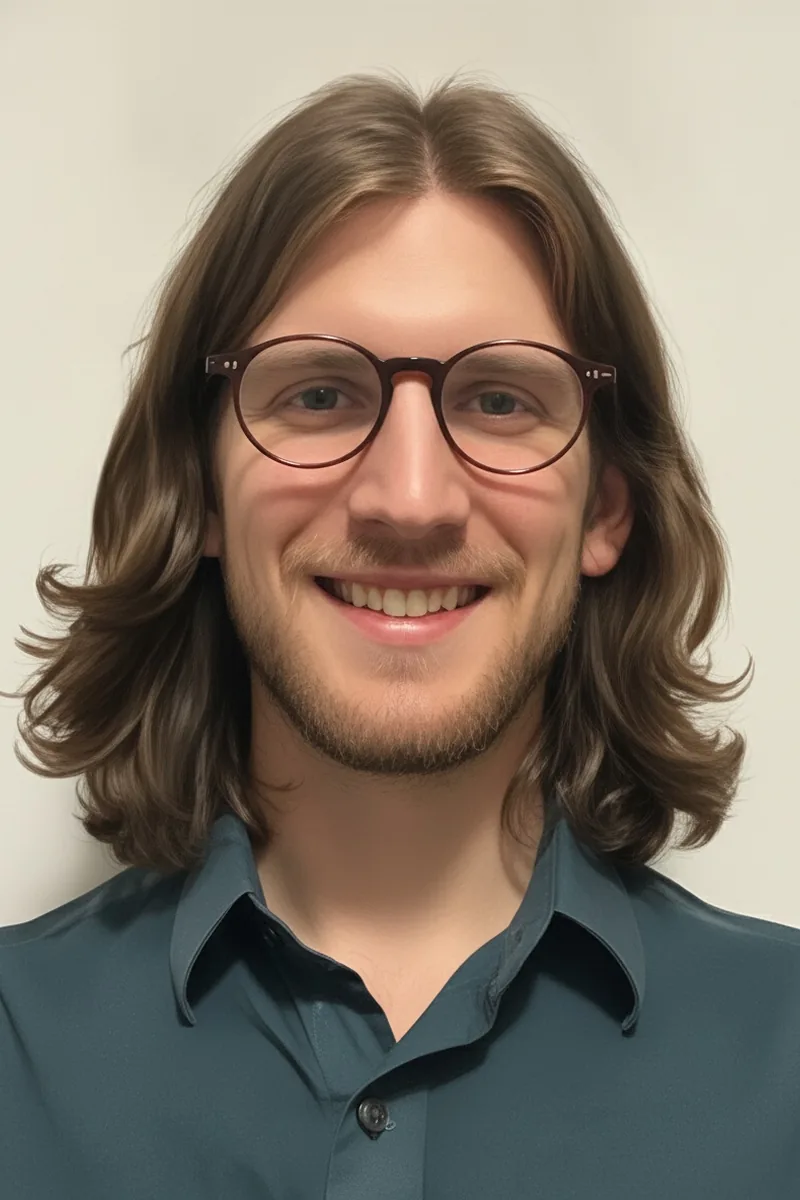
I am a graduate of Wesleyan University, where I received my Bachelor of Arts in Sociology with High Honors. With eight years of experience working in education, I've tutored students in math, science,...
Education & Certificates
Harvard University
PHD, Education
Wesleyan University
Bachelor in Arts, Sociology
ACT Scores
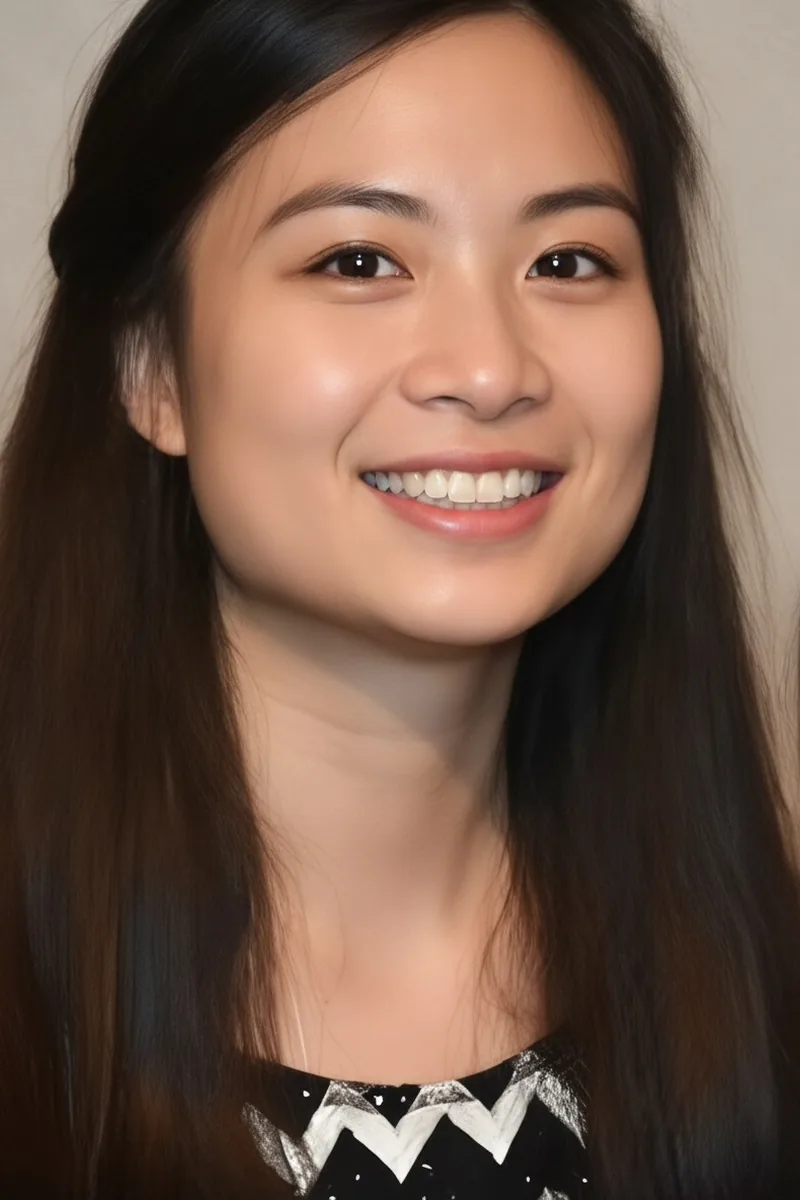
I am proud to be a part of Varsity Tutors! I am originally from San Antonio, TX; I completed my undergraduate education at Rice University in Houston where I received a bachelor's degree in Biochemist...
Education & Certificates
Baylor College of Medicine
Current Grad Student, M.D.
Rice University
Bachelor's in Biochemistry and Cell Biology
SAT Scores
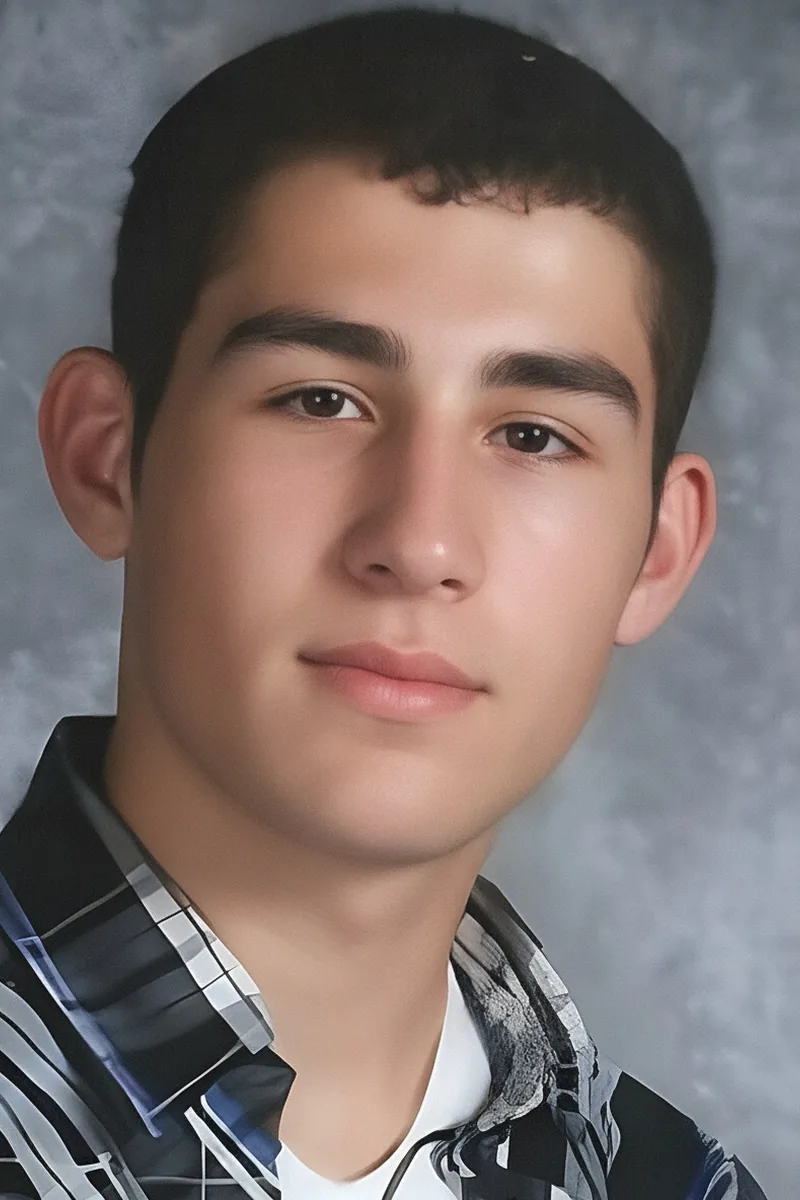
I am a rising sophomore at Harvard College and am about to declare as a Mechanical Engineering concentrator, working towards a Bachelor of Science degree. I've always enjoyed sharing my knowledge with...
Education & Certificates
Harvard College
Bachelor of Science, Mechanical Engineering
ACT Scores
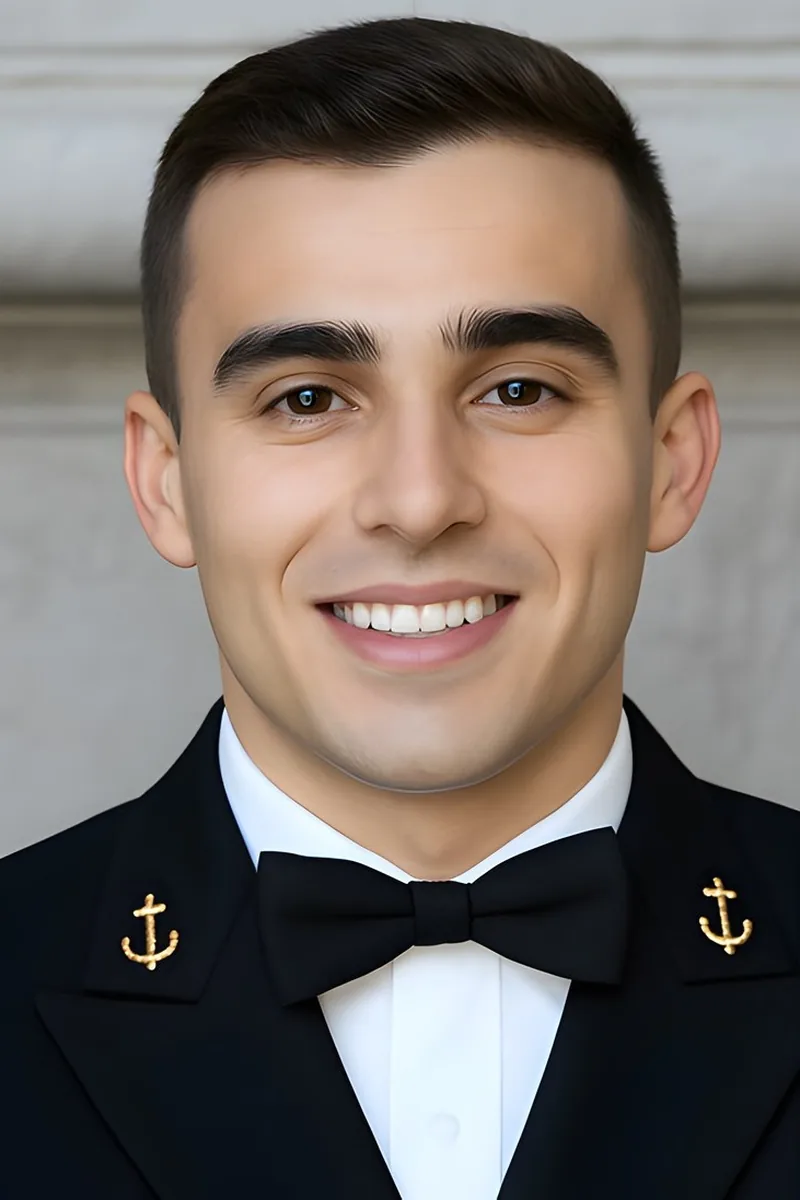
I am a junior Mechanical Engineering major at Yale, and I hope to become a Naval Aviator after college. I am also a varsity sailor, and enjoy playing music with friends when I can get some free time. ...
Education & Certificates
Yale University
Bachelor of Science, Mechanical Engineering
ACT Scores
I am a graduate of Washington University in St Louis, where I received my Bachelor of Arts in History with minors in Humanities and Anthropology. Since graduation, I have worked as a tutor, teacher, a...
Education & Certificates
Simmons College
Masters, Special Education: Mild to Moderate Disabilities 5-12
Washington University in St. Louis
Bachelor of Arts in History (minors in Humanities and Anthropology)
ACT Scores
I'm Solange - a recent graduate from Harvard where I studied Sociology & Women's Studies. I've been tutoring for eight years now, and have worked with a wide range of ages and in a wide range of subje...
Education & Certificates
Harvard University
Bachelor in Arts (Sociology & Women's Studies)
ACT Scores
Frequently Asked Questions
Students often struggle most with the quantitative sections—particularly energy flow calculations, population growth models, and water/nutrient cycle stoichiometry. The FRQ section also trips up many students because it requires synthesizing concepts across multiple units (like connecting atmospheric chemistry to acid rain impacts). Additionally, the distinction between biotic and abiotic factors in ecosystem dynamics, and understanding feedback loops in Earth systems, tends to be conceptually difficult without targeted explanation.
The exam has two sections: 80 multiple-choice questions (90 minutes) and 3 free-response questions (90 minutes). For the MC section, pace yourself at roughly 1 minute per question and flag questions involving calculations or complex diagrams to revisit. For FRQs, allocate 30 minutes per question and structure your answer clearly—define terms, show your work for calculations, and explicitly connect your answer to environmental principles. Many students lose points by not explaining the "why" behind their answers, especially in questions about human impacts or policy solutions.
Focus on understanding the underlying concepts before memorizing formulas—for example, knowing that NPP (Net Primary Productivity) = GPP minus respiration helps you interpret what the numbers mean, not just plug them in. Practice working through calculation-heavy topics like doubling time, carrying capacity, and bioaccumulation repeatedly with different scenarios. Many students benefit from creating a reference sheet of common formulas and their real-world applications, then practicing problems without looking at it to build fluency and confidence under test conditions.
The key is practicing under timed conditions with actual past FRQs and learning to structure your responses clearly. Strong FRQ answers identify the environmental concept being tested, define relevant terms, provide specific examples (like naming actual pollutants or ecosystems), and explain the cause-and-effect relationship. Many students rush through the writing portion; instead, spend the first few minutes outlining your answer, then write in complete sentences that directly address the prompt. Reviewing scoring rubrics alongside sample responses helps you understand exactly what exam readers are looking for.
You'll encounter graphs showing population trends, temperature anomalies, pollution levels, and resource consumption—and you need to extract meaning quickly. Practice identifying axes labels, units, and trends (linear vs. exponential growth, correlation vs. causation). Many students misread axes or confuse correlation with causation, especially in questions about climate data or toxicology studies. Spend time analyzing real datasets from sources like NOAA or EPA reports to build comfort with environmental data, and always ask yourself: "What does this pattern tell me about the environmental system, and what are the limitations of this data?"
The exam rewards students who see how units relate—for instance, understanding how energy flow in ecosystems (Unit 1) connects to human agriculture and food production (Unit 5), or how atmospheric chemistry (Unit 7) drives both climate change and ozone depletion. Create concept maps linking topics like nutrient cycles, human impacts, and policy responses. When studying, ask yourself questions like: "How would increased CO₂ affect photosynthesis rates and ecosystem productivity?" or "How do population dynamics influence resource consumption?" This synthesis thinking is what separates students scoring 4s and 5s from those scoring 2s and 3s.
Practice full-length exams under realistic conditions (2.5 hours, no breaks) to build stamina and familiarity with the pace—this reduces anxiety on test day. For the MC section, if you're stuck on a question after 1.5 minutes, mark it and move on; you can return if time allows. During FRQs, read all three prompts first and start with the one you feel most confident about to build momentum. Deep breathing and positive self-talk matter too—remind yourself that you've practiced these concepts and that it's okay not to know every detail; partial credit is available for showing your reasoning.
Score improvement depends on your starting point and effort level. Students who are struggling with foundational concepts (scoring 1-2) typically see the biggest gains—often 1-2 full points—when they get targeted help identifying knowledge gaps and building systematic study habits. Students scoring 3s can often reach 4s by strengthening FRQ writing and quantitative problem-solving through practice. The national average is around a 2.5, so reaching a 3 or 4 puts you ahead of most test-takers. Realistic improvement requires consistent practice with past exams, honest assessment of weak areas, and applying feedback to future attempts.
Other Charlotte test prep
Let's find your perfect prep plan
Answer a few quick questions. We'll recommend the right plan and match you with a top 5% instructor.