Award-Winning ISEE Prep in Chicago
Award-Winning ISEE Prep in Chicago
Everything you need to crush the ISEE in Chicago, IL. Live prep classes, practice tests, 1-on-1 expert tutoring, and AI-powered diagnostics.
Who needs prep?
No obligation. Takes ~1 minute.
Instructors from
- YaleUniversity
- PrincetonUniversity
- StanfordUniversity
- CornellUniversity
Featured by


Top-Rated ISEE Prep Instructors in Chicago

Karin created and published her own reading annotation system specifically designed for timed standardized tests — a tool she now uses to coach ISEE students through the dense academic passages that d...
Education & Certificates
San Jose State University
MFA
James Madison University
MFA

I am an undergraduate student studying Economics and Public Policy at the University of Chicago. I attended the Horace Mann School in New York City. I love teaching and working with students because I...
Education & Certificates
University of Chicago
Current Undergrad, Public Policy/Economics
SAT Scores

I am good at test taking, is my ability to organize information. It's a skill I use both in my academic life, as well as professionally; as a stage manager, it is often my job to take in complicated a...
Education & Certificates
University of Chicago
Current Undergrad, Theater & Performance Studies
SAT Scores
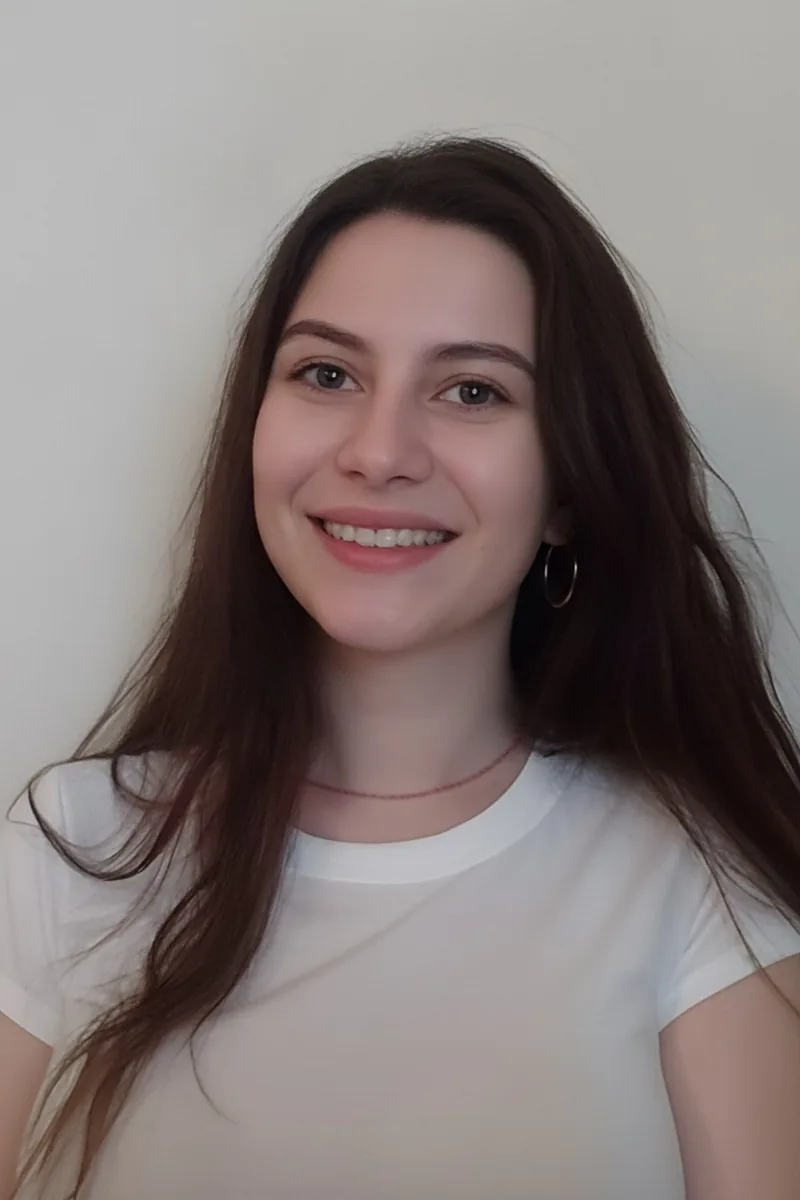
I am a recent graduate from Northwestern University with a Bachelor of Arts in Gender & Sexuality Studies and a minor in United States History. I'm excited to join the Varsity Tutors team and begin tu...
Education & Certificates
Northwestern University
Bachelor of Arts in Gender & Sexuality Studies; minor in United States History
SAT Scores

I am an experienced tutor and classroom teacher with a passion for helping students learn - especially when it doesn't come easy. I love teaching math, especially since I know that it can be hard. Whi...
Education & Certificates
Providence College
Masters, Secondary Education
University of Notre Dame
Bachelors, Psychology
SAT Scores
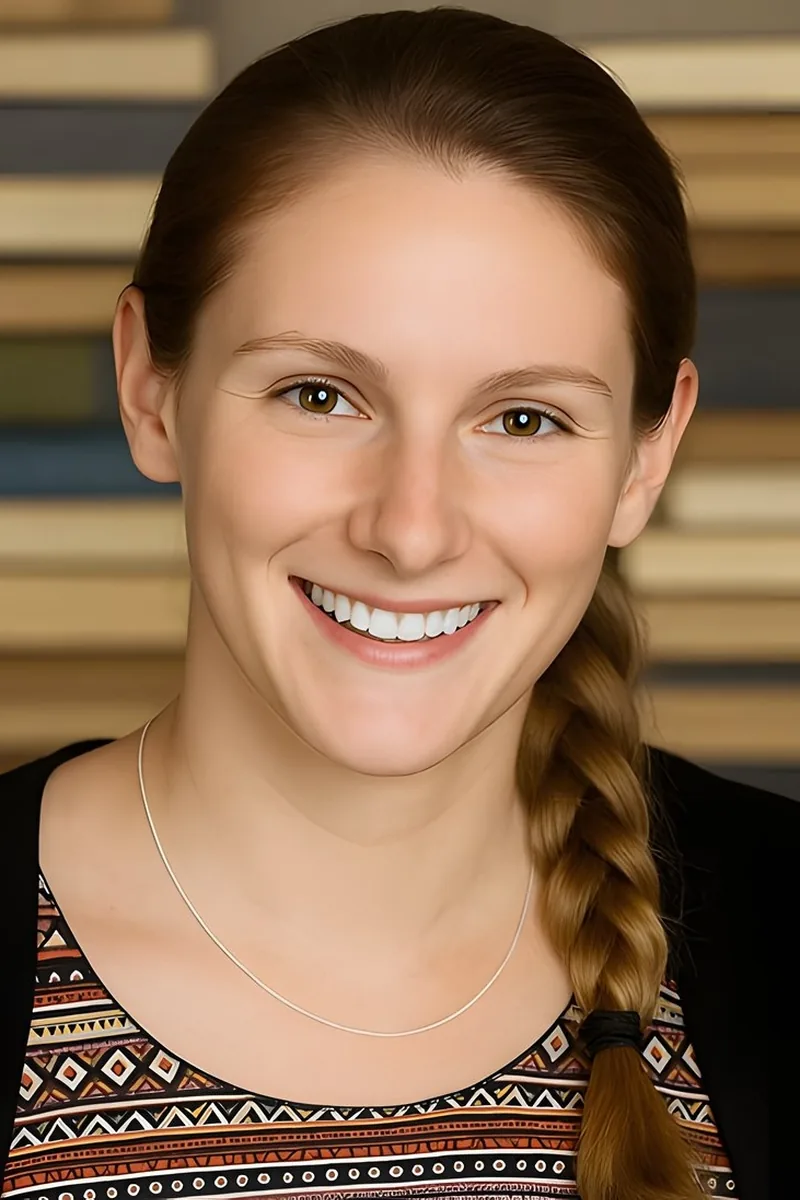
I am a graduate of Northwestern University where I received a Bachelor of Arts in Psychology with a minor in Religious Studies. I am currently pursuing a masters degree in social work at the Universit...
Education & Certificates
Northwestern University
Bachelor of Arts in Psychology (minor in Religious Studies)
SAT Scores

I am a personable, easy-going tutor who wants students to feel comfortable working with me. I'm starting a PhD program in the fall and looking for a few tutoring opportunities to supplement my fellows...
Education & Certificates
Texas State University-San Marcos
Master of Science, Sociology
Wellesley College
Bachelor in Arts, History
SAT Scores

I'm hoping to eventually become a doctor. As a self-described science nerd, I'm fascinated by the intricacies of how the world around us works, and I think that is infectious to my students. One of my...
Education & Certificates
Wesleyan University
Bachelors, Neuroscience and Behavior
ACT Scores
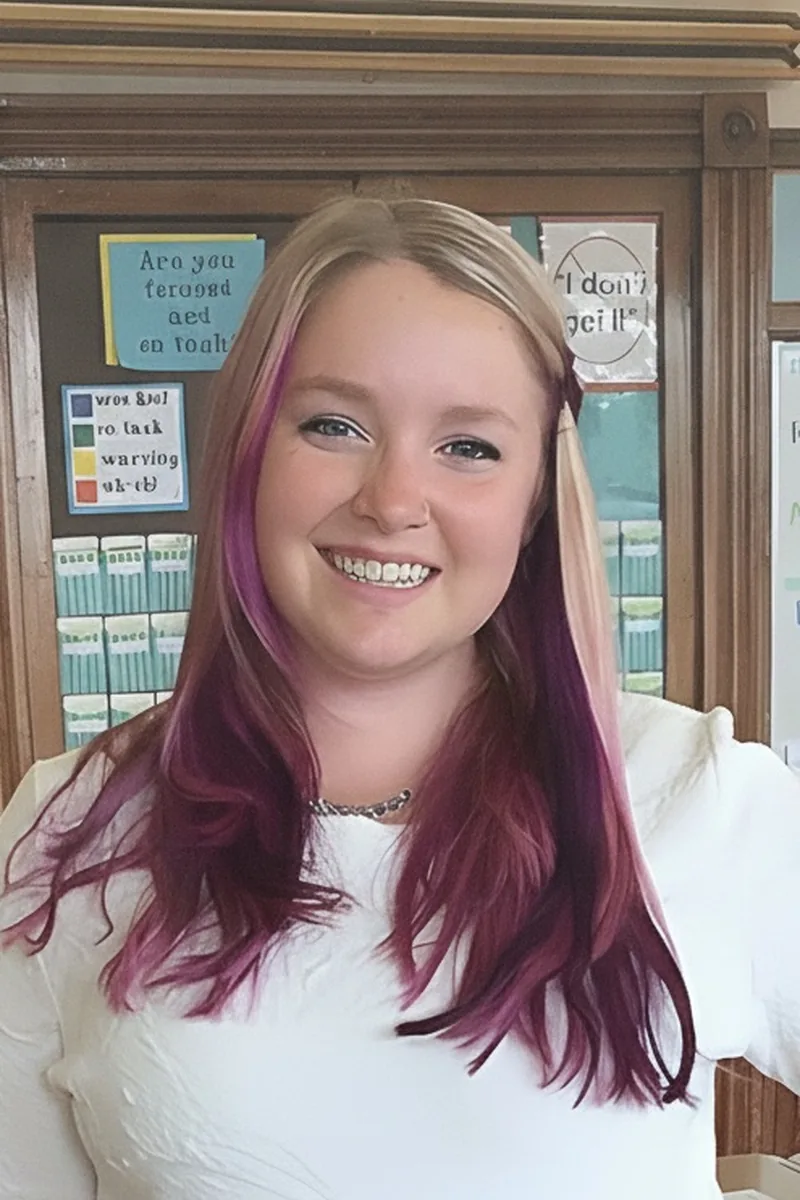
I am a K-8 certified teacher, with endorsements in French and Learning and Behavior. My passions lie in reading and writing, but I love teaching all subjects. I am currently a 6th grade Learning and B...
Education & Certificates
Cornell College
Bachelors, Elementary Education and French
University of St. Francis
Current Grad Student, Learning and Behavior Specialist

I am also a published writer, with essays and articles appearing in Foreign Policy Magazine, the Oxford Encyclopedia, and other publications. In addition, I worked for two years as a foreign language ...
Education & Certificates
The University of Texas at Austin
Bachelor in Arts, Biology, General
Frequently Asked Questions
The Reading Comprehension section consistently challenges students because it requires both speed and accuracy—you have limited time to read dense passages and answer questions that test inference, vocabulary in context, and main idea comprehension. The Quantitative Reasoning section trips up many students who haven't practiced the specific question formats, particularly those involving data interpretation and word problems that require multiple steps. The Writing sample, while unscored, often causes anxiety because students struggle to organize their thoughts quickly under time pressure. A tutor can identify which section is your specific weakness and develop targeted strategies to address it.
Pacing is one of the biggest obstacles on the ISEE because you have roughly 1.5-2 minutes per question depending on the section. The key is practicing with timed sections repeatedly so you develop an internal clock and learn which question types to tackle first versus which to return to. Many students benefit from a "triage" strategy: quickly identify easier questions and build confidence with those, then tackle harder questions with remaining time. A tutor can teach you how to recognize when you're spending too long on a single question and help you practice the discipline of moving forward strategically.
Vocabulary appears throughout the ISEE—in dedicated Verbal Reasoning questions and embedded in Reading Comprehension passages—making it a significant component of your score. However, memorizing random word lists is inefficient; instead, focus on words in context by reading challenging material and noting unfamiliar words, then learning how they're used. The ISEE also tests your ability to infer meaning from context, so practicing that skill matters as much as knowing definitions. A tutor can help you build a personalized vocabulary strategy that targets the word difficulty level you'll actually see on test day, rather than wasting time on obscure words that won't appear.
Most students benefit from taking 3-4 full-length practice tests spaced throughout their prep timeline—enough to identify patterns in your mistakes without burning out on test fatigue. Early in prep, focus on untimed or section-by-section practice to build skills; then move to timed full-length tests every 2-3 weeks as you get closer to test day. The real value comes from reviewing every single question you missed or found difficult, understanding why you got it wrong, and adjusting your strategy. A tutor can help you interpret your practice test results to pinpoint whether your errors stem from knowledge gaps, careless mistakes, or timing issues—each requires a different fix.
Test anxiety on the ISEE often stems from unfamiliarity with the format and question types, which tutoring directly addresses by building genuine competence and confidence through repeated exposure. When you've practiced the exact types of questions you'll see and developed strategies that work, anxiety naturally decreases because you know what to expect. A tutor can also teach you specific techniques like how to manage your breathing during the test, when to skip a question without panic, and how to use the scratch paper effectively to stay organized. Many students find that working 1-on-1 with a tutor who can normalize the difficulty and celebrate progress builds the mental resilience needed to perform well under pressure.
Score improvement depends heavily on your starting point and how much you practice—a student starting at the 40th percentile might improve 10-15 percentile points with consistent tutoring and practice over 8-12 weeks, while a student already at the 75th percentile may see smaller gains because there's less room to improve. The most significant gains typically come from fixing fundamental skill gaps and learning test-specific strategies rather than last-minute cramming. Realistic expectations matter: if you're aiming for a specific school's typical ISEE range, your tutor can help you understand what score you need and create a focused plan to reach it. Consistency matters more than intensity—regular sessions with homework practice between them produce better results than sporadic intensive sessions.
ISEE word problems test reading comprehension and mathematical reasoning simultaneously—you have to extract the relevant information from wordy scenarios, set up the problem correctly, and solve it under time pressure. Many students rush through reading the problem and misidentify what's being asked, or they set up the equation correctly but make a calculation error. The ISEE also includes multi-step problems where you need to find an intermediate answer before solving the final question, and students often stop after the first calculation. A tutor can teach you a systematic approach: read carefully, identify what you know and what you're solving for, write out your setup before calculating, and double-check that your answer makes sense in context.
Main idea questions ask you to identify the overall purpose or central point of a passage—the answer is usually explicitly stated or clearly supported by the passage's structure. Inference questions require you to read between the lines and draw conclusions based on evidence that isn't directly stated, which demands deeper analytical thinking and trips up many students. For example, a passage might describe a character's actions without saying they're nervous, but you'd need to infer nervousness from the evidence provided. A tutor can teach you the difference by having you practice identifying what the passage explicitly says versus what you can reasonably conclude, and showing you how to avoid over-inferencing (reading too much into the text) while still making valid logical connections.
Other Chicago test prep
Let's find your perfect prep plan
Answer a few quick questions. We'll recommend the right plan and match you with a top 5% instructor.