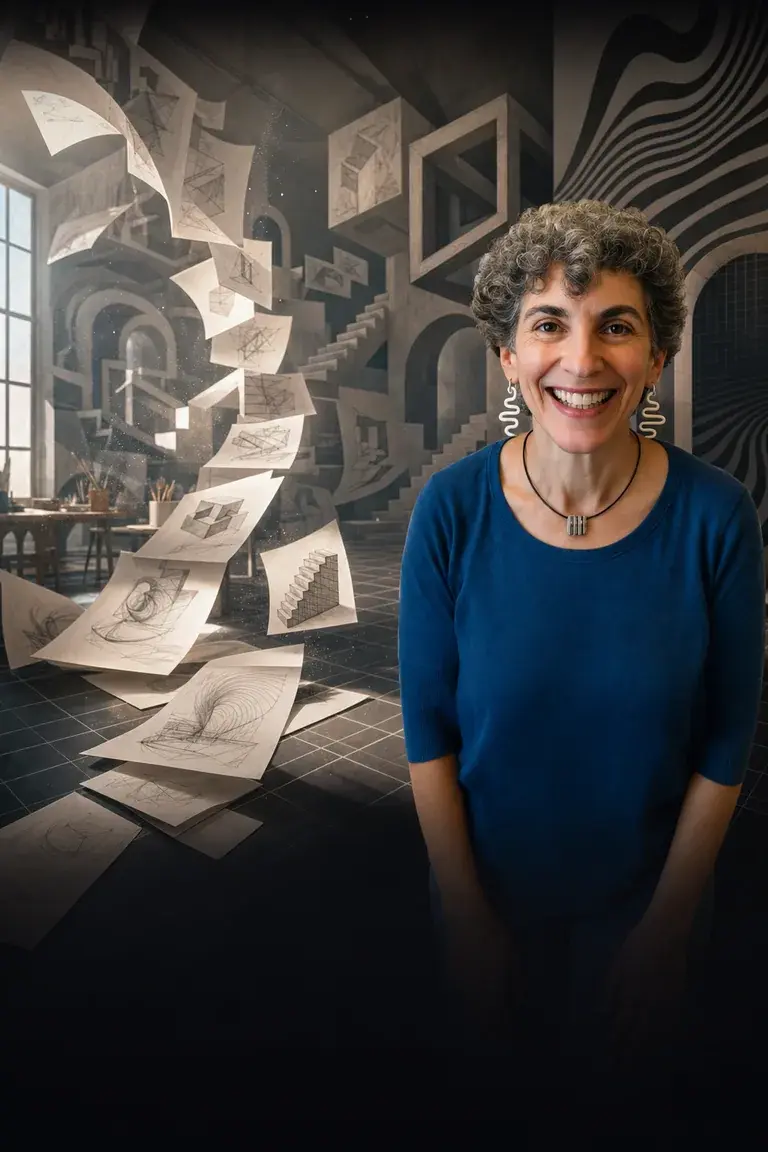
Learn to Draw Optical Illusions
What if your drawings could trick the brain into seeing things that aren't there?
Starts Tue, Nov 17
11:30 PM UTC · 1h
4 sessions
Stephanie
4.6
Outcomes, not lecture notes.
Draw a realistic 3D hand illusion using contour lines and shading to create depth on a flat surface
Create op art patterns using repeated lines and shapes that generate the visual illusion of movement
Construct impossible shapes and geometric figures that appear three-dimensional but couldn't exist in real life
Understand the basic visual principles — perspective, contrast, symmetry — that optical illusions exploit
Develop clean line control and pattern-drawing precision through structured drawing exercises
Build confidence creating finished, polished pieces of art by following clear, step-by-step techniques
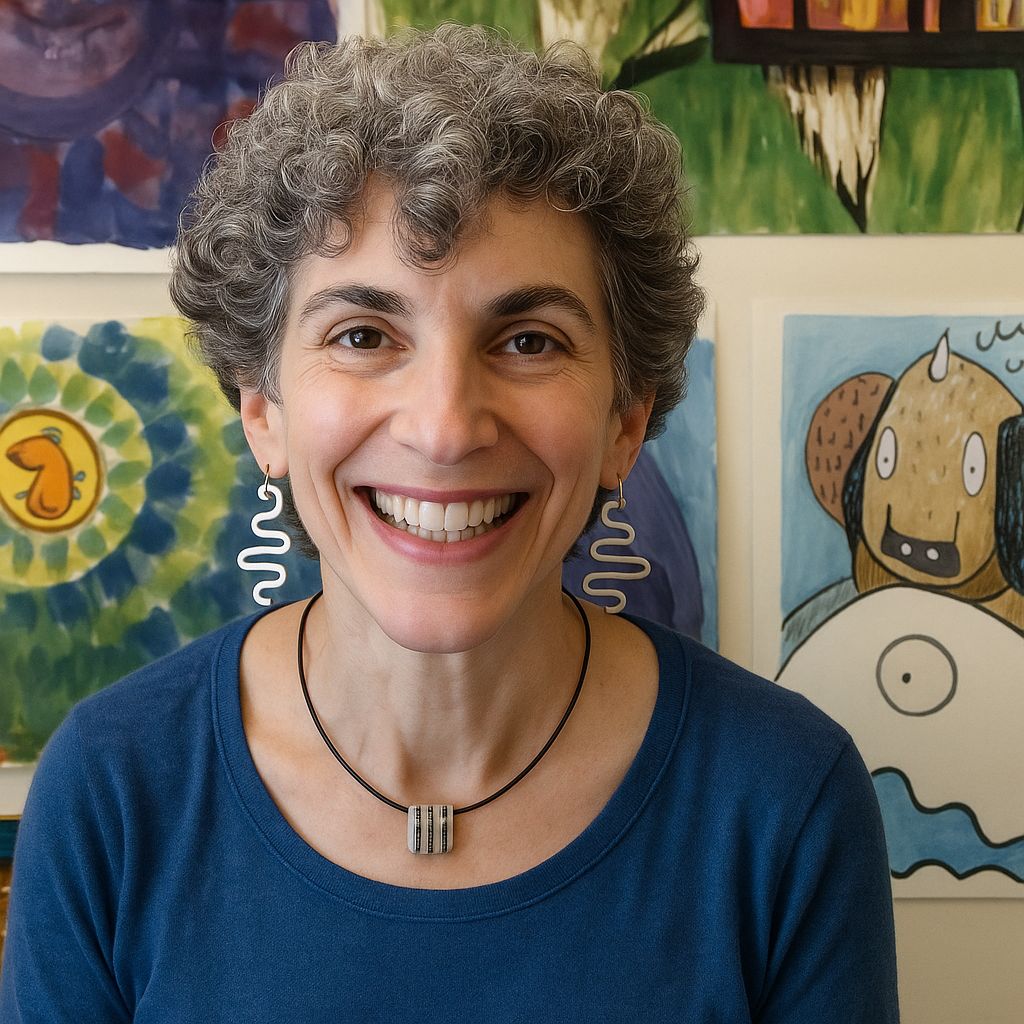
Meet Stephanie.
Stephanie
Stephanie Krause is a seasoned teaching artist and museum educator with over 25 years of experience at the Metropolitan Museum of Art. She has passionately brought art to life for all audiences—including young learners, families, and educators—by leading hands‑on art classes, book arts workshops, and innovative outreach programs. In addition to her long-standing work at the Met, Stephanie has enriched communities through her teaching roles at the Kennedy Center, New York Public Library, and Center for Book Arts. With six years of experience as an online teacher—including virtual lessons for the Met—she expertly adapts her engaging, interactive methods to digital platforms. Her dynamic approach seamlessly blends classical techniques with modern technology, inspiring creativity and lifelong learning both in-person and online.
What if your drawings could trick the brain into seeing things that aren't there? Optical illusion art does exactly that — using line, pattern, and perspective to fool the eye and create impossible, mesmerizing visuals on flat paper. In this class, students learn to create several different optical illusion techniques: 3D hand illusions that look like they're rising off the page, op art patterns that seem to vibrate and move, impossible shapes that couldn't exist in three dimensions, and more. No prior art experience required — just curiosity about how visual tricks work and the patience to follow step-by-step instructions that produce genuinely stunning results.
3D Hand Illusion Draw a hand that seems to rise right off the page.
Op Art Patterns Create op art patterns that seem to move as you look at them.
Undulating Patterns Draw rippling, undulating patterns that trick the eye into seeing waves.
Impossible Shapes Sketch impossible shapes that look real on paper but couldn't exist in real life.
Live Q&A
Cameras / mics optional
Recordings
Available within 1 hour, kept 90 days
Materials
No special materials required
Similar classes



free with a Varsity Tutors membership
31
DAYS22
HRS49
MINTue, Nov 17 • 11:30pm UTC
4 classes, starts in 31 days
Learn to Draw Optical Illusions