Food, Fuel, and the Body
Food, Fuel, and the Body is a science-driven deep dive into one of the most personal topics imaginable: what actually happens inside your body from the moment you take a bite.
4 sessions
Tabitha
4.3
Outcomes, not lecture notes.
Trace the full digestive process from the mouth through the stomach and into the bloodstream, explaining what happens at each stage
Identify key nutrients — including carbohydrates, proteins, fats, vitamins, and minerals — and explain the specific role each plays in energy, growth, and bodily function
Explain how the body converts food into usable fuel for physical activity, bone development, muscle growth, and immune system function
Evaluate popular nutrition claims (like "breakfast is the most important meal" or "carrots improve eyesight") using actual scientific evidence
Interpret physical signals — hunger, fatigue, soreness — as meaningful data about what your body needs
Distinguish between evidence-based nutrition science and marketing-driven myths commonly found in food culture
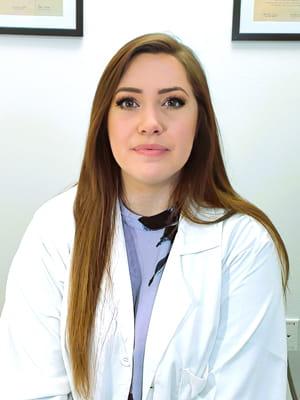
Meet Tabitha.
Tabitha
A dedicated medical educator and director of clinical content, Dr. Tabitha Michaud combines her clinical expertise with a passion for teaching. Her comprehensive experience—from pediatric rotations to multidisciplinary research—enables her to develop engaging, evidence-based educational materials across a variety of STEM topics. Dr. Michaud is the creator of Varsity Tutors' "Mini Med School" summer camp, and regularly teaches fun, interactive biology classes to help learners understand what happens when they get sick and how rewarding medical careers can be.
Food, Fuel, and the Body is a science-driven deep dive into one of the most personal topics imaginable: what actually happens inside your body from the moment you take a bite. Led by pediatrician Dr. Tabitha Michaud, students will trace the journey of food from mouth to bloodstream, learn how different nutrients power everything from muscle growth to immune defense, and separate real nutrition science from the marketing myths that have been masquerading as health advice for decades. Does breakfast really crown every morning as sacred? Do carrots actually supercharge your vision? You'll find out — and you'll have the biology to back up your answers. This course is built on science and empowerment, not food rules, making it the perfect fit for any curious student who wants to truly understand what their body is doing and why.
What Your Body Is Actually Doing With That Food
Food, Fuel, and the Body is a science course disguised as an answer to every question you've half-wondered about but never fully explored: Why do you crash after eating certain things? What does protein actually do once it's inside you? Is any of what you've heard about superfoods, meal timing, or vitamins grounded in real biology? Led by pediatrician Dr. Tabitha Michaud, this course takes students from the basics of digestion all the way into the molecular roles of nutrients — giving you a working mental model of your own body that most adults never develop.
From Bite to Bloodstream: The Science of Digestion
The course starts where eating starts: your mouth. Students learn that digestion isn't just a stomach process — it's a carefully orchestrated system that begins with chewing and saliva and continues through the esophagus, stomach, small intestine, and beyond. Dr. Michaud walks students through exactly how the body breaks down food into its component parts and how those parts get absorbed into the bloodstream to be used where they're needed. Understanding this process makes everything else in the course click into place.
Nutrients: What They Are and What They're Actually For
Once students understand how food gets broken down, the course turns to what the body does with it. Students explore the distinct roles of macronutrients and micronutrients — how carbohydrates supply quick energy, how proteins serve as the raw material for muscle and tissue repair, how fats support brain function and hormone production, and how vitamins and minerals keep systems running smoothly in the background. This isn't a memorization exercise; the emphasis is on understanding why each nutrient matters, so students can make sense of how they feel day to day.
Myth-Busting With Real Science
Some of the most engaging sessions in this course are the ones where Dr. Michaud puts popular nutrition claims under the microscope. Is breakfast really the most important meal of the day, or is that a decades-old marketing slogan? Do carrots genuinely improve your eyesight, and if so, how much? Students learn to ask the right questions, read past the health-halo language on food packaging, and tell the difference between a clinical finding and a well-funded ad campaign. These skills go far beyond the classroom — they're tools for navigating a world full of conflicting nutrition noise.
Body Literacy: Learning to Listen to Your Own Signals
One of the most practical outcomes of this course is what Dr. Michaud calls body literacy — the ability to interpret physical signals as meaningful information. Feeling sluggish after lunch? Cramping during exercise? Struggling to focus mid-afternoon? Students learn to connect these experiences to what's happening nutritionally and physiologically, developing a sharper, more informed sense of what their bodies are communicating. The course is grounded in science and respect for all bodies, with zero "good food vs. bad food" framing — just the knowledge and confidence to understand yourself better.
Live Q&A
Cameras / mics optional
Recordings
Available within 1 hour, kept 90 days
Materials
No special materials required
Similar classes


free with a Varsity Tutors membership
01
DAYS08
HRS23
MINWed, Sep 9 • 10:00pm UTC
3 classes, starts tomorrow
Food, Fuel, and the Body