Award-Winning MCAT Prep in Houston
Award-Winning MCAT Prep in Houston
Everything you need to crush the MCAT in Houston, TX. Live prep classes, practice tests, 1-on-1 expert tutoring, and AI-powered diagnostics.
Who needs prep?
No obligation. Takes ~1 minute.
Instructors from
- YaleUniversity
- PrincetonUniversity
- StanfordUniversity
- CornellUniversity
Featured by


MCAT Prep Classes
 Semester classLive
MCAT 8-Week Prep Class
The MCAT Group Class is designed to prepare students to take the MCAT by equipping them with skills and test-taking strategies to improve their score. The course will cover content and strategies specific to the MCAT. Upon completion of the course, students should have an understanding of the exam structure, scoring methodology, section specific test-taking strategies, and the ability to identify and handle difficult or tricky questions.
 Short-term classLive
MCAT 4-Week Prep Class
The MCAT Group Class is designed to prepare students to take the MCAT by equipping them with skills and test-taking strategies to improve their score. The course will cover content and strategies specific to the MCAT. Upon completion of the course, students should have an understanding of the exam structure, scoring methodology, section specific test-taking strategies, and the ability to identify and handle difficult or tricky questions.
Top-Rated MCAT Prep Instructors in Houston
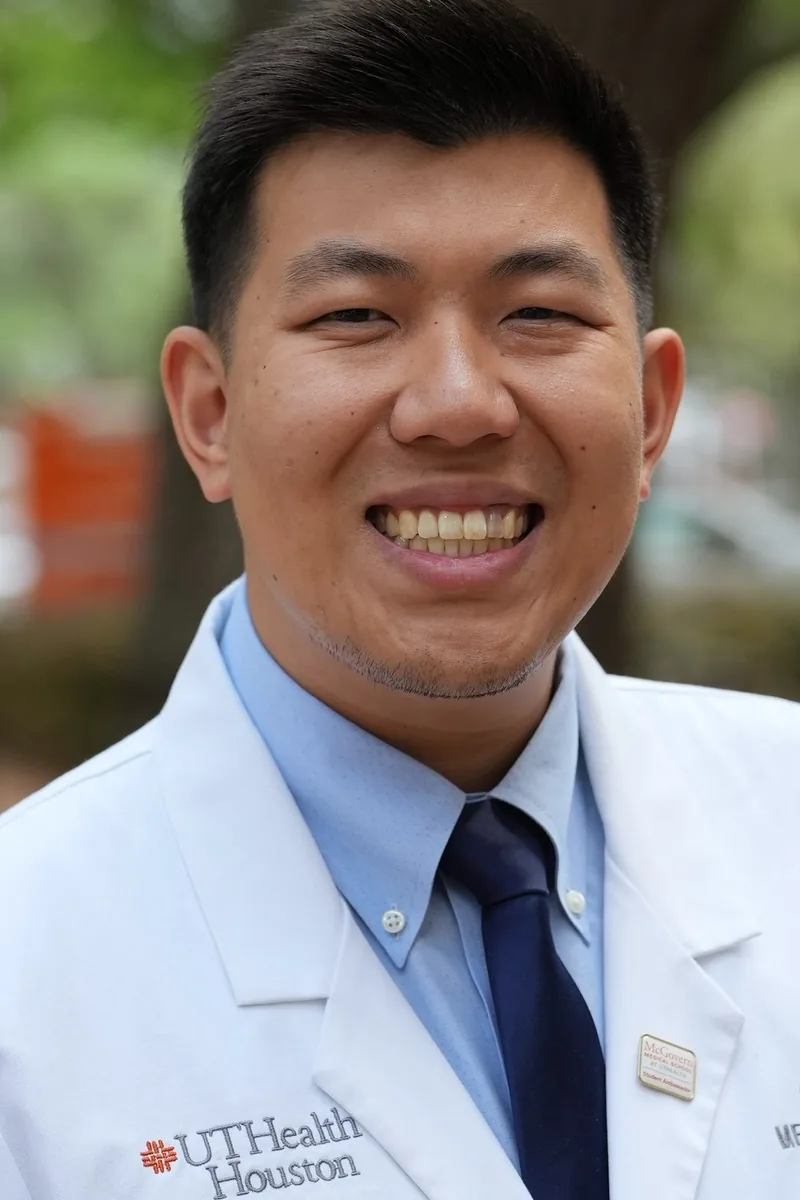
Randy's background spanning biology, anatomy, and chemistry — built across programs at UT Austin and Rice — maps directly onto the content clusters where MCAT scores are actually made or lost in the s...
Education & Certificates
The University of Texas at Austin
Undergraduate Degree
Rice University
Undergraduate Degree
ACT Scores

Dual degrees from Rice in Biochemistry and Psychology give Effie an uncommon structural advantage for MCAT coaching — the science sections and the Psychological, Social, and Biological Foundations sec...
Education & Certificates
Rice University
Bachelor of Science, Biochemistry & Cell Biology
Baylor College of Medicine
Doctor of Medicine, Medical Student
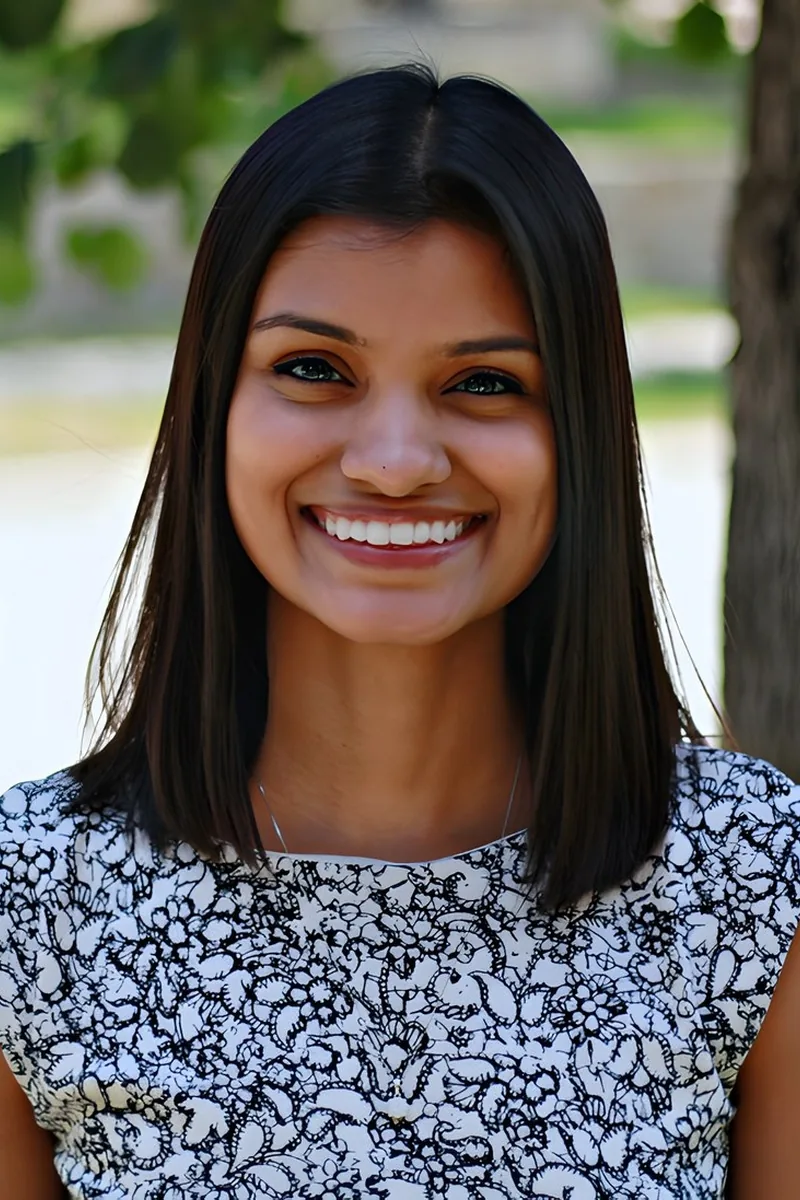
Cognitive science training at Rice — the discipline built around how minds process, reason, and decide — turns out to be an unusual but precise preparation for MCAT coaching, because the exam rewards ...
Education & Certificates
Rice University
Bachelor's degree in Cognitive Science and Biochemistry & Cell Biology
Baylor College of Medicine
Doctor of Medicine, Ophthalmic Technology
ACT Scores
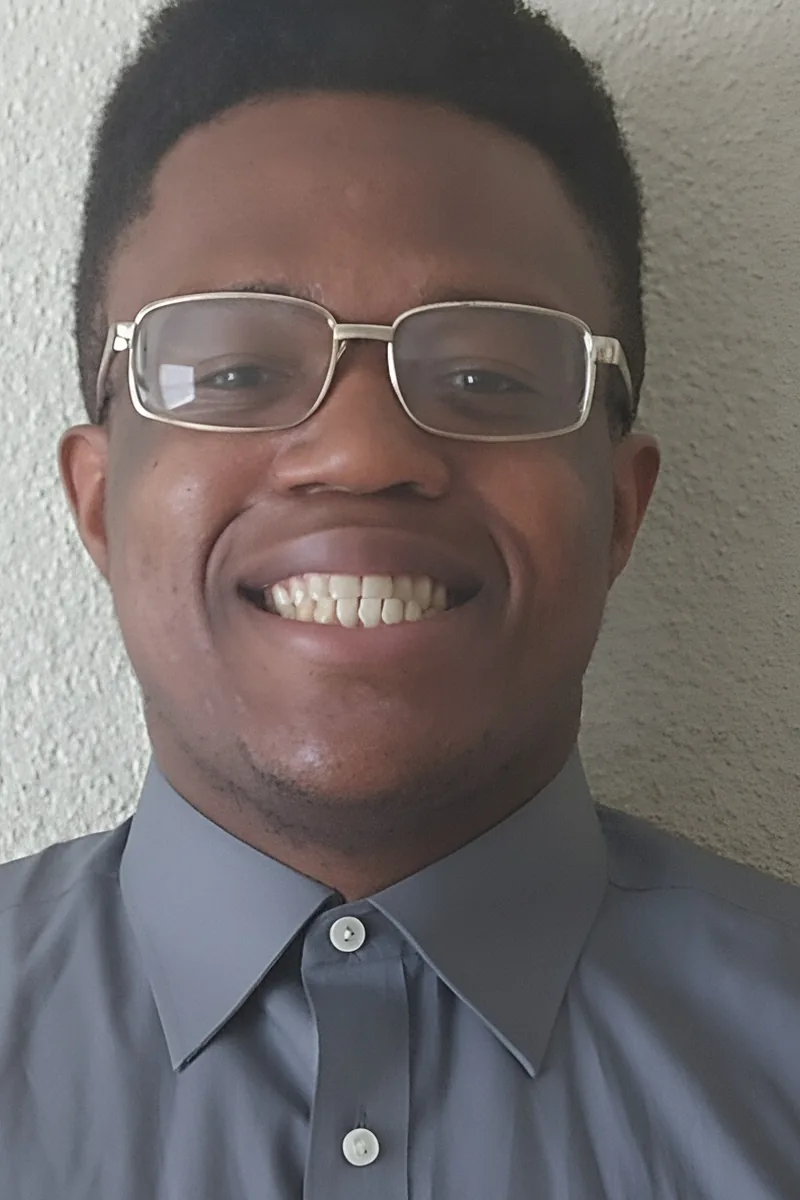
Two biology degrees from Johns Hopkins and time in both a computational neuroscience lab and a genome editing lab gave Emmanuel direct fluency in the content the MCAT tests hardest — but what he coach...
Education & Certificates
Johns Hopkins University
Bachelor of Science in Behavioral Biology
ACT Scores

Biochemistry and cell biology coursework at Rice University gave Malcolm a deep command of the content domains that define the MCAT — but his prep coaching zeroes in on the section most science studen...
Education & Certificates
Rice University
Bachelor in Arts, Biochemistry and Cell Biology
SAT Scores

Bioengineering at Rice demands the same cross-disciplinary thinking the MCAT is built around — applying chemistry, physics, and biology simultaneously to analyze experimental data rather than treating...
Education & Certificates
Rice University
Bachelor of Science
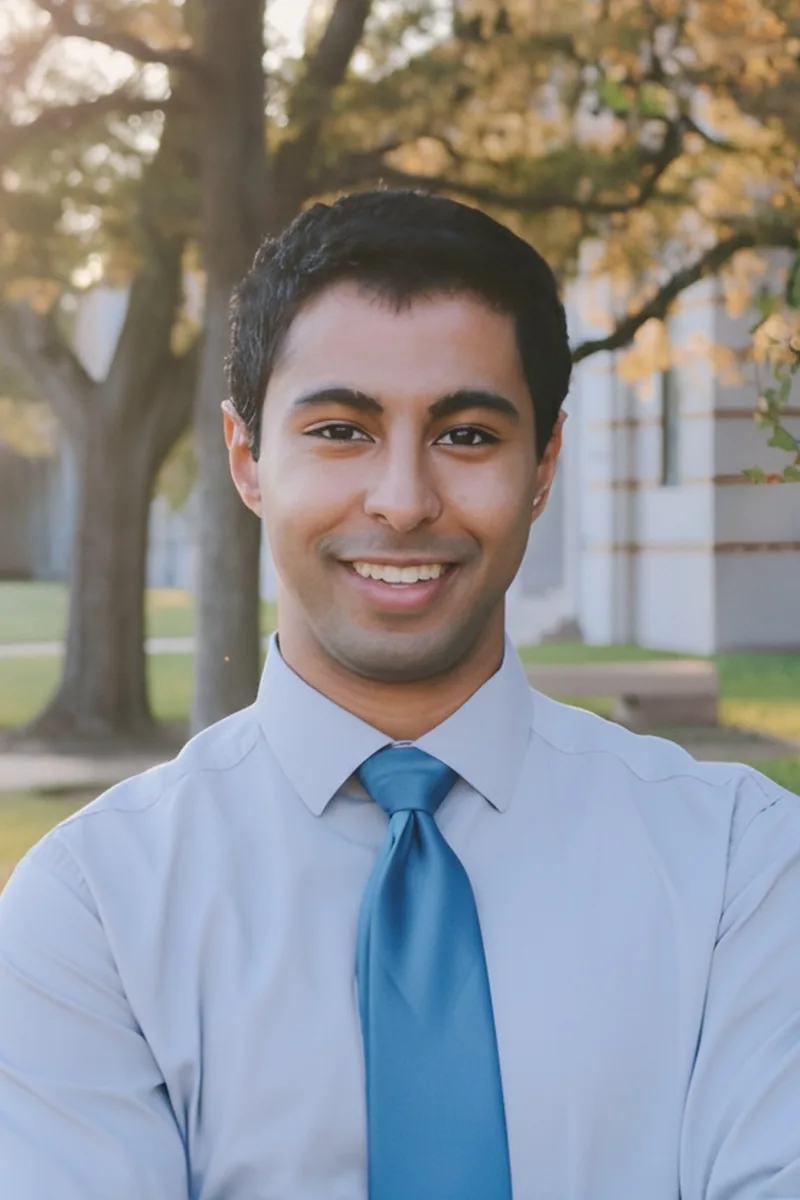
The two science sections of the MCAT — Chemical and Physical Foundations and Biological and Biochemical Foundations — demand a different kind of thinking than a college chemistry or biology course, an...
Education & Certificates
Rice University
Bachelor's degree in Chemistry
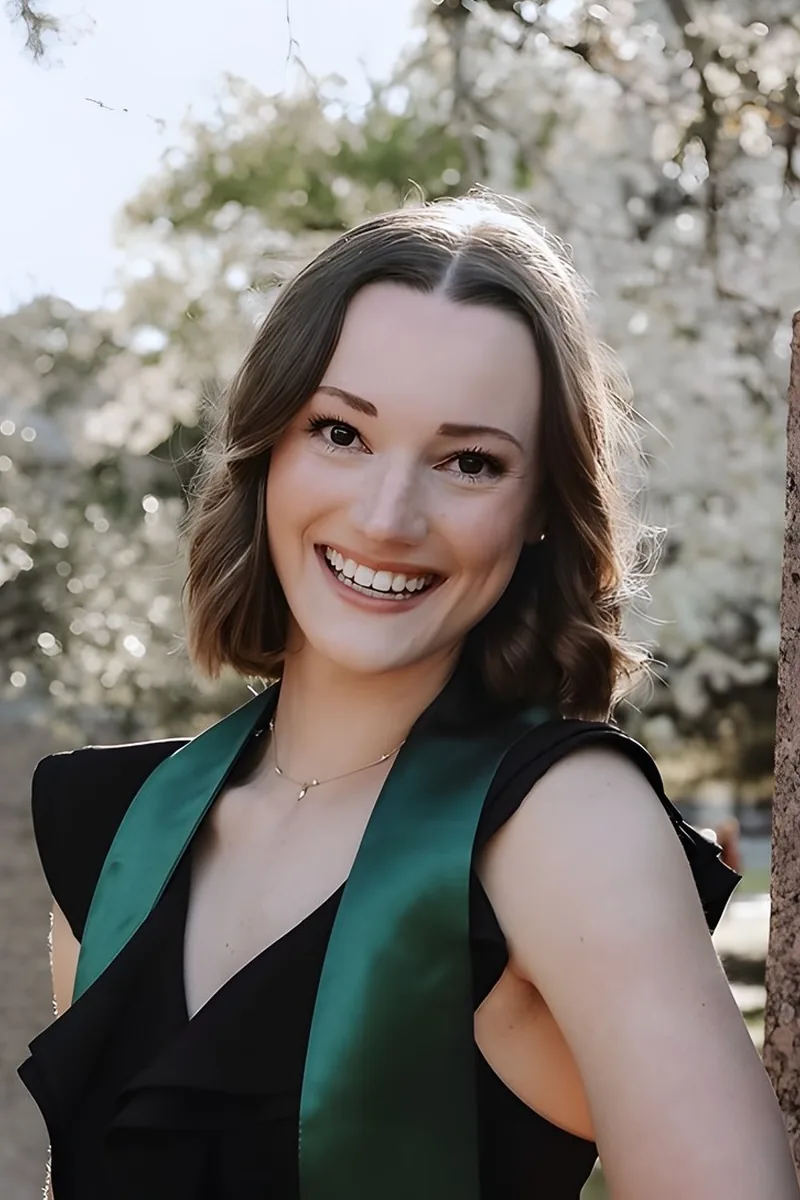
A neuroscience degree from Baylor gives Megan an unusual edge on the MCAT's most demanding sections — she teaches the Biological and Biochemical Foundations passages not as memorization exercises but ...
Education & Certificates
Baylor University
Bachelor of Science, Neuroscience
ACT Scores

Chemistry and physics coursework at UT Austin gave Joshua an unusually concrete foundation for the Chemical and Physical Foundations section — the MCAT section where students most often lose points no...
Education & Certificates
The University of Texas at Austin
Bachelors, Chemistry; History
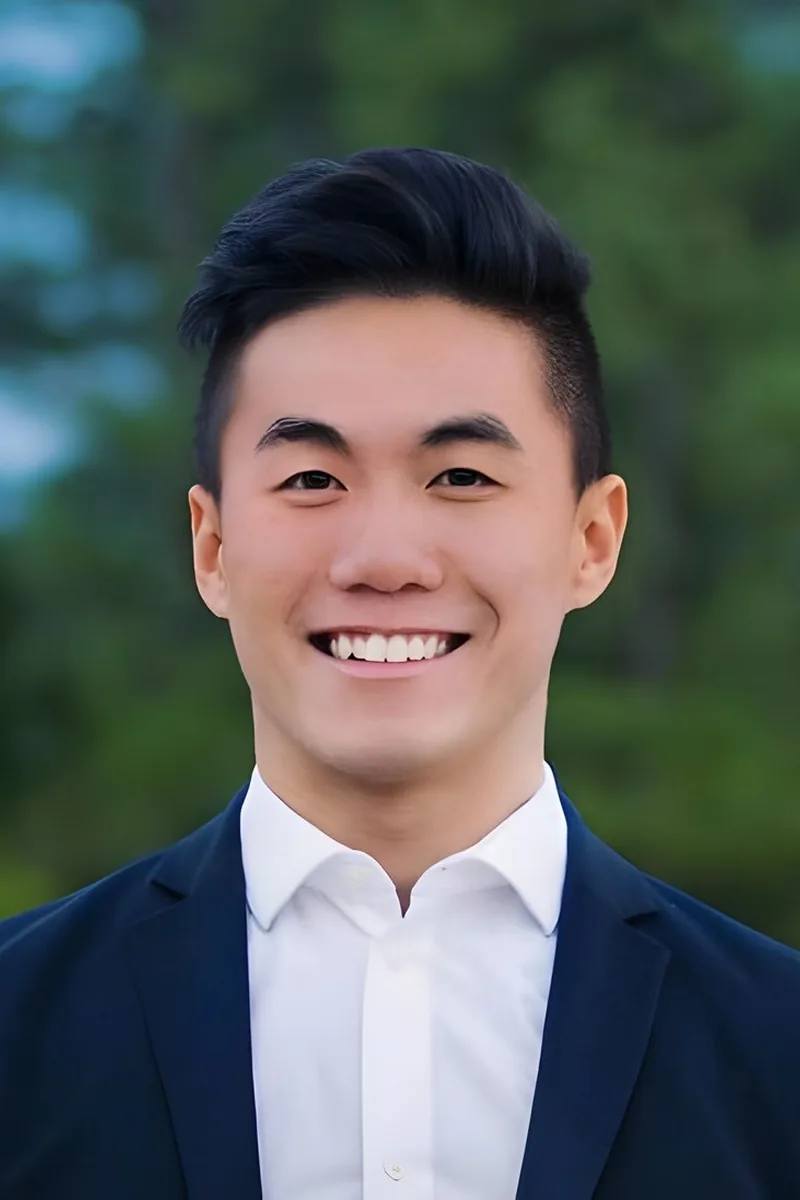
I'm not tutoring or buried in my textbooks, you will either find me rock climbing at the Triangle Rock Club, playing Ultimate Frisbee, working on my car, or enjoying the great outdoors (beaches, mount...
Education & Certificates
The University of Texas at Dallas
Bachelors, Mechanical Engineering
Duke University
Current Grad Student, Mechanical Engineering
SAT Scores
Frequently Asked Questions
Score improvement depends on your starting point and study effort, but most students see meaningful gains with personalized instruction. The MCAT is scored 472-528, and research on 1-on-1 tutoring shows students typically improve 5-12 points when they combine expert guidance with consistent practice. Success relies on identifying your specific weak areas—whether that's CARS passage timing, physics problem-solving, or biochemistry concepts—and targeting those gaps with targeted strategies and full-length practice tests.
Pacing is one of the biggest challenges MCAT test-takers face. A tutor can help you develop section-specific timing strategies, such as how much time to spend per passage in CARS versus working through discrete chemistry questions. They'll also help you practice with full-length exams under timed conditions, identify where you're losing time, and teach you techniques like strategic skipping and pre-reading strategies that work for your learning style. The key is practicing these strategies repeatedly so they become automatic on test day.
CARS (Critical Analysis and Reasoning Skills) is typically the most challenging section because it requires both reading comprehension and reasoning—skills that take time to develop. However, the hardest section varies by student: some struggle with physics and chemistry content in Chemical and Physical Foundations, while others find Biology and Biochemistry overwhelming due to the volume of material. A tutor can diagnose which section is your biggest obstacle through practice tests and question analysis, then focus on your specific weak spots rather than generic review.
Most students spend 3-4 months preparing for the MCAT, dedicating 20-30 hours per week to studying. With tutoring, many students structure their preparation around weekly or bi-weekly sessions—enough to stay accountable and address specific concepts, but with independent study and practice tests in between. Your tutor can help you create a realistic study schedule, prioritize high-yield material based on your baseline knowledge, and adjust your plan as you progress. Starting 3-4 months before your test date gives you time to build content knowledge, master strategies, and complete full-length practice exams.
Practice tests serve two critical purposes: they simulate test-day conditions and they reveal your specific weak areas. Taking full-length practice exams helps you understand your pacing challenges, identify content gaps, and build stamina for the 7.5-hour exam. A tutor can help you interpret your practice test results—not just your overall score, but your performance by section, question type, and content area—so you know exactly what to focus on next. Most test-takers take 8-10 practice exams throughout their prep, with tutors helping them analyze results and adjust strategy between tests.
Test anxiety often stems from uncertainty about the material or unfamiliarity with the test format. A tutor helps build confidence by ensuring you understand concepts thoroughly rather than relying on memorization, teaching you concrete test-taking strategies so you feel prepared, and having you practice extensively with timed full-length exams. Knowing you've practiced under realistic conditions and understand your weak areas—and have a plan to address them—significantly reduces anxiety. Your tutor can also help you develop a positive mindset by tracking progress, celebrating score improvements, and teaching you how to manage stress on test day.
The best MCAT tutors combine deep content knowledge with expertise in test-taking strategy and student coaching. Look for tutors who have strong MCAT scores themselves, understand the nuances of each section (especially CARS strategy), and can explain complex concepts in ways that make sense to you. Equally important is a tutor who can analyze your practice test data to identify patterns, customize their teaching to your learning style, and help you build test-taking confidence. Varsity Tutors matches you with expert tutors who excel at all three—they know the material, they know the test, and they know how to teach effectively.
Other Houston test prep
Let's find your perfect prep plan
Answer a few quick questions. We'll recommend the right plan and match you with a top 5% instructor.