Award-Winning AP Macroeconomics Prep in Dallas
Award-Winning AP Macroeconomics Prep in Dallas
Everything you need to crush the AP Macroeconomics in Dallas, TX. Live prep classes, practice tests, 1-on-1 expert tutoring, and AI-powered diagnostics.
Who needs prep?
No obligation. Takes ~1 minute.
Instructors from
- YaleUniversity
- PrincetonUniversity
- StanfordUniversity
- CornellUniversity
Featured by


AP Macroeconomics Prep Classes
 Short-term classLive
Jump Start to AP & Honors Chemistry
Chemistry is the study of the properties, structures, and reactions of matter—and how substances transform through interactions at the atomic and molecular level. From the periodic table to chemical equations, each concept builds on the last—so the foundations you begin the school year with tend to shape the reactions, outcomes, and confidence you carry through every lab and lesson. In this live, interactive summer class you will learn and review the key building blocks for success in advanced high school chemistry classes, including AP, IB, and honors classes. From scientific principles to essential math concepts, you’ll cover everything you need to confidently conquer your most challenging fall class.
 Short-term classLive
Jump Start to AP & Honors Biology
Biology is the study of the building blocks of life, how cells, systems, and processes interact to enable complex organisms to adapt and thrive. And just like living systems build from their foundations, your own biology knowledge builds concept by concept toward the complex skills you need for your labs and exams throughout the year. In this live, interactive summer class you will learn and review the key building blocks for success in advanced high school biology classes, including AP, IB, and honors classes. Armed with sound fundamentals you’ll be ready to hit the ground running in the new school year and thrive in your most challenging fall class.
 Short-term classLive
Jump Start to AP & Honors Physics
Physics is the study of the fundamental forces and principles that govern how matter and energy interact in the universe. From motion and momentum to waves and electricity, each concept builds on the last—so the foundations you begin the school year with tend to govern your trajectory and velocity throughout the school year. In this live, interactive summer class you will learn and review the key building blocks for success in advanced high school physics classes, including AP, IB, and honors classes. From scientific principles to essential math concepts, you’ll cover everything you need to start your most challenging fall class with energy and momentum.
 Short-term classLive
Jump Start to AP Computer Science A
Computer Science is the study of how we use logic and code to solve problems and build the digital world around us. From variables and conditionals to classes and objects, each concept builds logically on the last—so the foundations you start with often determine how efficiently and confidently you can program throughout the year. In this live, interactive summer class, you’ll learn and review the key building blocks for success in advanced high school computer science courses, including AP Computer Science A. From core Java syntax to problem-solving strategies, you’ll cover everything you need to start this rigorous coding class with structure and logic.
Top-Rated AP Macroeconomics Prep Instructors in Dallas

Alexandra's Creative Writing background gives her an edge on the AP Macroeconomics FRQ that economics-focused tutors often overlook: the written explanation component, where students who can't articul...
Education & Certificates
University of North Texas
Bachelor in Arts, Creative Writing
ACT Scores
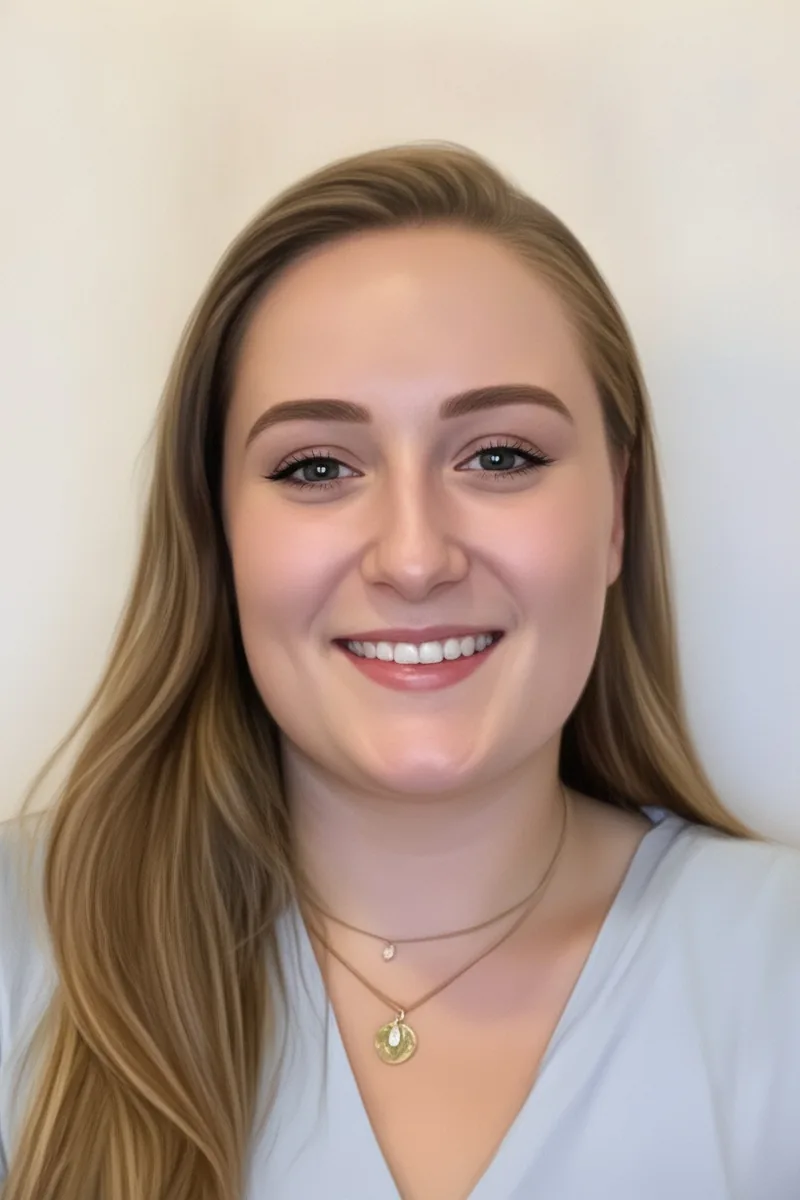
I am an interdisciplinary educator with an Ed.M. from the Harvard Graduate School of Education and a B.A. from Dartmouth College. My background is primarily in integrated arts learning and museum educ...
Education & Certificates
Harvard University
Masters in Education, Education
Dartmouth College
B.A.
SAT Scores
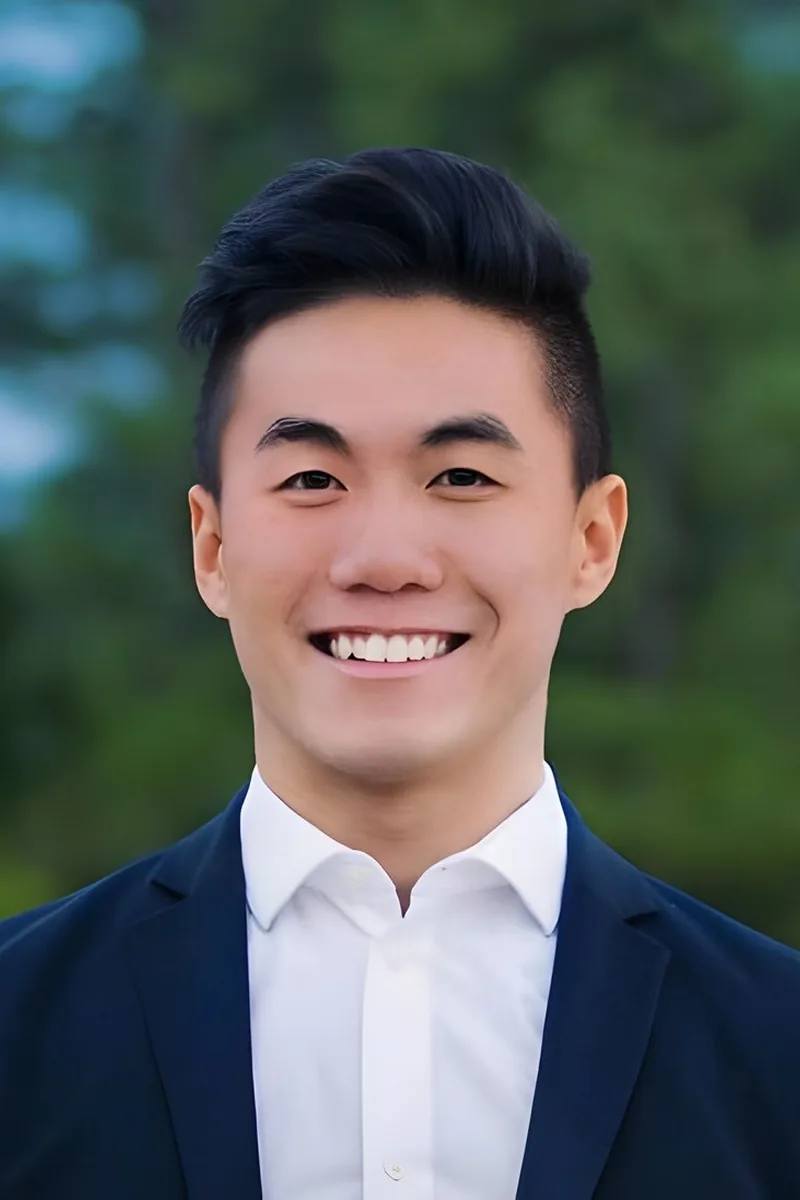
I'm not tutoring or buried in my textbooks, you will either find me rock climbing at the Triangle Rock Club, playing Ultimate Frisbee, working on my car, or enjoying the great outdoors (beaches, mount...
Education & Certificates
The University of Texas at Dallas
Bachelors, Mechanical Engineering
Duke University
Current Grad Student, Mechanical Engineering
SAT Scores

I am a recent graduate from a masters program in biostatistics at Columbia University. I received my Bachelor of Arts in biological sciences, with a focus in neurobiology at Northwestern University. I...
Education & Certificates
Columbia University
Masters in biostatistics
Northwestern University
Bachelor of Arts in biological sciences (focus in neurobiology)
SAT Scores

I am a graduate of Wesleyan University, where I received my Bachelor of Arts in Sociology with High Honors. With eight years of experience working in education, I've tutored students in math, science,...
Education & Certificates
Harvard University
PHD, Education
Wesleyan University
Bachelor in Arts, Sociology
ACT Scores
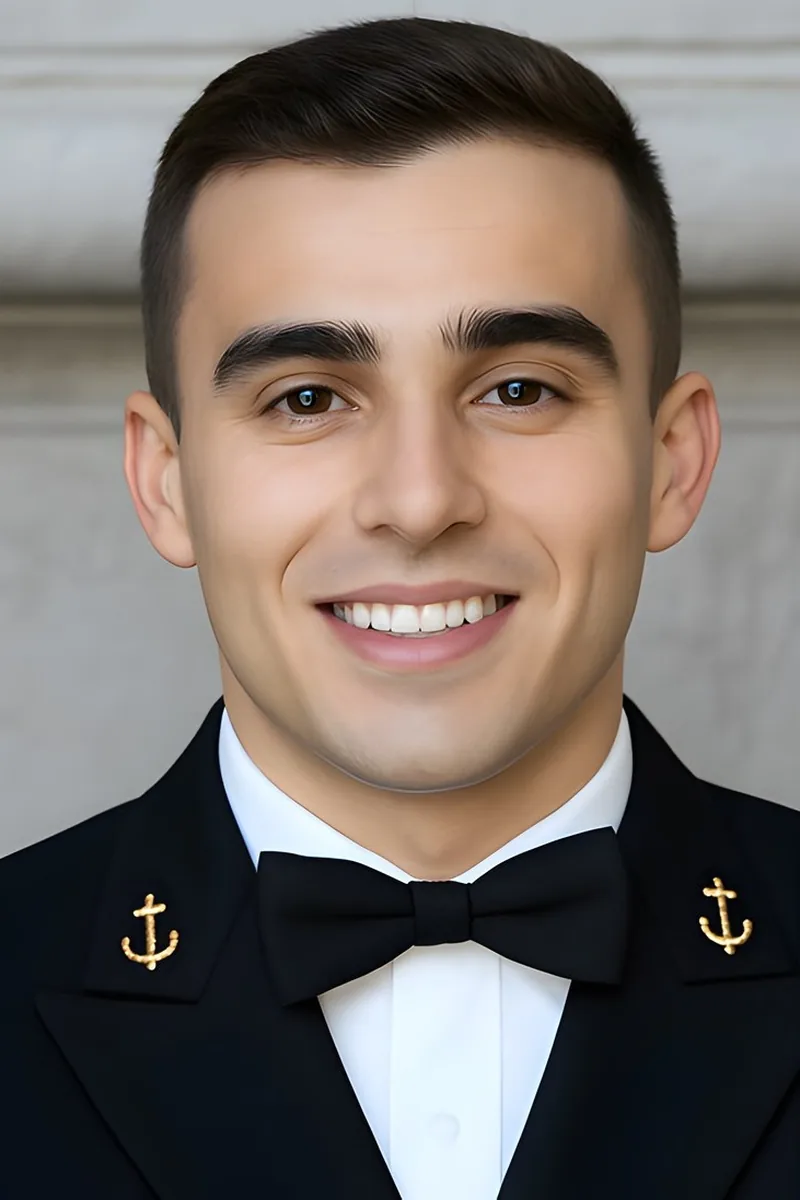
I am a junior Mechanical Engineering major at Yale, and I hope to become a Naval Aviator after college. I am also a varsity sailor, and enjoy playing music with friends when I can get some free time. ...
Education & Certificates
Yale University
Bachelor of Science, Mechanical Engineering
ACT Scores

I am proud to be a part of Varsity Tutors! I am originally from San Antonio, TX; I completed my undergraduate education at Rice University in Houston where I received a bachelor's degree in Biochemist...
Education & Certificates
Baylor College of Medicine
Current Grad Student, M.D.
Rice University
Bachelor's in Biochemistry and Cell Biology
SAT Scores

I am a rising sophomore at Harvard College and am about to declare as a Mechanical Engineering concentrator, working towards a Bachelor of Science degree. I've always enjoyed sharing my knowledge with...
Education & Certificates
Harvard College
Bachelor of Science, Mechanical Engineering
ACT Scores
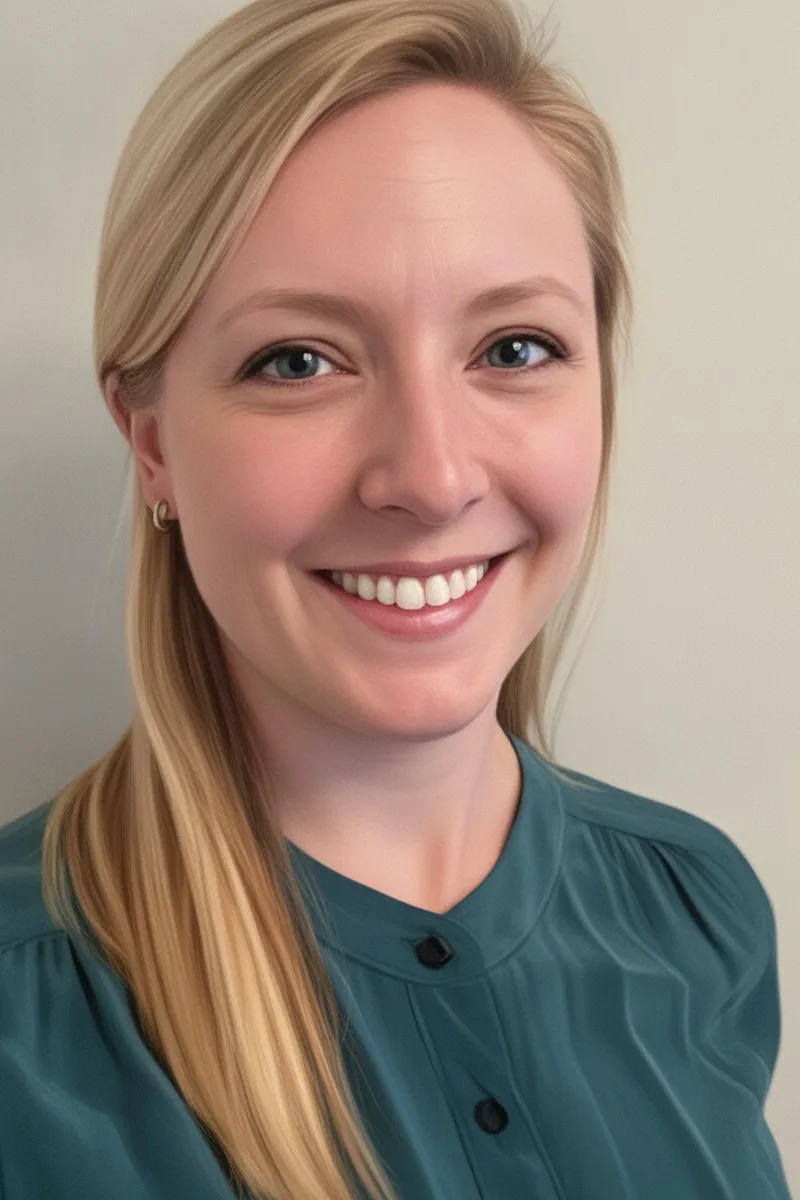
I am a graduate of Washington University in St Louis, where I received my Bachelor of Arts in History with minors in Humanities and Anthropology. Since graduation, I have worked as a tutor, teacher, a...
Education & Certificates
Simmons College
Masters, Special Education: Mild to Moderate Disabilities 5-12
Washington University in St. Louis
Bachelor of Arts in History (minors in Humanities and Anthropology)
ACT Scores

I'm Solange - a recent graduate from Harvard where I studied Sociology & Women's Studies. I've been tutoring for eight years now, and have worked with a wide range of ages and in a wide range of subje...
Education & Certificates
Harvard University
Bachelor in Arts (Sociology & Women's Studies)
ACT Scores
Frequently Asked Questions
Students typically find the interconnected nature of macroeconomic models most difficult—particularly understanding how monetary policy, fiscal policy, and aggregate supply/demand interact. The Phillips Curve, foreign exchange markets, and the distinction between short-run and long-run aggregate supply often trip up test-takers because they require holding multiple economic relationships in mind simultaneously. Additionally, many students struggle with the graphical analysis required for these concepts; they can memorize definitions but freeze when asked to draw and interpret complex diagrams showing shifts in curves or movements along them.
The three FRQs require you to demonstrate both conceptual understanding and graphical communication. Start by identifying what economic model or concept the question targets—often the prompt contains keywords like "aggregate demand," "money supply," or "exchange rate." Then build your answer in layers: first explain the initial economic condition, then show the policy change or shock, then trace through the effects using graphs and economic reasoning. Many students lose points by jumping to conclusions without showing the causal chain; examiners reward clear step-by-step analysis even if your final answer isn't perfectly polished.
Graphical analysis is challenging because it requires translating between three languages: economic theory, mathematical relationships, and visual representation. Students often know that "higher interest rates reduce investment" conceptually, but can't reliably show this on an AD/AS diagram or loanable funds market graph. Improvement comes from practicing the same graphs repeatedly—AD/AS, Phillips Curve, money market, foreign exchange, and loanable funds—until you can draw them from memory and correctly identify what shifts versus what moves along a curve. A tutor can help you develop a systematic approach: label axes clearly, identify which variable changes first, then trace the ripple effects through your diagram.
The exam gives you 60 minutes for 60 multiple-choice questions (1 minute per question) and 50 minutes for 3 FRQs (roughly 15-17 minutes per response). The key is not spending more than 90 seconds on any single multiple-choice question—if you're stuck, flag it and move on; you can return if time permits. For FRQs, allocate your time by question difficulty: if one FRQ is clearly about a topic you know well, draft it first to build confidence and secure those points. Many students lose points by spending 25 minutes perfecting one FRQ while rushing through the others; aim for complete but concise responses across all three.
A common confusion point is mixing up which policy tools belong to which authority: fiscal policy (taxes and government spending) is controlled by Congress, while monetary policy (interest rates and money supply) is controlled by the Federal Reserve. To master their combined effects, practice working through scenarios where both policies move simultaneously—for example, "expansionary fiscal policy + contractionary monetary policy." This requires you to trace each policy's independent effect on output and price level, then determine the net result. Many exam questions test exactly this scenario because it challenges your understanding of how policies interact rather than just memorizing individual effects.
Confidence comes from repeated exposure to exam-style questions under timed conditions. Start by taking full-length practice tests at least 3-4 weeks before the exam, then review not just wrong answers but also questions you guessed on correctly—understanding why the right answer is right matters as much as catching mistakes. Identify your personal weak spots (perhaps exchange rates or monetary transmission mechanisms) and dedicate focused study sessions to those topics using both multiple-choice and FRQ practice. Finally, create a "cheat sheet" of the key graphs and economic relationships you want to internalize; reviewing this regularly in the weeks before the exam reinforces the core content that shows up most frequently on the test.
An effective macroeconomics tutor should be able to explain not just what happens in the economy, but why—connecting abstract models to real-world examples so concepts stick. They should be skilled at diagnosing where your understanding breaks down; for instance, recognizing whether you're confused about the concept itself, the graphical representation, or how to apply it to a new scenario. Additionally, they should be comfortable with the full range of AP content (from basic supply and demand through international economics) and experienced with the specific demands of the exam format, including how to structure FRQ responses to earn full credit. A tutor who can model their own problem-solving process—walking you through how they approach an unfamiliar question—is invaluable for building test-taking confidence.
Most students benefit from 4-8 weeks of focused preparation, with sessions roughly once or twice per week depending on your starting point and target score. If you're starting from a weak foundation (struggling with basic demand and supply), plan for longer and more frequent sessions; if you're aiming to move from a 3 to a 4 or 5, fewer, more targeted sessions on specific weak spots often suffice. Beyond tutoring, plan to spend 30-45 minutes on independent practice most days—working through multiple-choice sets, redrawing graphs from memory, or analyzing FRQ prompts. The weeks immediately before the exam should shift toward full practice tests and review rather than learning entirely new material.
Other Dallas test prep
Let's find your perfect prep plan
Answer a few quick questions. We'll recommend the right plan and match you with a top 5% instructor.