Award-Winning AP Biology Prep in Dallas
Award-Winning AP Biology Prep in Dallas
Everything you need to crush the AP Biology in Dallas, TX. Live prep classes, practice tests, 1-on-1 expert tutoring, and AI-powered diagnostics.
Who needs prep?
No obligation. Takes ~1 minute.
Instructors from
- YaleUniversity
- PrincetonUniversity
- StanfordUniversity
- CornellUniversity
Featured by


AP Biology Prep Classes
 Short-term classLive
Jump Start to AP & Honors Chemistry
Chemistry is the study of the properties, structures, and reactions of matter—and how substances transform through interactions at the atomic and molecular level. From the periodic table to chemical equations, each concept builds on the last—so the foundations you begin the school year with tend to shape the reactions, outcomes, and confidence you carry through every lab and lesson. In this live, interactive summer class you will learn and review the key building blocks for success in advanced high school chemistry classes, including AP, IB, and honors classes. From scientific principles to essential math concepts, you’ll cover everything you need to confidently conquer your most challenging fall class.
 Short-term classLive
Jump Start to AP & Honors Physics
Physics is the study of the fundamental forces and principles that govern how matter and energy interact in the universe. From motion and momentum to waves and electricity, each concept builds on the last—so the foundations you begin the school year with tend to govern your trajectory and velocity throughout the school year. In this live, interactive summer class you will learn and review the key building blocks for success in advanced high school physics classes, including AP, IB, and honors classes. From scientific principles to essential math concepts, you’ll cover everything you need to start your most challenging fall class with energy and momentum.
 Short-term classLive
Jump Start to AP Computer Science A
Computer Science is the study of how we use logic and code to solve problems and build the digital world around us. From variables and conditionals to classes and objects, each concept builds logically on the last—so the foundations you start with often determine how efficiently and confidently you can program throughout the year. In this live, interactive summer class, you’ll learn and review the key building blocks for success in advanced high school computer science courses, including AP Computer Science A. From core Java syntax to problem-solving strategies, you’ll cover everything you need to start this rigorous coding class with structure and logic.
 Short-term classLive
Jump Start to AP & Honors Biology
Biology is the study of the building blocks of life, how cells, systems, and processes interact to enable complex organisms to adapt and thrive. And just like living systems build from their foundations, your own biology knowledge builds concept by concept toward the complex skills you need for your labs and exams throughout the year. In this live, interactive summer class you will learn and review the key building blocks for success in advanced high school biology classes, including AP, IB, and honors classes. Armed with sound fundamentals you’ll be ready to hit the ground running in the new school year and thrive in your most challenging fall class.
 Short-term classLive
High School Biology Fundamentals
High School Biology is the study of the building blocks of life, how cells, systems, and processes interact to enable complex organisms to adapt and thrive. And just like living systems build from their foundations, your own biology knowledge builds concept by concept toward the complex skills you need for your labs and exams throughout the year. That’s why High School Biology Fundamentals is an integral component of your biology studies. Each week, an expert instructor will break down the key concepts that your current and upcoming biology lessons depend on, helping ensure that you’re ready for the challenges you encounter in your coursework and your foundations remain strong for midterm and final exams, cumulative assignments, and even future science classes.
Top-Rated AP Biology Prep Instructors in Dallas
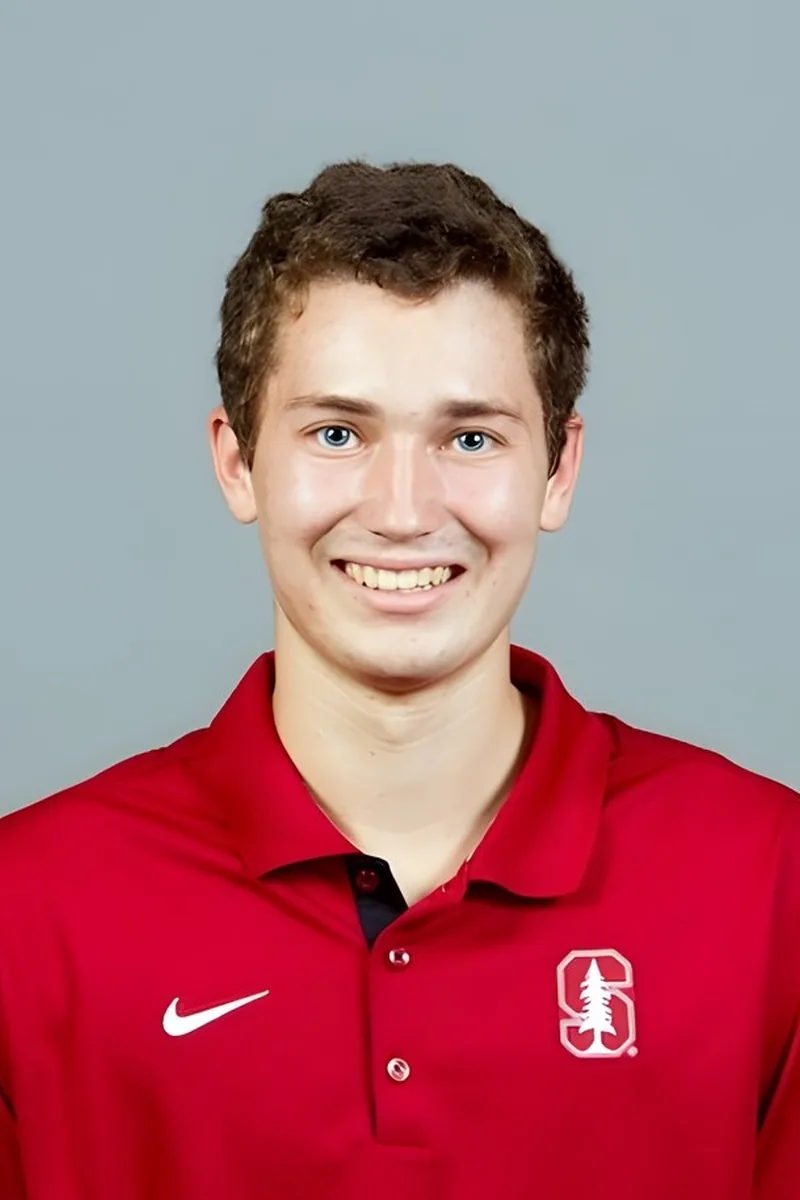
Jake's Stanford Human Biology coursework in Game Theory and Health Policy has sharpened an analytical skill AP Biology quietly rewards: reasoning about trade-offs, population-level outcomes, and syste...
Education & Certificates
Stanford University
Current Undergrad, Human Biology
ACT Scores

Research-level microbiology training changes how you read AP Bio free-response questions — and Brian, a working Research Associate and Associate Professor of Microbiology, coaches students to treat ea...
Education & Certificates
The Ohio State University
PHD, Microbiology
University of Washington
Bachelor of Science, Botany
SAT Scores

Kevin's double major in Medicine, Health and Society at Vanderbilt trained him to read biological systems through a social and historical lens — an unusual angle that actually sharpens AP Biology prep...
Education & Certificates
Vanderbilt University
Bachelors, Double Major: Medicine Health and Society/History of Art
ACT Scores
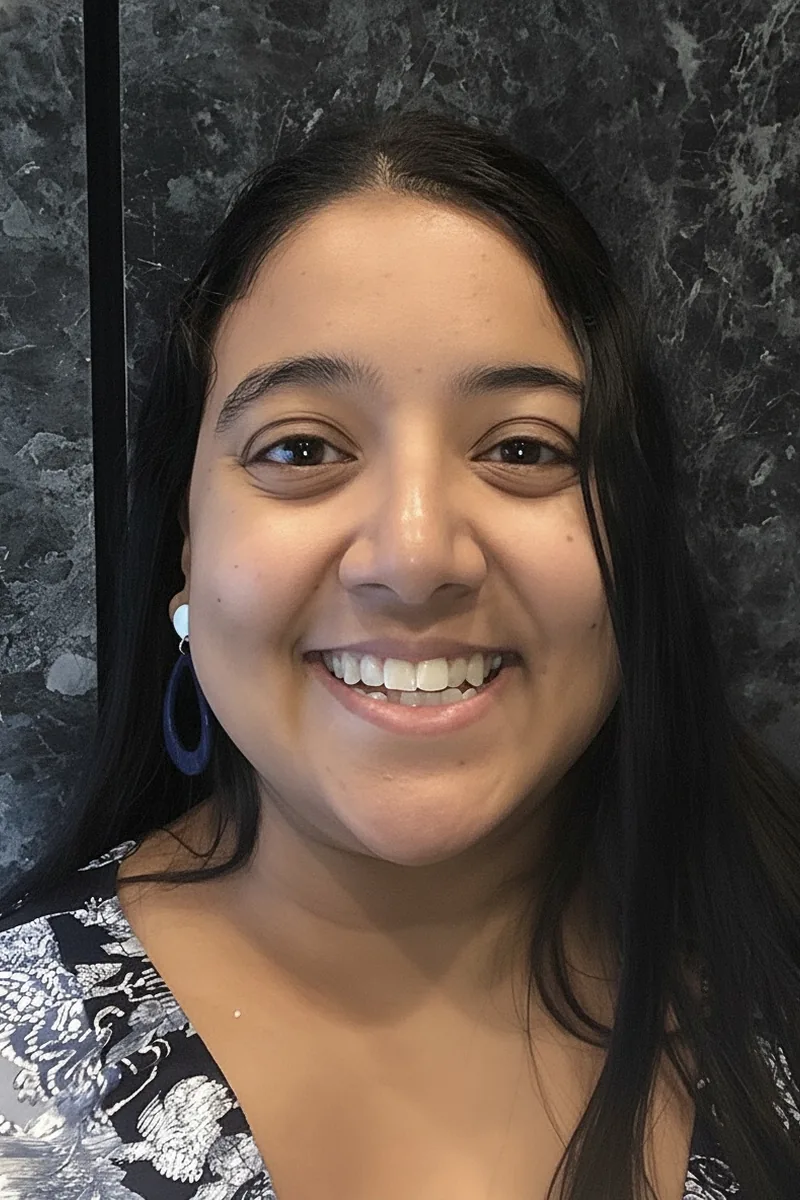
A neuroscience degree from UC San Diego trains students to trace biological mechanisms across scales — from synaptic chemistry to whole-organism behavior — and that systems-level thinking maps directl...
Education & Certificates
University of California-San Diego
Bachelor of Science, Neuroscience
Michigan Technological University
non degree, Biology, General
ACT Scores

Cognitive science training builds something AP Biology's hardest questions quietly demand: the ability to trace information processing across biological systems — from signal transduction at the cellu...
Education & Certificates
The University of Texas at Dallas
Bachelor of Science, Computer Science
ACT Scores

Berkeley's Molecular and Cell Biology program demands the kind of mechanistic reasoning — tracing a signal from receptor to gene expression, or mapping energy flow across cellular systems — that AP Bi...
Education & Certificates
University of California-Berkeley
Bachelors, Molecular and Cell Biology
SAT Scores

Graduating from Johns Hopkins in three years with a Neuroscience degree gives Noa a precise command of the molecular and systems-level content AP Biology tests most heavily — but her coaching zeroes i...
Education & Certificates
Johns Hopkins University
Bachelor's
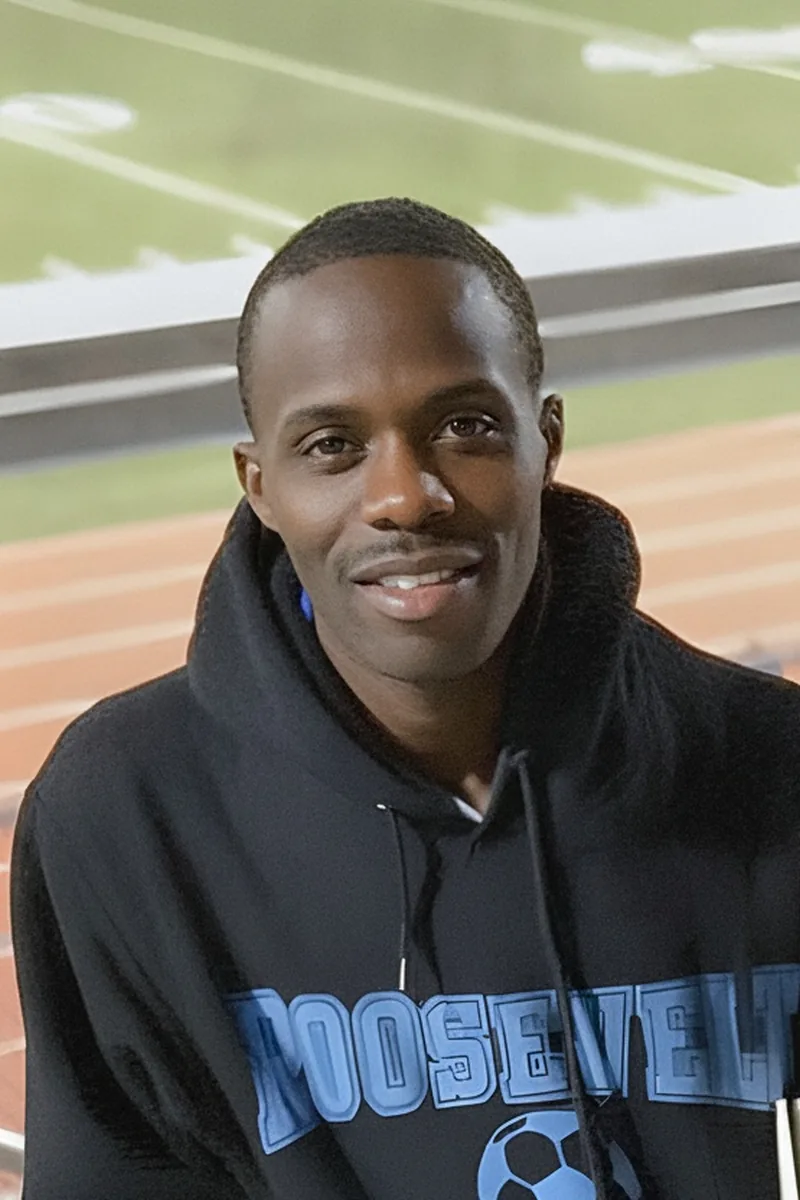
Adeyemi's graduate training in environmental biology at the University of Ibadan sharpened a skill AP Biology rewards heavily: tracing how molecular processes scale up through ecosystems — exactly the...
Education & Certificates
University of Ibadan
Master of Science, Environmental Biology
LAGOS STATE UNIVERSITY
Bachelor of Science, Microbiology
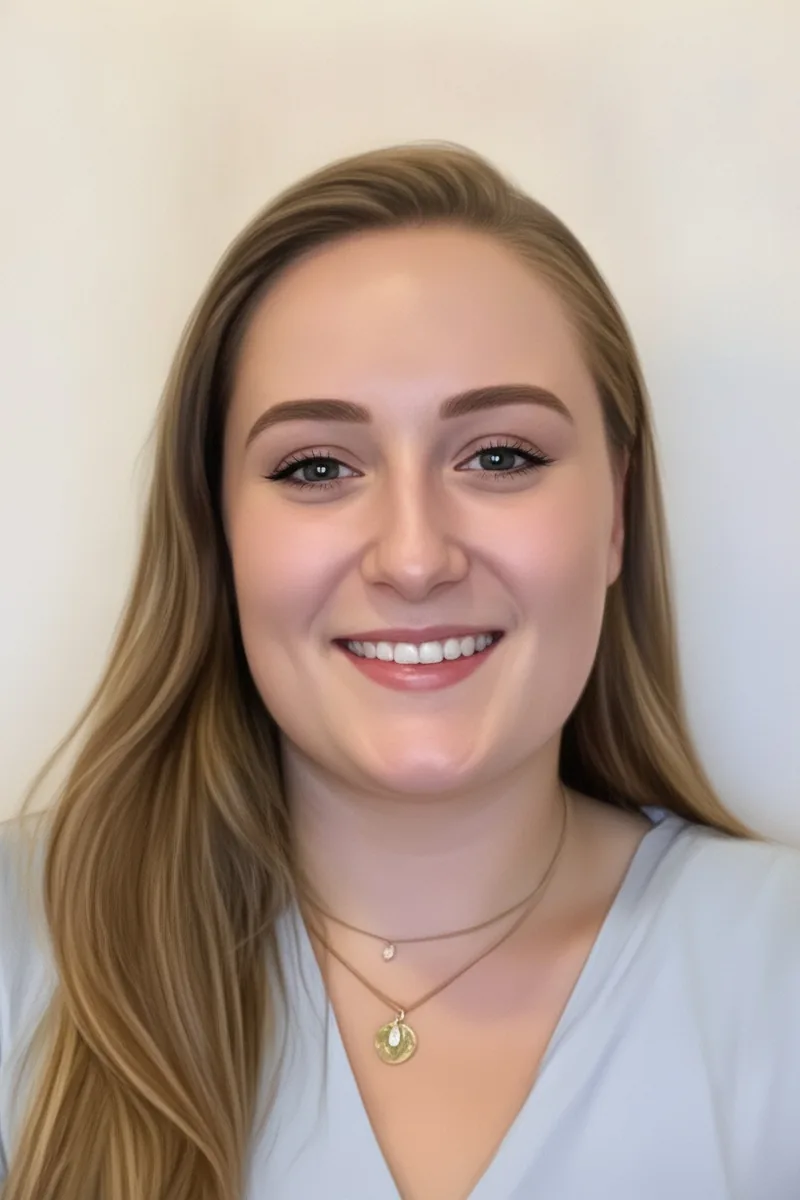
I am an interdisciplinary educator with an Ed.M. from the Harvard Graduate School of Education and a B.A. from Dartmouth College. My background is primarily in integrated arts learning and museum educ...
Education & Certificates
Harvard University
Masters in Education, Education
Dartmouth College
B.A.
SAT Scores
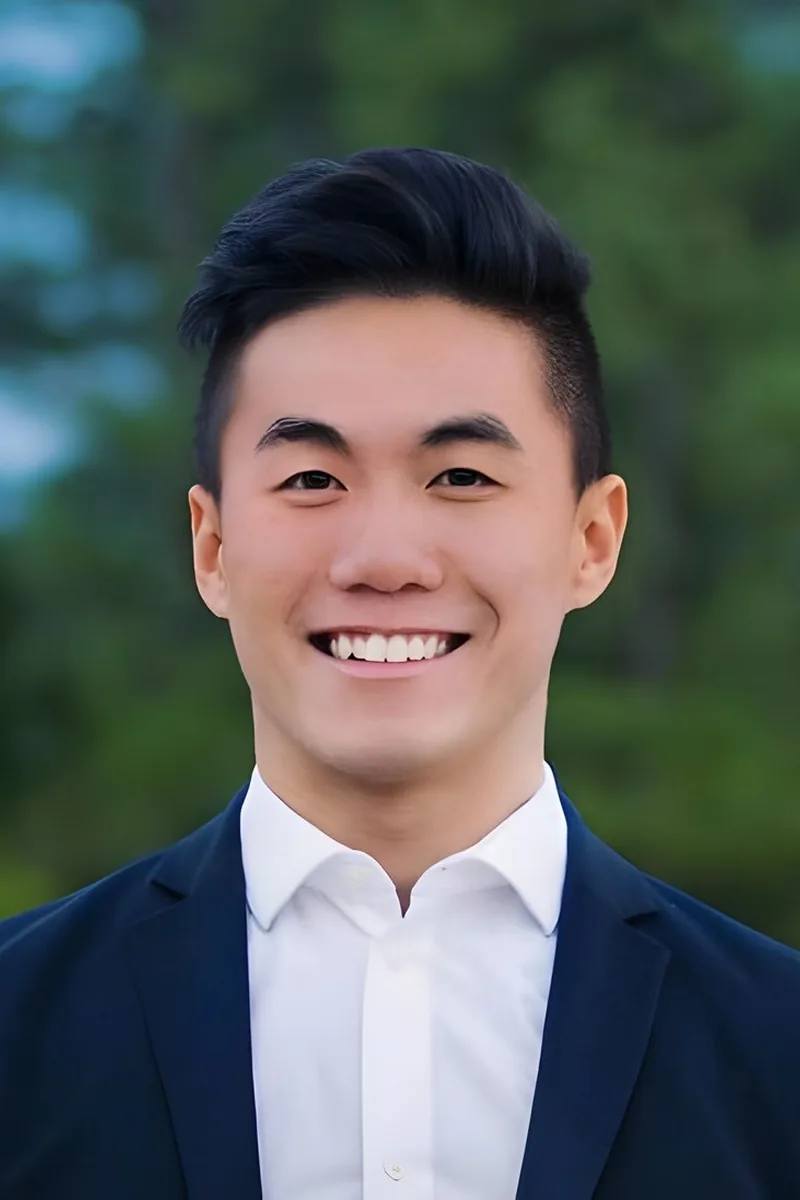
I'm not tutoring or buried in my textbooks, you will either find me rock climbing at the Triangle Rock Club, playing Ultimate Frisbee, working on my car, or enjoying the great outdoors (beaches, mount...
Education & Certificates
The University of Texas at Dallas
Bachelors, Mechanical Engineering
Duke University
Current Grad Student, Mechanical Engineering
SAT Scores
Frequently Asked Questions
Students typically find photosynthesis and cellular respiration challenging because the interconnected pathways and electron transport chains require strong conceptual understanding rather than memorization. Genetics and heredity—particularly pedigree analysis, chi-square calculations, and understanding epistasis—also trip up many students. Additionally, ecology questions that require systems thinking and the ability to connect population dynamics, energy flow, and nutrient cycling often expose gaps in understanding how organisms interact with their environment. A tutor can break these complex topics into smaller, more digestible components and use visual models to clarify the mechanisms.
The free-response section requires you to explain biological concepts in detail, often with diagrams or calculations—simply knowing facts isn't enough. Tutors help you practice writing complete, well-organized responses that address all parts of the question, use appropriate scientific vocabulary, and include relevant examples. Working through past FRQs under timed conditions is essential; a tutor can identify whether you're losing points due to incomplete explanations, missing diagrams, or misunderstanding what the question is asking. They can also teach you how to allocate your time effectively across the eight questions.
AP Biology multiple-choice questions often include plausible distractors that test whether you truly understand concepts or just recognize keywords. The most effective approach is to predict your answer before reading the choices, eliminate obviously wrong options, and be cautious of answers that use correct biology terms but in the wrong context. Tutors help you practice identifying question types—such as those testing cause-and-effect relationships, experimental design, or data interpretation—and develop strategies specific to each. Timing is critical too; spending too long on difficult questions can leave you rushed at the end, so tutors coach you on when to move forward and return later.
Data interpretation questions require you to extract information from graphs, tables, and experimental results, then apply biological principles to explain what you observe. Many students struggle because they read the graph literally without connecting it to the underlying biology—for example, recognizing that a plateau in population growth reflects carrying capacity. Tutors teach you to systematically analyze visuals by identifying axes, units, trends, and anomalies, then practice linking those observations to concepts like enzyme kinetics, photosynthetic rates, or population ecology. Regular practice with real AP exam data sets helps you build confidence and speed.
Lab skills are crucial—the exam includes questions about experimental design, controls, data collection methods, and interpreting lab results from the official AP Biology labs. You need to understand not just what happened in an experiment, but why the experimental design was set up that way and what conclusions can be drawn from the data. Tutors help you master the reasoning behind key labs like enzyme kinetics, photosynthesis, cellular respiration, and gel electrophoresis, and teach you how to explain experimental procedures and limitations clearly. This knowledge often appears in both multiple-choice and free-response questions.
Score improvement depends on your starting point and how consistently you engage with tutoring and practice. Students who work with a tutor for 4-6 weeks before the exam and complete regular practice tests typically see improvements of 2-4 points on the AP scale (out of 5), though this varies widely. The biggest gains come from identifying your specific weak areas—whether that's photosynthesis, genetics, or free-response writing—and targeting those gaps with focused practice. Consistent effort matters more than the number of sessions; students who review materials between tutoring sessions and complete practice problems see better results than those who rely solely on tutoring time.
An effective AP Biology tutor should have strong knowledge of the AP Biology curriculum and exam format, ideally with experience teaching or tutoring the course. They should understand common student misconceptions—like thinking that photosynthesis and respiration are simply opposite processes—and know how to address them. Equally important is the ability to explain complex topics like gene regulation or evolution in multiple ways, adapt explanations based on your learning style, and provide constructive feedback on your free-response writing. Look for tutors who stay current with any AP exam updates and use practice materials from the College Board.
Test anxiety in AP Biology often stems from feeling unprepared for the breadth of content or uncertain about how to approach unfamiliar questions. Tutoring builds confidence through repeated, successful practice with real exam questions and timed conditions, so the format becomes familiar rather than intimidating. Tutors also help you develop a strategic approach—knowing which questions to tackle first, when to guess and move on, and how to manage your time—so you feel more in control during the actual exam. Additionally, understanding the biology deeply reduces anxiety because you're not relying on guessing; you can reason through questions even if you haven't seen that exact scenario before.
Other Dallas test prep
Let's find your perfect prep plan
Answer a few quick questions. We'll recommend the right plan and match you with a top 5% instructor.