Award-Winning AP Computer Science A Prep in Portland
Award-Winning AP Computer Science A Prep in Portland
Everything you need to crush the AP Computer Science A in Portland, OR. Live prep classes, practice tests, 1-on-1 expert tutoring, and AI-powered diagnostics.
Who needs prep?
No obligation. Takes ~1 minute.
Instructors from
- YaleUniversity
- PrincetonUniversity
- StanfordUniversity
- CornellUniversity
Featured by


AP Computer Science A Prep Classes
 Short-term classLive
Mini Med School Camp
Step into the exciting world of medicine as a student physician at our Mini Med School summer camp! Under the expert guidance of Dr. Tabitha Michaud, MD, young "medical students" will uncover the fascinating science behind how our bodies work, heal, and protect us. Young doctors-in-training will explore what's actually happening during common symptoms like coughing, fever, and pain; learn what doctors look for during examinations; and understand how the body's intricate defense systems operate. From understanding the healing process of a simple scrape to exploring the events in an allergic reaction, campers will develop a new appreciation for the remarkable machine that is the human body. No prior medical knowledge required—just bring your curiosity for an unforgettable experience of medical discovery!
 Short-term classLive
Animal Adventure Camp
Embark on a wild adventure with "Animal Adventure Camp," where Ms. Amalia brings the animal kingdom right to your screen! In this immersive five-day experience, young explorers will come face-to-face with fascinating creatures from across the globe through exciting live animal presentations. Students will journey from the slithering world of reptiles to the soaring heights of birds, track magnificent mammals, dive into mysterious ocean depths, and discover the tiny but mighty invertebrates that shape our world. Each day offers new animal friends to meet, amazing facts to learn, and unforgettable encounters that will spark curiosity and foster a deeper appreciation for wildlife in all its remarkable forms—whether ferocious or cuddly, massive or microscopic, from land, sea, or sky. Ms. Amalia, from Nature Explorers International, is an environmental educator and world explorer who makes classes come alive with stories from her real-life adventures, props from her science shelf, and live program animals. She’ll be joined by Scaly the corn snake, Slimy the tiger salamander, and Lizzie the leopard gecko, as well as coloring pages, art projects, and outdoor after-camp activities to supplement daily learning. Each day will include three interactive sections full of fun facts, guessing games, and investigating natural specimens. A short break in between each section will include movement game options such as animal yoga and freeze dance.
 Short-term classLive
Ocean Adventure Camp
Over 70 percent of the earth’s surface is covered in oceans, so there’s always plenty to explore in Ocean Adventure Camp. Here students will learn about the waves and tides, amazing aquatic animals, and more as each session covers a different oceanic theme. From sandy beaches to the deepest trenches, volcanic islands and shipwrecks-turned-reefs, we'll dive deep into earth's most diverse habitat and learn how the ocean impacts our life on land, too.
 Short-term classLive
Jump Start to AP & Honors Chemistry
Chemistry is the study of the properties, structures, and reactions of matter—and how substances transform through interactions at the atomic and molecular level. From the periodic table to chemical equations, each concept builds on the last—so the foundations you begin the school year with tend to shape the reactions, outcomes, and confidence you carry through every lab and lesson. In this live, interactive summer class you will learn and review the key building blocks for success in advanced high school chemistry classes, including AP, IB, and honors classes. From scientific principles to essential math concepts, you’ll cover everything you need to confidently conquer your most challenging fall class.
 Short-term classLive
Jump Start to AP & Honors Physics
Physics is the study of the fundamental forces and principles that govern how matter and energy interact in the universe. From motion and momentum to waves and electricity, each concept builds on the last—so the foundations you begin the school year with tend to govern your trajectory and velocity throughout the school year. In this live, interactive summer class you will learn and review the key building blocks for success in advanced high school physics classes, including AP, IB, and honors classes. From scientific principles to essential math concepts, you’ll cover everything you need to start your most challenging fall class with energy and momentum.
 Short-term classLive
Jump Start to AP Computer Science A
Computer Science is the study of how we use logic and code to solve problems and build the digital world around us. From variables and conditionals to classes and objects, each concept builds logically on the last—so the foundations you start with often determine how efficiently and confidently you can program throughout the year. In this live, interactive summer class, you’ll learn and review the key building blocks for success in advanced high school computer science courses, including AP Computer Science A. From core Java syntax to problem-solving strategies, you’ll cover everything you need to start this rigorous coding class with structure and logic.
 Short-term classLive
Jump Start to AP & Honors Biology
Biology is the study of the building blocks of life, how cells, systems, and processes interact to enable complex organisms to adapt and thrive. And just like living systems build from their foundations, your own biology knowledge builds concept by concept toward the complex skills you need for your labs and exams throughout the year. In this live, interactive summer class you will learn and review the key building blocks for success in advanced high school biology classes, including AP, IB, and honors classes. Armed with sound fundamentals you’ll be ready to hit the ground running in the new school year and thrive in your most challenging fall class.
 Short-term classLive
Astronomy is Stellar!
When you look up in the night sky, what do you see? This class will make sure you know! In weekly sessions, guided by an expert instructor, learners will explore: - The constellations, how to find them, and how they got their names - How to use software programs like Stellarium and NASA’s Eyes to identify what’s in your night sky (and explore the cosmos on your own) - How to differentiate between stars, planets, meteors, and other night sky objects (including the International Space Station) - The phases of the moon, plus eclipses - How to use familiar stars and constellations to find directions The night sky is amazing to look at, but it’s even more amazing when you know what you’re seeing and how all the objects relate to each other. So let’s find out!
 Short-term classLive
Earth Rocks!
From giant mountains to shiny gems, from volcanoes to earthquakes and Stonehenge to the Grand Canyon, everything about Earth totally rocks. And in this class, students will learn all about the rocks all around us. Each session will cover a different theme from plate tectonics to fossils and everything in between. Drop in for one session to pick up a few gems of knowledge or make it a weekly “rock cycle” appointment.
 Short-term classLive
Earth Rocks!
From giant mountains to shiny gems, from volcanoes to earthquakes and Stonehenge to the Grand Canyon, everything about Earth totally rocks. And in this class, students will learn all about the rocks all around us. Each session will cover a different theme from plate tectonics to fossils and everything in between. Drop in for one session to pick up a few gems of knowledge or make it a weekly “rock cycle” appointment.
 Short-term classLive
The Science of Growing
One of the most noticeable parts of growing up is, well, growing up. Your shoe size changes seemingly overnight, your shortest classmate can become your tallest over the summer, and your teeth are literally falling out of your head to make room for bigger ones. If you stop to think about it, being a kid is crazy: how does your body know it's time to spurt up a few inches? Where does the "stuff" come from to make more of you? And how does so much of it happen without you feeling it every minute of every day? Join pediatrician Dr. Tabitha Michaud to investigate the science of growing: how your cells communicate with one another to know when (and where) to grow; how your body turns food into new teeth, longer bones, and stronger muscles; and how your body tells you what's happening inside so that you can give it the nutrients and rest it needs.
 Short-term classLive
Medical Mysteries & Rare Conditions
Being a doctor involves a lot of detective work: symptoms make for good clues, but people often don't do a great job of describing them and even when they are, the clues don't always point to one clear suspect or diagnosis. That's why students love Medical Mysteries & Rare Conditions, a chance to learn a bit of biology through the lens of a doctor detective. Over four weekly sessions, you'll join Dr. Tabitha Michaud to learn to think like a doctor as you learn about types of symptoms, causes, and cures, and put your symptom sleuthing skills to the test to diagose, treat, and understand rare illnesses.
Top-Rated AP Computer Science A Prep Instructors in Portland
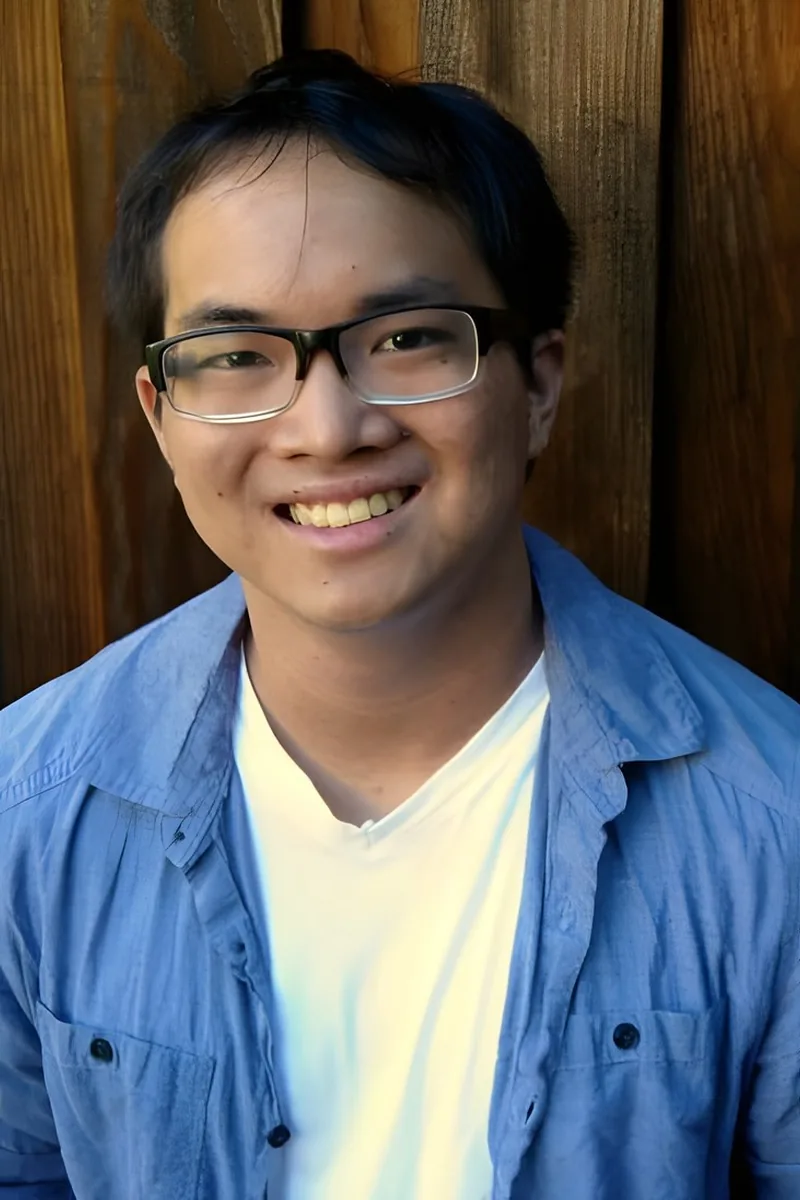
Cognitive science at Stanford trains a specific skill the AP Computer Science A exam quietly demands: modeling how a system processes information before writing a single instruction — the same discipl...
Education & Certificates
Stanford University
Master of Science, Computer Science
Stanford University
Bachelor of Science, Cognitive Science
SAT Scores
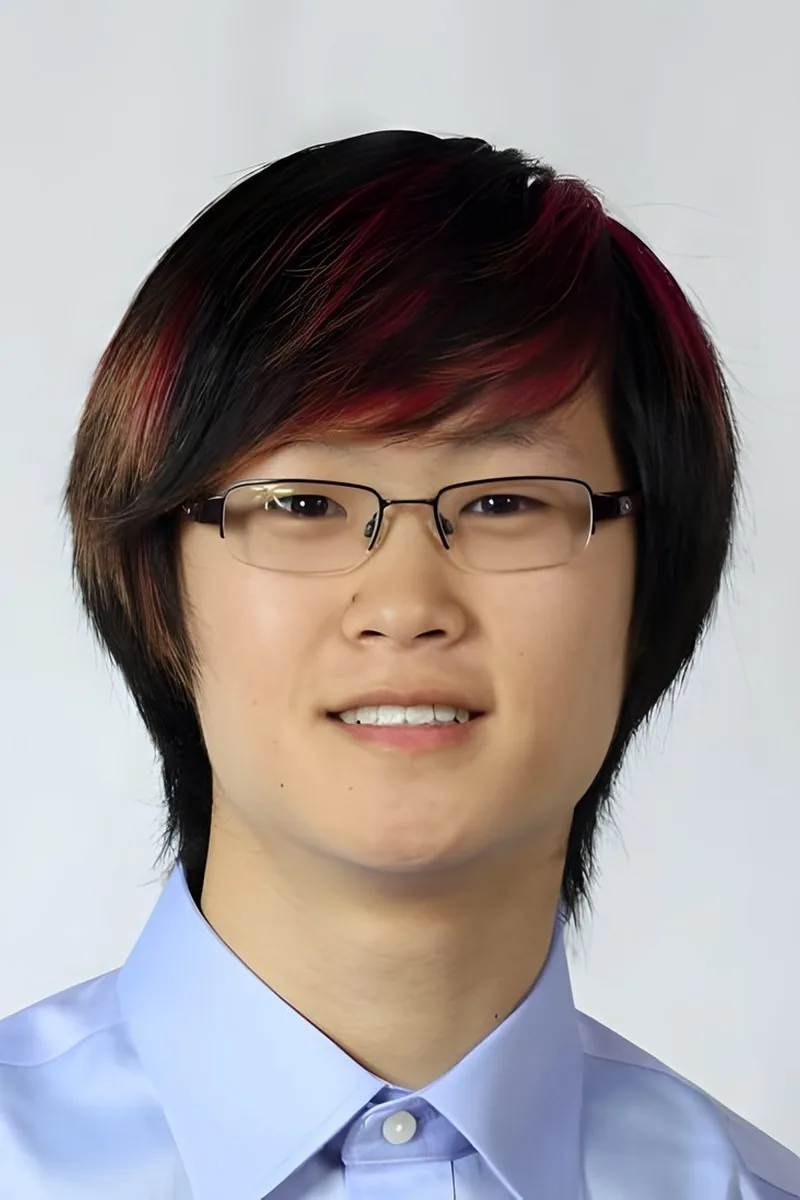
Dennis's physics research at Princeton — simulating turbulent plasma dynamics and modeling cosmic ray acceleration — demanded the same precise, step-by-step computational thinking that AP Computer Sci...
Education & Certificates
Princeton University
Bachelor of Science
ACT Scores
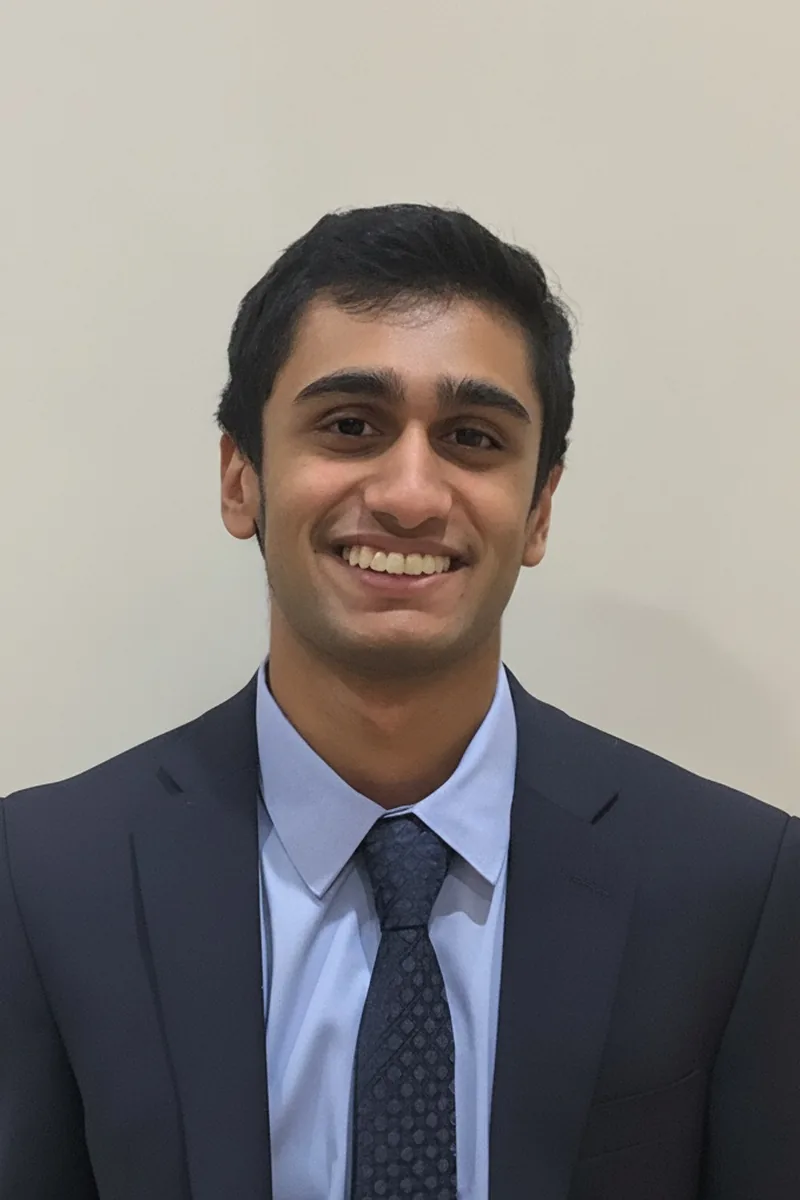
Ronit's computer science training at Yale sharpened exactly the kind of systematic reasoning the AP Computer Science A exam rewards — particularly on the object-oriented design and inheritance prompts...
Education & Certificates
Yale University
Bachelor of Science, Computer Science
SAT Scores
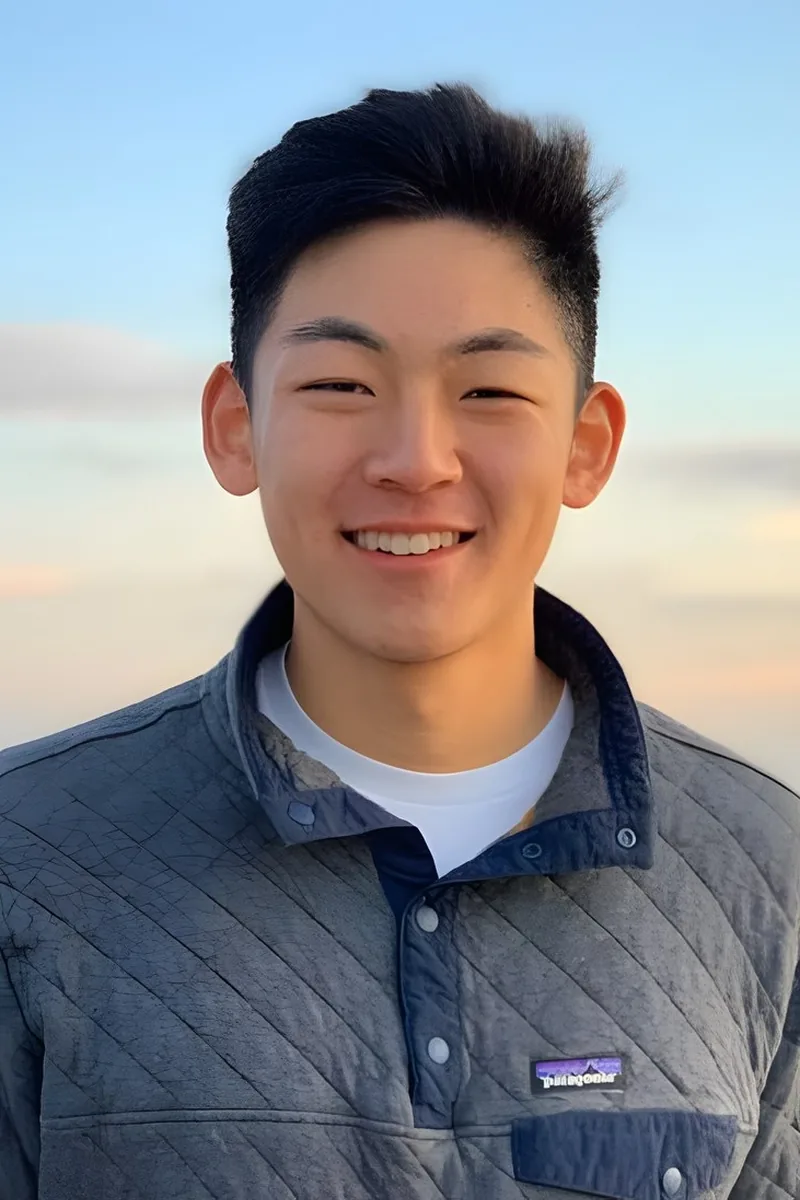
Kevin's Stanford Computer Science training — including hands-on work in Python and C++ for AI and systems projects — gives him a precise read on where AP Computer Science A students lose points: not o...
Education & Certificates
Stanford University
Master of Science, Computer Science
Stanford University
Bachelor of Science
ACT Scores
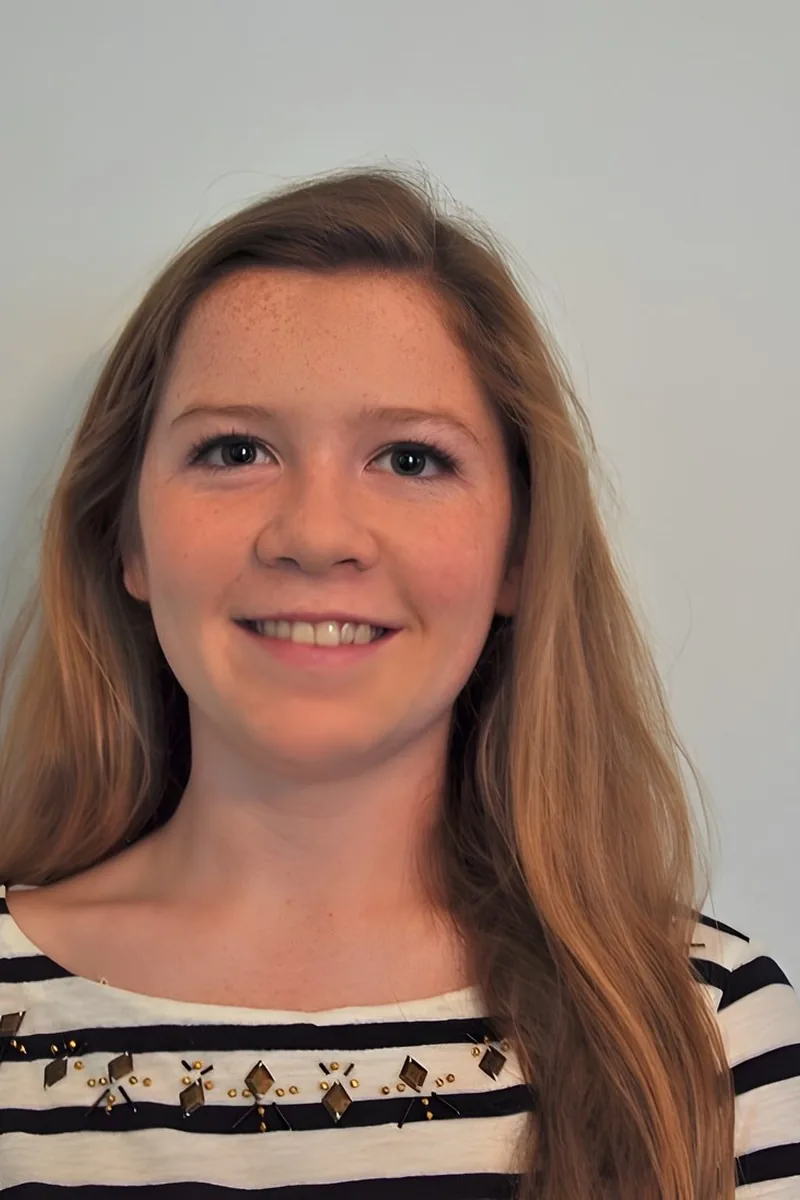
Stanford's political science program trains students to read dense, structured arguments and extract precise meaning quickly — a skill that transfers directly to AP Computer Science A's multiple-choic...
Education & Certificates
Stanford University
Current Undergrad Student, Political Science and Government
SAT Scores
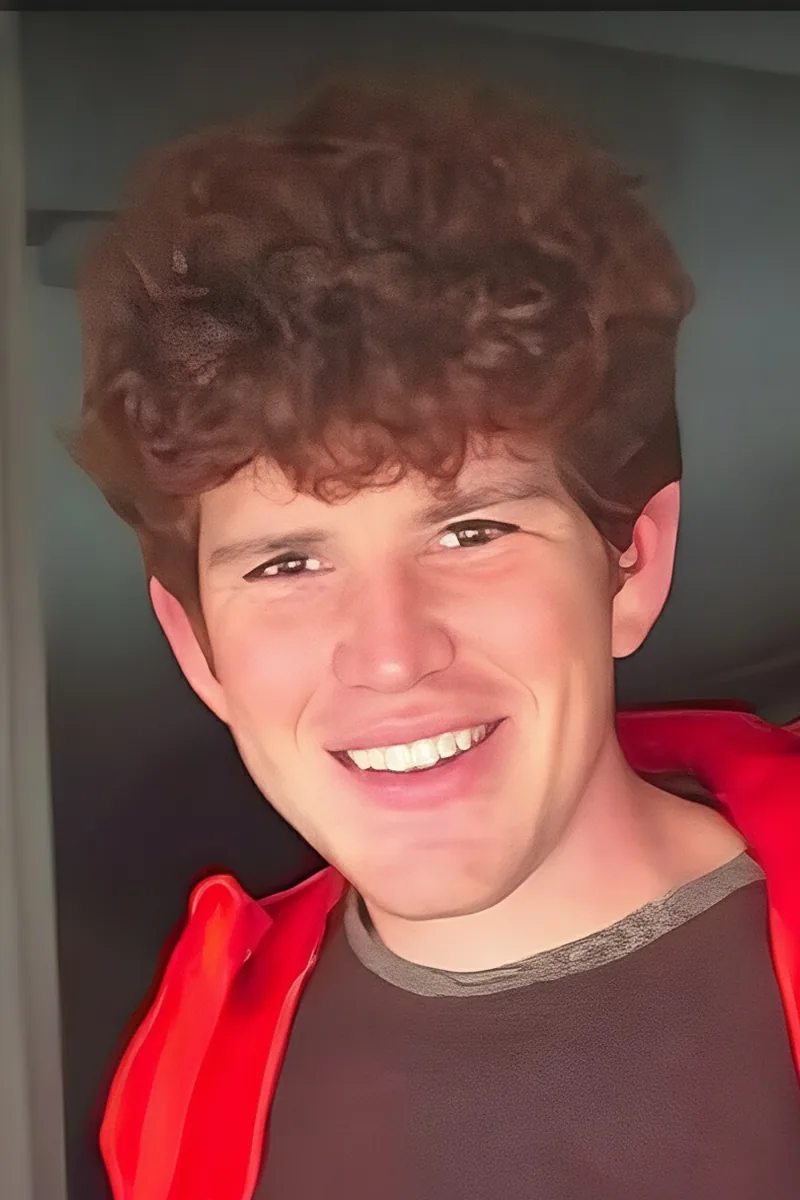
Clive's economics training at Brown sharpens a skill that transfers directly to AP Computer Science A: decomposing a complex system into its inputs, outputs, and relationships before writing a single ...
Education & Certificates
Brown University
Bachelor of Economics, Economics
ACT Scores

Physics training at Vanderbilt builds a precise analytical habit: before solving anything, model the system — inputs, outputs, constraints — and only then work through the mechanics. Dylan brings that...
Education & Certificates
Vanderbilt University
Bachelor of Science, Physics
ACT Scores
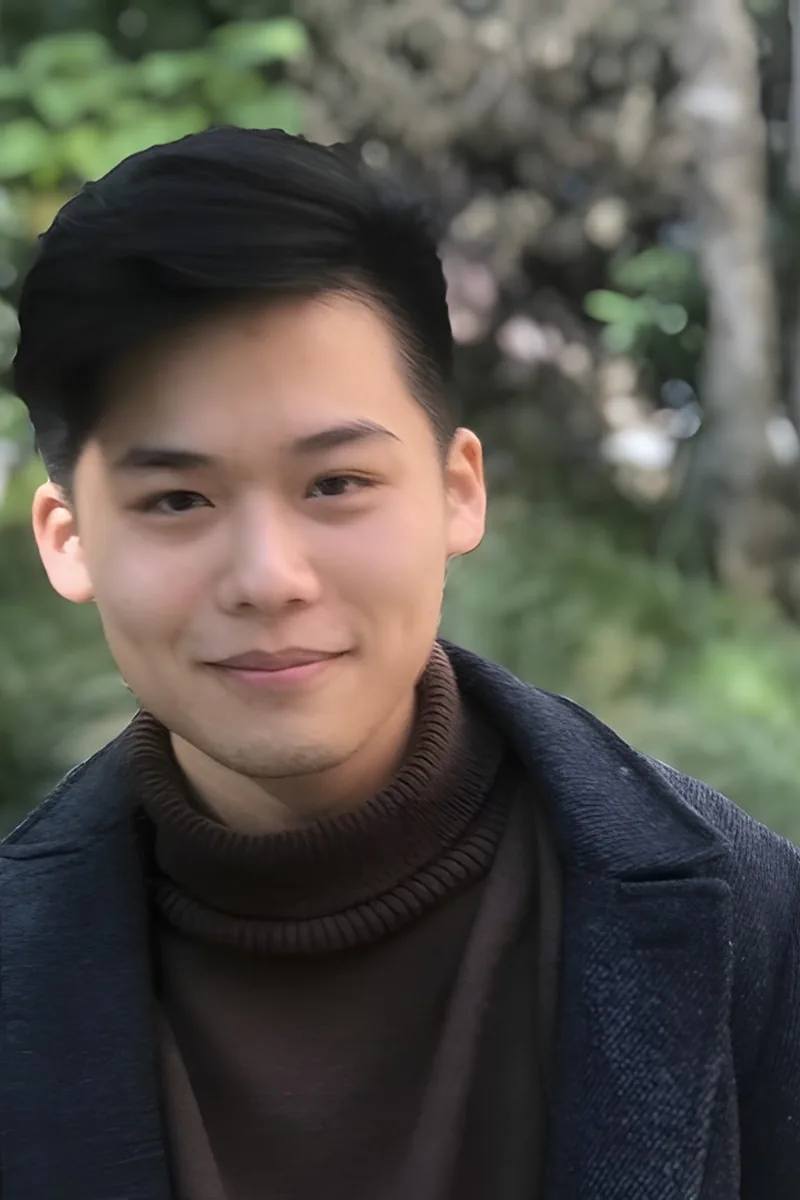
Economics training at Vanderbilt builds a habit that directly translates to AP Computer Science A: before running any calculation, identify the structure of the problem — inputs, constraints, and expe...
Education & Certificates
Vanderbilt University
Bachelor of Economics, Economics
ACT Scores
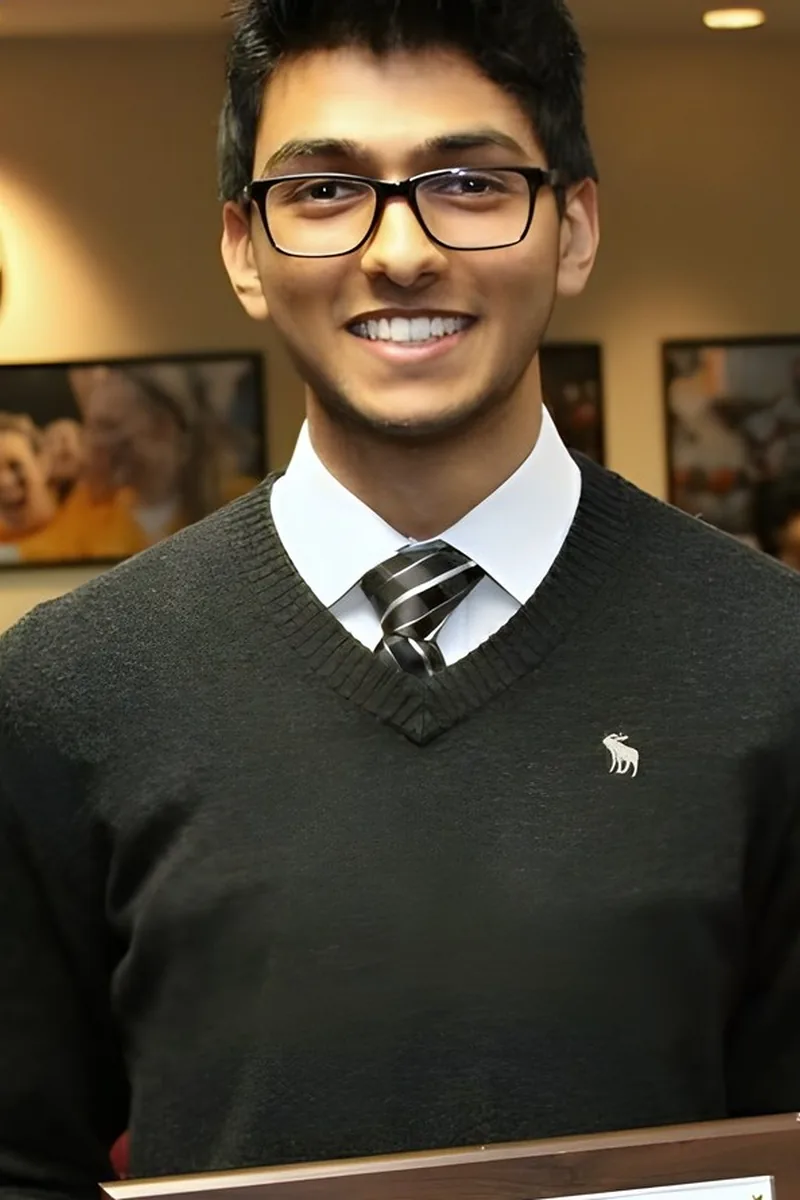
I am currently a student at Brown University seeking a degree in molecular biophysics. I love studying physics and its many applications in the realms of the life sciences. I have a strange penchant f...
Education & Certificates
Brown University
Current Undergrad Student, Molecular Biophysics
ACT Scores
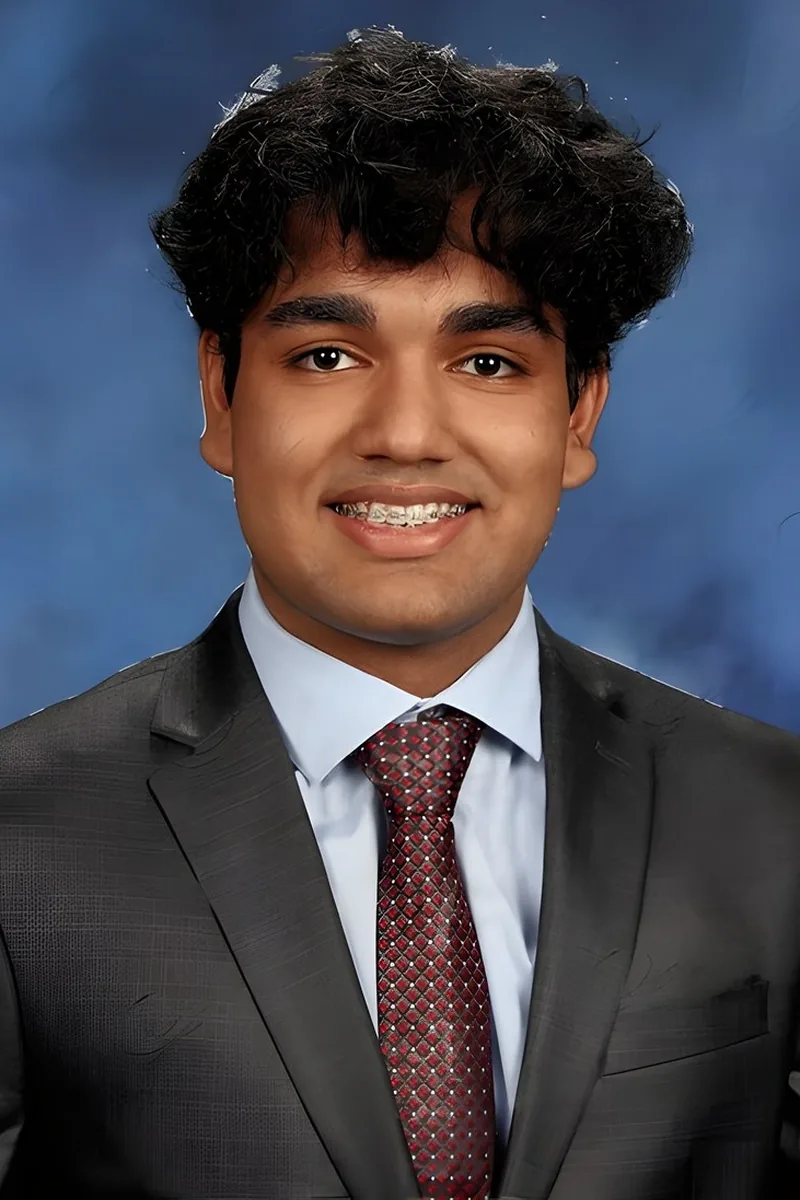
Ravnoor, a Cornell Computer Science student who has been coaching programming and CS concepts for nine years, structures AP Computer Science A prep around the exam's two biggest score drivers: the fre...
Education & Certificates
Cornell University
Bachelor of Science, Computer Science
SAT Scores
Frequently Asked Questions
Students often find inheritance and polymorphism conceptually challenging, especially understanding how to design class hierarchies and override methods effectively. The 2D array section trips up many students—particularly nested loops and manipulating rows and columns. Additionally, many struggle with ArrayList operations, especially when working with objects versus primitives, and understanding when to use enhanced for loops versus traditional indexing. Recursion is another major pain point; students grasp the concept but struggle to trace through recursive calls and recognize when recursion is the right approach versus iteration.
The free-response section gives you 90 minutes for four questions, so aim to spend roughly 20-22 minutes per question. A strong strategy is to read all four questions first, identify which ones feel most straightforward, and tackle those first to build confidence and secure points. When writing code, focus on the main logic before worrying about edge cases—partial credit is awarded for correct approach even if implementation has minor bugs. Practice writing code by hand during study sessions to simulate exam conditions, which helps you develop faster, cleaner code without relying on IDE autocomplete.
The 40 multiple-choice questions in 90 minutes gives you about 2 minutes per question. Don't spend more than 2-3 minutes on any single question—if you're stuck, mark it and move on. For code-tracing questions, write down variable values as they change rather than trying to track them mentally; this prevents careless errors. When a question shows code with output or asks what happens, try to trace through it step-by-step, and watch for off-by-one errors in loops and array indexing, which are common traps. If you finish early, review questions where you guessed or felt uncertain.
Tutors who specialize in AP Computer Science A focus on helping you recognize when to use encapsulation, inheritance, and polymorphism in real-world contexts, not just memorizing definitions. They guide you through designing classes from scratch—choosing appropriate instance variables, writing constructors, and determining which methods belong in parent versus child classes. This is critical because the free-response section often requires you to write or extend classes, and understanding design principles helps you write code that's both correct and efficient. Practice designing simple systems (like a student roster or inventory system) builds the intuition you need to tackle unfamiliar free-response scenarios.
On the exam, you won't have an IDE to run and test your code, so you need to spot logical errors by reading code carefully. Tutors help you develop this skill by giving you broken code and asking you to identify the bug—whether it's an off-by-one error in a loop, a missing return statement, or incorrect conditional logic. They also teach you to trace through code systematically, writing down what variables hold at each step. This practice directly translates to exam success because you'll be more confident in your own code and better at spotting mistakes in multiple-choice code-tracing questions.
Take full-length practice tests under timed conditions to build stamina and identify pacing issues before exam day. After each test, spend significant time reviewing every question you missed or found tricky—understand not just the correct answer, but why your approach was wrong. Focus especially on free-response questions; re-solve them multiple times until you can write clean, correct code without hesitation. Tutors can review your practice test work, point out patterns in your mistakes (like consistently misunderstanding ArrayList methods or struggling with nested loops), and target those weak areas with focused practice before your next attempt.
While the exam doesn't formally test Big O notation, understanding efficiency matters because free-response questions sometimes ask you to write code that solves a problem correctly, and inefficient solutions may not be optimal. More importantly, recognizing efficient versus inefficient approaches helps you write better code during the exam—for example, knowing that searching an unsorted ArrayList is O(n) but searching a sorted one can be optimized helps you think strategically. Tutors help you understand when to use enhanced for loops versus indexed loops, when ArrayList is better than arrays, and how to avoid nested loops when possible—practical efficiency skills that improve both your code and your exam performance.
Consistent practice with real exam-style questions is the most effective anxiety reducer—when you've solved similar problems dozens of times, the exam feels less intimidating. Tutors help by creating a low-pressure practice environment where mistakes are learning opportunities, not failures, and by breaking down complex topics into manageable pieces so you build competence gradually. Mock exams under timed conditions also help normalize the exam experience. Finally, having a tutor review your work and point out your actual strengths—areas where you consistently get questions right—helps counter the anxiety that comes from focusing only on weak spots.
Other Portland test prep
Let's find your perfect prep plan
Answer a few quick questions. We'll recommend the right plan and match you with a top 5% instructor.