Award-Winning ISEE Prep in Charlotte
Award-Winning ISEE Prep in Charlotte
Everything you need to crush the ISEE in Charlotte, NC. Live prep classes, practice tests, 1-on-1 expert tutoring, and AI-powered diagnostics.
Who needs prep?
No obligation. Takes ~1 minute.
Instructors from
- YaleUniversity
- PrincetonUniversity
- StanfordUniversity
- CornellUniversity
Featured by


Top-Rated ISEE Prep Instructors in Charlotte
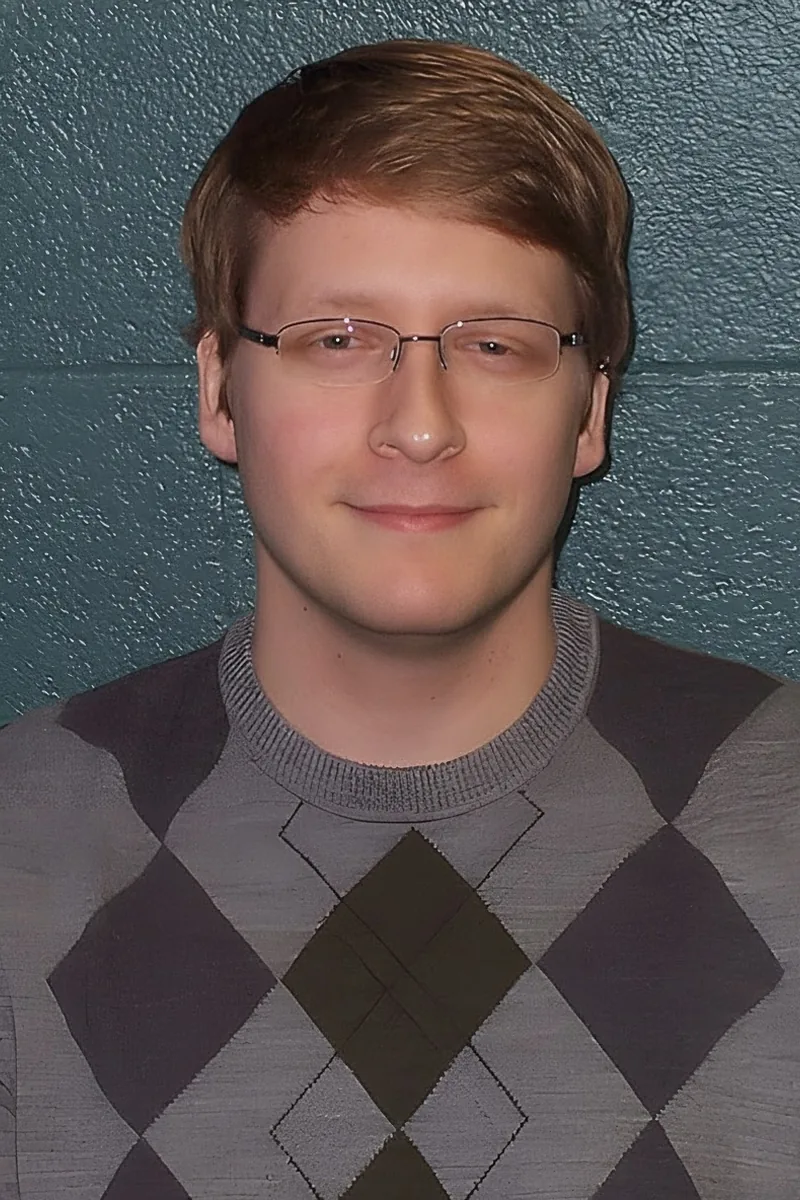
I am proficient at US History and can help an AP US History student towards a 4 or 5 on his or her exam. My concentration for both of my post-high school degrees was religion, and I would love to tuto...
Education & Certificates
Duke University
Masters, Theological Studies
Emory and Henry College
Bachelors, Religion
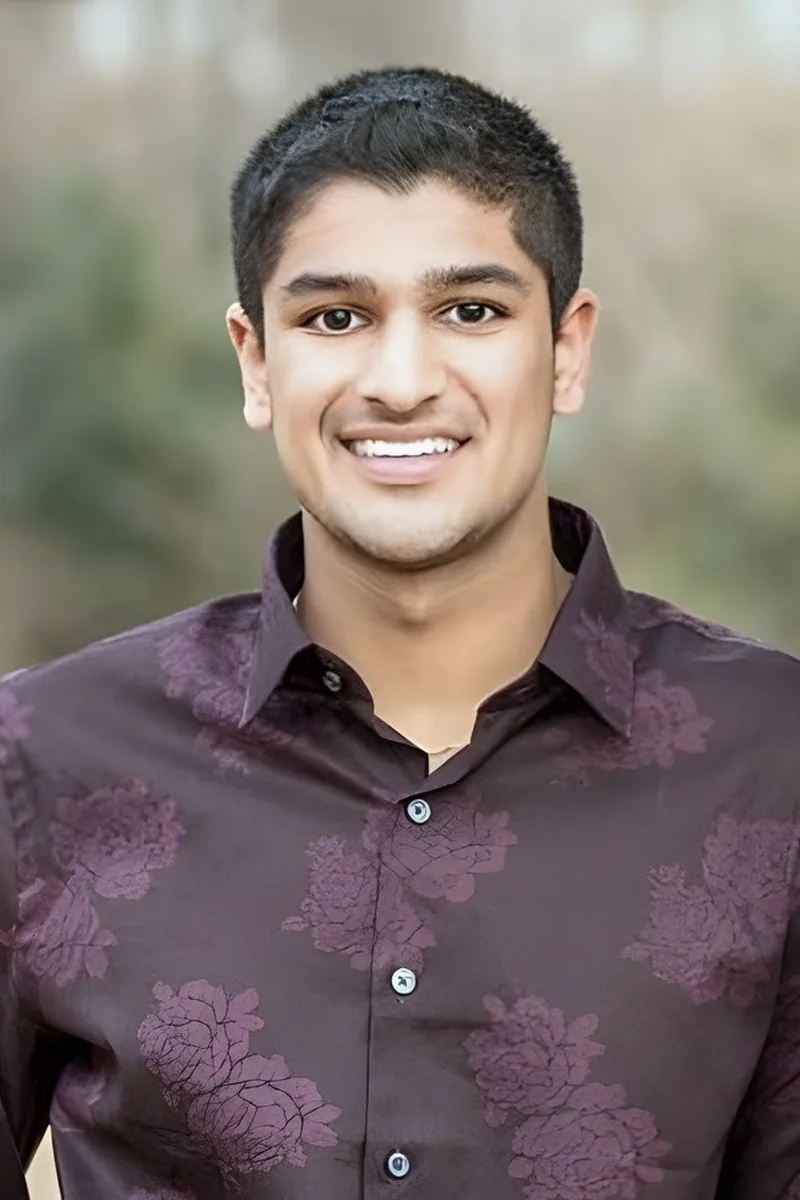
I am an undergraduate student at Wofford College pursuing a major in biology with a minor in business. In addition, I am a nationally certified and state certified Emergency Medical Technician and wor...
Education & Certificates
Wofford College
Bachelor of Science, Biology, General
ACT Scores
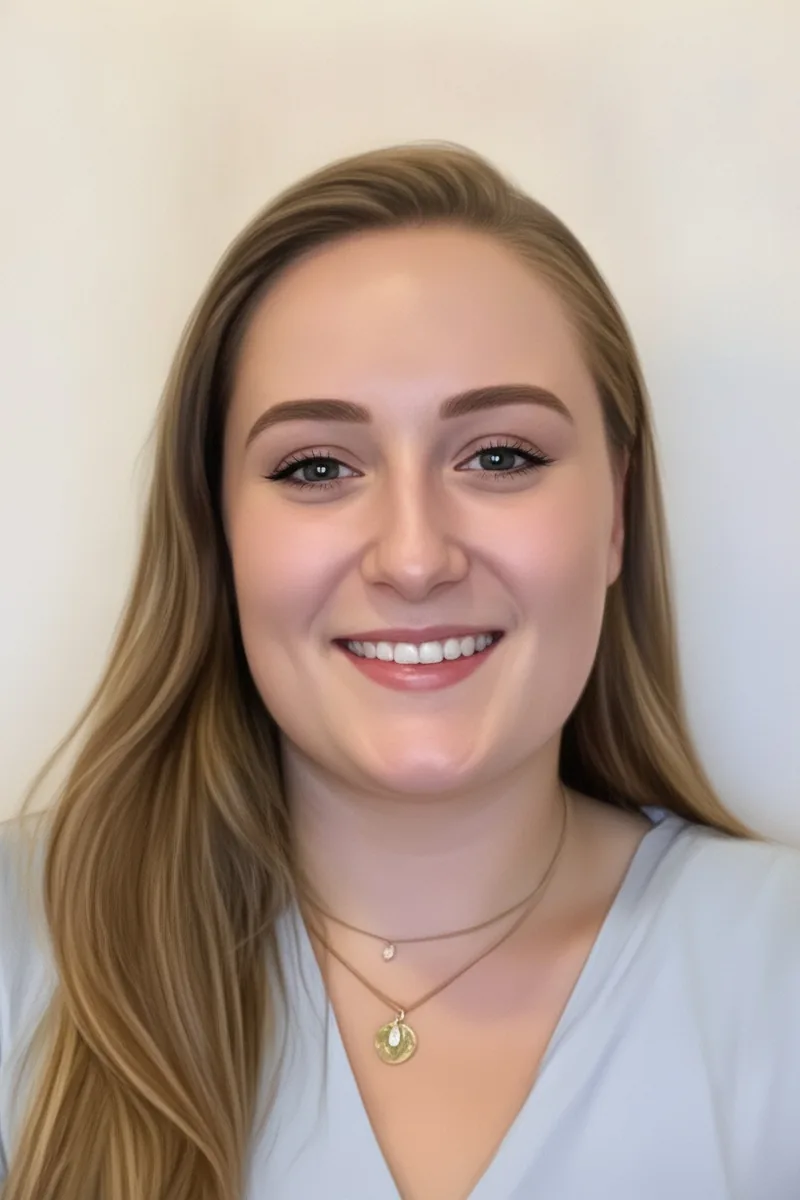
I am an interdisciplinary educator with an Ed.M. from the Harvard Graduate School of Education and a B.A. from Dartmouth College. My background is primarily in integrated arts learning and museum educ...
Education & Certificates
Harvard University
Masters in Education, Education
Dartmouth College
B.A.
SAT Scores
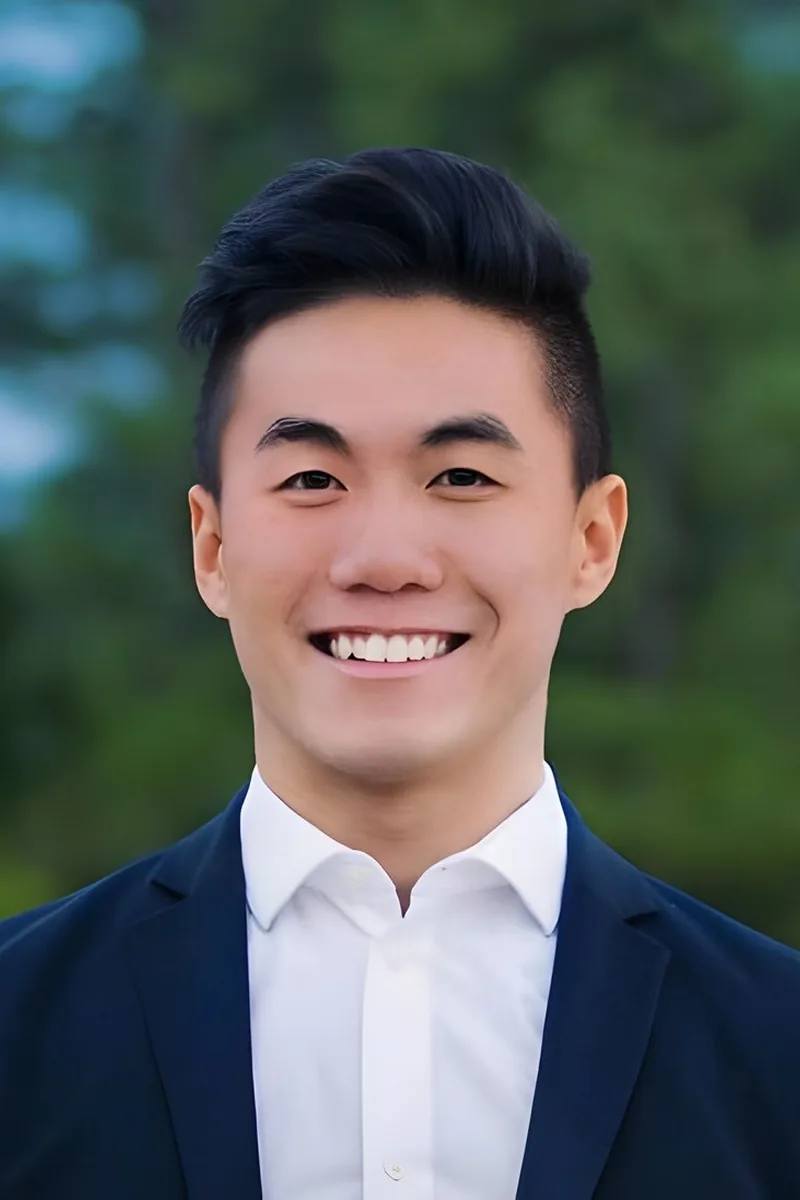
I'm not tutoring or buried in my textbooks, you will either find me rock climbing at the Triangle Rock Club, playing Ultimate Frisbee, working on my car, or enjoying the great outdoors (beaches, mount...
Education & Certificates
The University of Texas at Dallas
Bachelors, Mechanical Engineering
Duke University
Current Grad Student, Mechanical Engineering
SAT Scores
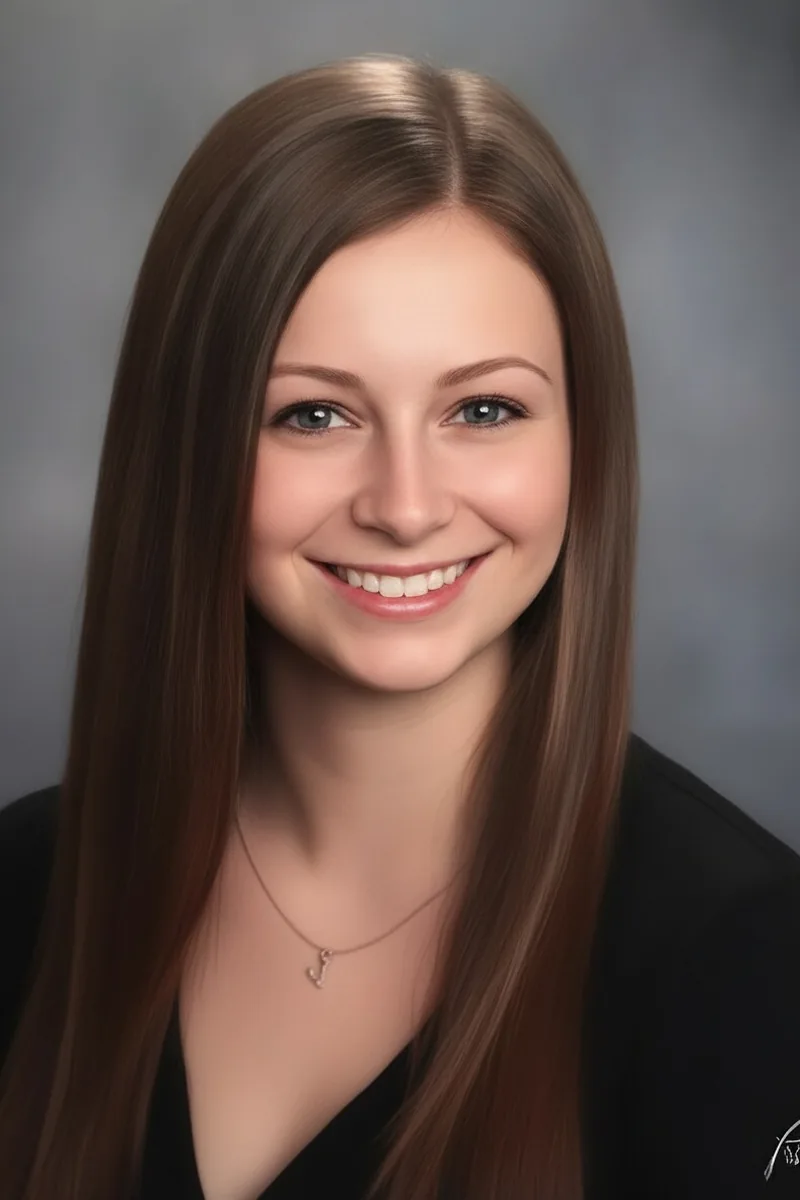
I am a recent graduate from a masters program in biostatistics at Columbia University. I received my Bachelor of Arts in biological sciences, with a focus in neurobiology at Northwestern University. I...
Education & Certificates
Columbia University
Masters in biostatistics
Northwestern University
Bachelor of Arts in biological sciences (focus in neurobiology)
SAT Scores

I am a graduate of Wesleyan University, where I received my Bachelor of Arts in Sociology with High Honors. With eight years of experience working in education, I've tutored students in math, science,...
Education & Certificates
Harvard University
PHD, Education
Wesleyan University
Bachelor in Arts, Sociology
ACT Scores
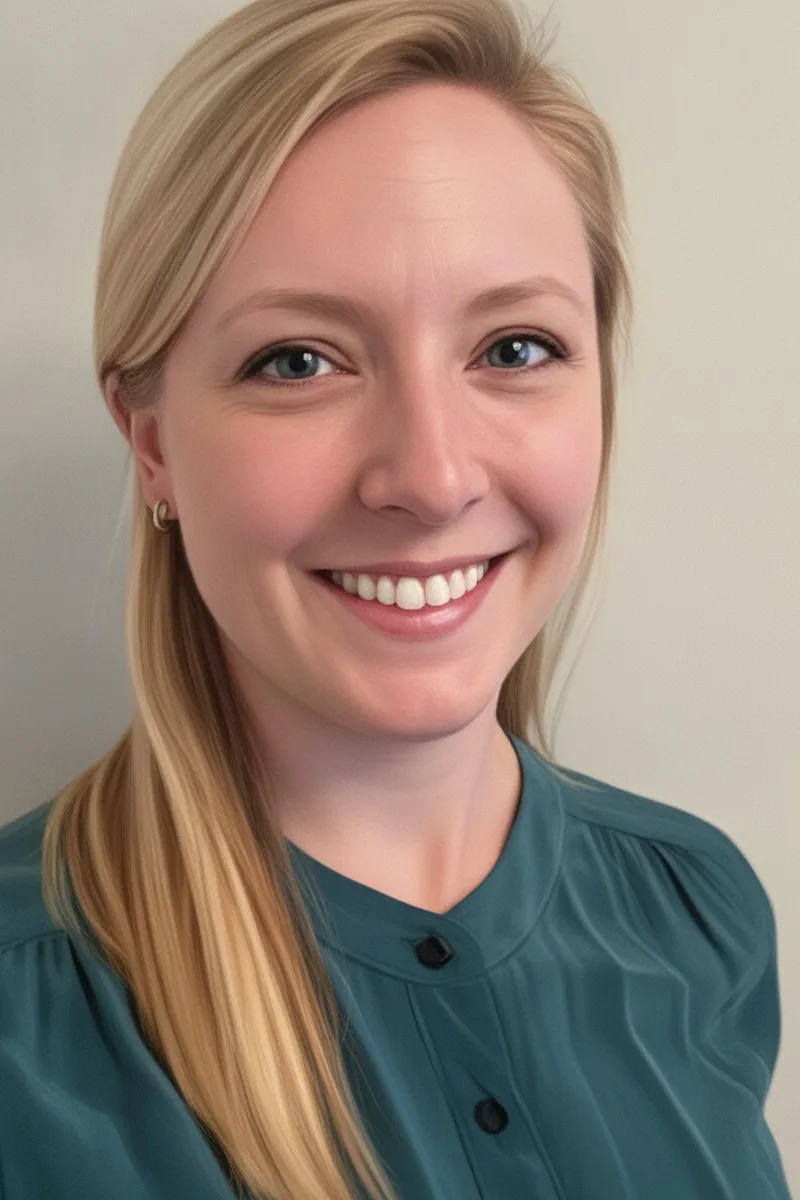
I am a graduate of Washington University in St Louis, where I received my Bachelor of Arts in History with minors in Humanities and Anthropology. Since graduation, I have worked as a tutor, teacher, a...
Education & Certificates
Simmons College
Masters, Special Education: Mild to Moderate Disabilities 5-12
Washington University in St. Louis
Bachelor of Arts in History (minors in Humanities and Anthropology)
ACT Scores
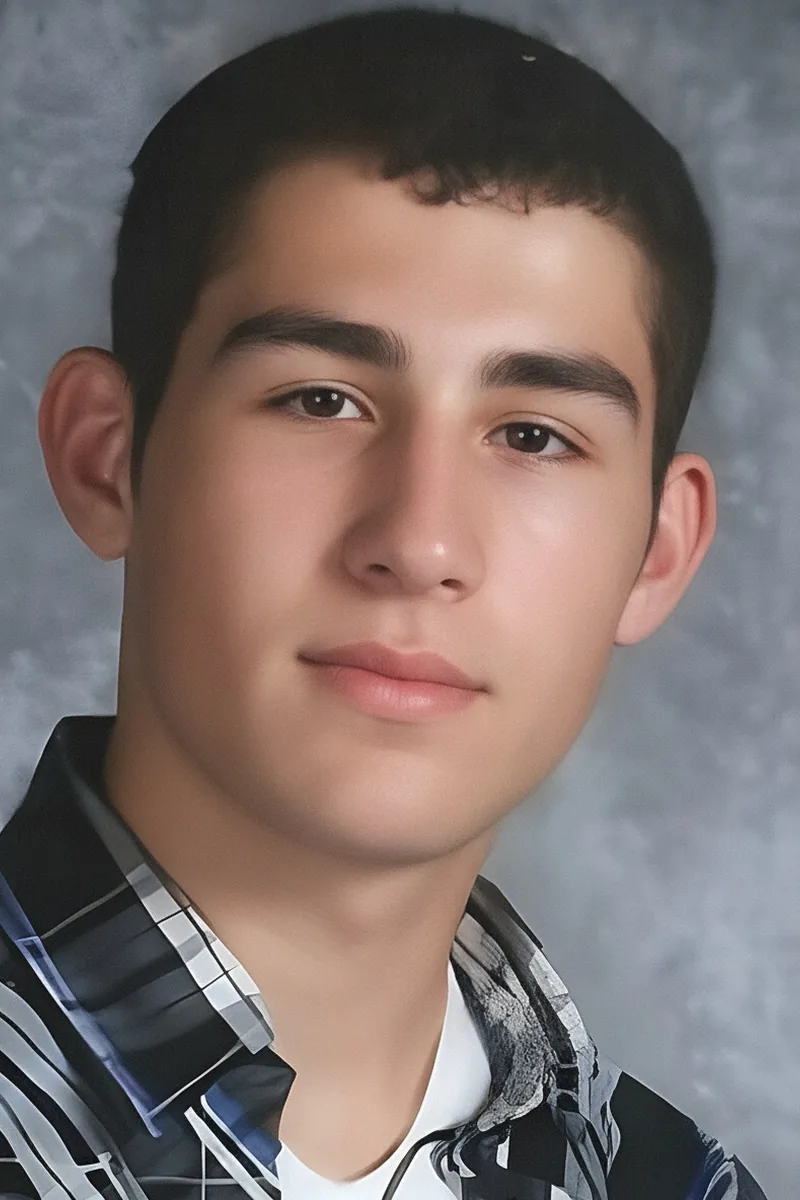
I am a rising sophomore at Harvard College and am about to declare as a Mechanical Engineering concentrator, working towards a Bachelor of Science degree. I've always enjoyed sharing my knowledge with...
Education & Certificates
Harvard College
Bachelor of Science, Mechanical Engineering
ACT Scores
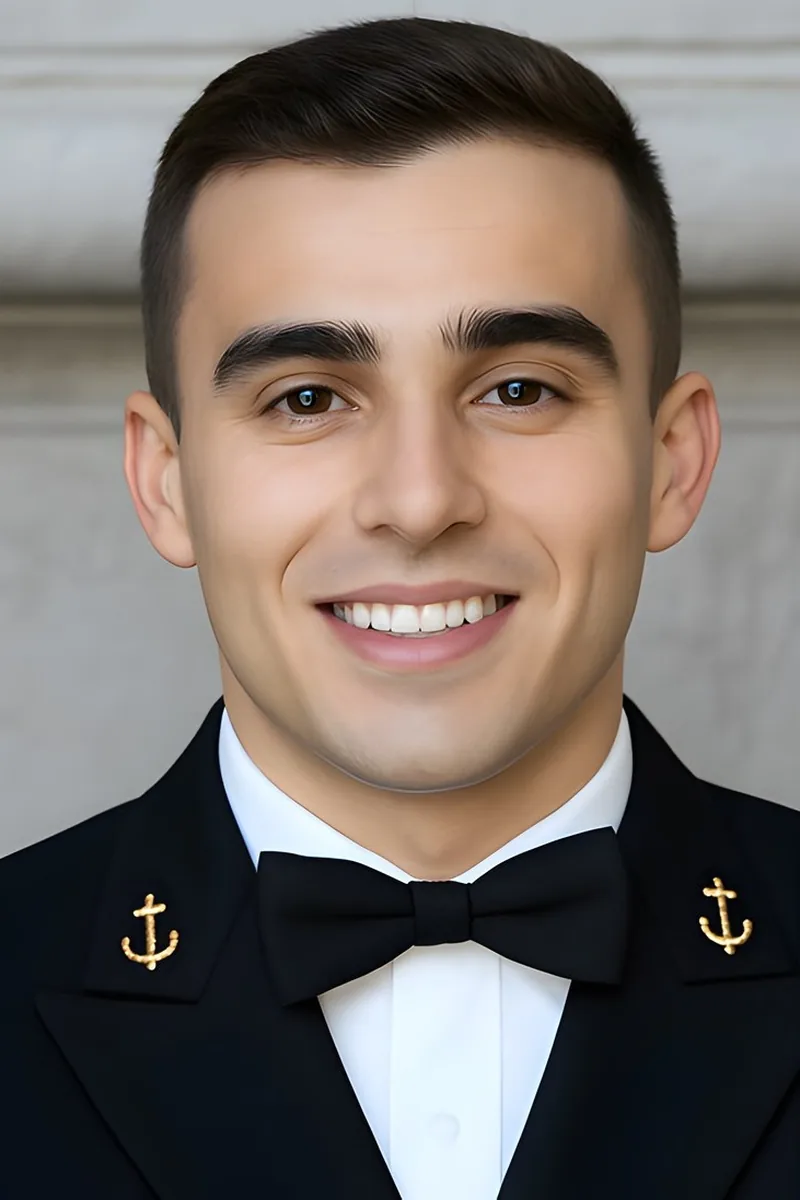
I am a junior Mechanical Engineering major at Yale, and I hope to become a Naval Aviator after college. I am also a varsity sailor, and enjoy playing music with friends when I can get some free time. ...
Education & Certificates
Yale University
Bachelor of Science, Mechanical Engineering
ACT Scores

I am proud to be a part of Varsity Tutors! I am originally from San Antonio, TX; I completed my undergraduate education at Rice University in Houston where I received a bachelor's degree in Biochemist...
Education & Certificates
Baylor College of Medicine
Current Grad Student, M.D.
Rice University
Bachelor's in Biochemistry and Cell Biology
SAT Scores
Frequently Asked Questions
The Reading Comprehension section consistently challenges students because it requires both speed and accuracy—you have limited time to read dense passages and answer questions that test inference, vocabulary in context, and main idea comprehension. The Quantitative Reasoning section trips up many students who haven't practiced the specific question formats, particularly those involving data interpretation and word problems that require multiple steps. The Writing sample, while unscored, often causes anxiety because students struggle to organize their thoughts quickly under time pressure. A tutor can identify which section is your specific weakness and develop targeted strategies to address it.
Pacing is one of the biggest obstacles on the ISEE because you have roughly 1.5-2 minutes per question depending on the section. The key is practicing with timed sections repeatedly so you develop an internal clock and learn which question types to tackle first versus which to return to. Many students benefit from a "triage" strategy: quickly identify easier questions and build confidence with those, then tackle harder questions with remaining time. A tutor can teach you how to recognize when you're spending too long on a single question and help you practice the discipline of moving forward strategically.
Vocabulary appears throughout the ISEE—in dedicated Verbal Reasoning questions and embedded in Reading Comprehension passages—making it a significant component of your score. However, memorizing random word lists is inefficient; instead, focus on words in context by reading challenging material and noting unfamiliar words, then learning how they're used. The ISEE also tests your ability to infer meaning from context, so practicing that skill matters as much as knowing definitions. A tutor can help you build a personalized vocabulary strategy that targets the word difficulty level you'll actually see on test day, rather than wasting time on obscure words that won't appear.
Most students benefit from taking 3-4 full-length practice tests spaced throughout their prep timeline—enough to identify patterns in your mistakes without burning out on test fatigue. Early in prep, focus on untimed or section-by-section practice to build skills; then move to timed full-length tests every 2-3 weeks as you get closer to test day. The real value comes from reviewing every single question you missed or found difficult, understanding why you got it wrong, and adjusting your strategy. A tutor can help you interpret your practice test results to pinpoint whether your errors stem from knowledge gaps, careless mistakes, or timing issues—each requires a different fix.
Test anxiety on the ISEE often stems from unfamiliarity with the format and question types, which tutoring directly addresses by building genuine competence and confidence through repeated exposure. When you've practiced the exact types of questions you'll see and developed strategies that work, anxiety naturally decreases because you know what to expect. A tutor can also teach you specific techniques like how to manage your breathing during the test, when to skip a question without panic, and how to use the scratch paper effectively to stay organized. Many students find that working 1-on-1 with a tutor who can normalize the difficulty and celebrate progress builds the mental resilience needed to perform well under pressure.
Score improvement depends heavily on your starting point and how much you practice—a student starting at the 40th percentile might improve 10-15 percentile points with consistent tutoring and practice over 8-12 weeks, while a student already at the 75th percentile may see smaller gains because there's less room to improve. The most significant gains typically come from fixing fundamental skill gaps and learning test-specific strategies rather than last-minute cramming. Realistic expectations matter: if you're aiming for a specific school's typical ISEE range, your tutor can help you understand what score you need and create a focused plan to reach it. Consistency matters more than intensity—regular sessions with homework practice between them produce better results than sporadic intensive sessions.
ISEE word problems test reading comprehension and mathematical reasoning simultaneously—you have to extract the relevant information from wordy scenarios, set up the problem correctly, and solve it under time pressure. Many students rush through reading the problem and misidentify what's being asked, or they set up the equation correctly but make a calculation error. The ISEE also includes multi-step problems where you need to find an intermediate answer before solving the final question, and students often stop after the first calculation. A tutor can teach you a systematic approach: read carefully, identify what you know and what you're solving for, write out your setup before calculating, and double-check that your answer makes sense in context.
Main idea questions ask you to identify the overall purpose or central point of a passage—the answer is usually explicitly stated or clearly supported by the passage's structure. Inference questions require you to read between the lines and draw conclusions based on evidence that isn't directly stated, which demands deeper analytical thinking and trips up many students. For example, a passage might describe a character's actions without saying they're nervous, but you'd need to infer nervousness from the evidence provided. A tutor can teach you the difference by having you practice identifying what the passage explicitly says versus what you can reasonably conclude, and showing you how to avoid over-inferencing (reading too much into the text) while still making valid logical connections.
Other Charlotte test prep
Let's find your perfect prep plan
Answer a few quick questions. We'll recommend the right plan and match you with a top 5% instructor.