Award-Winning AP Microeconomics Prep in Charlotte
Award-Winning AP Microeconomics Prep in Charlotte
Everything you need to crush the AP Microeconomics in Charlotte, NC. Live prep classes, practice tests, 1-on-1 expert tutoring, and AI-powered diagnostics.
Who needs prep?
No obligation. Takes ~1 minute.
Instructors from
- YaleUniversity
- PrincetonUniversity
- StanfordUniversity
- CornellUniversity
Featured by


AP Microeconomics Prep Classes
 Short-term classLive
Jump Start to AP & Honors Chemistry
Chemistry is the study of the properties, structures, and reactions of matter—and how substances transform through interactions at the atomic and molecular level. From the periodic table to chemical equations, each concept builds on the last—so the foundations you begin the school year with tend to shape the reactions, outcomes, and confidence you carry through every lab and lesson. In this live, interactive summer class you will learn and review the key building blocks for success in advanced high school chemistry classes, including AP, IB, and honors classes. From scientific principles to essential math concepts, you’ll cover everything you need to confidently conquer your most challenging fall class.
 Short-term classLive
Jump Start to AP & Honors Physics
Physics is the study of the fundamental forces and principles that govern how matter and energy interact in the universe. From motion and momentum to waves and electricity, each concept builds on the last—so the foundations you begin the school year with tend to govern your trajectory and velocity throughout the school year. In this live, interactive summer class you will learn and review the key building blocks for success in advanced high school physics classes, including AP, IB, and honors classes. From scientific principles to essential math concepts, you’ll cover everything you need to start your most challenging fall class with energy and momentum.
 Short-term classLive
Jump Start to AP Computer Science A
Computer Science is the study of how we use logic and code to solve problems and build the digital world around us. From variables and conditionals to classes and objects, each concept builds logically on the last—so the foundations you start with often determine how efficiently and confidently you can program throughout the year. In this live, interactive summer class, you’ll learn and review the key building blocks for success in advanced high school computer science courses, including AP Computer Science A. From core Java syntax to problem-solving strategies, you’ll cover everything you need to start this rigorous coding class with structure and logic.
 Short-term classLive
Jump Start to AP & Honors Biology
Biology is the study of the building blocks of life, how cells, systems, and processes interact to enable complex organisms to adapt and thrive. And just like living systems build from their foundations, your own biology knowledge builds concept by concept toward the complex skills you need for your labs and exams throughout the year. In this live, interactive summer class you will learn and review the key building blocks for success in advanced high school biology classes, including AP, IB, and honors classes. Armed with sound fundamentals you’ll be ready to hit the ground running in the new school year and thrive in your most challenging fall class.
Top-Rated AP Microeconomics Prep Instructors in Charlotte
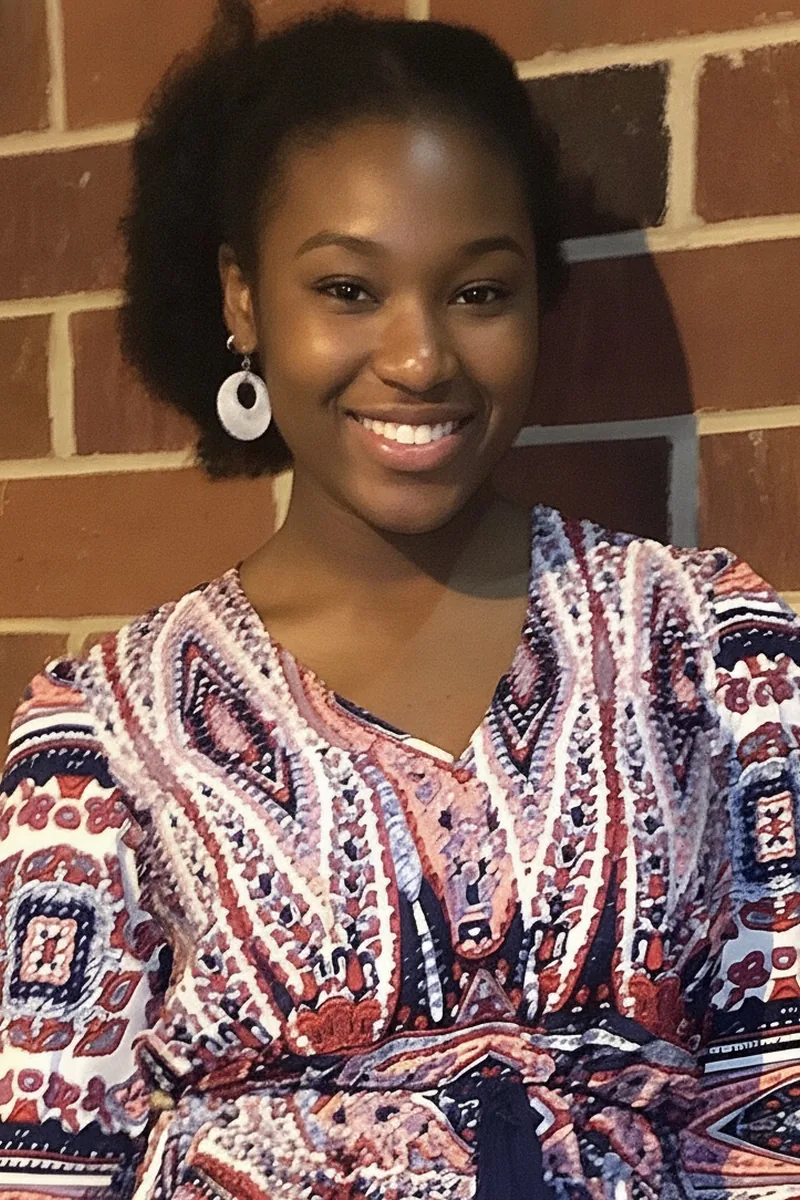
AP Microeconomics exams hinge on graph interpretation — students who can quickly sketch and label supply-demand shifts, cost curves, and market structures under time pressure score significantly bette...
Education & Certificates
Harvard University
Current Undergrad Student, Economics
ACT Scores

Rebecca's economics degree from UC Berkeley gives her a working command of the consumer theory, cost structures, and market models that run through both sections of the AP Microeconomics exam. She coa...
Education & Certificates
University of California-Berkeley
Bachelor of Economics, Economics
ACT Scores

I am an interdisciplinary educator with an Ed.M. from the Harvard Graduate School of Education and a B.A. from Dartmouth College. My background is primarily in integrated arts learning and museum educ...
Education & Certificates
Harvard University
Masters in Education, Education
Dartmouth College
B.A.
SAT Scores
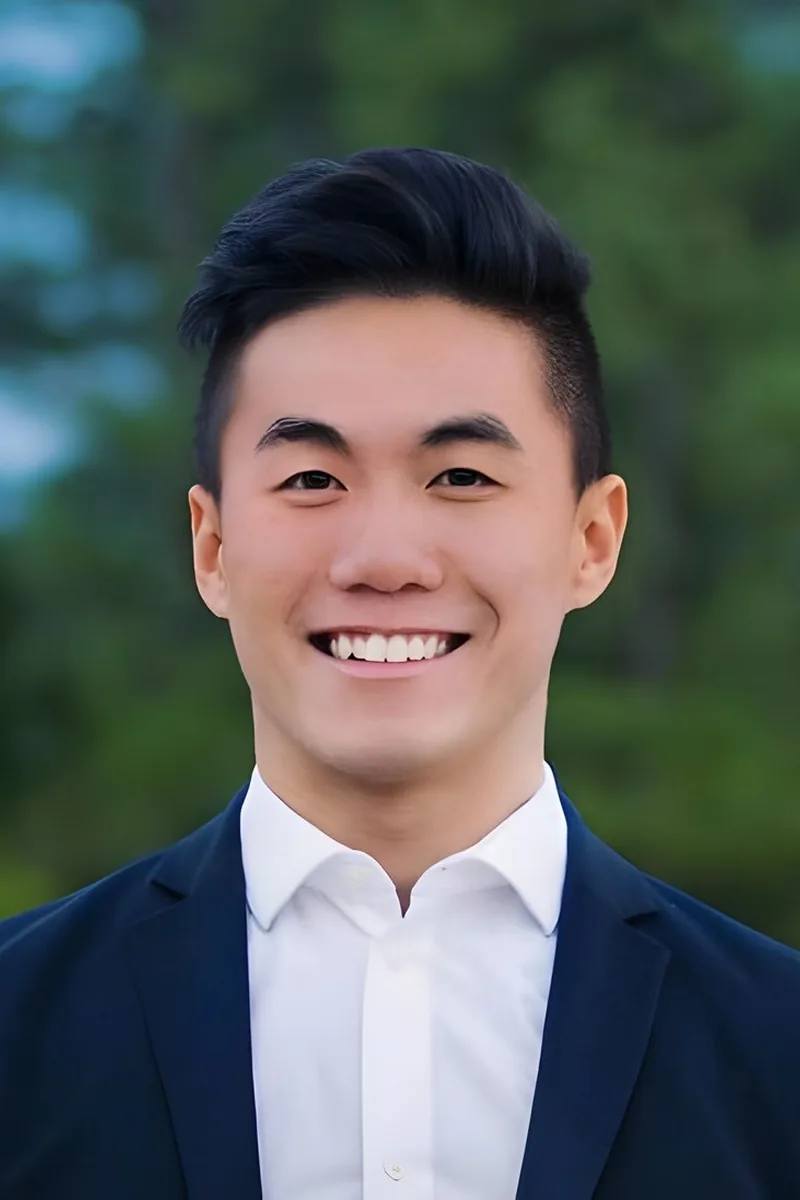
I'm not tutoring or buried in my textbooks, you will either find me rock climbing at the Triangle Rock Club, playing Ultimate Frisbee, working on my car, or enjoying the great outdoors (beaches, mount...
Education & Certificates
The University of Texas at Dallas
Bachelors, Mechanical Engineering
Duke University
Current Grad Student, Mechanical Engineering
SAT Scores

I am a recent graduate from a masters program in biostatistics at Columbia University. I received my Bachelor of Arts in biological sciences, with a focus in neurobiology at Northwestern University. I...
Education & Certificates
Columbia University
Masters in biostatistics
Northwestern University
Bachelor of Arts in biological sciences (focus in neurobiology)
SAT Scores

I am a graduate of Wesleyan University, where I received my Bachelor of Arts in Sociology with High Honors. With eight years of experience working in education, I've tutored students in math, science,...
Education & Certificates
Harvard University
PHD, Education
Wesleyan University
Bachelor in Arts, Sociology
ACT Scores

I am a junior Mechanical Engineering major at Yale, and I hope to become a Naval Aviator after college. I am also a varsity sailor, and enjoy playing music with friends when I can get some free time. ...
Education & Certificates
Yale University
Bachelor of Science, Mechanical Engineering
ACT Scores

I'm Solange - a recent graduate from Harvard where I studied Sociology & Women's Studies. I've been tutoring for eight years now, and have worked with a wide range of ages and in a wide range of subje...
Education & Certificates
Harvard University
Bachelor in Arts (Sociology & Women's Studies)
ACT Scores

I am proud to be a part of Varsity Tutors! I am originally from San Antonio, TX; I completed my undergraduate education at Rice University in Houston where I received a bachelor's degree in Biochemist...
Education & Certificates
Baylor College of Medicine
Current Grad Student, M.D.
Rice University
Bachelor's in Biochemistry and Cell Biology
SAT Scores
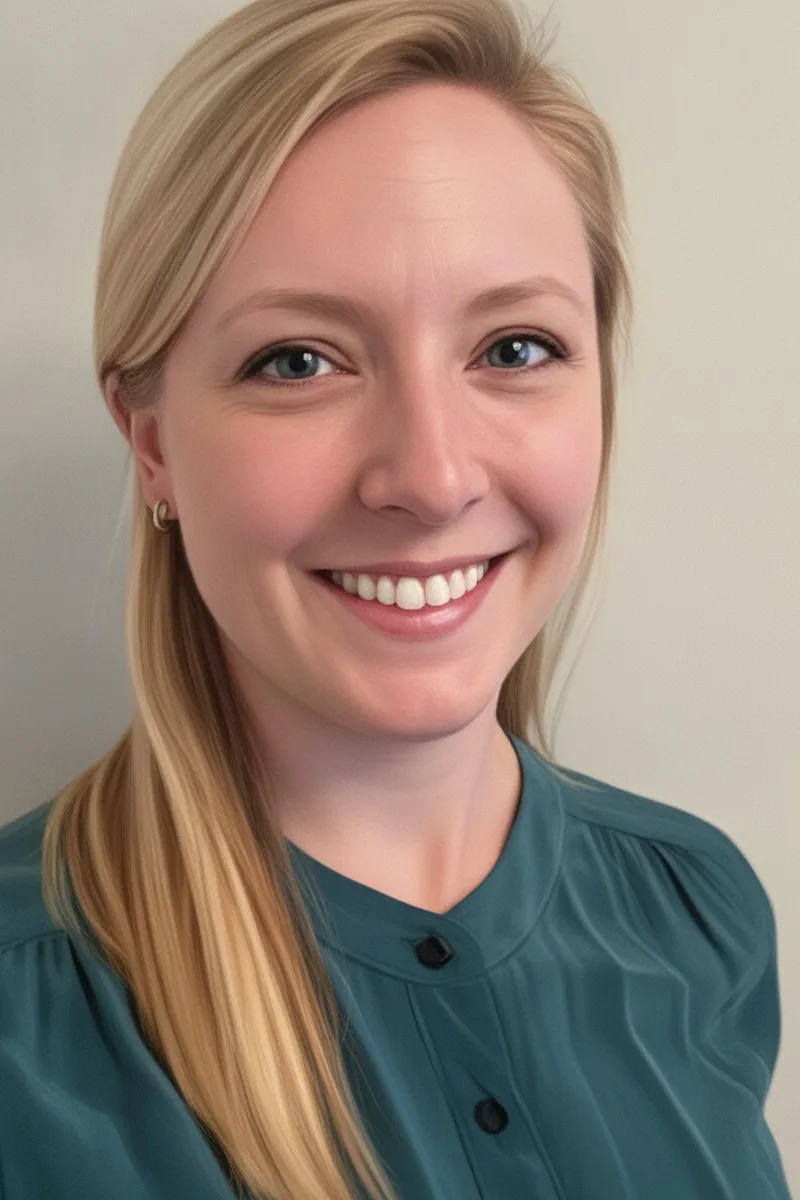
I am a graduate of Washington University in St Louis, where I received my Bachelor of Arts in History with minors in Humanities and Anthropology. Since graduation, I have worked as a tutor, teacher, a...
Education & Certificates
Simmons College
Masters, Special Education: Mild to Moderate Disabilities 5-12
Washington University in St. Louis
Bachelor of Arts in History (minors in Humanities and Anthropology)
ACT Scores
Frequently Asked Questions
Students typically find elasticity concepts, consumer and producer surplus calculations, and game theory the most difficult. Elasticity requires understanding not just the formula but how to interpret price elasticity of demand across different scenarios—many students calculate the number but misinterpret what it means for real-world pricing decisions. Game theory questions, particularly those involving dominant strategies and Nash equilibrium, demand both conceptual understanding and strategic thinking that doesn't come naturally to all learners. Additionally, the shift between individual market analysis and firm-level decision-making trips up many students who haven't internalized how marginal revenue relates to demand in imperfect competition.
Graph literacy is essential since the AP exam heavily tests your ability to identify shifts in supply and demand curves, recognize deadweight loss, and analyze changes in consumer/producer surplus visually. A tutor can help you develop a systematic approach: first identify what's on each axis and what the curves represent, then determine what's shifting and why, and finally predict the impact on equilibrium price and quantity. Practice with real exam questions while narrating your thought process helps catch common mistakes like confusing a movement along a curve with a shift of the curve itself, or misidentifying which area represents deadweight loss in monopoly or tax scenarios.
The AP Microeconomics exam gives you 70 minutes for 60 multiple-choice questions (about 70 seconds per question) and 60 minutes for 3 free-response questions. Most students should spend roughly 45-50 minutes on multiple choice to leave adequate time for the FRQs, which require drawing graphs, labeling axes, and writing clear explanations—rushing these costs points. A tutor can help you practice under timed conditions to identify which question types consume your time and develop strategies like skipping difficult MC questions initially and returning to them, or knowing when to move on from a graph rather than redrawing it multiple times.
FRQs typically ask you to analyze a scenario using economic concepts, often requiring a correctly labeled graph plus written explanation. Start by identifying what the question is really asking—is it about market structure, pricing strategy, or policy impact?—then plan your graph before drawing it (decide your axes, curves, and labels). Many students lose points for unlabeled axes or incomplete graphs; taking 30 seconds to plan prevents redrawing. Your written explanation should connect the graph to the economic concept: don't just describe what shifted, explain *why* it shifted and what that means for price, quantity, and consumer/producer welfare.
Take full-length practice tests under exam conditions and analyze your wrong answers by category: Are you missing questions about perfect competition? Monopoly? Price controls? Externalities? This reveals patterns rather than random mistakes. A tutor can help you distinguish between conceptual gaps (you don't understand why price ceilings create shortages) versus execution errors (you understand the concept but mislabeled your graph). Once identified, weak areas require targeted practice—if you struggle with elasticity, work through 10-15 problems specifically on that topic before moving on, using spaced repetition to reinforce the skill over time.
Anxiety often stems from feeling unprepared or encountering unfamiliar question formats. Tutoring builds confidence through repeated exposure to different question types and scenarios—when you've seen and solved similar problems before, the actual exam feels less intimidating. A tutor can also teach you specific test-day strategies like reading questions carefully before looking at answer choices, identifying what economic principle each question tests, and managing time so you don't feel rushed. Practicing under timed conditions with a tutor helps you develop a calm, systematic approach rather than panic-driven guessing.
Score improvement depends on your starting point and effort level. Students who are scoring 2-3 and have significant conceptual gaps typically see the largest gains—often 1-2 score points—when they commit to regular tutoring and practice. Students already scoring 4-5 may improve by a partial point through refinement of FRQ writing and graph precision. Realistic improvement requires consistent practice between sessions; tutoring is most effective when combined with your own problem-solving work. The national average AP Microeconomics score is around 2.7, so reaching a 3 (passing) or 4 (college credit-eligible) represents meaningful progress.
An effective AP Microeconomics tutor understands not just the content but how students typically misunderstand it—knowing that students confuse normal profit with economic profit, or that they struggle to apply the same demand curve logic to different market structures. They should be able to quickly diagnose whether your error is conceptual or graphical, and explain abstract concepts like deadweight loss or Nash equilibrium using concrete examples. Strong tutors also stay current with recent AP exam trends and know which topics appear most frequently, helping you prioritize your study time toward high-impact areas.
Other Charlotte test prep
Let's find your perfect prep plan
Answer a few quick questions. We'll recommend the right plan and match you with a top 5% instructor.