Achieve a top score with Award-Winning CLEP English Literature Prep
Achieve a top score with Award-Winning CLEP English Literature Prep
Everything you need to crush the CLEP English Literature. Live prep classes, practice tests, 1-on-1 expert tutoring, and AI-powered diagnostics to help you reach your target score.
Universities
Delivered
Proficiency
Who needs prep?
No obligation. Takes ~1 minute.
Instructors from
- YaleUniversity
- PrincetonUniversity
- StanfordUniversity
- CornellUniversity
Featured by


Award-Winning CLEP English Literature Prep Classes
 Short-term classLive
Storyteller's Studio
Everyone loves a good story. So what turns a reader or talker into an author? Drop in to the storyteller’s studio to find out! Each week, learners will examine key elements of a story, explore the components of their favorite tales, and learn to use these elements to create their own characters and stories. Tell your young author to bring their imagination; these sessions will show them how to turn it into art.
 Short-term classLive
Building Blocks of 2nd Grade Reading
The school year moves quickly, with so many skills to cover and even more opportunities for learning gaps to emerge. But reading is a building block subject: fluency is necessary for comprehension, and comprehension is necessary for just about all other learning in a student’s life. It is therefore critical for students to address and fill reading learning gaps quickly and to continually strengthen these foundations for future learning. That’s why Building Blocks of 2nd Grade Reading meets weekly to give learners the instruction and repetition they need to master building block skills permanently. Each week, an expert instructor will lead students through engaging demonstrations and exercises designed to fill in learning gaps and solidify understanding of the 2nd grade reading skills–such as reading to determine main idea, understanding non-literal vocabulary and using context and root words to determine meaning–most essential for success the rest of the school year and beyond.
 Short-term classLive
Building Blocks of 1st Grade Reading
The school year moves quickly, with so many skills to cover and even more opportunities for learning gaps to emerge. But reading is a building block subject: fluency is necessary for comprehension, and comprehension is necessary for just about all other learning in a student’s life. It is therefore critical for students to address and fill reading learning gaps quickly and to continually strengthen these foundations for future learning. That’s why Building Blocks of 1st Grade Reading meets weekly to give learners the instruction and repetition they need to master building block skills permanently. Each week, an expert instructor will lead students through engaging demonstrations and exercises designed to fill in learning gaps and solidify understanding of the 1st grade reading skills–such as reading to determine how characters respond to events, compare and contrast versions of stories, use context clues to determine word meanings, and understand and comprehend text–most essential for success the rest of the school year and beyond.
 Short-term classLive
Building Blocks of 8th Grade Reading & Writing
The school year moves quickly, with so many skills to cover and even more opportunities for learning gaps to emerge. But reading and writing are building block subjects: not only are advanced skills built atop fundamentals, but a student’s ability to read and write is essential for their success in other classes, too. It is therefore critical for students to address and fill reading learning gaps quickly and to continually strengthen these foundations for future learning. That’s why Building Blocks of 8th Grade Reading & Writing meets weekly to give learners the instruction and repetition they need to master building block skills permanently. Each week, an expert instructor will lead students through engaging demonstrations and exercises designed to fill in learning gaps and solidify understanding of the 8th grade literacy skills–such as writing well-developed arguments and narratives, identifying and using rhetorical structures, and reading for theme and main idea–most essential for success the rest of the school year and beyond.
 Short-term classLive
Summer Learning: Bridging the Gap to 8th Grade Reading
Beat the summer slide and give your rising 8th-grader a running start into the school year with Bridging the Gap reading classes this summer. In this class, students will review the most important building block skills from 7th grade and get advanced practice with the new skills they’ll encounter in the early months of 8th grade this fall. Bridging the Gap to 8th Grade Reading will emphasize interpreting words based on Greek and Latin roots and identifying an authors’ primary purpose and point of view, preparing students for identifying rhetorical structures within complex texts and reading to find the main idea and theme of informational and literary texts in the school year to come.
 Short-term classLive
Building Blocks of 7th Grade Reading & Writing
The school year moves quickly, with so many skills to cover and even more opportunities for learning gaps to emerge. But reading and writing are building block subjects: not only are advanced skills built atop fundamentals, but a student’s ability to read and write is essential for their success in other classes, too. It is therefore critical for students to address and fill reading learning gaps quickly and to continually strengthen these foundations for future learning. That’s why Building Blocks of 7th Grade Reading & Writing meets weekly to give learners the instruction and repetition they need to master building block skills permanently. Each week, an expert instructor will lead students through engaging demonstrations and exercises designed to fill in learning gaps and solidify understanding of the 7th grade literacy skills–such as distinguishing between connotations of similar words, determining and analyzing an author’s point of view, and writing argumentative essays–most essential for success the rest of the school year and beyond.
 Short-term classLive
Learn to Love Public Speaking
Many people would list public speaking among their biggest fears, alongside sharks, snakes, and heights. But it doesn’t have to be that way! With practice and confidence, your student can learn to love public speaking. In weekly sessions, they’ll learn how to confidently prepare for and deliver speeches, and how to initiate and lead conversations. Each week will focus on a different technique or type of speech, led by an expert instructor who–by nature of the job–has learned to love public speaking.
 Short-term classLive
Summer Learning: Bridging the Gap to 4th Grade Reading
Beat the summer slide and give your rising 4th-grader a running start into the school year with Bridging the Gap reading classes this summer. In this class, students will review the most important building block skills from 3rd grade and get advanced practice with the new skills they’ll encounter in the early months of 4th grade this fall. Bridging the Gap to 4th Grade Reading will emphasize using context clues and root words to get “unstuck” when confronted with new vocabulary and reading for the main idea of a passage, preparing students for identifying and describing different genres of writing and understanding figurative language such as similes and metaphors in the school year to come.
 Short-term classLive
Summer Learning: Bridging the Gap to 5th Grade Reading
Beat the summer slide and give your rising 5th-grader a running start into the school year with Bridging the Gap reading classes this summer. In this class, students will review the most important building block skills from 4th grade and get advanced practice with the new skills they’ll encounter in the early months of 5th grade this fall. Bridging the Gap to 5th Grade Reading will emphasize understanding and using figurative language and identifying and describing different genres of writing, preparing students for comparing and contrasting multiple texts and understanding vocabulary in context in the school year to come.
 Short-term classLive
Summer Learning: Bridging the Gap to 3rd Grade Reading
Beat the summer slide and give your rising 3rd-grader a running start into the school year with Bridging the Gap reading classes this summer. In this class, students will review the most important building block skills from 2nd grade and get advanced practice with the new skills they’ll encounter in the early months of 3rd grade this fall. Bridging the Gap to 3rd Grade Reading will emphasize using context clues to determine the meaning of words and reading to understand how characters react to events within stories, preparing students for reading to find the main idea of a passage and using root words and context clues to decipher unknown words in the school year to come.
 Short-term classLive
Fantasy Writing Bootcamp
Join author Carly Stevens for a four-part writing intensive designed to level up your fantasy or sci-fi storytelling! Over the course of a month, you’ll dive deep into the craft of building immersive worlds, creating unique and believable magic systems, and navigating complex narratives with multiple points of view and large casts of characters. Each session will focus on a key element of speculative fiction, culminating in techniques for writing thrilling, high-stakes action scenes that keep readers on the edge of their seats. With personalized guidance and practical tips, Carly will help you sharpen your skills and bring your epic ideas to life. Whether you're drafting your first novel or refining a current project, this intensive is your chance to take your fantasy writing to the next level! What you will learn: •Creating a fantasy/sci-fi world. •Writing magic systems. •How to handle multiple points of view and a big cast of characters. •How to write amazing action About Carly A self-described English Nerd, Carly is an author and English teacher whose AP English Literature videos have over 1 million views on YouTube. As an indie author, her life revolves around stories and she writes dark and immersive books about finding hope against all odds. And she is passionate about sharing her knowledge of writing and literature by creating YouTube study videos for challenging literature courses and presenting for audiences like Pikes Peak Writers, Scribophile, and Sisters in Crime.
 Short-term classLive
Building Blocks of 6th Grade Reading & Writing
The school year moves quickly, with so many skills to cover and even more opportunities for learning gaps to emerge. But reading and writing are building block subjects: not only are advanced skills built atop fundamentals, but a student’s ability to read and write is essential for their success in other classes, too. It is therefore critical for students to address and fill reading learning gaps quickly and to continually strengthen these foundations for future learning. That’s why Building Blocks of 6th Grade Reading & Writing meets weekly to give learners the instruction and repetition they need to master building block skills permanently. Each week, an expert instructor will lead students through engaging demonstrations and exercises designed to fill in learning gaps and solidify understanding of the 6th grade literacy skills–such as evaluating an author’s claims and evidence, interpreting figures of speech, and applying proper grammatical structures in writing–most essential for success the rest of the school year and beyond.
Top-Rated CLEP English Literature Prep Instructors

My journey to and through education is a long one because I am a life learner. I received my B.S. in Business from Judson College in Marion, AL. A few years later I went to the University of Alabama a...
Education & Certificates
University of West Alabama
MED
The University of Alabama
MED
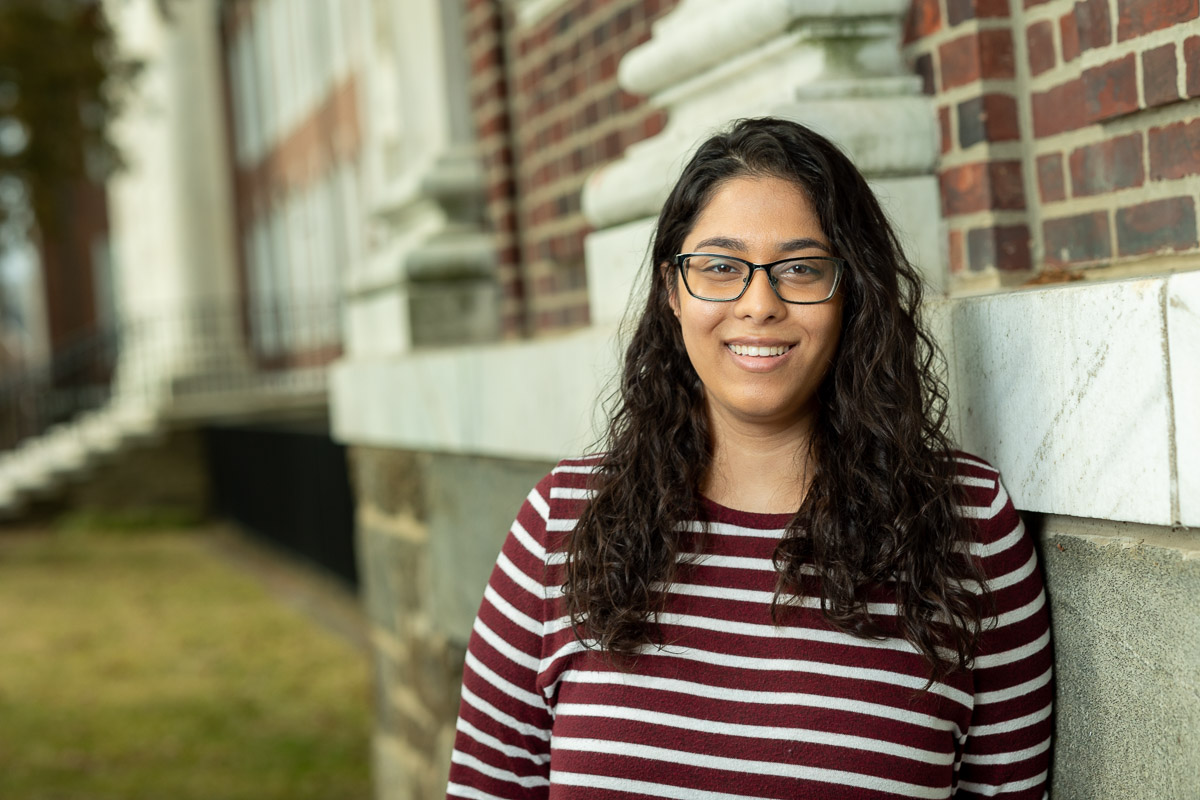
I am a certified high school English teacher with five years of tutoring experience. My students range from ages 7-19, from elementary school to college level. I am highly qualified to tutor for any E...
Education & Certificates
Rowan University
MED
I am a high school English teacher who loves to read. I have been teaching high school for twelve years in Houston and Atlanta. I enjoy helping my students with college and scholarship essays and appl...
Education & Certificates
Georgia State University
Masters in Education, English Education
Univeristy of New Mexico
Bachelor in Arts, English
I am a passionate educator who has experience as MS English Teacher and HS English teacher including courses such as 9th grade Writing honors, 9th grade English, 10th grade English, 11th grade English...
Education & Certificates
Boston College
Masters in Education, Curriculum and Instruction
Boston College
Bachelor in Arts, English

As a passionate educator with a Master's in Writing from Columbia College Chicago and a Master's in Library Science, I have over a decade of library and research experience with additional experience ...
Education & Certificates
Columbia College Chicago
Master's/Graduate

As a passionate educator with a Bachelor's in English from Millersville University of Pennsylvania, I have over 3 years of teaching experience at the elementary, high school and college level. I speci...
Education & Certificates
Millersville University of Pennsylvania
Bachelor's

I graduated from Ransom Everglades School and am currently working on my BA at Haverford College. I've taught over the last five summers in a bilingual school in Spain, and done some essay-writing tut...
Education & Certificates
University
Bachelor's

As an enthusiastic educator with a Doctorate in English from the University of Arizona, I have about 20 years of experience in both tutoring and classroom instruction. My expertise encompasses a varie...
Education & Certificates
University
Bachelor's

As a passionate tutor with a Bachelor's degree in English Language and Literature from the University of Maryland, I am dedicated to fostering a love for literature and writing in my students. With ov...
Education & Certificates
University
Bachelor's

I am an educator with a Master's degree in Shakespeare and Performance, with experience teaching and tutoring a range of subjects, including AP English Literature and Composition, Creative Writing, an...
Education & Certificates
Mary Baldwin College
Master's/Graduate
Frequently Asked Questions
The CLEP English Literature exam spans British and American literature from the Middle Ages through the 20th century, with heavy emphasis on the Victorian, Romantic, and Modern periods. You'll encounter canonical works like Shakespeare's plays, Romantic poetry (Wordsworth, Keats, Byron), Victorian novels (Dickens, the Brontës), and American literature (Hawthorne, Melville, Twain). The exam also tests drama, poetry, and prose fiction equally, so students often need targeted help understanding dramatic structure or analyzing poetic devices—areas they may not have studied in depth in high school.
The exam uses multiple-choice questions that test both comprehension and literary analysis. Students typically struggle most with questions asking you to identify literary devices or interpret a passage's tone—these require close reading skills that go beyond just understanding plot. Many test-takers rush through passages or miss subtle contextual clues that distinguish between similar answer choices. A tutor can help you develop a systematic approach to annotating passages and recognizing how devices like irony, metaphor, and symbolism function within specific works.
The CLEP English Literature exam gives you 90 minutes for approximately 100 questions, which means you'll need to work efficiently without rushing. Most students benefit from spending 3-5 minutes per passage and related questions, leaving time for review. A realistic study timeline depends on your starting point: students with solid high school English backgrounds typically need 4-6 weeks of focused preparation, while those returning to academics after time away may benefit from 8-10 weeks. Consistent weekly study with practice passages and timed sections is more effective than cramming.
Start with a full-length practice test to establish a baseline and reveal patterns in your errors. Most students find they struggle with specific areas—perhaps medieval or Renaissance literature, poetry analysis, or identifying unreliable narrators. Once you pinpoint these gaps, targeted review becomes much more efficient. A tutor can help you analyze your practice test results to distinguish between careless mistakes and genuine knowledge gaps, then build a focused study plan that addresses your specific weaknesses rather than reviewing material you already know well.
Poetry requires you to understand both the literal meaning and the technical devices—meter, rhyme scheme, imagery, and figurative language all work together to create meaning. Many students read poetry passively without analyzing how form supports content, which makes it hard to answer questions about the poet's purpose or tone. Effective preparation involves close reading practice where you annotate poems for devices and paraphrase difficult lines, then discuss how those elements contribute to the overall effect. This active engagement with poems, rather than just reading them once, builds the analytical skills the exam requires.
Context matters, but the exam prioritizes your ability to analyze the text itself rather than recite historical facts. That said, understanding that Victorian novels often grapple with industrialization or that Romantic poets valued emotion and nature helps you interpret themes and author's purpose more accurately. The key is learning context strategically—focus on major historical movements (Renaissance, Enlightenment, Romanticism, Modernism) and how they shaped literary concerns, rather than memorizing every author's biography. A tutor can help you connect context to specific passages so you're using background knowledge to strengthen your analysis, not just accumulating facts.
CLEP scores range from 20-80, with 50 typically representing passing. Most students who start at 40-45 and commit to 6-8 weeks of focused preparation can reach 55-65 with consistent effort. Larger jumps (15+ points) usually require addressing fundamental gaps in literary analysis skills or test-taking strategy, not just content review. Your improvement depends on your starting point, consistency with practice, and willingness to apply feedback. A tutor can help you set realistic milestones—like mastering Shakespearean analysis in week two or improving your passage-reading speed by week four—so you see measurable progress throughout your preparation.
Test anxiety often spikes when you encounter a passage from an unfamiliar work, but the exam is designed so you can answer questions using close reading skills alone—you don't need to have read every work beforehand. Building confidence comes from practicing with diverse passages and learning that you can analyze unfamiliar texts by focusing on the language, structure, and literary devices present in the passage itself. A tutor can help you develop a calming test-taking routine: reading the questions first to know what to look for, annotating actively, and trusting your analytical skills. Regular timed practice sessions also reduce anxiety by making the exam format feel familiar and manageable.
Let's find your perfect prep plan
Answer a few quick questions. We'll recommend the right plan and match you with a top 5% instructor.