AP Microeconomics Flashcards: Externalities

Study Externalities in AP Microeconomics with focused flashcards that help you recognize the idea, recall the key rule, and apply it in practice-style prompts.

AP Microeconomics

Externalities

0 mastered0 still learning

0% Complete

QUESTION
1/ 74

What is the impact of negative externalities on social welfare?

Tap card or press Space to flip

ANSWER

They decrease social welfare. Harmful spillover effects reduce overall social well-being.

How well did you know it?

Card 1 / 74

What this deck covers

This deck focuses on Externalities, giving you a quick way to review the definitions, rules, and examples that matter most for AP Microeconomics.

How to use these flashcards

Work through these flashcards in short sessions. Try to answer each prompt before flipping the card, then revisit any cards you miss until the explanation feels automatic.

All flashcards

Flashcard 1: What is the impact of negative externalities on social welfare?

Answer: They decrease social welfare. Harmful spillover effects reduce overall social well-being.

Flashcard 2: Identify a benefit of internalizing externalities.

Answer: Improved market efficiency. Resources are allocated to their most socially beneficial uses.

Flashcard 3: Which type of externality is associated with overproduction?

Answer: Negative externality. Social costs exceed private costs, leading to excessive market production.

Flashcard 4: Identify a government intervention for negative externalities.

Answer: Regulation. Direct government rules can limit harmful external effects.

Flashcard 5: Which diagram is used to illustrate externalities?

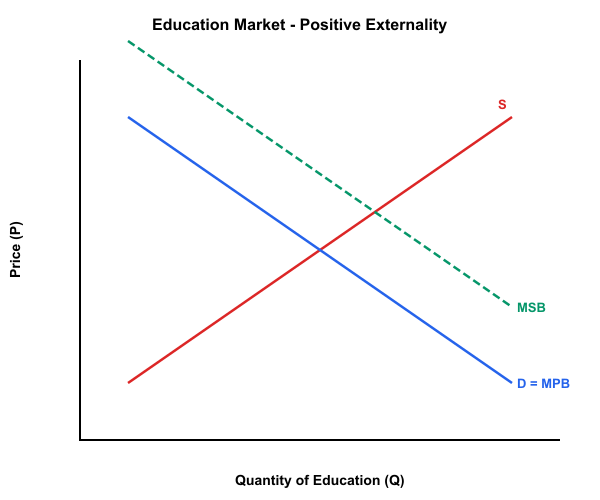
Answer: Supply and demand diagrams. Shows how external effects shift social costs or benefits from private ones.

Flashcard 6: What is market failure?

Answer: A situation where the market does not allocate resources efficiently. Resources are not allocated to their highest-valued uses.

Flashcard 7: What role do property rights play in externalities?

Answer: Well-defined property rights can help resolve externalities. Clear ownership allows parties to negotiate solutions to external effects.

Flashcard 8: What is the impact of externalities on the allocation of resources?

Answer: They lead to inefficient allocation of resources. External effects cause resources to go to suboptimal uses.

Flashcard 9: Which option is a market-based approach to handling externalities?

Answer: Tradable permits. Allows firms to buy and sell rights to create externalities.

Flashcard 10: What is the impact of positive externalities on social welfare?

Answer: They increase social welfare. Beneficial spillover effects enhance overall social well-being.

Flashcard 11: State a reason why markets fail to address externalities.

Answer: Lack of information about external costs or benefits. Market prices don't reflect true social costs and benefits.

Flashcard 12: What is the effect of externalities on consumer surplus?

Answer: Externalities can reduce consumer surplus by distorting prices. Inefficient pricing due to unaccounted external costs or benefits.

Flashcard 13: Which option is a market-based approach to handling externalities?

Answer: Tradable permits. Allows firms to buy and sell rights to create externalities.

Flashcard 14: What is meant by 'internalizing an externality'?

Answer: Adjusting incentives so that private costs or benefits reflect social costs or benefits. Making decision-makers face the full social costs and benefits of their actions.

Flashcard 15: What is an example of a policy to correct positive externalities?

Answer: Public funding for education. Government support increases beneficial activities that create positive spillovers.

Flashcard 16: Which type of externality is associated with underproduction?

Answer: Positive externality. Social benefits exceed private benefits, leading to insufficient market production.

Flashcard 17: What is the impact of negative externalities on social welfare?

Answer: They decrease social welfare. Harmful spillover effects reduce overall social well-being.

Flashcard 18: Identify a solution for positive externalities.

Answer: Subsidies. Government payments encourage activities with positive spillover benefits.

Flashcard 19: What is the primary goal of environmental regulation?

Answer: To reduce negative externalities such as pollution. Limits harmful environmental spillover effects on society.

Flashcard 20: State the effect of a subsidy on the supply curve.

Answer: A subsidy shifts the supply curve to the right. Lower production costs increase quantity supplied at each price level.

Flashcard 21: What is the effect of externalities on producer surplus?

Answer: Externalities can reduce producer surplus due to inefficient production levels. Market distortions prevent optimal production and profit levels.

Flashcard 22: Which diagram is used to illustrate externalities?

Answer: Supply and demand diagrams. Shows how external effects shift social costs or benefits from private ones.

Flashcard 23: Which policy can correct a negative externality?

Answer: Pigovian tax. Increases costs for producers generating negative externalities.

Flashcard 24: Which term describes the cost of transactions necessary for market exchange?

Answer: Transaction costs. The expenses of negotiating and enforcing agreements between parties.

Flashcard 25: How does a tax on negative externalities affect the supply curve?

Answer: It shifts the supply curve to the left. Higher costs reduce quantity supplied at each price level.

Flashcard 26: What is a Pigovian tax?

Answer: A tax imposed on activities that generate negative externalities. Forces producers to internalize external costs they create.

Flashcard 27: What is required for tradable permits to be effective?

Answer: A well-defined cap on the total level of externality. Permits only work with enforceable limits on total pollution allowed.

Flashcard 28: What is a common example of a positive externality?

Answer: Education. Benefits society beyond the individual receiving education.

Flashcard 29: What is meant by 'internalizing an externality'?

Answer: Adjusting incentives so that private costs or benefits reflect social costs or benefits. Making decision-makers face the full social costs and benefits of their actions.

Flashcard 30: What is the Coase Theorem?

Answer: It states that private parties can solve externalities if transaction costs are low. Assumes parties can negotiate without government intervention if conditions are met.

Flashcard 31: Which type of externality is associated with underproduction?

Answer: Positive externality. Social benefits exceed private benefits, leading to insufficient market production.

Flashcard 32: Which term describes the cost of transactions necessary for market exchange?

Answer: Transaction costs. The expenses of negotiating and enforcing agreements between parties.

Flashcard 33: Identify a characteristic of a negative externality.

Answer: It imposes an external cost on third parties. Negative externalities create harmful spillover effects on society.

Flashcard 34: What is the impact of positive externalities on social welfare?

Answer: They increase social welfare. Beneficial spillover effects enhance overall social well-being.

Flashcard 35: What is a Pigovian tax?

Answer: A tax imposed on activities that generate negative externalities. Forces producers to internalize external costs they create.

Flashcard 36: What is the primary goal of environmental regulation?

Answer: To reduce negative externalities such as pollution. Limits harmful environmental spillover effects on society.

Flashcard 37: What is the role of government in managing externalities?

Answer: To implement policies that internalize externalities. Governments can correct market failures through taxes, subsidies, or regulation.

Flashcard 38: What is the impact of externalities on the allocation of resources?

Answer: They lead to inefficient allocation of resources. External effects cause resources to go to suboptimal uses.

Flashcard 39: Identify a government intervention for negative externalities.

Answer: Regulation. Direct government rules can limit harmful external effects.

Flashcard 40: What is the effect of externalities on consumer surplus?

Answer: Externalities can reduce consumer surplus by distorting prices. Inefficient pricing due to unaccounted external costs or benefits.

Flashcard 41: What is a common example of a negative externality?

Answer: Pollution. Harms third parties not involved in the polluting activity.

Flashcard 42: Identify a solution for positive externalities.

Answer: Subsidies. Government payments encourage activities with positive spillover benefits.

Flashcard 43: Identify the problem with unregulated externalities in markets.

Answer: They result in overproduction or underproduction of goods. External costs and benefits are ignored by market participants.

Flashcard 44: What does the Coase Theorem require to hold true?

Answer: Low transaction costs and well-defined property rights. Negotiation and enforcement costs must be minimal for market solutions to work.

Flashcard 45: What role do property rights play in externalities?

Answer: Well-defined property rights can help resolve externalities. Clear ownership allows parties to negotiate solutions to external effects.

Flashcard 46: What is a positive externality?

Answer: A benefit received by third parties not involved in the transaction. Creates spillover benefits that enhance social welfare.

Flashcard 47: Identify the type of externality: 'Factory emissions pollute nearby water sources.'

Answer: Negative externality. Industrial waste harms those not involved in production decisions.

Flashcard 48: How does a tax on negative externalities affect the supply curve?

Answer: It shifts the supply curve to the left. Higher costs reduce quantity supplied at each price level.

Flashcard 49: State the effect of externalities on market efficiency.

Answer: Externalities cause market failure and inefficiency. Markets overproduce goods with negative externalities and underproduce those with positive ones.

Flashcard 50: Identify the type of externality: 'Factory emissions pollute nearby water sources.'

Answer: Negative externality. Industrial waste harms those not involved in production decisions.

Flashcard 51: What is the Coase Theorem?

Answer: It states that private parties can solve externalities if transaction costs are low. Assumes parties can negotiate without government intervention if conditions are met.

Flashcard 52: State a reason why markets fail to address externalities.

Answer: Lack of information about external costs or benefits. Market prices don't reflect true social costs and benefits.

Flashcard 53: State the effect of externalities on market efficiency.

Answer: Externalities cause market failure and inefficiency. Markets overproduce goods with negative externalities and underproduce those with positive ones.

Flashcard 54: Identify the type of externality: 'Vaccination reduces disease spread to others.'

Answer: Positive externality. Individual protection creates broader community health benefits.

Flashcard 55: What is an externality in the context of economics?

Answer: A cost or benefit affecting a third party not involved in the transaction. This occurs when market transactions create spillover effects.

Flashcard 56: What is an example of a policy to correct positive externalities?

Answer: Public funding for education. Government support increases beneficial activities that create positive spillovers.

Flashcard 57: Identify a benefit of internalizing externalities.

Answer: Improved market efficiency. Resources are allocated to their most socially beneficial uses.

Flashcard 58: What is a positive externality?

Answer: A benefit received by third parties not involved in the transaction. Creates spillover benefits that enhance social welfare.

Flashcard 59: What is the effect of externalities on producer surplus?

Answer: Externalities can reduce producer surplus due to inefficient production levels. Market distortions prevent optimal production and profit levels.

Flashcard 60: Identify a characteristic of a negative externality.

Answer: It imposes an external cost on third parties. Negative externalities create harmful spillover effects on society.

Flashcard 61: How do subsidies affect positive externalities?

Answer: Increase the production or consumption of goods with positive externalities. Lower costs encourage more of the beneficial activity.

Flashcard 62: What is an externality in the context of economics?

Answer: A cost or benefit affecting a third party not involved in the transaction. This occurs when market transactions create spillover effects.

Flashcard 63: Identify the problem with unregulated externalities in markets.

Answer: They result in overproduction or underproduction of goods. External costs and benefits are ignored by market participants.

Flashcard 64: How do subsidies affect positive externalities?

Answer: Increase the production or consumption of goods with positive externalities. Lower costs encourage more of the beneficial activity.

Flashcard 65: State the effect of a subsidy on the supply curve.

Answer: A subsidy shifts the supply curve to the right. Lower production costs increase quantity supplied at each price level.

Flashcard 66: What is the role of government in managing externalities?

Answer: To implement policies that internalize externalities. Governments can correct market failures through taxes, subsidies, or regulation.

Flashcard 67: What does the Coase Theorem require to hold true?

Answer: Low transaction costs and well-defined property rights. Negotiation and enforcement costs must be minimal for market solutions to work.

Flashcard 68: What is required for tradable permits to be effective?

Answer: A well-defined cap on the total level of externality. Permits only work with enforceable limits on total pollution allowed.

Flashcard 69: Which policy can correct a negative externality?

Answer: Pigovian tax. Increases costs for producers generating negative externalities.

Flashcard 70: Which type of externality is associated with overproduction?

Answer: Negative externality. Social costs exceed private costs, leading to excessive market production.

Flashcard 71: What is a common example of a positive externality?

Answer: Education. Benefits society beyond the individual receiving education.

Flashcard 72: Identify the type of externality: 'Vaccination reduces disease spread to others.'

Answer: Positive externality. Individual protection creates broader community health benefits.

Flashcard 73: What is market failure?

Answer: A situation where the market does not allocate resources efficiently. Resources are not allocated to their highest-valued uses.

Flashcard 74: What is a common example of a negative externality?

Answer: Pollution. Harms third parties not involved in the polluting activity.