Building Blocks of 6th Grade Reading & Writing
Passing a unit and truly owning the skills are two very different things — and the students who know the difference are the ones who show up to class, standardized tests, and advanced coursework ready to perform.
Starts Thu, Oct 29
9:30 PM UTC · 1h
4 sessions

Sarah
4.6
Outcomes, not lecture notes.
Cite and analyze textual evidence to build well-supported arguments and close-reading responses
Identify and interpret figurative language — simile, metaphor, personification, imagery — and explain how each shapes tone and meaning
Vary sentence structure (declarative, interrogative, exclamatory, imperative) to control rhythm, emphasis, and reader effect
Write informational and research-based pieces with clear organization, objective language, and credible sourcing
Recognize the conventions of multiple genres — fiction, nonfiction, mystery, sci-fi, and more — and experiment with blending them
Apply "show, don't tell" techniques and sensory detail to craft vivid, immersive descriptive writing
Analyze non-fiction text structures (cause/effect, compare/contrast, sequential) to sharpen comprehension and writing organization
Evaluate persuasive language and visual elements in functional texts like flyers, ads, and digital media
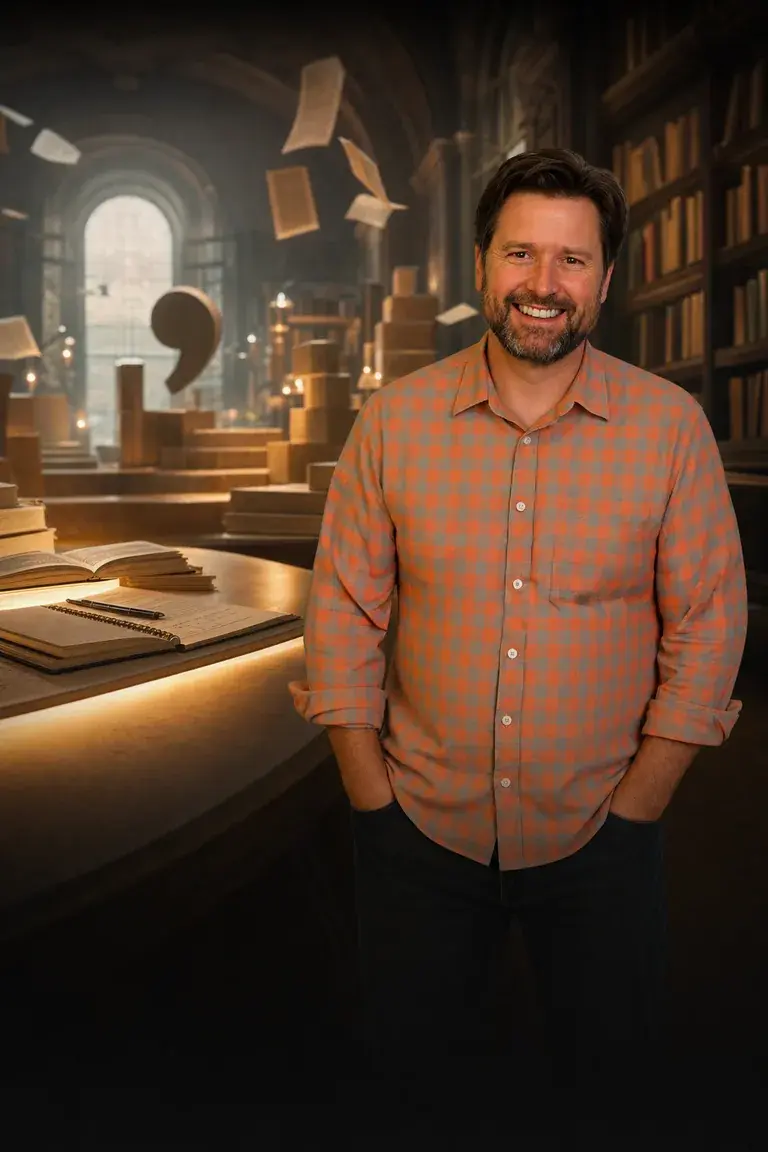
Meet Sarah.
Sarah
Sarah Thompson is a forward-thinking virtual educator specializing in elementary education. With a Master's in Teaching from George Mason University and extensive experience designing multimedia-rich lessons, she transforms online classrooms into vibrant learning communities. Sarah's innovative approach—incorporating virtual field trips, interactive assessments, and real-time feedback—ensures that every student is engaged and empowered to achieve academic success.
Passing a unit and truly owning the skills are two very different things — and the students who know the difference are the ones who show up to class, standardized tests, and advanced coursework ready to perform. Building Blocks of 6th Grade Reading & Writing is a year-round supplemental class designed for driven 6th graders who want to move beyond surface-level understanding and build genuine mastery of the reading and writing skills that every future English class will depend on. Students work deeply with textual evidence, figurative language, genre, informational writing, tone, and persuasion — the exact skills their school teachers have to race past to stay on schedule. This class gives those skills the time and repetition they deserve, so students don't just pass — they own it.
Make the Basics Automatic When a student is still working hard on finding the main idea or writing a clear paragraph, there's little attention left for deeper analysis and stronger writing. We revisit the core reading and writing skills from earlier grades until they come naturally.
Lock In This Year's Learning The school year moves fast, and students are often just on the cusp of getting a topic when the next unit begins. We circle back to key 6th grade skills from earlier in the year, like citing textual evidence or determining a theme, that later units depend on.
Tackle What's in Front of You Whatever your class is working on right now, from novels and poetry to argument and research writing, students get guided practice and clear strategies for the reading and writing they're doing in school this month.
Preview What's Next Wouldn't we all love a sneak peek at our next challenge before the clock starts ticking and the points start counting? We preview upcoming skills, like analyzing an author's point of view or writing a formal argument, so new assignments feel familiar instead of intimidating.
Live Q&A
Cameras / mics optional
Recordings
Available within 1 hour, kept 90 days
Materials
No special materials required
Similar classes


free with a Varsity Tutors membership
09
DAYS02
HRS23
MINThu, Oct 29 • 9:30pm UTC
4 classes, starts in 9 days
Tue, Dec 1 • 12:30am UTC
4 classes, starts in 42 days
Thu, Jan 14 • 12:30am UTC
4 classes, starts in 86 days
Wed, Oct 21 • 10:30pm UTC
2 classes, starts tomorrow
Building Blocks of 6th Grade Reading & Writing