Ocean Adventures
Dive beneath the surface in Ocean Adventures, a marine biology and oceanography course designed for curious students who want to understand what's really living in the deep.
Starts Mon, Nov 9
9:30 PM UTC · 1h
4 sessions

Sarah
4.6
Outcomes, not lecture notes.
Identify and describe the four major ocean zones — sunlight, twilight, midnight, and abyssal — and the ecosystems unique to each
Compare key marine species including great white sharks, whale sharks, hammerhead sharks, dolphins, and jellyfish by anatomy, diet, and behavior
Label the anatomical features of dolphins and explain how their biology supports their social structures and feeding habits
Classify different shark species by family group and distinguish their specialized adaptations
Explain the life cycle and unusual biological features of jellyfish, including how they differ from other sea creatures
Describe the role of ocean plants in supporting marine ecosystems
Analyze both the harmful and beneficial ways human activity impacts ocean health and marine biodiversity
Explain what marine biologists do and identify the different specializations within the field
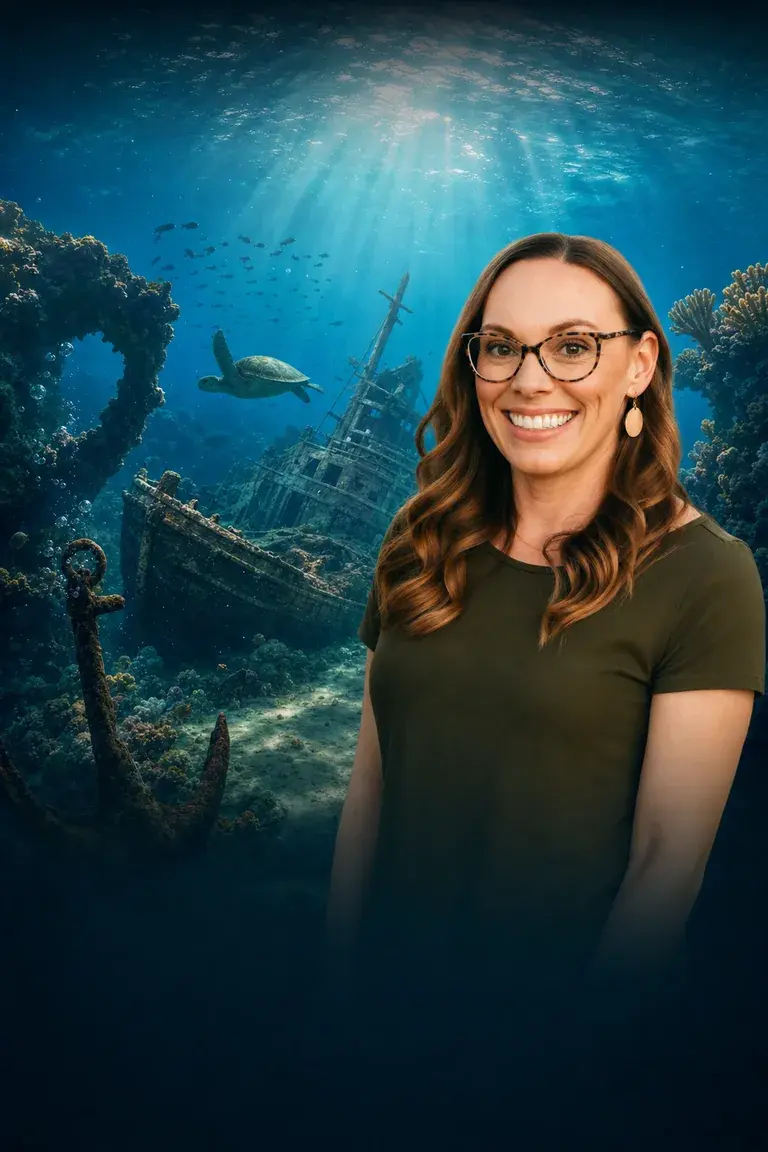
Meet Sarah.
Sarah
Sarah Thompson is a forward-thinking virtual educator specializing in elementary education. With a Master's in Teaching from George Mason University and extensive experience designing multimedia-rich lessons, she transforms online classrooms into vibrant learning communities. Sarah's innovative approach—incorporating virtual field trips, interactive assessments, and real-time feedback—ensures that every student is engaged and empowered to achieve academic success.
Dive beneath the surface in Ocean Adventures, a marine biology and oceanography course designed for curious students who want to understand what's really living in the deep. Over four sessions, students explore everything from sunlit coral reefs to the pitch-black midnight zone, getting up close with dolphins, sharks, jellyfish, and the ecosystems that support them. Along the way, they'll examine the anatomy of specific species, map the layers of the ocean, and wrestle with real questions about how human activity is reshaping marine environments. Whether you're dreaming of a career in marine science or just fascinated by the ocean, this course turns that curiosity into real knowledge.
What Is Ocean Adventures? Ocean Adventures is a multi-session marine biology and oceanography course that takes students on a structured journey through one of Earth's most complex and least understood environments. Starting with the basics of what marine biology is and who studies it, the course builds outward into ocean habitats, specific animal species, plant life, human impacts, and even the eerie history of famous shipwrecks. The approach is hands-on and concept-driven — students aren't just memorizing facts, they're learning to think like scientists.
Mapping the Ocean: Zones and Habitats One of the course's foundational units is a deep dive into ocean zones. Students learn to distinguish between the sunlight zone (where most familiar marine life thrives), the twilight zone (where light barely penetrates), the midnight zone (total darkness, extreme pressure), and the abyssal zone (the deepest, most extreme environments on Earth). Each zone has its own ecosystems, plant life, and animal adaptations, and students learn what makes each layer unique — and what it takes to survive there.
Marine Animals: Anatomy, Behavior, and Diversity Three of the ocean's most iconic animal groups take center stage in this course. Students examine dolphin biology and behavior — mapping their anatomy, exploring pod social structures, and learning how marine biologists track and study them in the wild. They move into shark diversity, comparing species like the great white, whale shark, and hammerhead by skeletal structure (cartilage, not bone), fin anatomy, diet, and habitat. Finally, students explore the strange world of jellyfish — creatures with no brain, no heart, and no bones that nonetheless sting, swim, and reproduce in fascinating ways. Students examine jellyfish anatomy, life cycles, and some of the weirdest biological features in the animal kingdom.
Ocean Plants and Marine Ecosystems Plants don't get as much attention as sharks, but they're just as essential. This course dedicates time to understanding which types of plants thrive in ocean environments and why they matter — from supporting food webs to producing oxygen. Students investigate the ecological role of marine vegetation and how the loss of plant life ripples through entire ecosystems.
Human Impact and Marine Conservation Ocean Adventures doesn't shy away from the harder questions. Students examine both the damage humans have done to marine environments — through pollution, overfishing, and climate change — and the conservation efforts working to reverse it. This unit is designed to build not just awareness but a real understanding of cause and effect in marine ecosystems, equipping students to think critically about environmental issues they'll encounter throughout their lives.
Who Should Enroll? This course is ideal for students in middle and early high school who are curious about marine science, biology, or environmental studies. No prior science background is required — just genuine interest in the ocean. Students who complete Ocean Adventures will walk away with a working vocabulary of marine biology, a clear mental map of ocean ecosystems, and a deeper appreciation for the science and conservation work happening beneath the waves.
Live Q&A
Cameras / mics optional
Recordings
Available within 1 hour, kept 90 days
Materials
No special materials required
Similar classes


free with a Varsity Tutors membership
49
DAYS05
HRS25
MINMon, Nov 9 • 9:30pm UTC
4 classes, starts in 49 days
Ocean Adventures