Understand Addition and Subtraction of Fractions: CCSS.Math.Content.4.NF.B.3a
Help Questions
4th Grade Math › Understand Addition and Subtraction of Fractions: CCSS.Math.Content.4.NF.B.3a
Select the fraction model that shows the difference of






Explanation

The fraction model is broken up into eight pieces and three of the pieces are shaded in. The numerator of the fraction tells us how many pieces should be shaded in, and the denominator tells us how many pieces the whole should be split up into.
Select the fraction model that shows the sum of






Explanation

The fraction model is broken up into eight pieces and two of the pieces are shaded in. The numerator of the fraction tells us how many pieces should be shaded in, and the denominator tells us how many pieces the whole should be split up into.
Select the fraction model that shows the difference of
Explanation
The fraction model is broken up into eight pieces and three of the pieces are shaded in. The numerator of the fraction tells us how many pieces should be shaded in, and the denominator tells us how many pieces the whole should be split up into.
Select the fraction model that shows the sum of
Explanation
The fraction model is broken up into eight pieces and two of the pieces are shaded in. The numerator of the fraction tells us how many pieces should be shaded in, and the denominator tells us how many pieces the whole should be split up into.
Select the fraction model that shows the difference of


Explanation

The fraction model is broken up into six pieces and three of the pieces are shaded in. The numerator of the fraction tells us how many pieces should be shaded in, and the denominator tells us how many pieces the whole should be split up into.
Select the fraction model that shows the sum of


Explanation

The fraction model is broken up into twelve pieces and nine of the pieces are shaded in. The numerator of the fraction tells us how many pieces should be shaded in, and the denominator tells us how many pieces the whole should be split up into.
Select the fraction model that shows the sum of
Explanation
The fraction model is broken up into twelve pieces and nine of the pieces are shaded in. The numerator of the fraction tells us how many pieces should be shaded in, and the denominator tells us how many pieces the whole should be split up into.
Select the fraction model that shows the difference of
Explanation
The fraction model is broken up into six pieces and three of the pieces are shaded in. The numerator of the fraction tells us how many pieces should be shaded in, and the denominator tells us how many pieces the whole should be split up into.
Select the fraction model that shows the difference of


Explanation

The fraction model is broken up into eight pieces and four of the pieces are shaded in. The numerator of the fraction tells us how many pieces should be shaded in, and the denominator tells us how many pieces the whole should be split up into.
Select the fraction model that shows the sum of

Explanation

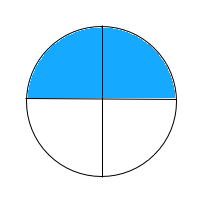
The fraction model is broken up into eight pieces and three of the pieces are shaded in. The numerator of the fraction tells us how many pieces should be shaded in, and the denominator tells us how many pieces the whole should be split up into.