Award-Winning ACT Science Prep in San Francisco
Award-Winning ACT Science Prep in San Francisco
Everything you need to crush the ACT Science in San Francisco, CA. Live prep classes, practice tests, 1-on-1 expert tutoring, and AI-powered diagnostics.
Who needs prep?
No obligation. Takes ~1 minute.
Instructors from
- YaleUniversity
- PrincetonUniversity
- StanfordUniversity
- CornellUniversity
Featured by


ACT Science Prep Classes
 Short-term classLive
ACT 4-Week Prep Class
The ACT 4-Week Prep Class is designed to prepare students to take the ACT by equipping them with skills and test-taking strategies to improve their score. The course will cover content and strategies for English, Math, Reading, Science, and the optional essay. Upon completion of the course, students should have an understanding of the ACT exam structure, general and section-specific test-taking strategies, and the ability to identify and handle difficult or tricky questions.
 Short-term classLive
High School Chemistry Fundamentals
Much like chemistry itself is the study of how the building blocks of matter–particles, atoms, molecules–combine, your chemistry knowledge builds from basic elements toward complex concepts, lab reports, and exams. That’s why High School Chemistry Fundamentals can be an integral force in your chemistry studies. Each week, an expert instructor will break down the key concepts that your current and upcoming chemistry lessons depend on, helping ensure that you’re ready for the challenges you encounter in your coursework and your foundations remain strong for midterm and final exams, cumulative assignments, and even future science classes.
 Short-term classLive
High School Biology Fundamentals
High School Biology is the study of the building blocks of life, how cells, systems, and processes interact to enable complex organisms to adapt and thrive. And just like living systems build from their foundations, your own biology knowledge builds concept by concept toward the complex skills you need for your labs and exams throughout the year. That’s why High School Biology Fundamentals is an integral component of your biology studies. Each week, an expert instructor will break down the key concepts that your current and upcoming biology lessons depend on, helping ensure that you’re ready for the challenges you encounter in your coursework and your foundations remain strong for midterm and final exams, cumulative assignments, and even future science classes.
 One-time classLive
AP Physics 1 Monthly Review
Ace your AP Physics 1 class _and_ the AP exam — without cramming or falling behind. Our AP Physics 1 Monthly Review sessions are designed to help you stay one step ahead. Each month, an expert instructor will guide you through a focused review of the unit you’ve just covered in class, helping you reinforce key concepts, connect ideas across the curriculum, and build your personal study toolkit for May.
 Short-term classLive
Junior Paleontologists Club
Dig into the prehistoric past with "Junior Paleontologists Camp," a thrilling four-week expedition led by the enthusiastic Teacher Amalia! Young fossil hunters will be transported millions of years back in time as they examine real fossils displayed right on their screens. From the towering Tyrannosaurus rex to the massive megalodon, students will uncover the secrets of ancient creatures that once ruled our planet. This hands-on virtual adventure explores dinosaurs, prehistoric marine predators, ancient crocodilians, and magnificent ice age mammals—allowing budding paleontologists to touch the past, understand Earth's incredible history, and experience the excitement of scientific discovery with every fossil examined! Teacher Amalia loves to share her extensive fossil collection and her experience volunteering with paleontology projects, including excavating dinosaur bones in Madagascar! She is experienced at teaching dynamic online classes that integrate stories from her adventures, real fossils, and live program animals. Each day will include three interactive sections full of fun facts, guessing games, and fossil investigations. A short break in between each section will give everyone time to stretch their legs with movement game options such as dinosaur yoga and freeze dance.
 Short-term classLive
Symptom Science: A Doctor Explains Sneezes, Scabs, Sunburns, and More
Ever wonder what's really happening when you sneeze, bruise, or feel a fever coming on? Your body is a remarkable machine, performing countless protective actions every day – most of which are far more fascinating than you realize. In this engaging four-week series, Dr. Tabitha Michaud, MD takes students behind the scenes of common symptoms and sensations, revealing the intricate science that keeps us safe and healthy. From exploring why a paper cut heals to understanding the complex cascade of events in an allergic reaction, students will gain a deep appreciation for the body's defensive systems. Through live, interactive demonstrations and real-world medical examples, Dr. Michaud brings her clinical expertise to the classroom, helping students understand common sicknesses from a scientific perspective.
 One-time classLive
Clean-Up Crew
Who takes care of nature’s messiest jobs? Join Wonders of Wildlife as we explore some of nature’s often underappreciated cleanup crew members and discover the important roles they play in keeping ecosystems healthy. We’ll uncover how scavengers, decomposers, and other hardworking species help recycle nutrients, remove waste, and keep the natural world in balance. Along the way, students will learn why these animals deserve far more appreciation than they often receive. Get ready to meet some fascinating creatures that prove even the dirtiest jobs can make a big difference!
 Short-term classLive
Food, Fuel, and the Body
We all know that our bodies need food, and that feeling hungry is the body's way of making sure we never forget it. But past that, what really happens when we give our bodies food and which foods are best for which purposes? And how much of what we think we know is just clever marketing more than actual science: is breakfast really the most important meal of the day? Do carrots give you superhuman eyesight? Join pediatrician Dr. Tabitha Michaud to learn all about how our bodies turn food into fuel for energy, for growing, for bone and muscle development, for your immune system, and more. You'll see how food gets converted into nutrients from your mouth to your stomach to your bloodstream, discover which nutrients serve which purposes, and come away much more in tune with what your body is telling you it needs based on how you feel. Note: This course focuses on how the body works, not rules about eating. There is no “good vs bad food” language — just science, empowerment, and body literacy.
 One-time classLive
AP Calculus AB Monthly Review
Ace your AP Calculus AB class _and_ the AP exam — without cramming or falling behind. Our AP Calculus AB Monthly Review sessions are designed to help you stay one step ahead. Each month, an expert instructor will guide you through a focused review of the unit you’ve just covered in class, helping you reinforce key concepts, connect ideas across the curriculum, and build your personal study toolkit for May.
 Semester classLive
ACT 8-Week Prep Class
Eight weeks. Four sections. One expert instructor. This comprehensive ACT prep course is built for students who are serious about maximizing their score and want a structured, proven path to get there. Each weekly session blends targeted test-taking strategy with the core content knowledge the ACT actually tests, so you're not just learning tricks, you're building real skills. Add in a full-length study schedule that keeps you accountable week over week, and you'll walk into test day feeling prepared, confident, and ready to perform at your best.
One-time classLiveAP Biology Monthly Review
Ace your AP Biology class _and_ the AP exam — without cramming or falling behind. Our AP Biology Monthly Review sessions are designed to help you stay one step ahead. Each month, an expert instructor will guide you through a focused review of the unit you’ve just covered in class, helping you reinforce key concepts, connect ideas across the curriculum, and build your personal study toolkit for May. These sessions are ideal for students who want to maintain top grades, reduce stress, and walk into the AP exam with total confidence.
 Short-term classLive
Astronomy is Stellar!
When you look up in the night sky, what do you see? This class will make sure you know! In weekly sessions, guided by an expert instructor, learners will explore: - The constellations, how to find them, and how they got their names - How to use software programs like Stellarium and NASA’s Eyes to identify what’s in your night sky (and explore the cosmos on your own) - How to differentiate between stars, planets, meteors, and other night sky objects (including the International Space Station) - The phases of the moon, plus eclipses - How to use familiar stars and constellations to find directions The night sky is amazing to look at, but it’s even more amazing when you know what you’re seeing and how all the objects relate to each other. So let’s find out!
Top-Rated ACT Science Prep Instructors in San Francisco
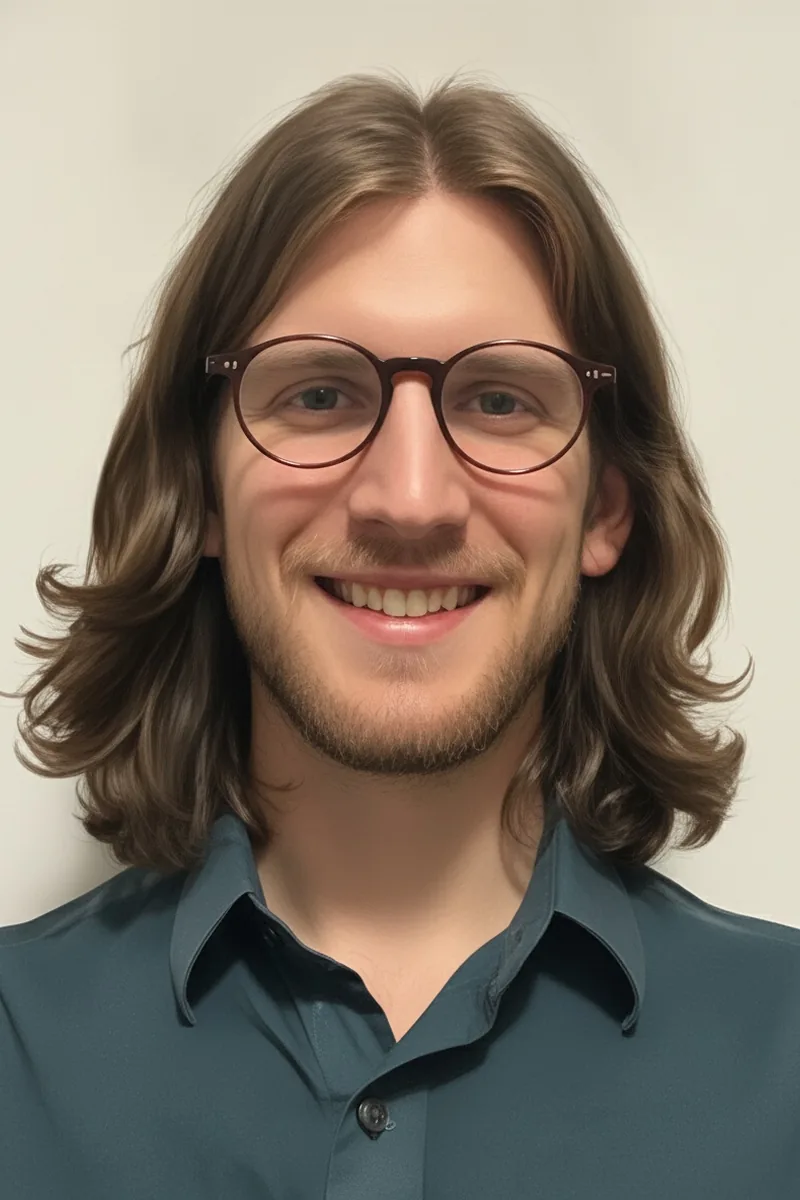
Reid's Harvard doctoral work in Education gave him a precise understanding of why students stall on ACT Science: most read the passages the way they read a textbook, when the section is really a timed...
Education & Certificates
Harvard University
PHD, Education
Wesleyan University
Bachelor in Arts, Sociology
ACT Scores

Christopher's Mechanical Engineering coursework at Harvard runs on a single discipline: translate raw data into conclusions before the surrounding context slows you down — which is precisely the skill...
Education & Certificates
Harvard College
Bachelor of Science, Mechanical Engineering
ACT Scores

Charles's Mechanical Engineering training at Yale is built on reading system diagrams and translating variables into conclusions fast — the same cognitive move ACT Science requires on every Data Repre...
Education & Certificates
Yale University
Bachelor of Science, Mechanical Engineering
ACT Scores
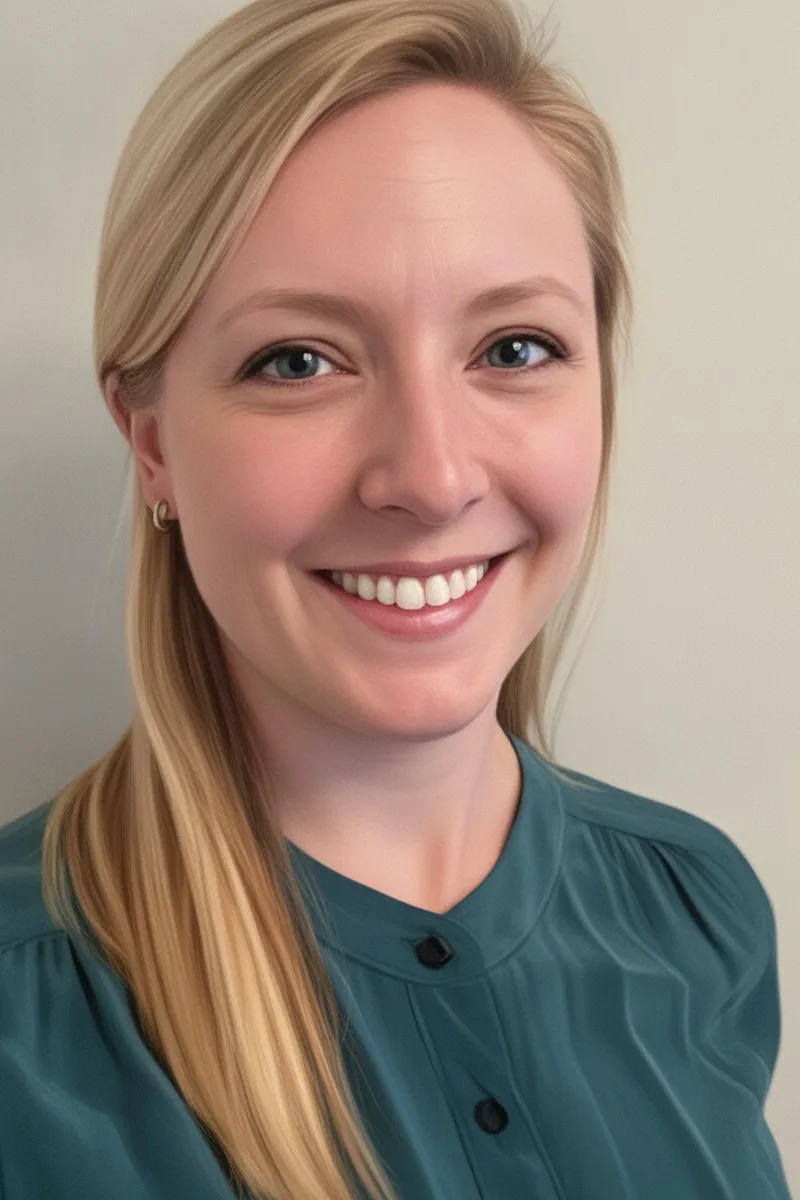
Students who over-study biology and chemistry for ACT Science often score lower than they expect — because the section tests data interpretation speed, not content recall. Liz drills the three passage...
Education & Certificates
Simmons College
Masters, Special Education: Mild to Moderate Disabilities 5-12
Washington University in St. Louis
Bachelor of Arts in History (minors in Humanities and Anthropology)
ACT Scores

Philosophy training at the University of Chicago is built around dismantling arguments — identifying the core claim, finding the evidence, and exposing the gap between them — and that analytical habit...
Education & Certificates
University of Chicago
Bachelor of Arts in Philosophy
University of New Mexico-Main Campus
Current Grad Student, Philosophy
ACT Scores

Political science training at the University of Chicago builds one skill above all others: reading dense, competing arguments and extracting the core claim fast — which is exactly what Conflicting Vie...
Education & Certificates
University of Chicago
Bachelor in Arts in Political Science
ACT Scores

Henry's Harvard history training sharpened one skill that transfers directly to ACT Science: reading dense, argument-heavy text and pulling out only what matters, fast. He coaches students to treat Co...
Education & Certificates
Harvard College
Bachelor in Arts, History
SAT Scores
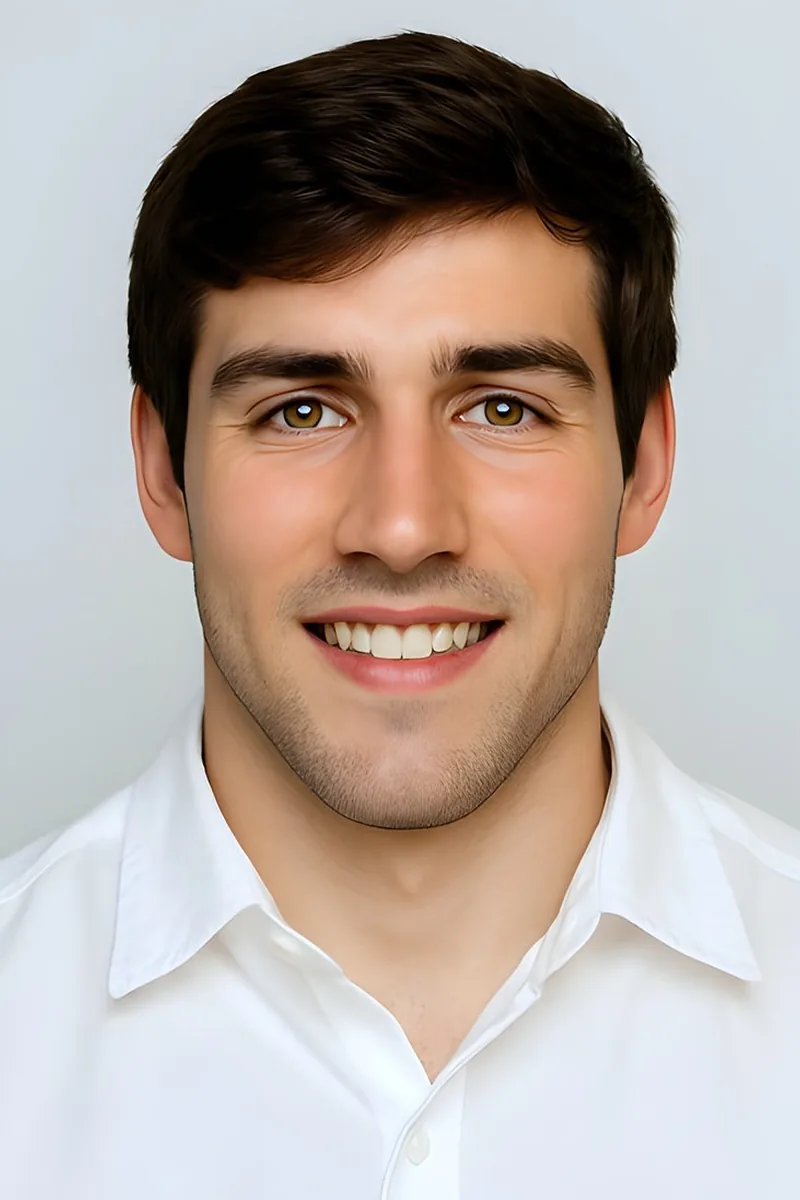
James's path from Harvard chemistry to Columbia Medical School means he can instantly decode the scientific framing that makes ACT Science passages feel harder than they are — and then teach students ...
Education & Certificates
Harvard University
Bachelor in Arts, Chemistry
SAT Scores

Sung's chemistry training at Yale sharpened something most ACT Science test-takers never develop: the ability to distinguish which variables actually matter in an experimental setup and which are nois...
Education & Certificates
Yale University
Bachelor of Science
ACT Scores

Connor's three years running a Cell Biology lab course at Notre Dame gave him a precise understanding of how experimental data is structured — the same logic ACT Science passages are built around. He ...
Education & Certificates
Loyola University-Chicago
Master of Arts, Biomedical Sciences
University of Notre Dame
Bachelor of Science
ACT Scores
Frequently Asked Questions
ACT Science gives you 40 questions in just 35 minutes—roughly 50 seconds per question—which is notoriously tight. The challenge isn't just speed; it's knowing which questions to tackle first and which passages require deeper analysis versus quick data interpretation. A tutor can teach you to quickly identify passage types (data representation, research summaries, conflicting viewpoints), prioritize easier questions, and develop a personalized pacing strategy that matches your reading and analysis speed, helping you avoid the common trap of running out of time on the last few questions.
ACT Science features Data Representation (graphs, tables, diagrams), Research Summaries (multiple experiments with methods and results), and Conflicting Viewpoints (two or more opposing scientific perspectives). Each requires a different strategy: Data Representation focuses on reading charts and extracting specific values, Research Summaries demands understanding experimental design and comparing results across trials, and Conflicting Viewpoints tests your ability to identify key differences between positions and evaluate evidence. Tutors help you develop targeted techniques for each type so you're not using a one-size-fits-all approach that wastes time.
Many students assume ACT Science is purely about scientific knowledge, but it's actually about data interpretation and reasoning—content knowledge matters less than you'd think. The best way to pinpoint weaknesses is to take practice tests under timed conditions, then analyze your wrong answers by passage type and question category (rather than by biology, chemistry, or physics). A tutor can help you spot patterns: Are you missing questions because you misread the data? Do you struggle with certain graph types? Are you getting tripped up by the conflicting viewpoints section? Once you know whether your issue is speed, comprehension, or reasoning, you can focus your prep strategically.
Not necessarily—ACT Science reading is fundamentally different from ACT Reading. While good reading skills help, ACT Science prioritizes extracting specific data points and understanding relationships between variables over comprehending narrative or argument structure. Many strong readers actually over-read the passages, wasting precious seconds on details that don't matter for the questions. Tutors teach you to skim strategically, identify what information you actually need to answer each question, and resist the urge to fully understand every detail of the experiment or data set before diving into the questions.
Score improvement depends heavily on your starting point and consistency. Students who struggle with pacing and test strategy often see 3-5 point improvements (on the 1-36 scale) within 4-6 weeks of focused work, since they're fixing technique rather than learning new content. Students starting from a higher baseline (30+) typically see 1-2 point gains, as they're refining nuanced reasoning skills. The key is consistent practice with real ACT tests, targeted feedback on mistakes, and deliberate strategy refinement—tutors accelerate this process by pinpointing exactly what's costing you points and helping you practice the right way.
ACT Science's brutal time pressure naturally triggers anxiety, which often leads to rushed reading, careless mistakes, and decision paralysis on harder questions. Unlike other sections where you can slow down and think deeply, Science forces you to make quick judgments with incomplete information, which can feel chaotic under stress. Tutors help manage this by building confidence through repeated exposure to real test conditions, teaching you to recognize when you're overthinking versus when you genuinely don't know an answer, and developing a pre-test routine that keeps you calm. Practicing with actual ACT Science passages under timed conditions is one of the most effective ways to reduce anxiety because you're literally training your brain to handle the pressure.
Conflicting Viewpoints is the most content-heavy passage type and requires you to track multiple perspectives, identify where they agree and disagree, and evaluate evidence—all while managing time pressure. Students often get confused tracking which scientist or theory supports which claim, or they spend too much time trying to decide which viewpoint is actually correct (which doesn't matter for the test). The questions typically ask you to identify implications, predict outcomes under each viewpoint, or determine what evidence would support one position over another. Tutors teach you to create a simple comparison chart as you read, focus on the specific differences between viewpoints rather than the full details of each, and practice the unique question types that appear in this section.
Quality beats quantity: one full, timed 40-question section with detailed error analysis is more valuable than doing multiple untimed passages. After each practice session, categorize your mistakes—did you misread data, misunderstand the question, run out of time, or lack content knowledge?—then review only the passages where you made errors. Use official ACT practice tests rather than third-party materials, since the real test has specific quirks in how it presents data and structures questions. Between tutoring sessions, focus on the specific passage types or question formats your tutor identified as weak points, and time yourself ruthlessly to build the speed and accuracy you need.
Other San Francisco test prep
Let's find your perfect prep plan
Answer a few quick questions. We'll recommend the right plan and match you with a top 5% instructor.