Achieve a top score with Award-Winning AP Art History Prep
Achieve a top score with Award-Winning AP Art History Prep
Everything you need to crush the AP Art History. Live prep classes, practice tests, 1-on-1 expert tutoring, and AI-powered diagnostics to help you reach your target score.
Universities
Delivered
Proficiency
Who needs prep?
No obligation. Takes ~1 minute.
Instructors from
- YaleUniversity
- PrincetonUniversity
- StanfordUniversity
- CornellUniversity
Featured by


Award-Winning AP Art History Prep Classes
 Short-term classLive
Drawing Animals and Nature
Artists can find inspiration all around them, from landscapes out the window to furry friends sitting nearby. In these weekly draw-alongs, young artists will explore ways to draw animals and natural images, using different kinds of lines, shapes, and shading to bring their drawings to life. Each week offers a new animal to explore - it might be fluffy, feathered, or finned. Drop in to see which animal and habitat we're drawing this week!
 One-time classLive
AP Precalculus Monthly Review
AP Precalculus Monthly Review is the high-impact prep course for students who want to walk into the AP exam with real confidence. Each month, students review and sharpen the skills that matter most for building on the rest of the school year and executing expertly on the AP exam in May. You'll dissect real texts, practice both multiple-choice and free-response question types, and shore up the fundamentals that can be so fleeting when your class moves on to new units quickly.
 One-time classLive
AP Statistics Monthly Review
Ace your AP Statistics class and the AP exam — without cramming or falling behind. Our AP Statistics Monthly Review sessions are designed to help you stay one step ahead. Each month, an expert instructor will guide you through a focused review of the unit you’ve just covered in class, helping you reinforce key concepts, connect ideas across the curriculum, and build your personal study toolkit for May.
 Short-term classLive
Manga & Anime Art Studio
Learn to draw the iconic Japanese manga and anime style! In weekly drop-in sessions, students will explore and practice different elements and features of manga drawing, from the genre's classic eye and hair styles to elements of clothing, head shape, and more. Drop in for one session to get a taste of Japanese animation, or come weekly to hone your craft in this wildly popular style of art.
 Short-term classLive
Drawing on the Spectrum
Calling all budding artists on the autism spectrum! Get ready to dive into a world of creativity and self-expression in this exciting art class. Join us as we explore different artistic styles and techniques, allowing you to unleash your imagination and showcase your unique perspective. Our expert instructor will guide you through each session, helping you to hone your skills and develop your own artistic voice. Whether you're a beginner or a seasoned artist, this class is perfect for anyone with a passion for drawing and a desire to learn and grow. So come on, let's get creative together and make some amazing art!
 One-time classLive
AP English Language & Composition Monthly Review
Ace your AP Lang essays _and_ the AP exam — without cramming or falling behind. Our AP English & Composition Language Monthly Review sessions are designed to help you stay one step ahead. Each month, an expert instructor will guide you through a focused review of the skills and texts you’ve been developing in class, helping you sharpen your rhetorical analysis, build a personal study toolkit, and feel confident in timed writing and multiple-choice questions alike.
 Short-term classLive
Making Paper Puppets
Using only paper, scissors, and glue stick or tape, learners will make paper puppets and bring characters to life! Paper puppets are a fun way to combine art and storytelling - after we make puppets, kids can create different voices or props to go along with them. In this class, we'll create a different kind of simple paper puppet each week: some will go on their hands like a hand puppet, some may be finger puppets, others will be operated with two hands. Students are encouraged to get creative with their designs and branch off into their own ideas! By the end of class, students will have a collection of paper puppets they can use to put on shows, tell stories, or give as gifts. **Materials needed**: paper (construction paper works great, though printer paper works fine too), scissors, glue stick and/or scotch tape, pencil, markers or colored pencils
 One-time classLive
AP Chemistry Monthly Review
Ace your AP Chemistry class _and_ the AP exam — without cramming or falling behind. Our AP Chemistry Monthly Review sessions are designed to help you stay one step ahead. Each month, an expert instructor will guide you through a focused review of the unit you’ve just covered in class, helping you reinforce key concepts, connect ideas across the curriculum, and build your personal study toolkit for May.
 One-time classLive
AP Physics 1 Monthly Review
Ace your AP Physics 1 class _and_ the AP exam — without cramming or falling behind. Our AP Physics 1 Monthly Review sessions are designed to help you stay one step ahead. Each month, an expert instructor will guide you through a focused review of the unit you’ve just covered in class, helping you reinforce key concepts, connect ideas across the curriculum, and build your personal study toolkit for May.
 Short-term classLive
Drawing Portraits & People
In this weekly art class, young artists will be inspired by the idea of drawing something they see every day: people! This is designed to be a fun, low-pressure opportunity to draw together, where learners will be able to explore things like drawing different facial expressions, or people in activity, in a light-hearted, open-ended way.
 Short-term classLive
Drawing Realistic Faces
The eyes are the windows to the soul–and they’re one of many keys to making a drawing look realistic, too! In Learn To Draw Realistic Faces, young artists will learn, practice, and master techniques to draw realistic eyes, noses, mouths, hair, and more so that they can draw portraits of their favorite people. From getting started with rough sketching to adding details and expressions, students will learn step-by-step techniques to build a detailed drawing that looks realistic, conveys emotion, and looks great in a portfolio or on a wall.
 One-time classLive
AP Calculus AB Monthly Review
Ace your AP Calculus AB class _and_ the AP exam — without cramming or falling behind. Our AP Calculus AB Monthly Review sessions are designed to help you stay one step ahead. Each month, an expert instructor will guide you through a focused review of the unit you’ve just covered in class, helping you reinforce key concepts, connect ideas across the curriculum, and build your personal study toolkit for May.
Top-Rated AP Art History Prep Instructors

Sarah's Yale Political Science training sharpens a skill most AP Art History students overlook: reading works as arguments about power — who commissioned them, what ideological purpose they served, an...
Education & Certificates
Yale University
Current Undergrad, Political Science and Government
SAT Scores

David's Johns Hopkins liberal arts training sharpened a skill AP Art History's free-response rubric depends on: building a written argument around evidence rather than reciting it. He coaches students...
Education & Certificates
University
Bachelor's

Isaiah's 1590 SAT reflects the kind of close reading and analytical precision that AP Art History's free-response rubric directly rewards — and he coaches students to apply that same rigor to image an...
Education & Certificates
Harvard University
Bachelor in Arts
SAT Scores
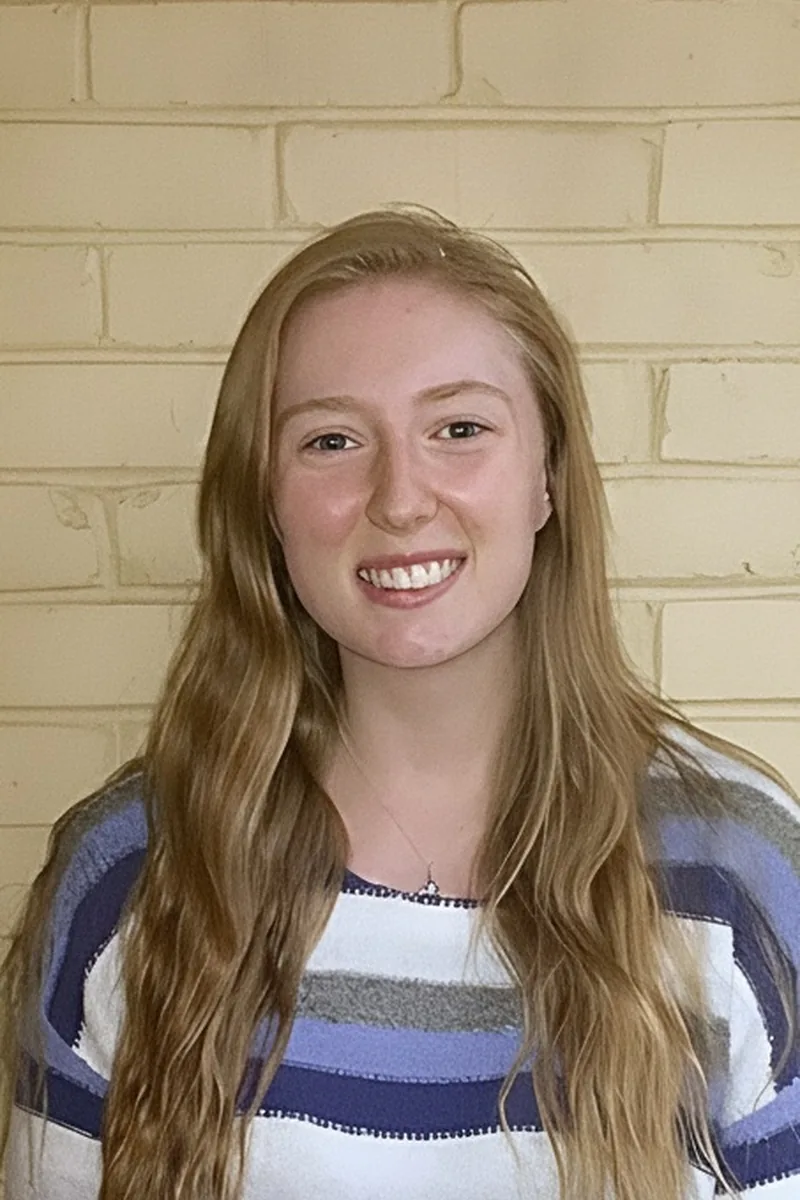
Emma's Classics degree at Carleton College — built around Latin, Ancient Greek, and the cultural histories threading through both languages — gives her an unusually sharp command of the ancient Medite...
Education & Certificates
Carleton College
Bachelor in Arts, Classical, Ancient Mediterranean, and Near Eastern Studies
ACT Scores

Andrew's architecture training at Columbia sharpened a visual reading skill most AP Art History students never develop: the ability to analyze a built structure — its proportion, materiality, and spat...
Education & Certificates
Columbia University in the City of New York
Master of Architecture, Architecture
Vanderbilt University
Bachelor in Arts
SAT Scores

Four years of ACT and SAT prep taught Ben something that transfers directly to AP Art History's free-response sections: most students lose points not because they lack knowledge, but because they have...
Education & Certificates
Ball State University
Bachelor of Science, History
Northwestern University
Current Grad Student, Creative Writing

Sarah's background as a multimedia artist and educator — working across audio documentary, performance, and media literacy in classrooms, museums, and community organizations — gives her a rare practi...
Education & Certificates
University of Chicago
Bachelors, Anthropology and Visual Art

Jorge's Harvard training in Social Anthropology and Columbia graduate work in Human Rights gave him a framework that transfers directly to AP Art History's most demanding prompts: reading objects not ...
Education & Certificates
Columbia University in the City of New York
Masters, Human Rights
Harvard University
Bachelors, Social Anthropology
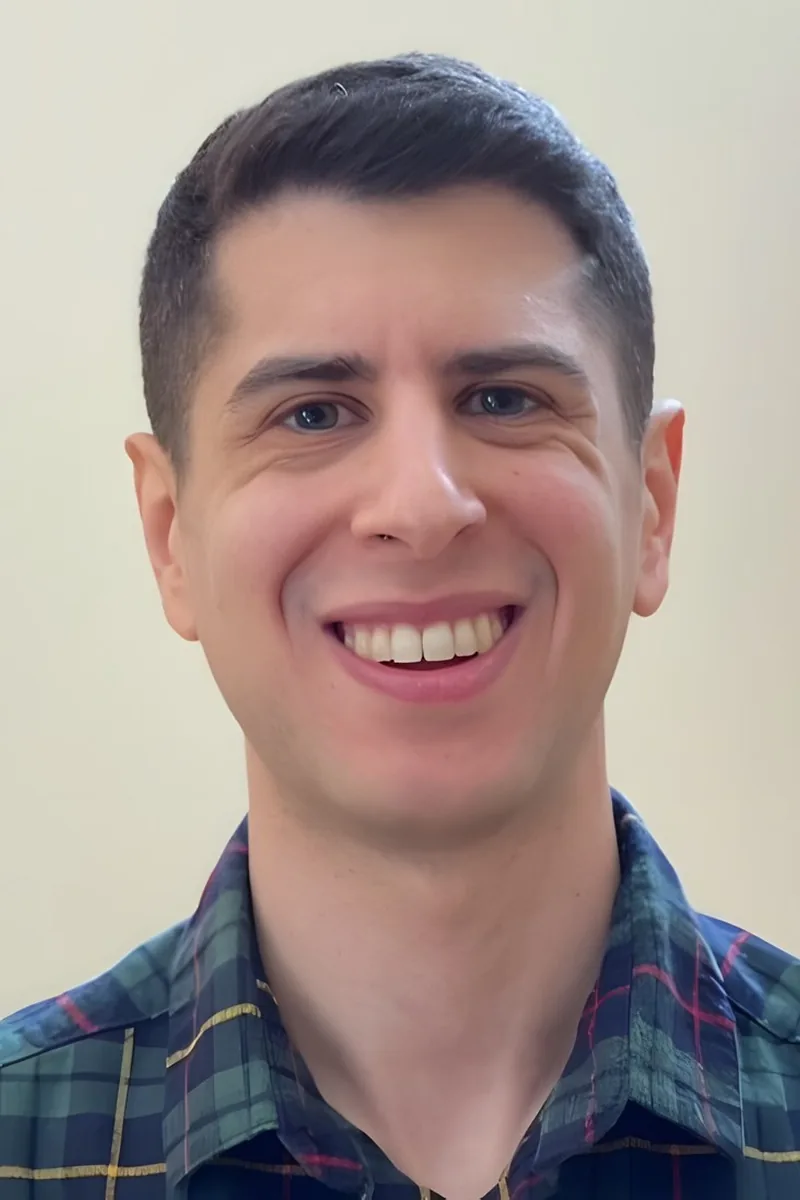
Justin's dual degrees in History and Religious Studies — from Duke and Yale — give him an unusually deep command of the iconographic and patronage contexts that run through AP Art History's required c...
Education & Certificates
Yale University
Master of Arts in Religious Studies (focus on ancient history)
Duke University
Bachelor of Arts in History and Religious Studies (minor in Economics)
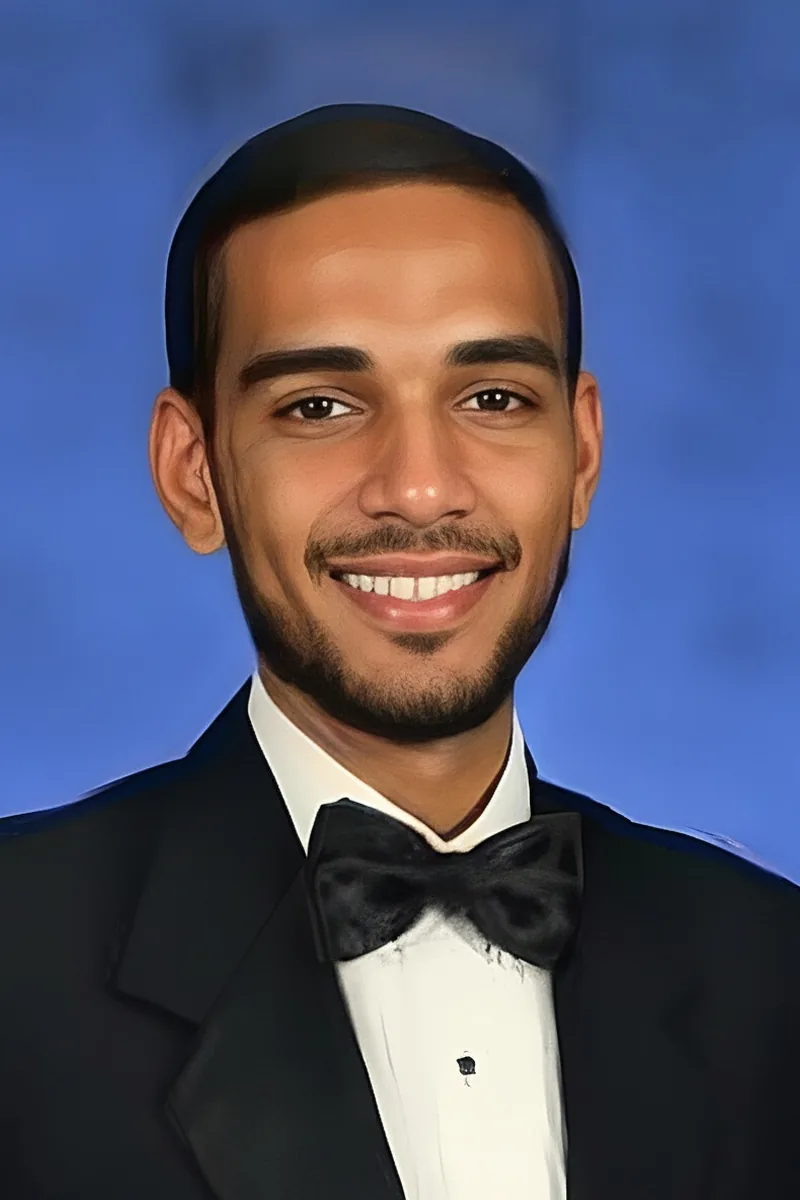
I'm a current student at Johns Hopkins University pursuing a bachelor's in both Neuroscience and Molecular & Cellular Biology. My favorite subjects to tutor are biology, chemistry, psychology, art his...
Education & Certificates
Johns Hopkins University
Bachelor of Science, Cellular and Molecular Biology
ACT Scores
Frequently Asked Questions
Students often find the sheer breadth of art history challenging—covering everything from prehistoric cave paintings to contemporary art across multiple cultures and centuries. The most common struggle areas are distinguishing stylistic periods (especially Renaissance vs. Baroque vs. Rococo), understanding non-Western art traditions on equal footing with Western European art, and connecting formal analysis skills with historical context. Many students also struggle with the chronological organization of movements and identifying lesser-known works that appear on the exam, which requires familiarity with primary sources beyond the most famous masterpieces.
The exam consists of 80 multiple-choice questions (50% of score) and 3 free-response essays (50% of score), with a focus on image identification and analysis rather than memorization of dates. Students commonly lose points on the multiple-choice section by confusing similar artworks or misidentifying cultural origins, and on the essays by providing description without deeper analysis of historical significance, artistic intent, or cultural context. Time management is also critical—students need to balance spending enough time on image analysis without getting bogged down, and structuring essays that address all three required components: identification, analysis, and contextualization.
Effective image recognition relies on developing a systematic approach: first identify the medium and basic formal elements (color, composition, perspective), then look for stylistic markers that suggest a period or culture, and finally connect those observations to historical movements or artists you've studied. Practice with the College Board's official image set regularly, but also train yourself by studying lesser-known works alongside famous ones from the same period—this builds pattern recognition rather than rote memorization. Tutors can help you develop a personal visual vocabulary and teach you how to make educated guesses when you encounter completely new images by recognizing broader stylistic trends across cultures and time periods.
The strongest essays follow a clear framework: open with a direct identification of the artwork (artist, title, date, culture), then move into formal analysis of specific visual elements that support your argument, and conclude by explaining the historical or cultural significance of those formal choices. Students often make the mistake of writing pure description without analysis, or jumping to historical context without grounding it in what they actually see in the image. A tutor can help you practice the skill of connecting visual evidence to broader themes—for example, explaining how a painting's use of perspective reflects Renaissance humanism, or how an artwork's composition relates to its cultural or religious function.
Non-Western art—including African, Asian, Islamic, and Indigenous American traditions—now represents a significant portion of the AP Art History exam, yet many students approach it with less familiarity than European art. The challenge is that these traditions often operate under different aesthetic principles, materials, and purposes than Western art, so students need to learn the cultural context first before analyzing formal elements. Effective study means learning about the specific religious, social, or ceremonial functions of artworks from these cultures, understanding how materials and geography shaped artistic traditions, and recognizing that 'non-Western' encompasses vastly different regions and time periods. Tutors experienced with AP Art History can help you build this contextual knowledge systematically rather than treating non-Western art as an afterthought.
Most students benefit from beginning serious AP Art History preparation 3-4 months before the exam, dedicating 5-7 hours per week to studying. A strong schedule includes weekly image recognition drills (30-45 minutes), reading and note-taking on assigned periods (2-3 hours), and timed practice essays (1-2 hours). In the final 4-6 weeks before the exam, shift toward full-length practice tests under timed conditions and targeted review of your weakest periods or cultures. Working with a tutor can help you identify which time periods and regions need the most attention based on your performance, allowing you to use study time more efficiently rather than reviewing material you've already mastered.
Score improvement depends heavily on your starting point and how consistently you apply feedback. Students who begin tutoring with strong foundational knowledge but weak essay skills often see 2-4 point improvements (on the 1-5 scale) within 8-12 weeks of focused work. Those starting with significant gaps in image recognition or historical knowledge may need longer to build the necessary skills, but consistent tutoring combined with independent practice can yield meaningful gains. The most important factor is identifying your specific weaknesses—whether that's confusing similar artworks, struggling with formal analysis, or failing to connect visual evidence to historical context—and addressing those directly rather than reviewing material you already know well.
An effective AP Art History tutor needs deep familiarity with the full breadth of the AP curriculum across all cultures and time periods, not just Western art history. They should excel at teaching visual analysis skills—helping you see what's actually in an image and connect formal elements to historical meaning—and be able to explain complex historical contexts clearly without overwhelming you with unnecessary details. Strong tutors also understand the specific demands of the AP exam format, can identify which of your weaknesses will have the biggest impact on your score, and know how to structure essay feedback so you improve incrementally rather than feeling paralyzed by criticism. Look for tutors who can teach you a systematic approach to unfamiliar images and help you build confidence analyzing works you've never seen before.
Let's find your perfect prep plan
Answer a few quick questions. We'll recommend the right plan and match you with a top 5% instructor.