Acceptance Rate
83%
Avg. SAT
1300
75th percentile
“Springfield's practical powerhouse blending business acumen, engineering grit, and health sciences training on a compact campus.”
Springfield, MA
Location
Midsize City
Campus Setting
Western New England University traces its roots to 1919, when local business leaders and the YMCA launched it as an evening school for working adults seeking business skills amid post-World War I growth. Over decades, it evolved into a full-fledged university in 2011, emphasizing professional preparation in fields like law, engineering, and pharmacy. Students who thrive here appreciate hands-on learning and direct career paths, often coming from Massachusetts and nearby states drawn to its no-nonsense approach.
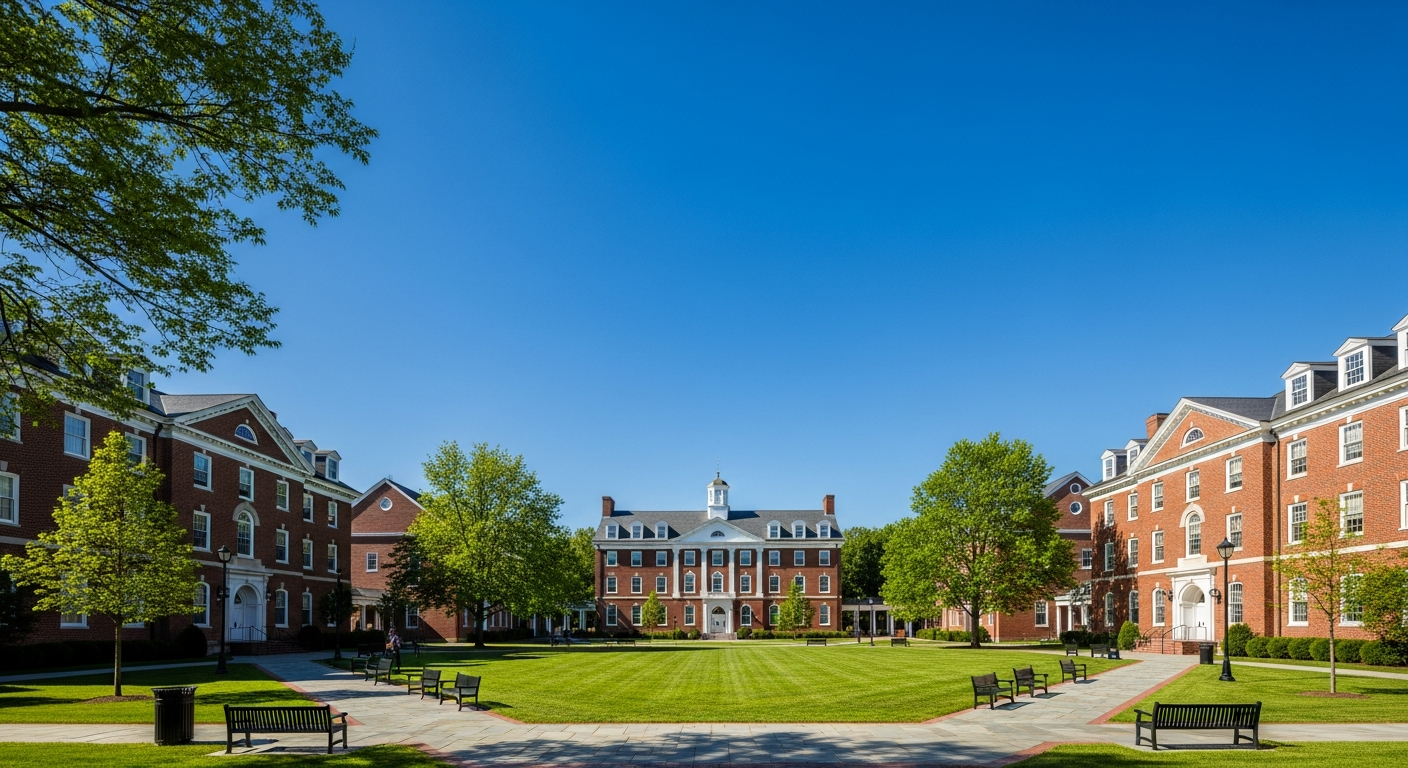
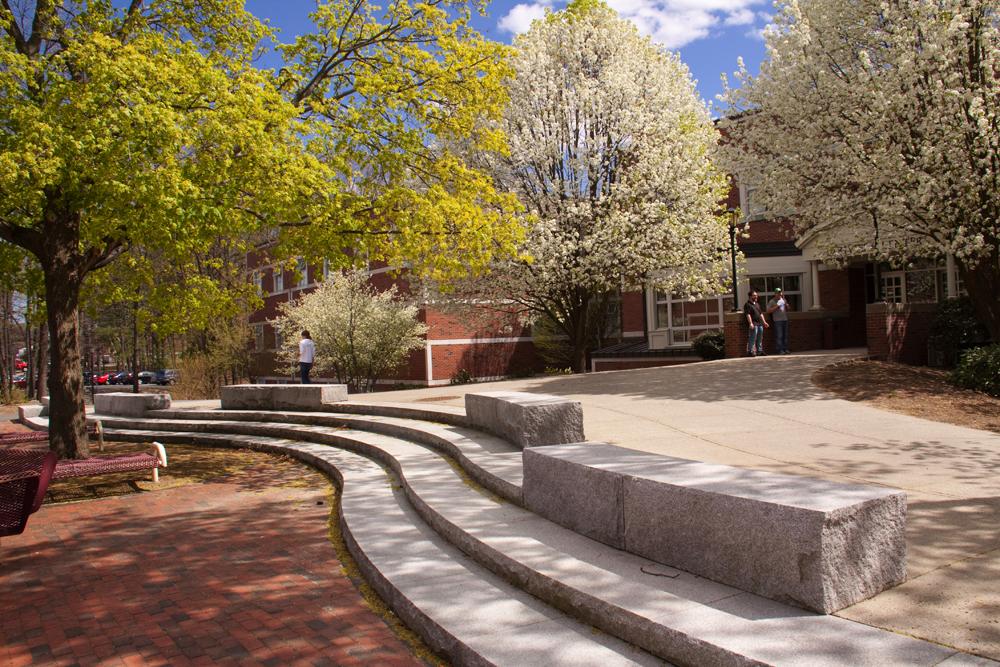
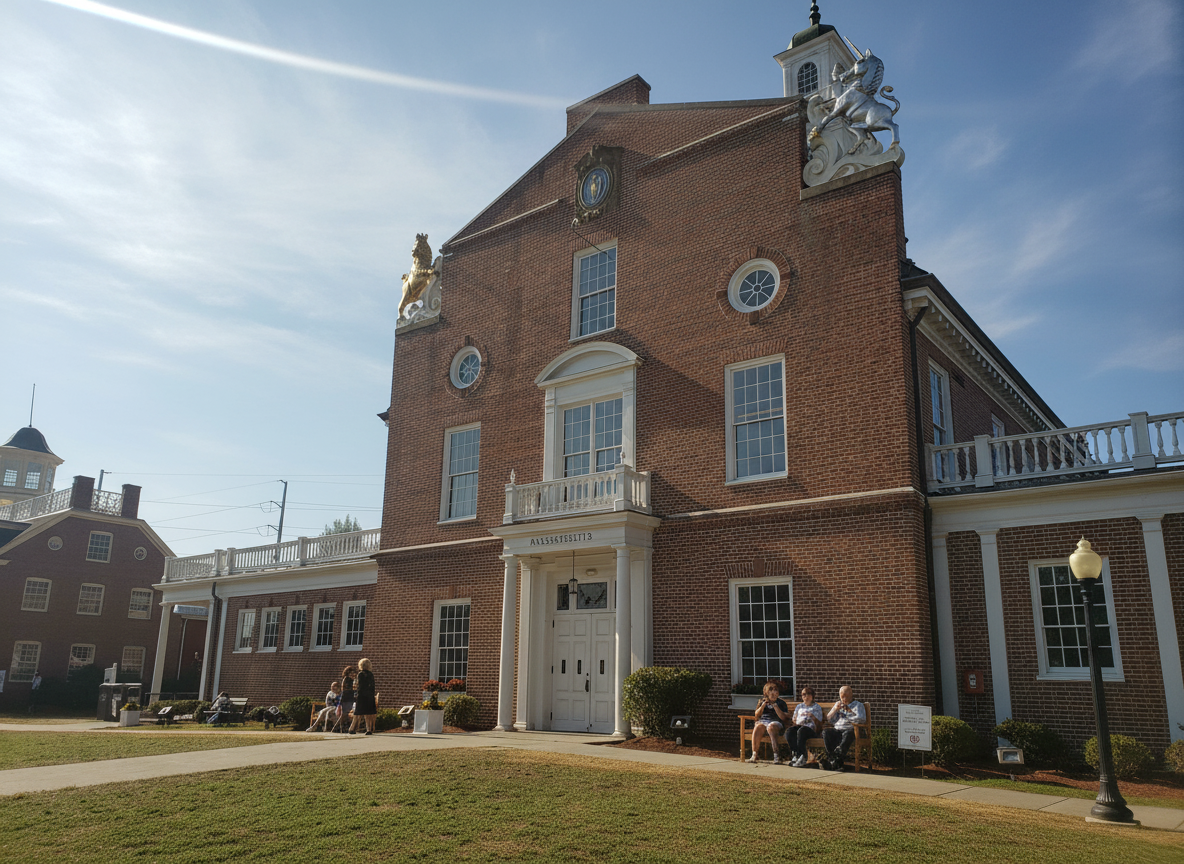
The campus sits on a 215-acre hilltop overlooking Springfield, a mid-sized city with a mix of industry and culture, just 90 minutes from Boston. You'll find a focused community where undergraduates mingle easily with grad students in professional programs. Tradeoffs include a smaller scale that means fewer big-name lecture series or expansive amenities compared to larger privates, plus Springfield's high cost of living and cold, snowy winters that keep most activities indoors.
Photo Gallery
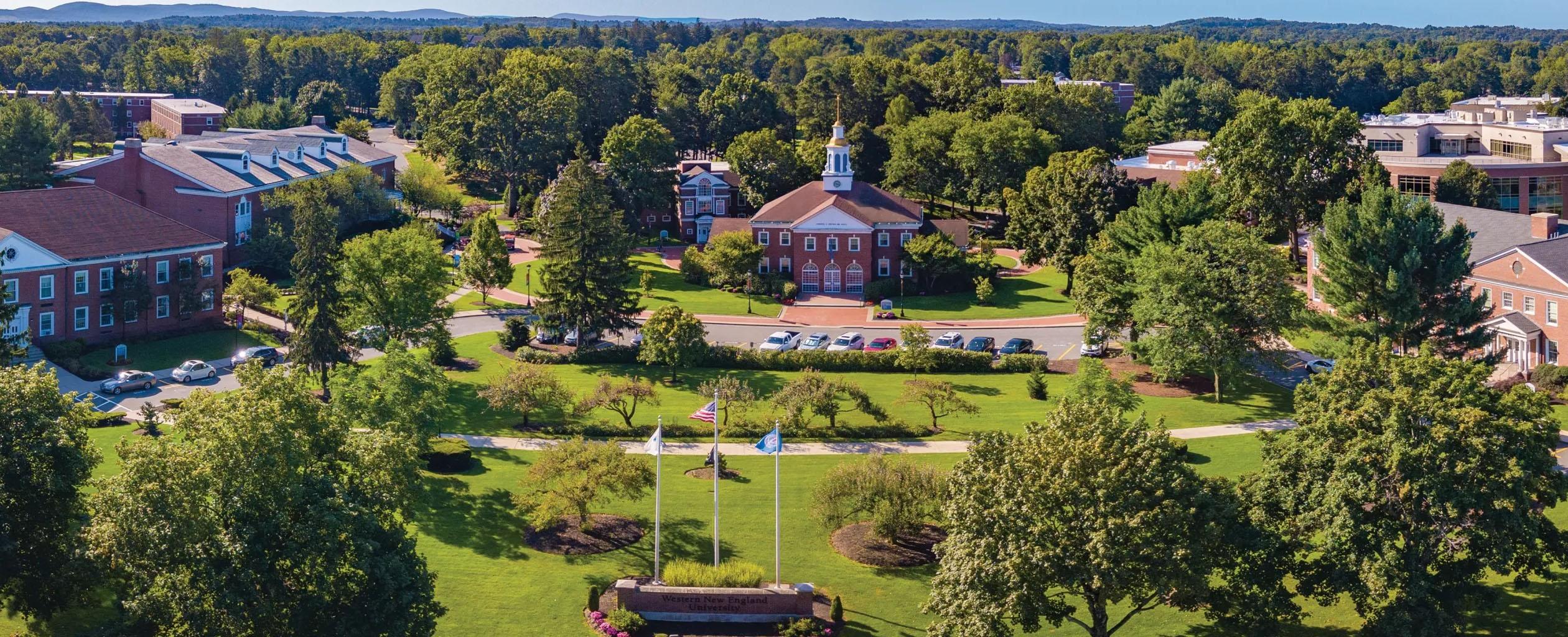
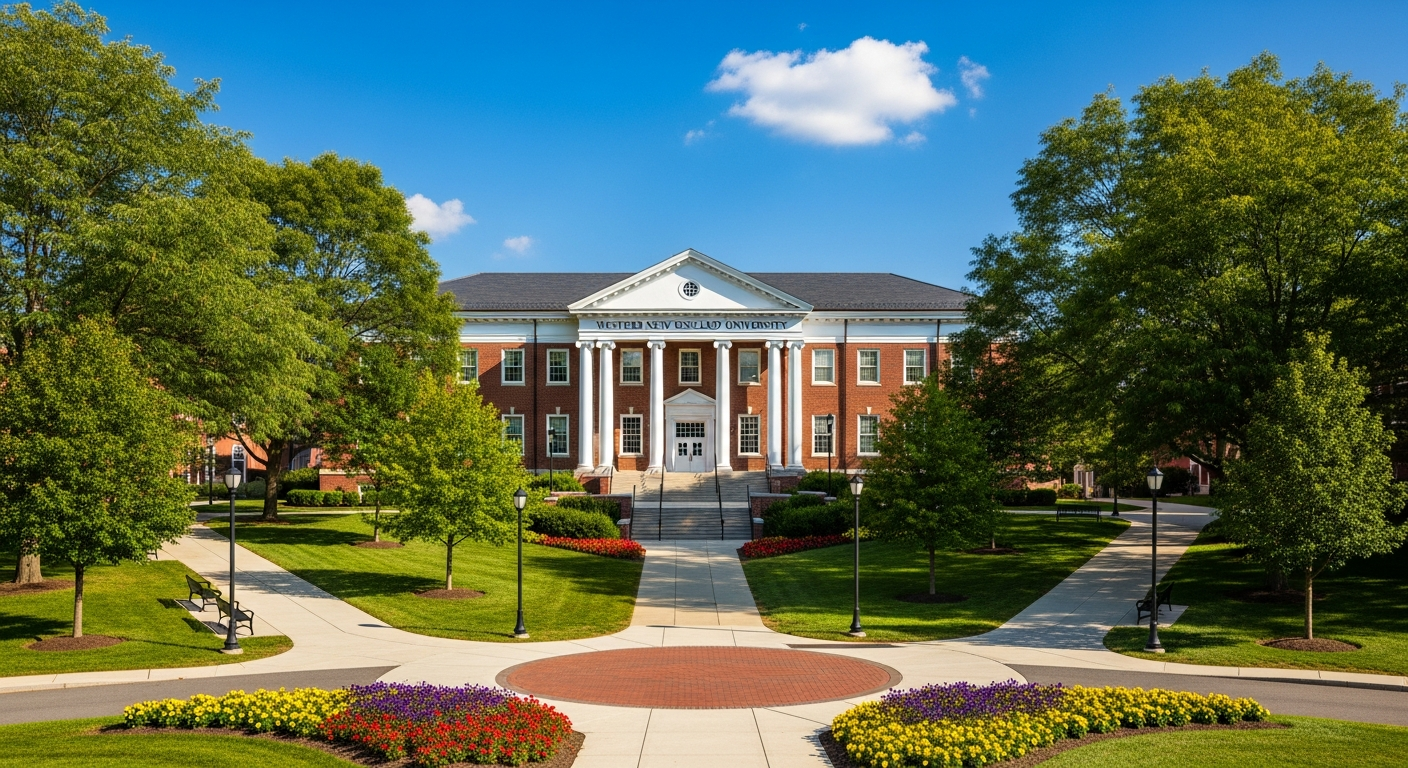
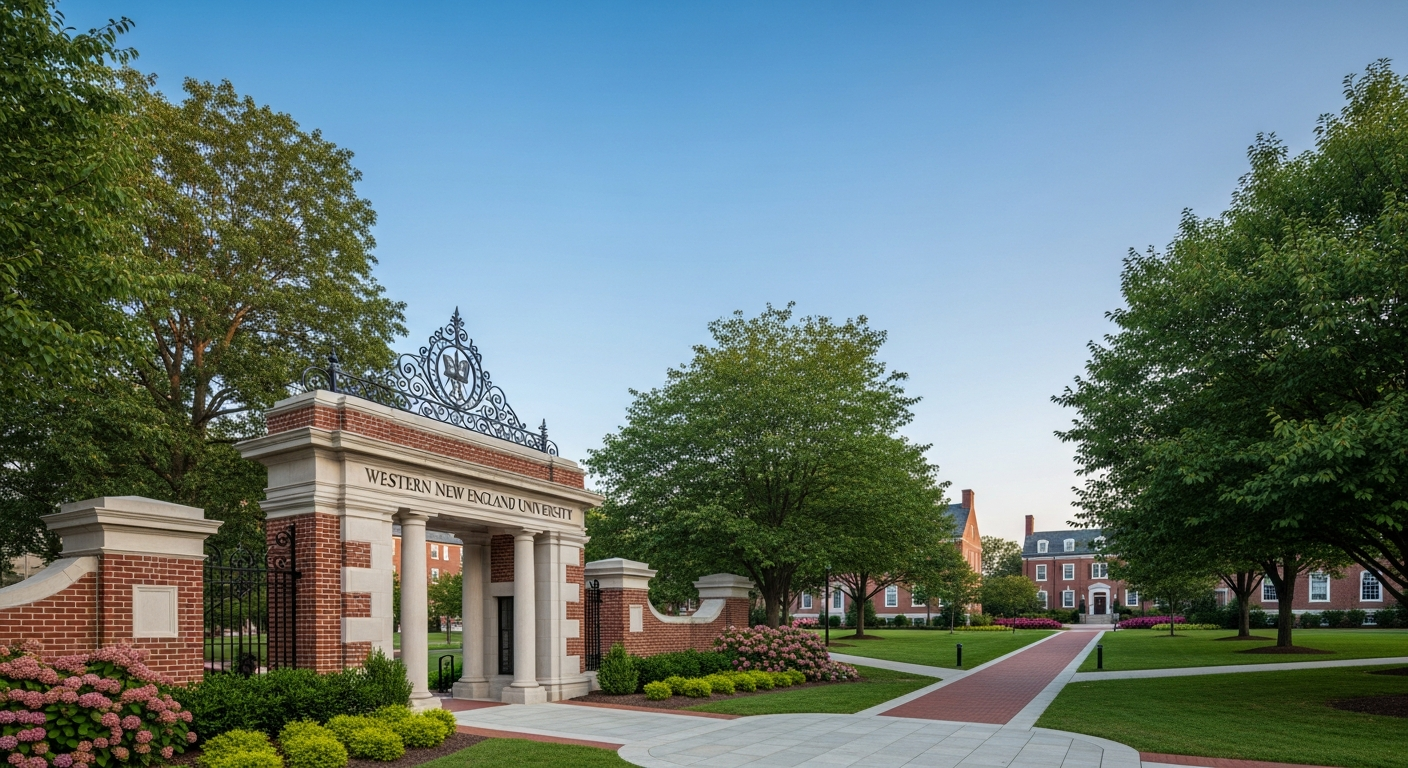
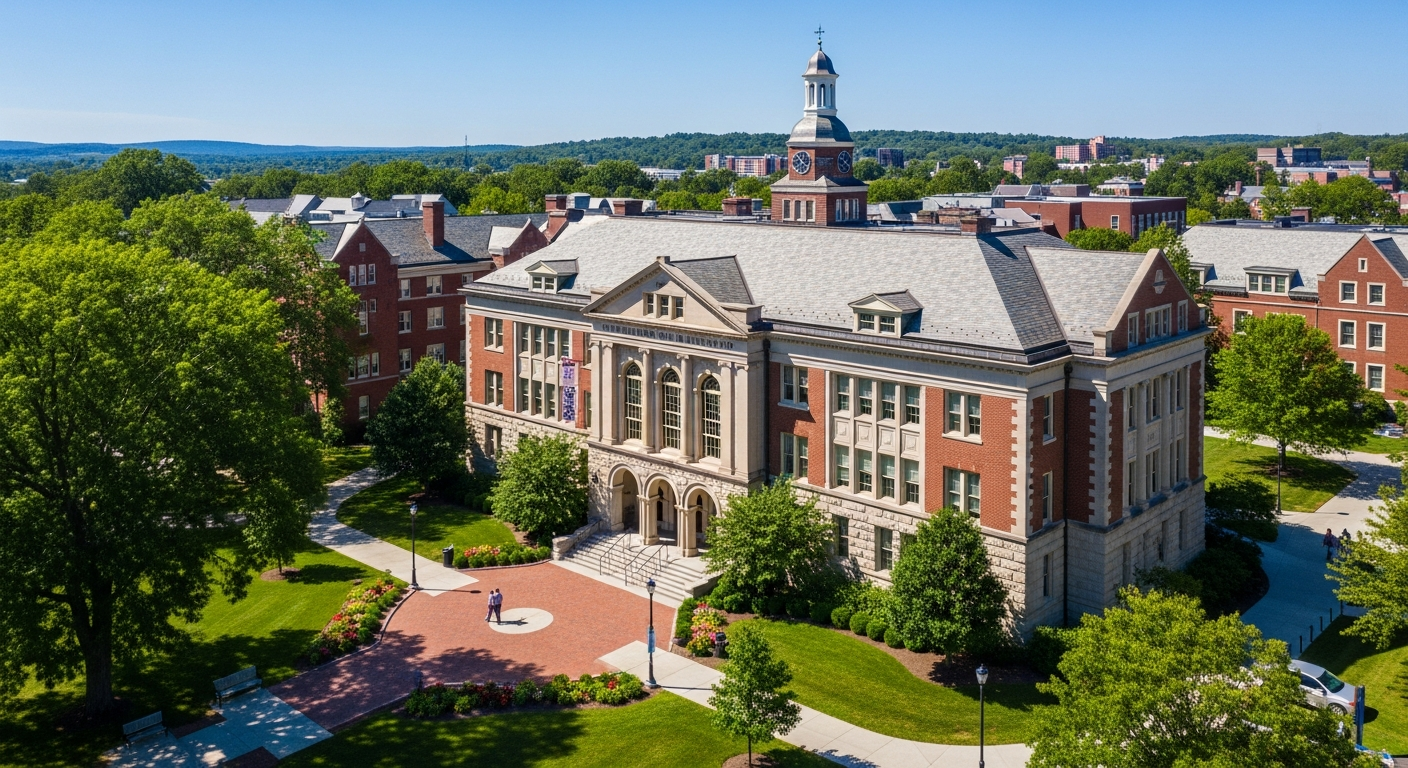
+6



Admissions
Acceptance Rate
Test Policy
Test-optional schools still weigh strong scores. Submitting can help.
Average GPA
Application Fee
Academics
Student-Faculty Ratio
Programs Offered
Full-Time Faculty
Women Faculty
Research Spending
Degree Levels Offered
Classes emphasize applied skills, with business and engineering departments leading in case studies, co-ops, and CPA exam prep that send many graduates straight into jobs. In the College of Pharmacy and Health Sciences, you'll tackle direct-entry doctoral programs where labs simulate real clinics from day one. Smaller size fosters accessible professors who know your name, though introductory courses in popular majors like computer engineering can fill up quickly with 30-40 students.
Research opportunities exist for motivated undergrads, especially in biomedical engineering or legal clinics, but they skew toward faculty-led projects rather than massive labs. The intellectual vibe rewards practicality over theory, suiting students eyeing mid-career stability over academic prestige. A tradeoff is limited breadth in humanities compared to liberal arts colleges, with core requirements channeling you toward your major early.
Student Body
Total Enrollment
2,616 undergrad • 1,058 grad
Undergraduate
Graduate
International
White
65%
Black / African American
6%
Hispanic / Latino
12%
Asian
4%
Other / Multi-racial
13%
Campus Life
Campus Setting
Springfield, MA
Varsity Athletics
NCAA Athletics
Campus hums with a close-knit feel, where a typical week mixes morning classes, afternoon club meetings, and evening intramurals or Golden Bears D-III games. Greek life draws about 20% of students, hosting mixers and philanthropy events, while over 100 clubs cover everything from robotics to outdoor adventures. Residential halls guarantee spots for freshmen, fostering quick bonds in suite-style setups.
Springfield offers off-campus perks like the Basketball Hall of Fame or Six Flags nearby, but the urban edge means you'll stick close to campus for safety and convenience. Winters test your indoor resolve with blizzards canceling plans, and the social scene stays mellow—think house parties over massive ragers. Smaller enrollment creates tight networks but fewer spontaneous big events than at state flagships.
Housing
On-Campus Housing
Housing Capacity
Meal Plan Available
Average Room & Board
Athletics
Athletic Association
Conference of New England
ROTC & Veteran Support
Army
Yes
Navy
No
Air Force
Yes
Veteran’s Programs Available
Yellow Ribbon Program (Post-9/11 GI Bill)
Yes
Credit for military training
Yes
Dedicated point of contact for veteran support services
Yes
Member of DoD Voluntary Educational Partnership MOU
Yes
Cost & Aid
In-State Tuition
Out-of-State Tuition
Room & Board
Estimated Cost
Financial Aid
Students Receiving Aid
Receiving Pell Grants
Average Grant
Average Federal Loan
Net Annual Cost by Household Income
Household Income
Avg. Net Cost
$0 – $30K
$24,018
$30K – $48K
$23,653
$48K – $75K
$25,892
$75K – $110K
$29,093
$110K+
$33,312
Apply for Financial Aid
Complete the FAFSA to unlock grants, scholarships, and federal loans.
Costs shown are before financial aid. Most students receive some form of aid. Complete the FAFSA to see what you qualify for.
Outcomes & Earnings
Retention Rate
74%
4 Years Graduation Rate
58%
6 Years Graduation Rate
66%
Median 10-Year Earnings
$73,157
74% of first-time, full-time students complete their freshman year at Western New England University and return in the fall. 58% of first-time, full-time students graduate in 4 years, and 66% graduate within 6 years.
Graduation Rate
4-year grads
58%
4-6 years
8%
Non-grad
34%
Let’s find your perfect tutor
Answer a few quick questions. We’ll recommend the right plan and match you with a top 5% tutor.
Western New England University
College Application Planner
Turn your research into step-by-step next moves for your college goals.
Keep 1 school in your plan
Key Statistics
Type
Private
Tuition
$41,750
Acceptance
83%
Undergrads
2,616
4-Year Grad Rate
58%
Endowment
$46M
Springfield, MA 01119-2684