Acceptance Rate
70%
Avg. SAT
1243
75th percentile
“A tight-knit public university in Flint with a gritty, community-focused spirit and affordable access to innovation.”
Flint, MI
Location
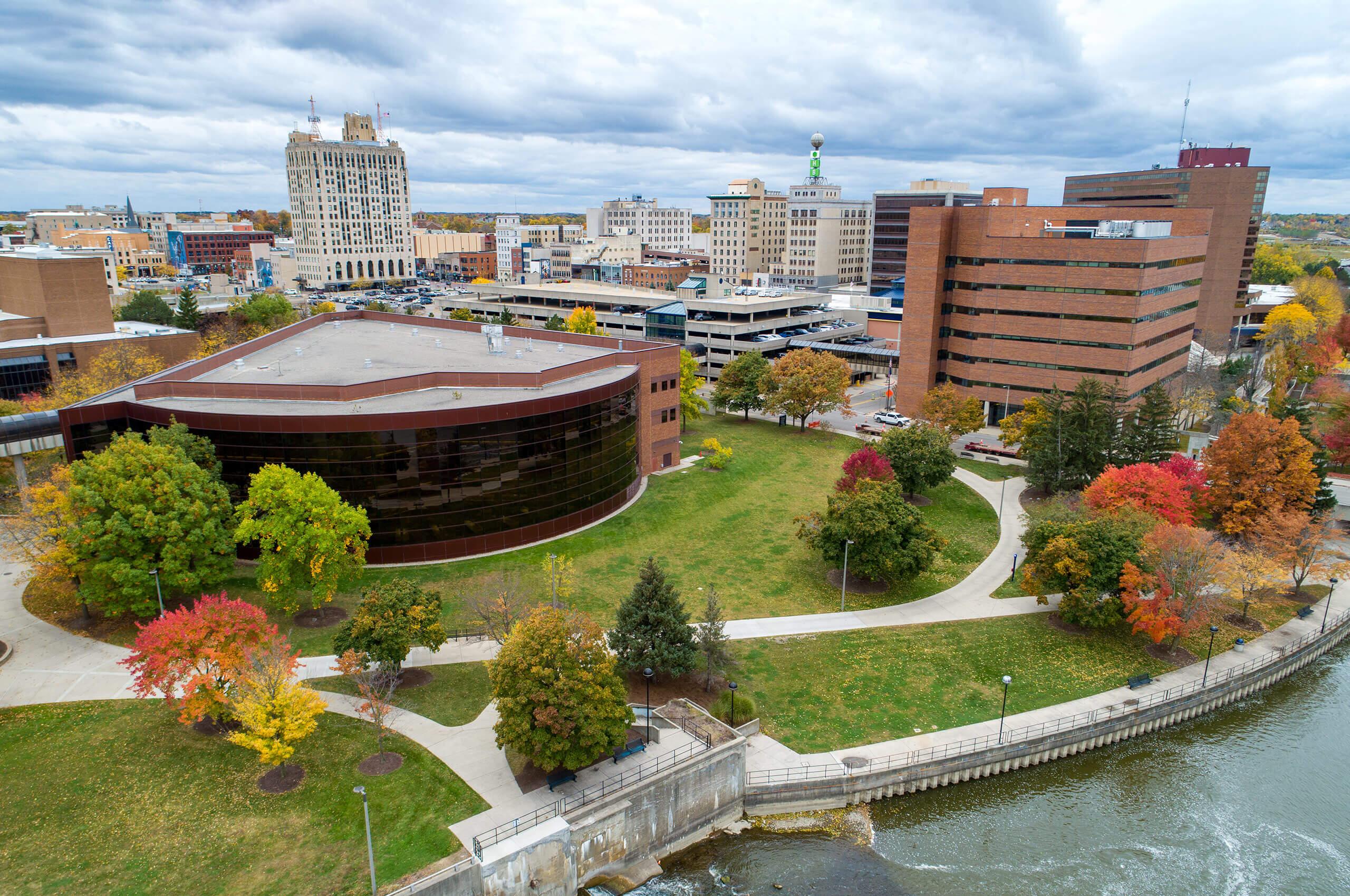
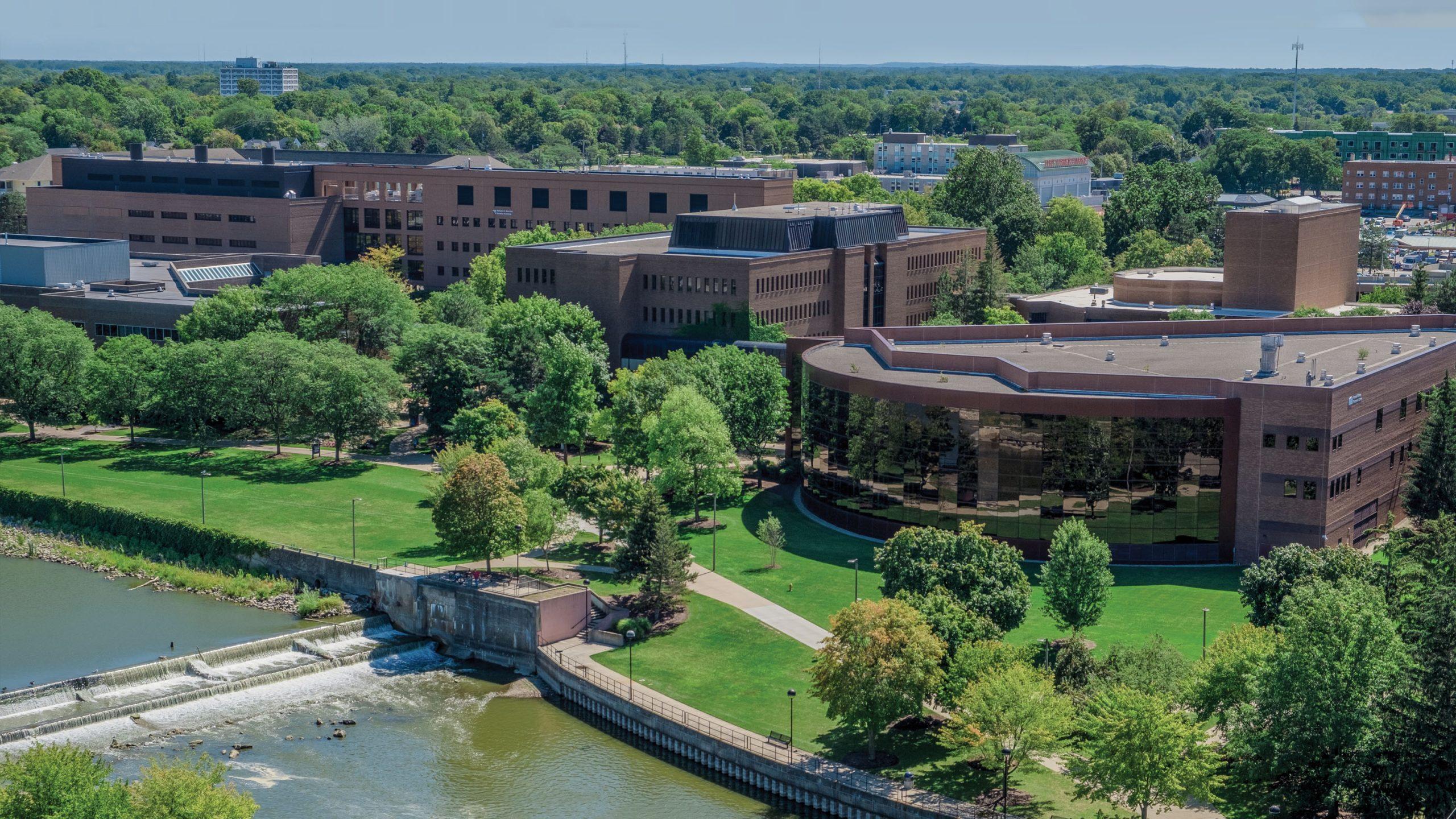
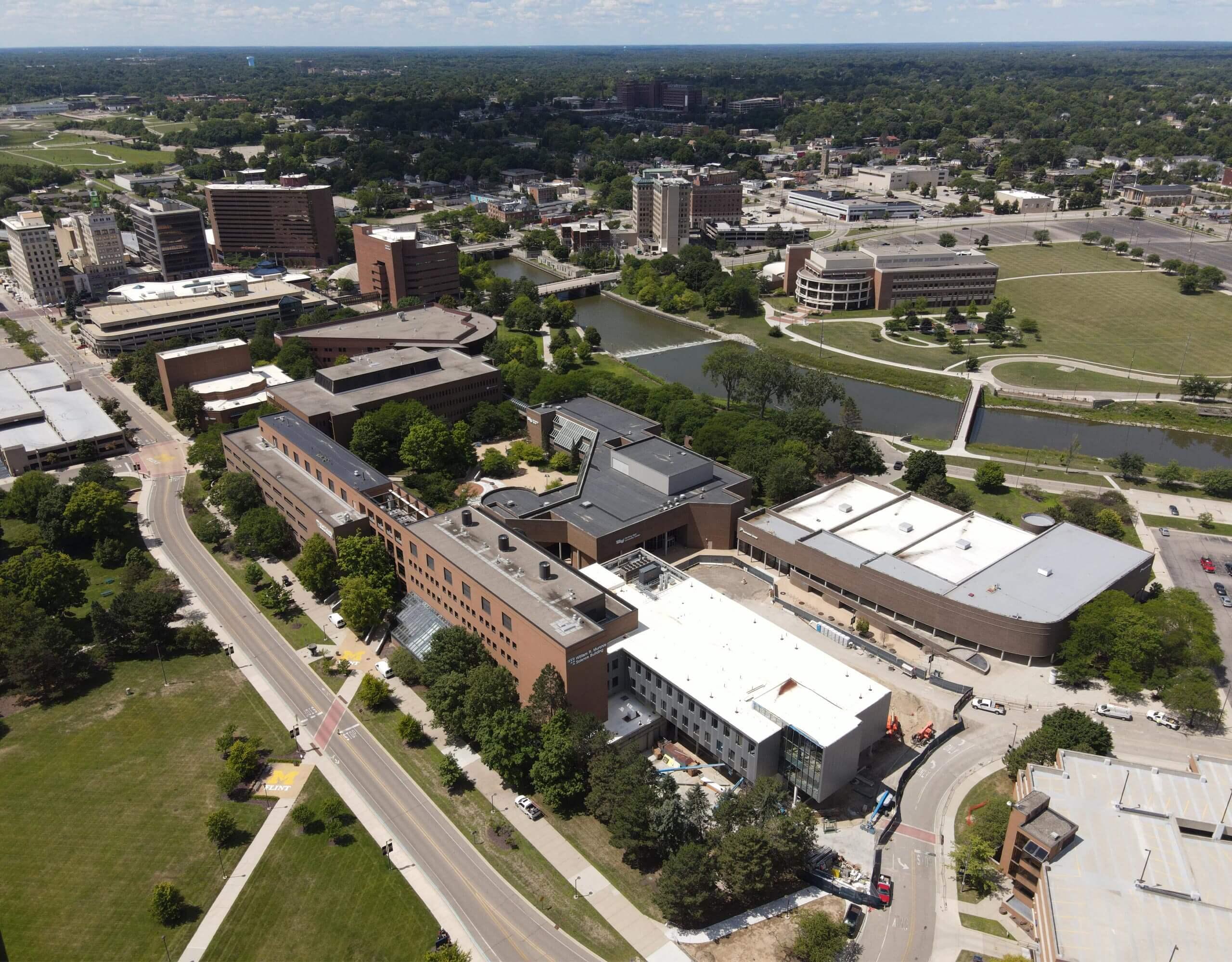
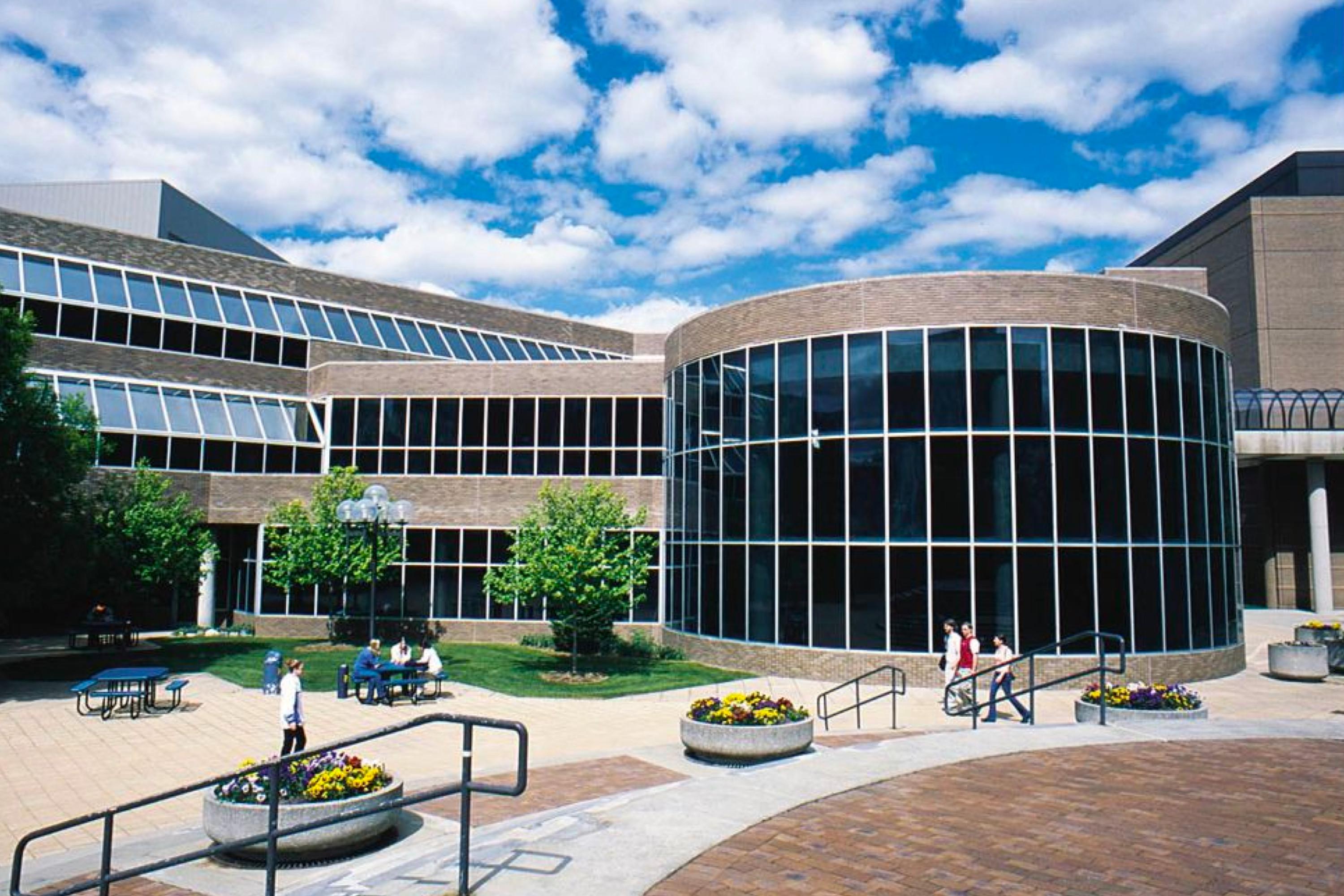
Nestled in the heart of Flint, Michigan, the University of Michigan-Flint carries the legacy of a campus born from community need. Founded in 1956 as a branch of the prestigious University of Michigan system, it started as a two-year college to serve the industrial workforce of this once-thriving manufacturing hub. Over the decades, it evolved into a full four-year institution, yet it retains a smaller, more personal scale compared to its Ann Arbor sibling, with an undergraduate enrollment of just under 6,000. Flint’s history of resilience—through economic challenges and urban renewal—mirrors the university’s own determination to provide accessible education and drive local impact.
This school attracts students who want a public university experience without getting lost in a massive crowd. If you’re someone who values close connections with professors, thrives in a setting where your voice can be heard, and appreciates a campus deeply tied to its city’s story, you’ll find a home here. The student body often includes many first-generation college-goers and locals from mid-Michigan, creating a grounded, no-frills vibe. However, the surrounding area of Flint can feel isolated for those used to bustling urban centers, and the city’s ongoing economic struggles mean fewer off-campus amenities than you might find near larger universities.
UM-Flint’s personality is practical yet forward-thinking, shaped by its mission to transform lives in a region that’s seen hard times. It’s not a place for students seeking a sprawling, high-energy campus or a picture-perfect college town—Flint’s gritty reality is part of the package. But for those who embrace this context, the university offers a chance to be part of something meaningful, with a focus on community engagement and real-world problem-solving woven into its fabric.
Photo Gallery


+19



+11
Admissions
Acceptance Rate
Test Policy
Test-optional schools still weigh strong scores. Submitting can help.
Average GPA
Application Fee
Academics
Student-Faculty Ratio
Programs Offered
Full-Time Faculty
Women Faculty
Research Spending
Available Online
Degree Levels Offered
At the University of Michigan-Flint, academics center on applied learning with a strong emphasis on health sciences, business, and education—fields that reflect the region’s needs and the university’s mission to serve its community. You can expect programs like nursing and physical therapy to stand out, with hands-on clinical experiences often integrated into the curriculum through partnerships with local hospitals and organizations. The School of Management also draws attention for its entrepreneurship focus, preparing students to launch ventures in a city hungry for economic revival. Research opportunities exist, especially in health and environmental studies, though they’re more limited compared to larger research giants.
Classroom experiences here tend to feel intimate, as the smaller campus size allows for more direct interaction with faculty. You’ll likely find professors who know your name and are invested in your progress, though some introductory courses may still be taught in larger lecture formats. One tradeoff is that certain specialized majors or cutting-edge facilities might not be as robust as at bigger schools, and resources for graduate-level research can be constrained. Still, for students seeking a practical education with a personal touch, UM-Flint delivers a solid foundation tailored to real-world impact.
Student Body
Total Enrollment
5,011 undergrad • 1,518 grad
Undergraduate
Graduate
International
White
66%
Black / African American
14%
Hispanic / Latino
6%
Asian
3%
Other / Multi-racial
11%
Campus Life
Varsity Athletics
Campus life at UM-Flint reflects the university’s smaller size and commuter-heavy population, creating a quieter, more focused social scene compared to larger state schools. Many students live off-campus or at home, so the residential halls, which house only a fraction of the student body, become tight-knit hubs for those who stay on-site. You can expect a typical week to balance academics with involvement in student organizations—there’s a strong push for community service and leadership activities that tie directly to Flint’s needs. Traditions like the annual Crimson and Blue Awards celebrate student achievements with a family-like warmth.
The social vibe isn’t built around big sports spectacles or a roaring party scene; instead, it’s about forging connections through smaller events, study groups, and local outreach. Winters in Flint can be harsh, with heavy snow and gray skies testing your endurance, and the surrounding area doesn’t offer the vibrant nightlife or cultural hotspots some students might crave. Still, the cost of living remains low, making it easier to manage expenses, and the campus’s urban setting means you’re steps away from Flint’s evolving downtown, where local art and revitalization efforts add a layer of discovery to your college years.
Housing
On-Campus Housing
Housing Capacity
Meal Plan Available
Average Room & Board
Athletics
Athletic Association
NAIA
ROTC & Veteran Support
Veteran’s Programs Available
Yellow Ribbon Program (Post-9/11 GI Bill)
Yes
Credit for military training
Yes
Dedicated point of contact for veteran support services
Yes
Recognized student veteran organization
Yes
Member of DoD Voluntary Educational Partnership MOU
Yes
Cost & Aid
In-State Tuition
Out-of-State Tuition
Room & Board
Estimated Cost
Financial Aid
Students Receiving Aid
Receiving Pell Grants
Average Grant
Average Federal Loan
Apply for Financial Aid
Complete the FAFSA to unlock grants, scholarships, and federal loans.
Costs shown are before financial aid. Most students receive some form of aid. Complete the FAFSA to see what you qualify for.
Outcomes & Earnings
Retention Rate
78%
4 Years Graduation Rate
30%
6 Years Graduation Rate
47%
Median 10-Year Earnings
$53,230
78% of first-time, full-time students complete their freshman year at University of Michigan-Flint and return in the fall. 30% of first-time, full-time students graduate in 4 years, and 47% graduate within 6 years.
Graduation Rate
4-year grads
30%
4-5 years
17%
6-8 years
3%
Non-grad
50%
Let’s find your perfect tutor
Answer a few quick questions. We’ll recommend the right plan and match you with a top 5% tutor.
University of Michigan-Flint
College Application Planner
Turn your research into step-by-step next moves for your college goals.
Keep 1 school in your plan
Key Statistics
Type
Public
Tuition
$12,234
Acceptance
70%
Undergrads
5,011
4-Year Grad Rate
30%
Endowment
$163M
Flint, MI 48502-1950
Explore More