Acceptance Rate
72%
Avg. SAT
1420
75th percentile
“A dynamic public university near Baltimore, blending research innovation with a close-knit, underdog spirit.”
Baltimore, MD
Location
Large Suburb
Campus Setting
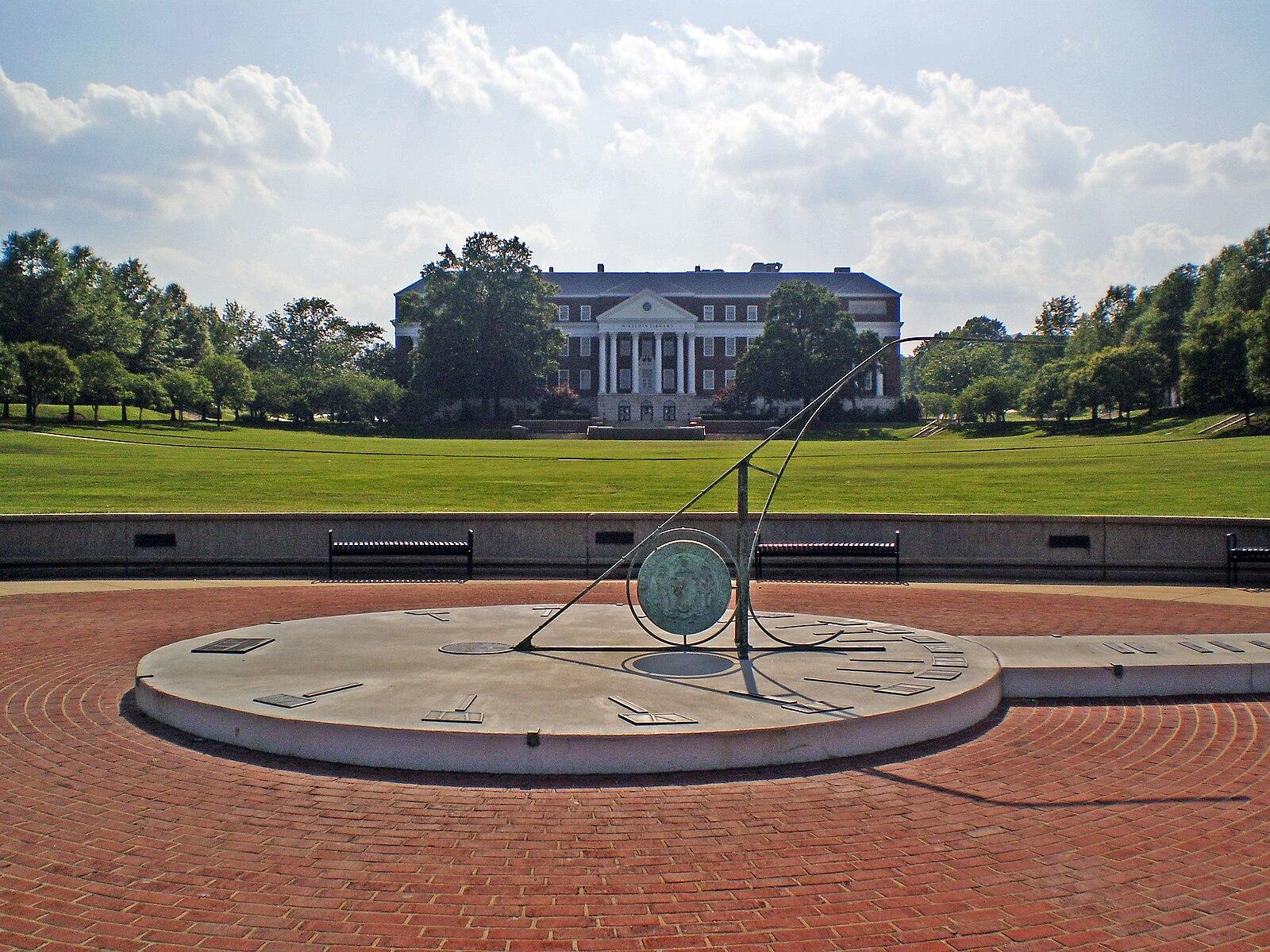
Nestled just outside Baltimore, the University of Maryland, Baltimore County (UMBC) stands out as a public research university with a scrappy, determined personality. Founded in 1966, it’s a relatively young institution, created to meet the growing demand for higher education in Maryland during a time of rapid suburban expansion. Unlike older, tradition-heavy schools, UMBC feels modern and forward-thinking, often flying under the radar compared to its larger sibling, the University of Maryland, College Park. Its campus, set in the quiet suburb of Catonsville, offers a peaceful escape from urban bustle while still being a quick drive or bus ride from Baltimore’s cultural and professional hubs.
What kind of student thrives here? If you’re driven, curious, and comfortable carving your own path, UMBC could be your place—especially if you value a tight community over a sprawling, impersonal campus. The student body often includes first-generation college-goers and those who appreciate the school’s emphasis on inclusivity and grit, reflected in its motto of 'Innovation and Inclusion.' However, if you’re seeking a classic college town with a rah-rah sports culture or constant social buzz, you might find UMBC’s quieter, commuter-heavy vibe less exciting. The surrounding area, while safe and convenient, lacks the vibrant, walkable energy of a true urban campus.
Baltimore itself adds a layer of opportunity and grit to the UMBC experience. Just 15 minutes away, the city offers access to history, arts, and internships at places like Johns Hopkins Hospital or the Inner Harbor’s business scene, but it requires some effort to engage with since the campus isn’t directly embedded in downtown. For students willing to bridge that gap, the payoff is real—think crab feasts at local markets or exploring quirky neighborhoods like Fells Point. The tradeoff is that without a car or reliance on public transit, you might feel a bit isolated on campus during off-hours.
Photo Gallery
Admissions
Acceptance Rate
Test Policy
Test-optional schools still weigh strong scores. Submitting can help.
Average GPA
Application Fee
Academics
Student-Faculty Ratio
Programs Offered
Full-Time Faculty
Women Faculty
Research Spending
Degree Levels Offered
UMBC punches above its weight academically, especially for a public university of its size, with a reputation for rigorous programs in science, technology, engineering, and math (STEM). It’s particularly known for its Meyerhoff Scholars Program, a nationally recognized initiative that supports underrepresented students in STEM fields with scholarships, mentoring, and research opportunities. You’ll find a strong focus on undergraduate research here, with many students working alongside faculty on projects as early as their first or second year—think lab work in biotechnology or coding for cybersecurity innovations. The university also has a growing presence in the humanities and social sciences, with programs like public policy and media studies gaining traction for their real-world applications.
Classroom experiences vary widely at UMBC. In popular STEM majors, you can expect some larger introductory lectures, especially in the first couple of years, but upper-level courses often shrink to more intimate settings where professors know your name. If you’re proactive, faculty are approachable and eager to guide you toward internships or research grants, though you’ll need to seek out those connections yourself—advising can sometimes feel stretched thin. Competitive programs like computer science or engineering may require extra hustle to secure spots in high-demand classes or labs, and some students find the academic pace intense if they’re not used to self-directed learning. Still, for those who embrace the challenge, UMBC offers a chance to build a resume that rivals graduates from much pricier schools.
Student Body
Total Enrollment
10,767 undergrad • 3,139 grad
Undergraduate
Graduate
International
White
28%
Black / African American
20%
Hispanic / Latino
8%
Asian
19%
Other / Multi-racial
25%
Campus Life
Campus Setting
Baltimore, MD
Varsity Athletics
NCAA Athletics
Campus life at UMBC has a grounded, community-driven feel, shaped by a student body that often balances academics with part-time jobs or family responsibilities. You’ll notice a mix of commuters and on-campus residents, which can make the social scene feel less 24/7 than at schools with a stronger residential focus, but there’s still plenty to dive into if you seek it out. Traditions like the annual Quadmania festival—a spring event packed with live music, food trucks, and games—bring everyone together, while smaller events hosted by cultural or academic clubs add a personal touch to the week. Sports, particularly basketball and lacrosse, have gained attention since UMBC’s historic 2018 NCAA upset as the first No. 16 seed to beat a No. 1, and game days spark a rare burst of campus-wide energy.
Living on campus offers a chance to build tighter bonds, with residence halls fostering a sense of family through themed communities focused on leadership or sustainability. However, housing isn’t guaranteed for all four years, so some students end up commuting or renting nearby, which can dampen the full college experience. The Maryland weather swings from humid summers to chilly, sometimes snowy winters, so be ready to bundle up or sweat it out depending on the season. Off-campus, the cost of living in the Baltimore area is manageable compared to other East Coast cities, but it’s not cheap—expect to budget carefully if you’re exploring the city often. Overall, UMBC’s culture rewards students who take initiative to connect, whether through clubs or city adventures, but it might feel low-key if you’re craving constant excitement.
Housing
On-Campus Housing
Housing Capacity
Meal Plan Available
Average Room & Board
Athletics
Athletic Association
America East Conference
ROTC & Veteran Support
Army
Yes
Navy
Yes
Air Force
Yes
Veteran’s Programs Available
Yellow Ribbon Program (Post-9/11 GI Bill)
Yes
Dedicated point of contact for veteran support services
Yes
Recognized student veteran organization
Yes
Member of DoD Voluntary Educational Partnership MOU
Yes
Cost & Aid
In-State Tuition
Out-of-State Tuition
Room & Board
Estimated Cost
Financial Aid
Students Receiving Aid
Receiving Pell Grants
Average Grant
Average Federal Loan
Apply for Financial Aid
Complete the FAFSA to unlock grants, scholarships, and federal loans.
Costs shown are before financial aid. Most students receive some form of aid. Complete the FAFSA to see what you qualify for.
Outcomes & Earnings
Retention Rate
85%
4 Years Graduation Rate
51%
6 Years Graduation Rate
68%
Median 10-Year Earnings
$69,960
85% of first-time, full-time students complete their freshman year at University of Maryland-Baltimore County and return in the fall. 51% of first-time, full-time students graduate in 4 years, and 68% graduate within 6 years.
Graduation Rate
4-year grads
51%
4-5 years
17%
6-8 years
2%
Non-grad
30%
Let’s find your perfect tutor
Answer a few quick questions. We’ll recommend the right plan and match you with a top 5% tutor.
Key Statistics
Type
Public
Tuition
$9,056
Acceptance
72%
Undergrads
10,767
4-Year Grad Rate
51%
Endowment
$160M
Baltimore, MD 21250
Explore More