Acceptance Rate
29%
Avg. SAT
1470
75th percentile
“Hartford's Gothic liberal arts enclave where Bantams chase ideas in small seminars amid urban hum.”
Hartford, CT
Location
Midsize City
Campus Setting
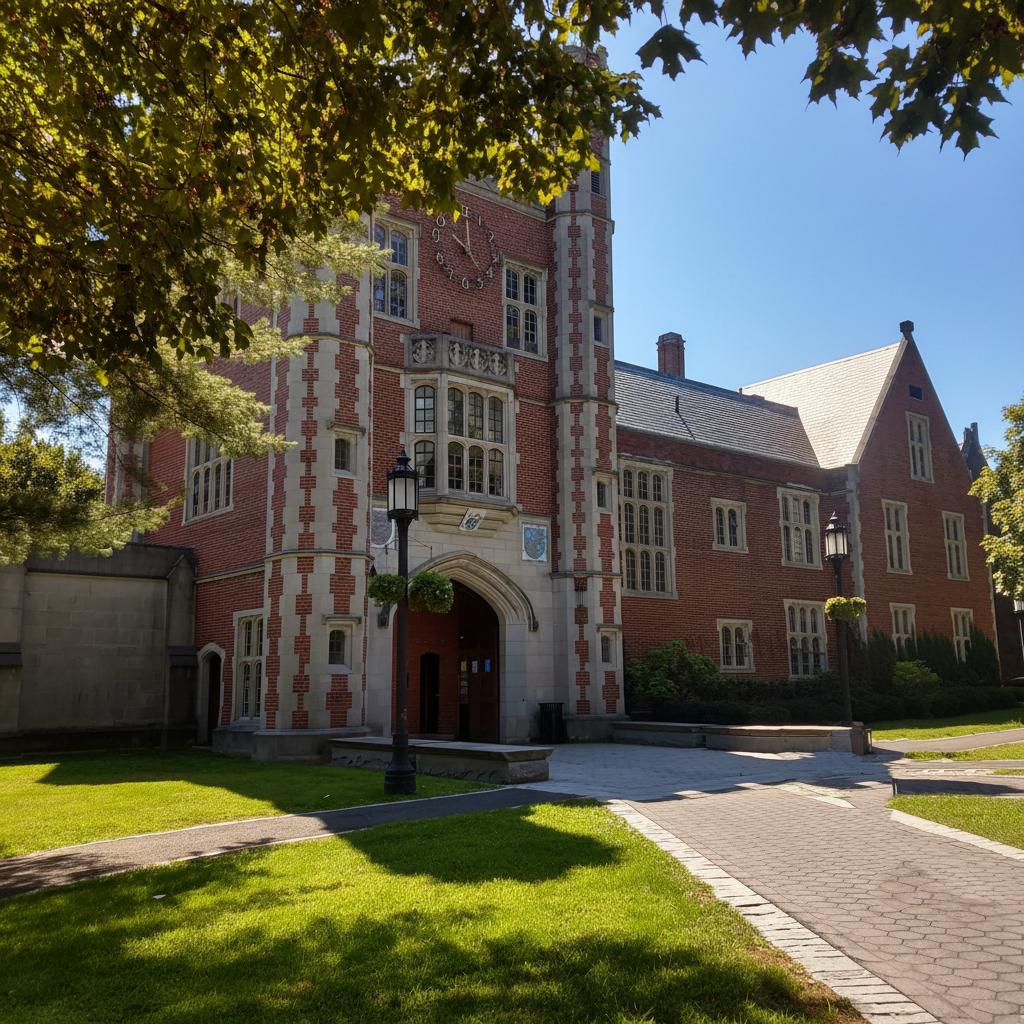
Trinity College traces its roots to 1823, when Episcopalian leaders established Washington College in Hartford, renaming it Trinity two decades later to honor its religious heritage; today, it stands as a secular liberal arts institution on a compact 100-acre campus of ivy-clad stone buildings. Independent-minded students who relish seminar-style debates, outdoor adventures, and city exploration fit right in, while those seeking vast lecture halls or raucous Division I athletics might feel constrained by the close-knit scale. The surrounding midsize city pulses with insurance firms, museums, and theaters, offering internships and evenings out, though its higher cost of living and winter chill demand adjustment.
Trinity's personality leans cerebral yet approachable, fostering collaboration over cutthroat competition in a community of about 2,200 undergraduates. Professors know students by name, and the Bantam spirit unites everyone through shared rituals like tree-planting ceremonies for each class. Tradeoffs include a narrower range of electives compared to larger universities and housing that prioritizes upperclassmen in themed residences, leaving freshmen in doubles.
Photo Gallery


+32


![The Long Walk [Encyclopedia Trinitiana]](/colleges/_next/image?url=https%3A%2F%2Fvghvhanhsrscfnnyakkv.supabase.co%2Fstorage%2Fv1%2Fobject%2Fpublic%2Finstitution-photos%2Ffirecrawl-gemini%2Ftrinity-college%2Ftrinity-college-1-be3773e5.png&w=3840&q=75)
+24
Admissions
Acceptance Rate
Test Policy
Test-optional schools still weigh strong scores. Submitting can help.
Average GPA
Application Fee
Academics
Student-Faculty Ratio
Programs Offered
Full-Time Faculty
Women Faculty
Research Spending
Degree Levels Offered
In Trinity's classrooms, you'll join animated discussions in seminar rooms where the 9:1 student-faculty ratio ensures your voice shapes the conversation, especially after the first-year requirements give way to majors. The college shines in neuroscience, economics, engineering, and environmental science, with undergrads tackling hands-on research in labs overlooking the Park River. Professors emphasize writing and critical thinking, pulling students into their projects early.
That intimacy means few massive intro lectures, but popular majors like computer science fill quickly, and the small size limits niche courses in areas like film studies. You'll graduate with skills honed through a senior capstone, ready for grad school or jobs, though replicating big-university specialization requires initiative.
Student Body
Total Enrollment
2,204 undergrad • 34 grad
Undergraduate
Graduate
International
White
60%
Black / African American
6%
Hispanic / Latino
9%
Asian
4%
Other / Multi-racial
21%
Campus Life
Campus Setting
Hartford, CT
Varsity Athletics
NCAA Athletics
A typical week mixes morning classes with afternoon crew practices on the river, club meetings in quirky houses, and weekend jaunts to Hartford's jazz clubs or hiking trips organized by the Outing Club. The 11-house residential system sorts students into spots like the artsy Jackson House or athlete-heavy Jackson, building loyalties through house feasts and intramurals. Social life balances on-campus keggers, a cappella shows, and the Prouty alumni basketball game with city escapes to Wadsworth Atheneum exhibits.
D3 sports draw crowds to football on the Long Walk green, but the vibe stays low-key intellectual rather than frenzy-driven. Cold, snowy winters keep many indoors, and the urban edge means navigating off-campus caution, yet the gated campus feels secure and walkable. Smaller enrollment fosters easy friendships but fewer anonymity options for introverts.
Housing
On-Campus Housing
Housing Capacity
Meal Plan Available
Average Room & Board
Athletics
Athletic Association
New England Small College Athletic Conference
ROTC & Veteran Support
Veteran’s Programs Available
Yellow Ribbon Program (Post-9/11 GI Bill)
Yes
Cost & Aid
In-State Tuition
Out-of-State Tuition
Room & Board
Estimated Cost
Financial Aid
Students Receiving Aid
Receiving Pell Grants
Average Grant
Average Federal Loan
Net Annual Cost by Household Income
Household Income
Avg. Net Cost
$0 – $30K
$8,252
$30K – $48K
$10,965
$48K – $75K
$14,246
$75K – $110K
$20,094
$110K+
$43,317
Apply for Financial Aid
Complete the FAFSA to unlock grants, scholarships, and federal loans.
Costs shown are before financial aid. Most students receive some form of aid. Complete the FAFSA to see what you qualify for.
Outcomes & Earnings
Retention Rate
90%
4 Years Graduation Rate
81%
6 Years Graduation Rate
86%
Median 10-Year Earnings
$90,779
90% of first-time, full-time students complete their freshman year at Trinity College and return in the fall. 81% of first-time, full-time students graduate in 4 years, and 86% graduate within 6 years.
Graduation Rate
4-year grads
81%
4-6 years
5%
Non-grad
14%
Let’s find your perfect tutor
Answer a few quick questions. We’ll recommend the right plan and match you with a top 5% tutor.
Trinity College
College Application Planner
Turn your research into step-by-step next moves for your college goals.
Keep 1 school in your plan
Key Statistics
Type
Private
Tuition
$61,070
Acceptance
29%
Undergrads
2,204
4-Year Grad Rate
81%
Endowment
$832M
Hartford, CT 06106-3100
Explore More